Ingredient Guide · Gourmand Woody
Gourmand Woody Family · Perfumery Note

Bran

Toasted grain husks in a warm, dry aroma

Bran is a niche perfumery note derived from the outer layers of cereal grains, characterized by a dry, toasted, and slightly nutty aroma. It is primarily used as a heart or base note at low concentrations to add warmth and texture.

Bran
Ingredient Profile

Bran

Gourmand Woody Family
Family Gourmand Woody
Note Position Heart Note
Usage Level 0.1–1%
Key Origins United States, Canada, Russia
Iconic In Odeur 71, Timbuktu
The Ingredient

What does Bran smell like and why is it significant in perfumery?

Bran's scent profile is defined by its dry, toasted, and slightly nutty aroma reminiscent of cereal husks and warm grains. Chemically, bran contains complex mixtures of aldehydes, lactones, and phenolic compounds that contribute to its warm, dry facets. This note evokes natural, earthy textures rather than floral or fruity sweetness. In perfumery, bran is typically used as a heart or base note at concentrations ranging from 0.1% to 1%, depending on the desired intensity. It interacts with skin chemistry by lending a dry, warm texture that can enhance the perception of depth and naturalness in compositions. Bran's subtle complexity allows it to blend well with woody, spicy, and gourmand notes. Though niche, bran has appeared in select artisanal fragrances such as Comme des Garçons' Odeur 71 (2010) where it adds a dry cereal nuance, and in some creations by perfumer Bertrand Duchaufour who uses bran to evoke rustic warmth. These examples illustrate bran's role in adding naturalistic, textured warmth in modern perfumery.

0.1–1%
Typical concentration range of bran extracts in fragrance formulas to balance intensity and safety.
0.1–0.3%
Approximate extraction yield of bran absolute from raw bran material, indicating low natural availability.
500–1500 USD/kg
Estimated price range for natural bran absolute, reflecting its niche status and extraction complexity.
Origin & Extraction

Where Bran Comes From — Origin & Extraction

Bran’s scent character is influenced by the grain’s growing region, soil composition, and milling process. Regions with temperate climates and rich loamy soils produce bran with balanced toasted and nutty facets.

Bran is the outer layer of cereal grains such as wheat (Triticum aestivum), rye (Secale cereale), and oats (Avena sativa). It is a byproduct of grain milling, consisting of the aleurone layer and pericarp. The bran used in perfumery is typically sourced from wheat bran due to its availability and characteristic aroma. Major producers of bran for fragrance and flavor applications include the United States, Canada, Russia, and parts of Europe, where large-scale grain milling industries operate. Bran is collected as a milling residue and then processed for extraction. Extraction methods for bran aroma compounds involve solvent extraction using ethanol or hexane to obtain bran absolute or resinoid. Supercritical CO2 extraction is also employed for a cleaner, solvent-free extract. The process temperature is kept below 50°C to preserve delicate aromatic lactones and aldehydes. Extraction yields are low, typically around 0.1–0.3% by weight. Natural bran extracts are relatively affordable compared to rare florals but more costly than synthetic aroma chemicals mimicking grain notes. Synthetic substitutes include aldehydes like hexanal (CAS 66-25-1) and furfural (CAS 98-01-1), which replicate toasted grain facets. Sustainability is favorable as bran is a milling byproduct, reducing waste and supporting circular economy principles.

US

United States

The Midwest’s wheat-growing regions produce bran with a warm, toasted aroma due to fertile soils and temperate climate. The US accounts for approximately 25% of global bran milling byproduct production, with modern mechanized harvesting and milling.

CA

Canada

Canada’s Prairie provinces yield bran with a slightly sweeter, nuttier profile from cold climate grain maturation. Production volume is about 15% of the global bran supply, with strict quality controls.

RU

Russia

Russia’s vast grain belt produces bran with robust, earthy toasted notes influenced by continental climate and varied soil types. Russia contributes roughly 20% of bran milling byproduct globally.

FR

France

French wheat bran is noted for its refined, balanced aroma due to temperate climate and traditional milling methods. It holds a smaller market share but is prized for quality in niche perfumery.

Chemistry

Natural vs Synthetic Bran in Perfumery

Natural bran extracts capture the complex, warm, toasted nuances of cereal husks through a mixture of aldehydes, lactones, and phenolics. However, their low extraction yield and batch variability limit widespread use. Synthetic aroma chemicals such as hexanal (CAS 66-25-1), furfural (CAS 98-01-1), and maltol (CAS 118-71-8) are commonly used to replicate bran's dry, toasted facets with greater consistency and cost efficiency. In terms of performance, natural bran extracts provide a richer, more nuanced scent but have moderate longevity and diffusion. Synthetic molecules offer stronger projection and stability but can lack the full complexity of natural bran. Cost-wise, natural bran extracts range from $500 to $1500 per kilogram, whereas synthetics like hexanal cost under $100 per kilogram. Famous fragrances using natural bran are rare and mostly niche, while synthetics are prevalent in gourmand and woody compositions. Sustainability favors natural bran due to its byproduct origin, but synthetic production has a smaller carbon footprint per unit. CA Perfume employs the HumanSafe™ platform to ensure transparency and safety when using bran-related ingredients.

Natural
Bran Absolute
Cost $3,000–6,000/kg
Method Solvent / CO₂
Character Complex, variable
vs
Synthetic
Safranal & Analogues
Cost $50–200/kg
Method Lab synthesis
Character Consistent, stable
Hall of Fame

Famous Fragrances That Define Bran in Perfumery

2010
accent

Odeur 71

Comme des Garçons
by Mark Buxton
aldehydeswoody notescitrus
2004
supporting note

Timbuktu

L'Artisan Parfumeur
by Bertrand Duchaufour
incensewoody notesspices
2010
supporting note

Eau Duelle

Diptyque
by Fabrice Pellegrin
vanillaspicesamber
2010
accent

Atelier Cologne Vanille Insensée

Atelier Cologne
by Jacques Huclier
vanillacitruswoody notes
2000
accent

En Passant

Frédéric Malle
by Olivier Durbano
lilaccucumberwhite musk

Bran is a niche note that has appeared in select artisanal and niche fragrances, often to evoke dry, toasted cereal nuances. Comme des Garçons Odeur 71 (2010), created by perfumer Mark Buxton, uses bran to add a naturalistic, dry cereal facet alongside aldehydes and woody notes. Bertrand Duchaufour’s creations, such as L'Artisan Parfumeur Timbuktu (2004), incorporate bran-like nuances to evoke rustic warmth and earthiness. Other notable mentions include Diptyque’s Eau Duelle (2010) where bran accords subtly support the vanilla and spices, and some compositions by Atelier Cologne that use bran-inspired synthetics to add dry texture. These fragrances demonstrate bran’s role as an accent or supporting note rather than a dominant accord. CA Perfume’s collection respects this lineage by incorporating bran in subtle, textural ways that enhance naturalistic and gourmand accords without overwhelming the composition.

The Accord

How is a captivating Bran accord crafted?

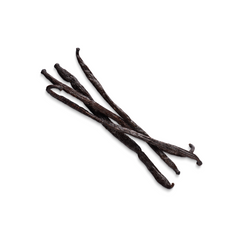
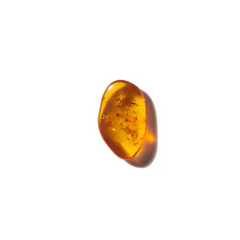
A bran accord is constructed to balance its dry, toasted facets with complementary notes that enhance warmth and texture. Bran (20-25%) provides the core dry cereal husk character through aldehydes and lactones. Vanilla (25-30%) softens the dry facets with vanillin’s creamy sweetness, creating olfactory masking. Cedarwood (20-25%) adds woody depth and resinous undertones, harmonizing with bran’s earthiness. Amber (20-25%) contributes a warm, slightly sweet resinous base that prolongs the accord’s longevity and diffusion.

25%

Bran

20–25% of blend

Bran provides the dry, toasted cereal husk character through aldehydes and lactones, forming the accord’s core.

30%

Vanilla

25–30% of blend

Vanilla’s vanillin softens bran’s dry facets via olfactory masking, adding creamy sweetness and warmth.

25%

Cedarwood

20–25% of blend

Cedarwood adds woody depth and resinous undertones that complement bran’s earthiness molecularly.

25%

Amber

20–25% of blend

Amber contributes warm, resinous sweetness that enhances longevity and diffusion of the accord.

The Olfactory Layers

How Bran Evolves on Skin

Bran’s olfactory evolution begins with its dry, toasted aldehydes in the top notes, transitions to warm, nutty heart notes dominated by lactones, and settles into a soft, resinous base with woody undertones.

I
Top notes
0–15 min
Dry Toasted Crispness

The initial impression is dry and toasted, dominated by volatile aldehydes such as hexanal and furfural, which evaporate quickly and provide the crisp cereal husk aroma.

DryToastedAldehydic
II
Heart notes
20–60 min
Warm Nutty Depth

The heart reveals warmer, nutty lactones and phenolic compounds that add depth and a slightly creamy texture, softening the initial dryness.

NuttyWarmCreamy
III
Base notes
Several hours
Earthy Woody Warmth

The base is composed of woody and resinous molecules that provide longevity and a subtle earthiness, anchoring the bran accord with a naturalistic finish.

WoodyResinousEarthy
TOP NOTES Dry Toasted Crispness 0–15 minutes HEART NOTES Warm Nutty Depth 20–60 minutes BASE NOTES Earthy Woody Warmth Several hours
Through the Ages

The Story of Bran in Perfumery

Bran’s use in perfumery is a recent development, emerging from the broader trend of incorporating naturalistic and gourmand notes in the late 20th century.

Antiquity

Bran as a Food Byproduct

Historically, bran has been used primarily as a cereal byproduct for food and feed, with no documented perfumery use.

1980s

Emergence of Gourmand Notes

The 1980s saw the rise of gourmand fragrances, prompting exploration of cereal and grain notes including bran for naturalistic textures.

2004

Bran Nuances in Timbuktu

Bertrand Duchaufour’s Timbuktu (2004) is among the first high-profile fragrances to incorporate bran-like dry cereal nuances.

2010

Comme des Garçons Odeur 71

Mark Buxton’s Odeur 71 (2010) explicitly uses bran to evoke dry, toasted cereal husks, marking bran’s niche perfumery debut.

2020s

Increased Interest in Naturalistic Notes

The 2020s have seen growing interest in bran and cereal notes in niche perfumery, driven by demand for authentic, textured accords.

The Art of Layering

How to Layer Bran

Understanding how to layer bran involves combining it with notes that complement its dry, toasted facets at a molecular level. This approach enhances complexity and olfactory harmony.

01

Enhance Sweetness

Layering bran with vanilla leverages vanillin’s olfactory masking to soften bran’s aldehydic sharpness, creating a creamy, warm gourmand effect. This pairing is exemplified in Diptyque’s Eau Duelle.

02

Add Depth

Combining bran with cedarwood introduces complementary woody lactones and resinous molecules, deepening the earthy warmth and extending longevity, as seen in L'Artisan Parfumeur Timbuktu.

03

Lighten the Glow

Pairing bran with citrus notes like bergamot introduces bright, volatile terpenes that balance bran’s dry facets, adding freshness and lift without overpowering the accord.

Wear It Right

How to Wear Bran Like a Pro

Seasonal Guide

Fall & Winter

Cooler temperatures slow molecular diffusion, enhancing bran’s warm, toasted, and woody qualities. Apply moderately for cozy, grounded scent profiles ideal for colder months.

Spring

Mild temperatures balance bran’s dry and warm facets, allowing a fresh yet textured aroma. Layer with florals or light spices to brighten the composition.

Summer

Heat increases volatility, making bran’s aldehydic top notes more prominent but potentially overpowering. Use sparingly or blend with fresh citrus to maintain balance.

Year-Round Tip

Adjust application amount and layering partners seasonally to modulate bran’s dry warmth and maintain olfactory harmony.

Application Points

Strategic application of bran-based fragrances enhances their warm, dry character through pulse points and hair placement.

1

Neck

Pulse points on the neck provide warmth that activates bran’s aldehydic top notes, enhancing initial projection.

2

Behind the Ears

This area allows subtle diffusion of bran’s warm heart notes, creating an intimate scent aura.

3

Inner Wrists

Applying bran fragrances here promotes interaction with skin chemistry, revealing nuanced dry and nutty facets.

4

Hair

Hair fibers retain bran’s warm, toasted aroma longer, releasing it gradually with movement.

★

Pro Tip

Layer bran with vanilla or cedarwood on moisturized skin to enhance longevity and soften dry edges.

Mood Architecture™

Top Bran Fragrances by Mood Score

These Bran-based fragrances scored highest on the MEI™ Mood Architecture Framework — measuring how a scent may influence your emotional state.

Highest MEI Score
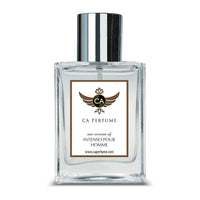
Intenso Pour Homme — Intenso Alternative Cologne
6.8
MEI™
Primary Romantic
Secondary Confident
Confidence
6.66
Presence
7.03
Mood Lift
6.85
Identity
6.9
Warmth
7.95
Social Ease
6.4
Energy
5.29
" I am beautiful.
View full mood profile →
HumanSafe™

Top Bran Fragrances by HumanSafe™ Score

These Bran-based fragrances have the highest product-level HumanSafe™ scores in this ingredient collection.

Highest HumanSafe™ Score
Intenso Pour Homme — Intenso Alternative Cologne
A-
HumanSafe™ Score Generally Safe
Safest Evaluated Ingredients EDP
AQUA Solvent / Carrier ISS 10.0
3-CYCLOHEXENE-1-CARBOXALDEHYDE, 1-METHYL-4-(4- Evaluated ingredient ISS 10.0
1,4-DIOXACYCLOHEPTADECANE-5,17-DIONE Evaluated ingredient ISS 10.0
7-OCTEN-2-OL, 2,6-DIMETHYL- Evaluated ingredient ISS 9.0
3-CYCLOPENTENE-1-ACETALDEHYDE, 2,2,3-TRIMETHYL-, Evaluated ingredient ISS 9.0
2H-1-BENZOPYRAN-2-ONE Evaluated ingredient ISS 8.0
View full safety profile →
Expert Voices

What Masters Say About Bran

“
Bran’s dry, toasted facets offer a unique naturalistic texture that enriches modern gourmand and woody compositions with subtle complexity.
CA Perfume Editorial
“
Incorporating bran into a fragrance creates an olfactory bridge between earthy woods and sweet gourmand notes, adding depth without heaviness.
CA Perfume Editorial
Common Questions

Frequently Asked Questions

Frequently asked questions about bran in perfumery, addressing scent, use, and layering.

Bran in perfume smells dry, toasted, and warm, reminiscent of cereal husks and grain. It combines aldehydic sharpness with nutty, creamy lactones, creating a textured, naturalistic aroma. This note is used in niche fragrances like Comme des Garçons Odeur 71 to evoke rustic warmth and subtle gourmand nuances.

Bran typically functions as a heart or base note in fragrance compositions. Its aldehydic components provide a dry, toasted top impression initially, but the fuller warm, nutty character emerges in the heart and base, contributing to longevity and depth.

Bran is favored in niche perfumery for its unique dry, toasted aroma that adds naturalistic texture and complexity. It complements woody and gourmand accords, helping to create authentic, layered compositions that stand apart from mainstream floral or fruity fragrances.

Bran fragrance uses are enhanced by pairing with vanilla, cedarwood, amber, and bergamot. Vanilla softens bran’s dry facets via vanillin’s creamy sweetness, cedarwood adds woody depth, amber contributes resinous warmth, and bergamot introduces fresh brightness, balancing the accord.

Bran perfumes can be worn in summer but require lighter application or blending with fresh citrus to prevent aldehydic top notes from becoming overpowering due to heat increasing volatility. Cooler seasons better showcase bran’s warm, toasted nuances.

Bran fragrances generally last 5 to 7 hours depending on concentration and formulation. The woody and resinous base notes extend longevity, while aldehydic top notes evaporate within the first hour, creating a dynamic scent evolution.

Yes, layering bran with vanilla or cedarwood is effective. Vanilla masks sharp aldehydes and adds warmth, while cedarwood deepens the woody facets. Layering with citrus notes can also brighten bran’s dry character, enhancing freshness.

Beginners may explore bran in fragrances like Comme des Garçons Odeur 71 or Diptyque Eau Duelle, where bran is used subtly as an accent. These offer approachable introductions to bran’s dry, toasted nuances without overwhelming complexity.

Consider your preference for dry toasted or warm creamy notes. CA Perfume’s bran fragrances balance naturalistic textures with complementary accords like vanilla and cedarwood. Sampling layered accords can help find your ideal bran expression.

Bran smells predominantly dry and toasted with mild nutty sweetness but is not spicy. Its sweetness comes from lactones and vanillin when paired with vanilla, while the toasted facets are aldehydic rather than spicy.

Gourmand Woody Collection

Explore Our Top Bran Fragrances

Discover niche and artisanal fragrances featuring bran’s unique dry and toasted character.

Shop all bran fragrances at CA Perfume →

Where Bran Comes From — Origin & Extraction

Bran is the outer layer of cereal grains such as wheat (Triticum aestivum), rye (Secale cereale), and oats (Avena sativa). It is a byproduct of grain milling, consisting of the aleurone layer and pericarp. The bran used in perfumery is typically sourced from wheat bran due to its availability and characteristic aroma. Major producers of bran for fragrance and flavor applications include the United States, Canada, Russia, and parts of Europe, where large-scale grain milling industries operate. Bran is collected as a milling residue and then processed for extraction. Extraction methods for bran aroma compounds involve solvent extraction using ethanol or hexane to obtain bran absolute or resinoid. Supercritical CO2 extraction is also employed for a cleaner, solvent-free extract. The process temperature is kept below 50°C to preserve delicate aromatic lactones and aldehydes. Extraction yields are low, typically around 0.1–0.3% by weight. Natural bran extracts are relatively affordable compared to rare florals but more costly than synthetic aroma chemicals mimicking grain notes. Synthetic substitutes include aldehydes like hexanal (CAS 66-25-1) and furfural (CAS 98-01-1), which replicate toasted grain facets. Sustainability is favorable as bran is a milling byproduct, reducing waste and supporting circular economy principles.

Famous Fragrances That Define Bran in Perfumery

Bran is a niche note that has appeared in select artisanal and niche fragrances, often to evoke dry, toasted cereal nuances. Comme des Garçons Odeur 71 (2010), created by perfumer Mark Buxton, uses bran to add a naturalistic, dry cereal facet alongside aldehydes and woody notes. Bertrand Duchaufour’s creations, such as L'Artisan Parfumeur Timbuktu (2004), incorporate bran-like nuances to evoke rustic warmth and earthiness. Other notable mentions include Diptyque’s Eau Duelle (2010) where bran accords subtly support the vanilla and spices, and some compositions by Atelier Cologne that use bran-inspired synthetics to add dry texture. These fragrances demonstrate bran’s role as an accent or supporting note rather than a dominant accord. CA Perfume’s collection respects this lineage by incorporating bran in subtle, textural ways that enhance naturalistic and gourmand accords without overwhelming the composition.

Natural vs Synthetic Bran in Perfumery

Natural bran extracts capture the complex, warm, toasted nuances of cereal husks through a mixture of aldehydes, lactones, and phenolics. However, their low extraction yield and batch variability limit widespread use. Synthetic aroma chemicals such as hexanal (CAS 66-25-1), furfural (CAS 98-01-1), and maltol (CAS 118-71-8) are commonly used to replicate bran's dry, toasted facets with greater consistency and cost efficiency. In terms of performance, natural bran extracts provide a richer, more nuanced scent but have moderate longevity and diffusion. Synthetic molecules offer stronger projection and stability but can lack the full complexity of natural bran. Cost-wise, natural bran extracts range from $500 to $1500 per kilogram, whereas synthetics like hexanal cost under $100 per kilogram. Famous fragrances using natural bran are rare and mostly niche, while synthetics are prevalent in gourmand and woody compositions. Sustainability favors natural bran due to its byproduct origin, but synthetic production has a smaller carbon footprint per unit. CA Perfume employs the HumanSafe™ platform to ensure transparency and safety when using bran-related ingredients.