Ingredient Guide · Gourmand
Gourmand Family · Perfumery Note

Bourbon Vanilla

A base note prized for its creamy, woody, and tobacco nuances.

Bourbon Vanilla is a foundational base note in perfumery, derived from Vanilla planifolia pods and renowned for its creamy, woody, and balsamic character. Its scent profile is shaped by vanillin, guaiacol derivatives, and trace resinoids, with concentrations in fine fragrance typically ranging from 0.5–5%.

Bourbon Vanilla
Ingredient Profile

Bourbon Vanilla

Gourmand Family
Family Gourmand
Note Position Heart Note
Usage Level 0.5–5% of formula
Key Origins Madagascar, Réunion (Île Bourbon), Comoros
Iconic In Shalimar, Tobacco Vanille
The Ingredient

What does Bourbon Vanilla smell like and why is it so significant in perfumery?

Bourbon Vanilla, sourced from Vanilla planifolia, emits a scent profile that is both creamy and balsamic, with pronounced woody and tobacco undertones. Its olfactory signature is shaped by a complex array of molecules, primarily vanillin (4-hydroxy-3-methoxybenzaldehyde), vanillic acid, guaiacol derivatives, and trace resinoids. Unlike synthetic vanillin, which isolates a single compound, natural Bourbon Vanilla delivers a multi-layered aroma with subtle animalic and phenolic nuances, often described as warm, slightly smoky, and faintly spicy. The unique curing process, developed on Réunion Island, further deepens its complexity, imparting castoreum-like undertones and a persistent, sweet-woody finish. This makes Bourbon Vanilla distinct from Tahitian or Mexican vanilla, which are typically more floral or spicy. In perfumery, Bourbon Vanilla is classified as a base note due to its high molecular weight and low volatility, ensuring longevity and depth in compositions. It is typically used at concentrations ranging from 0.5% to 5% of the total formula, depending on the desired intensity and style. Its substantivity allows it to act as a fixative, anchoring more volatile top and heart notes while imparting a lasting, comforting sweetness. On skin, Bourbon Vanilla’s interaction with individual pH and moisture levels can accentuate its creamy or woody facets, making its evolution highly personal and nuanced. Notable fragrances that exemplify Bourbon Vanilla’s role include NEST Vanilla Bourbon Eau de Parfum (2024), where it is paired with brown sugar, jasmine, and musk for a plush, ambery effect, and Mix:Bar Vanilla Bourbon (2021, Patricia Choux), which blends Madagascan vanilla with amber, sandalwood, and black pepper for a balanced, modern gourmand. These compositions showcase how Bourbon Vanilla in perfumery can serve as both a dominant theme and a harmonizing background note, adapting seamlessly to a wide range of olfactory architectures.

0.5–5% of formula
Typical concentration of Bourbon Vanilla absolute in fine fragrance. Higher percentages yield dominant, gourmand effects; lower levels provide subtle warmth and fixative power.
400+ hours
Longevity of Bourbon Vanilla absolute on a smelling strip, reflecting the low volatility and high molecular weight of its key constituents.
$4,000–8,000/kg
Market price for natural Bourbon Vanilla absolute, driven by labor-intensive cultivation and limited supply. Synthetic vanillin costs $20–50/kg.
Origin & Extraction

Where Bourbon Vanilla Comes From — Origin & Extraction

The terroir of Bourbon Vanilla is shaped by tropical climates, volcanic soils, and artisanal curing in Madagascar, Réunion, and the Comoros. Each region’s microclimate and soil chemistry yield subtle variations in vanillin content, resinous depth, and aromatic complexity.

Bourbon Vanilla is derived from the pods of Vanilla planifolia, a tropical orchid native to Mexico but now primarily cultivated in Madagascar, Réunion (formerly Île Bourbon), and the Comoros. Madagascar accounts for over 80% of global production, with annual yields exceeding 2,000 metric tons. The Bourbon designation refers to the unique hand-pollination and curing process developed on Réunion Island in the 19th century, which involves blanching, sweating, slow drying, and months-long curing to trigger enzymatic transformations. This process yields pods with high vanillin content (up to 2.5% by dry weight) and a distinctive creamy, woody, and tobacco-like aroma. Extraction for perfumery is typically performed via solvent extraction (using ethanol or hexane) to produce vanilla absolute, or by supercritical CO₂ extraction for a more complete aromatic profile. Vanilla tincture is also produced by macerating cured pods in food-grade ethanol at concentrations of 10–20% solids, yielding a dark, viscous liquid rich in both volatile and non-volatile constituents. Steam distillation is not used, as the key aromatic compounds degrade above 60°C. Natural Bourbon Vanilla absolute can cost $4,000–8,000 per kilogram, while synthetic vanillin (CAS 121-33-5) is available for $20–50 per kilogram. Sustainability concerns are significant: vanilla cultivation is labor-intensive, with each flower hand-pollinated and pods requiring 8–9 months to mature. The market is vulnerable to price spikes, crop theft, and climate impacts, prompting increasing interest in traceable, fair-trade, and regenerative vanilla supply chains.

MG

Madagascar

The Sava region (northeast Madagascar) produces over 80% of the world’s Bourbon Vanilla. Volcanic soils, high humidity, and artisanal curing yield pods with the highest vanillin content (up to 2.5%), creamy-sweet aroma, and pronounced woody-balsamic undertones.

RE

Réunion (Île Bourbon)

Réunion’s volcanic slopes and humid microclimates foster the original Bourbon Vanilla. Pods are renowned for their intense, complex aroma with subtle animalic and phenolic nuances, a result of the island’s unique curing tradition. Production is limited but highly prized.

KM

Comoros

The Comoros archipelago produces Bourbon Vanilla with a slightly lighter, more floral profile. The region’s maritime climate and sandy soils yield pods with moderate vanillin and a clean, powdery finish. Comoros vanilla is often blended with Madagascan for consistency.

MX

Mexico

While not Bourbon Vanilla by designation, Mexico is the botanical origin of Vanilla planifolia. Mexican vanilla is spicier and woodier, with lower vanillin but higher coumarin content, influencing some Bourbon Vanilla blends for added complexity.

Chemistry

Natural vs Synthetic Bourbon Vanilla in Perfumery

Natural Bourbon Vanilla is composed of a complex mixture of vanillin, vanillic acid, p-hydroxybenzaldehyde, guaiacol derivatives, and trace resinoids, resulting in a nuanced, evolving scent profile. In contrast, synthetic vanilla notes are primarily constructed from vanillin (CAS 121-33-5), ethyl vanillin (CAS 121-32-4), and heliotropin/piperonal (CAS 120-57-0). Synthetic vanillin is typically produced from guaiacol (petrochemical) or lignin (wood pulp byproduct), offering a strong, linear sweetness but lacking the balsamic, woody, and animalic subtleties of natural Bourbon Vanilla. Performance-wise, synthetic vanillin and ethyl vanillin offer high stability, diffusion, and batch-to-batch consistency, making them staples in mainstream perfumery. However, they can appear one-dimensional compared to the complexity and tenacity of natural vanilla absolute, which can last over 24 hours on skin and up to 400 hours on a smelling strip. Cost is a major differentiator: natural vanilla absolute is 100–200 times more expensive than synthetic vanillin. Iconic fragrances such as Guerlain Shalimar (1925) and Tom Ford Tobacco Vanille (2007) utilize both natural and synthetic vanilla materials to balance richness and projection. Sustainability and ethical sourcing are critical, as natural vanilla faces supply chain volatility and environmental pressures. The HumanSafe™ platform at CA Perfume provides ingredient transparency and traceability, ensuring all vanilla derivatives—natural or synthetic—are IFRA-compliant and ethically sourced.

Natural
Bourbon Vanilla Absolute
Cost $3,000–6,000/kg
Method Solvent / CO₂
Character Complex, variable
vs
Synthetic
Safranal & Analogues
Cost $50–200/kg
Method Lab synthesis
Character Consistent, stable
Hall of Fame

Famous Fragrances That Define Bourbon Vanilla in Perfumery

1925
dominant note

Shalimar

Guerlain
by Jacques Guerlain
bergamotirisopoponaxtonka bean
2007
dominant note

Tobacco Vanille

Tom Ford
by Olivier Gillotin
tobacco leafcacaodried fruitsspices
2024
dominant note

Vanilla Bourbon Eau de Parfum

NEST New York
brown sugarnight-blooming jasminemuskorange bitters
2021
dominant note

Vanilla Bourbon

Mix:Bar
by Patricia Choux
ambersandalwoodblack pepperjasmine
2025
dominant note

Bourbon Vanilla

Shaman Perfumery
by Tada Archawong
saffronguaiac woodheliotropelabdanumsandalwood

Bourbon Vanilla has been a cornerstone of perfumery since the early 20th century, shaping the evolution of gourmand, amber, and oriental fragrance families. One of the earliest landmark uses is Guerlain’s Shalimar (1925, Jacques Guerlain), where natural vanilla absolute is paired with bergamot, iris, and opoponax to create a sensual, powdery base. In Tom Ford Tobacco Vanille (2007, Olivier Gillotin), Bourbon Vanilla is used as a dominant note, layered with tobacco leaf, dried fruits, and cacao for a rich, smoky gourmand effect. NEST Vanilla Bourbon Eau de Parfum (2024) features Bourbon Vanilla absolute as the central theme, complemented by brown sugar, orange bitters, jasmine, and musk, demonstrating the ingredient’s plush, ambery versatility. Mix:Bar Vanilla Bourbon (2021, Patricia Choux) modernizes the note by blending Madagascan vanilla with amber, sandalwood, and black pepper, resulting in a balanced, everyday-wearable gourmand. Shaman Perfumery Bourbon Vanilla (2025, Tada Archawong) explores the ingredient’s complexity by presenting both tincture and absolute forms alongside saffron, guaiacwood, heliotrope, and labdanum, referencing vanilla’s Mesoamerican heritage and 19th-century hand-pollination innovations. These fragrances illustrate Bourbon Vanilla’s adaptability as both a dominant and supporting note, often paired with amber, sandalwood, tobacco, spices, and florals. CA Perfume’s collection draws inspiration from this lineage, offering both classic and contemporary interpretations of Bourbon Vanilla’s multifaceted character.

The Accord

How is a captivating Bourbon Vanilla accord crafted?

A Bourbon Vanilla accord is constructed by blending 30–35% Bourbon Vanilla absolute for creamy sweetness, 20–25% sandalwood for woody lactonic support, 20–25% benzoin for balsamic warmth, and 20% heliotropin for powdery, almond-like nuance. Each component is chosen for its molecular affinity: sandalwood’s santalol enhances vanilla’s creamy facets, benzoin’s cinnamic acid esters reinforce balsamic depth, and heliotropin’s powdery notes bridge vanilla’s sweetness with florals.

35%

Bourbon Vanilla Absolute

30–35% of blend

Provides the creamy, balsamic, and woody core, driven by vanillin, vanillic acid, and guaiacol derivatives.

25%

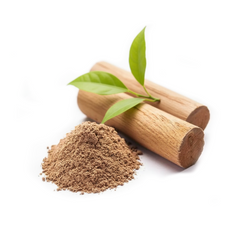
Sandalwood

20–25% of blend

Santalol molecules amplify vanilla’s lactonic and creamy facets, extending longevity and adding woody smoothness.

25%

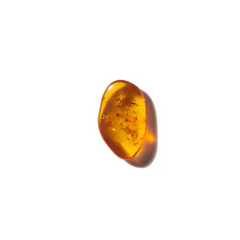
Benzoin

20–25% of blend

Rich in cinnamic acid esters, benzoin intensifies the balsamic, resinous warmth and enhances fixative power.

20%

Heliotropin

20% of blend

Heliotropin (piperonal) imparts powdery, almond-like nuances that bridge vanilla’s sweetness with florals and musks.

The Olfactory Layers

How Bourbon Vanilla Evolves on Skin

Bourbon Vanilla’s olfactory evolution spans hours: the initial diffusion is driven by volatile esters and alcohols, giving way to creamy, woody heart notes as vanillin and guaiacol derivatives emerge. The base persists for over 24 hours, anchored by non-volatile resinoids and phenolics.

I
Top notes
0–15 min
Creamy Lift

The opening is marked by a sweet, creamy vanilla lift, with fleeting floral-anisic and slightly boozy nuances from volatile esters and ethanol. These high-volatility compounds evaporate quickly, providing immediate diffusion and a sense of brightness.

creamyboozyfloral-anisic
II
Heart notes
20–60 min
Woody Warmth

As the top fades, the heart reveals a dense, woody-vanilla core. Vanillin and guaiacol derivatives dominate, supported by phenolic warmth and a hint of tobacco-leaf. The scent becomes rounder, with balsamic and resinous undertones.

woodybalsamictobacco
III
Base notes
Several hours
Balsamic Depth

The dry-down is persistent and enveloping, with animalic, smoky, and resinous facets. Non-volatile resinoids and vanillic acid provide long-lasting depth, while subtle musky and powdery notes linger on skin and textiles.

resinoussmokyanimalic
TOP NOTES Creamy Lift 0–15 minutes HEART NOTES Woody Warmth 20–60 minutes BASE NOTES Balsamic Depth Several hours
Through the Ages

The Story of Bourbon Vanilla in Perfumery

Bourbon Vanilla’s history in perfumery traces from Mesoamerican ritual use to its modern role as a cornerstone of gourmand and oriental fragrances.

Pre-Columbian Era

Mesoamerican Ritual Use

Vanilla planifolia is cultivated by the Totonac people of Mexico, used in ceremonial beverages and as a sacred offering. The Aztecs later blend vanilla with cacao and chili for royal drinks.

1841

Hand-Pollination Innovation

Edmond Albius, a 12-year-old enslaved boy on Réunion, invents the manual pollination technique that enables commercial vanilla cultivation outside Mexico, revolutionizing global supply.

1925

Guerlain Shalimar Launch

Jacques Guerlain introduces Shalimar, making natural vanilla absolute a signature base note in the emerging oriental fragrance family, paired with bergamot and iris.

2007

Tobacco Vanille by Tom Ford

Olivier Gillotin’s Tobacco Vanille elevates Bourbon Vanilla as a dominant, modern gourmand note, blending it with tobacco, cacao, and dried fruits for a new olfactory archetype.

2024

NEST Vanilla Bourbon Debuts

NEST New York releases Vanilla Bourbon Eau de Parfum, showcasing Bourbon Vanilla absolute with brown sugar, jasmine, and musk, reflecting the ingredient’s contemporary versatility.

The Art of Layering

How to Layer Bourbon Vanilla

Understanding how to layer Bourbon Vanilla involves selecting notes with compatible molecular structures, such as lactones, musks, and resinoids. This approach ensures a seamless, multi-dimensional scent profile. Here’s how to layer Bourbon Vanilla for maximum effect.

01

Enhance Sweetness

Layer Bourbon Vanilla with tonka bean or benzoin. Both contain coumarin and cinnamic esters, which amplify vanilla’s creamy, almond-like facets through olfactory synergy. Fragrances like Guerlain Shalimar and Maison Francis Kurkdjian Gentle Fluidity Gold demonstrate this pairing.

02

Add Depth

Combine Bourbon Vanilla with sandalwood or patchouli. Sandalwood’s santalol molecules reinforce vanilla’s lactonic smoothness, while patchouli’s patchoulol adds earthy, woody depth. Tom Ford Tobacco Vanille and Serge Lutens Un Bois Vanille utilize this technique.

03

Lighten the Glow

Pair Bourbon Vanilla with citrus notes (bergamot, orange) or white florals (jasmine, orange blossom). The shared aldehydes and floral esters create a bright, uplifting effect, as seen in NEST Vanilla Bourbon and Mix:Bar Vanilla Bourbon.

Wear It Right

How to Wear Bourbon Vanilla Like a Pro

Seasonal Guide

Fall & Winter

Cooler temperatures suppress volatility, allowing Bourbon Vanilla’s creamy, balsamic, and smoky notes to linger. Apply to pulse points under clothing to maximize warmth-driven diffusion and create an enveloping, comforting aura.

Spring

Moderate warmth enhances the projection of vanilla’s floral and woody facets. Layer with light florals or citrus for a balanced, uplifting effect. Apply sparingly to avoid overwhelming lighter seasonal scents.

Summer

High heat accelerates evaporation, intensifying top notes but shortening longevity. Use Bourbon Vanilla in lower concentrations or as a layering base with fresh, green notes. Apply to cooler areas (inner elbows, behind knees) for a softer effect.

Year-Round Tip

Adjust application based on humidity: in dry climates, moisturize skin to prolong vanilla’s creamy character; in humid conditions, opt for lighter formats or layer with citrus and herbal notes to maintain freshness.

Application Points

Strategic application enhances Bourbon Vanilla’s longevity and olfactory evolution.

1

Neck

Pulse points on the neck generate heat, accelerating the diffusion of top esters and enhancing the creamy, boozy opening. Ideal for immediate projection.

2

Behind the Ears

This area maintains warmth and moisture, allowing Bourbon Vanilla’s musky and woody heart notes to linger and evolve gradually.

3

Inner Wrists

Frequent movement and warmth boost sillage, highlighting vanilla’s creamy and balsamic facets. Avoid rubbing to preserve molecular integrity.

4

Hair

Hair fibers trap and slowly release Bourbon Vanilla’s heavier molecules, extending the scent’s presence and emphasizing its powdery, musky dry-down.

★

Pro Tip

Layer on well-moisturized skin or over unscented lotion to enhance tenacity. For maximum depth, apply to clothing fibers, which hold resinoids and vanillin for extended wear.

Mood Architecture™

Top Bourbon Vanilla Fragrances by Mood Score

These Bourbon Vanilla-based fragrances scored highest on the MEI™ Mood Architecture Framework — measuring how a scent may influence your emotional state.

Highest MEI Score
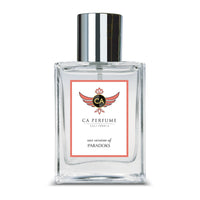
Paradoks — Paradoxe Alternative Perfume for Women
7.2
MEI™
Primary Romantic
Secondary Confident
Confidence
6.33
Presence
6.4
Mood Lift
8.22
Identity
6.3
Warmth
8.4
Social Ease
7.71
Energy
3.35
" I am beautiful.
View full mood profile →
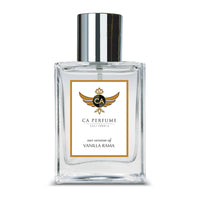
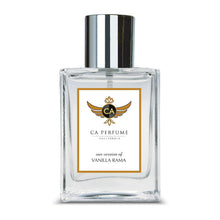
Vanilla Rama — Vanilla Diorama Alternative Perfume
7.0
MEI™
Primary Romantic
Secondary Confident
Confidence
6.54
Presence
6.92
Mood Lift
7.3
Identity
6.92
Warmth
9.21
Social Ease
6.51
Energy
3.68
" I am beautiful.
View full mood profile →
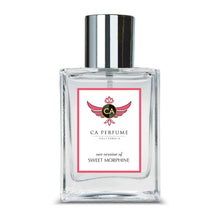
Sweet Morphine — Ex Nihilo Sweet Morphine Alternative Perfume
7.0
MEI™
Primary Romantic
Secondary Confident
Confidence
6.51
Presence
7.03
Mood Lift
7.6
Identity
7.15
Warmth
7.9
Social Ease
7.19
Energy
2.97
" I am beautiful.
View full mood profile →
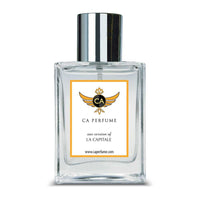
La Capitale — Xerjoff La Capitale Alternative Perfume
7.0
MEI™
Primary Romantic
Secondary Confident
Confidence
6.93
Presence
6.5
Mood Lift
7.25
Identity
6.78
Warmth
8.03
Social Ease
6.79
Energy
3.5
" I am beautiful.
View full mood profile →
HumanSafe™

Top Bourbon Vanilla Fragrances by HumanSafe™ Score

These Bourbon Vanilla-based fragrances have the highest product-level HumanSafe™ scores in this ingredient collection.

Highest HumanSafe™ Score
Voce Viva Intensa — Valentino Voce Viva Intensa Alternative Perfume
A-
HumanSafe™ Score Generally Safe
Safest Evaluated Ingredients EDP
AQUA Solvent / Carrier ISS 10.0
2-(1-(3',3'-DIMETHYL-1'-CYCLOHEXYL)ETHOXY)-2-METHYL PROPYL Evaluated ingredient ISS 10.0
1,4-DIOXACYCLOHEPTADECANE-5,17-DIONE Evaluated ingredient ISS 10.0
BENZYL SALICYLATE EYE IRRITATION - CAT. 2B [H320] Evaluated ingredient ISS 9.0
4H-INDEN-4-ONE, 1,2,3,5,6,7-HEXAHYDRO-1,1,2,3,3- Evaluated ingredient ISS 9.0
LINALYL ACETATE Evaluated ingredient ISS 7.0
View full safety profile →
Vanilla Rama — Vanilla Diorama Alternative Perfume
A-
HumanSafe™ Score Generally Safe
Safest Evaluated Ingredients EDP
AQUA Solvent / Carrier ISS 10.0
1,4-DIOXACYCLOHEPTADECANE-5,17-DIONE Evaluated ingredient ISS 10.0
AMBROXIDE Evaluated ingredient ISS 9.0
3-CYCLOPENTENE-1-ACETALDEHYDE, 2,2,3-TRIMETHYL-, Evaluated ingredient ISS 9.0
AMBERKETAL Evaluated ingredient ISS 8.0
2H-1-BENZOPYRAN-2-ONE Evaluated ingredient ISS 8.0
View full safety profile →
Sweet Morphine — Ex Nihilo Sweet Morphine Alternative Perfume
A-
HumanSafe™ Score Generally Safe
Safest Evaluated Ingredients EDP
AQUA Solvent / Carrier ISS 10.0
3-BUTEN-2-ONE, 4-(2,6,6-TRIMETHYL-1-CYCLOHEXEN-1-YL)- Evaluated ingredient ISS 10.0
1,4-DIOXACYCLOHEPTADECANE-5,17-DIONE Evaluated ingredient ISS 10.0
1H-3A,7-METHANOAZULEN-6-OL, OCTAHYDRO-3,6,8,8- Evaluated ingredient ISS 9.0
BENZENE, 1,2-DIMETHOXY-4-(1-PROPENYL)- Evaluated ingredient ISS 8.0
3-BUTEN-2-ONE, 3-METHYL-4-(2,6,6-TRIMETHYL-2- Evaluated ingredient ISS 8.0
View full safety profile →
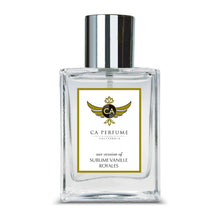
Sublime Vanille Royales — Sublime Vanille Royales Exclusives Alternative Perfume
A-
HumanSafe™ Score Generally Safe
Safest Evaluated Ingredients EDP
AQUA Solvent / Carrier ISS 10.0
AMBROXID Evaluated ingredient ISS 10.0
1,4-DIOXACYCLOHEPTADECANE-5,17-DIONE Evaluated ingredient ISS 10.0
AMBROXIDE Evaluated ingredient ISS 9.0
CITRAL Evaluated ingredient ISS 8.0
2H-1-BENZOPYRAN-2-ONE Evaluated ingredient ISS 8.0
View full safety profile →
Expert Voices

What Masters Say About Bourbon Vanilla

“
Bourbon vanilla is characterized by deeper, more complex balsamic and woody tones, with subtle animalistic and tobacco-like facets that are absent in Tahitian vanilla.
Arctander, 1960
“
Unlike synthetic vanillin, which isolates a single aromatic compound, Bourbon Vanilla contains the full spectrum of volatile and non-volatile constituents, resulting in a nuanced, evolving scent profile.
CA Perfume Editorial
Common Questions

Frequently Asked Questions

Answers to common questions about Bourbon Vanilla’s scent, usage, and performance in perfumery.

Bourbon Vanilla in perfume smells creamy, woody, and balsamic, with subtle tobacco and animalic undertones. Its scent is shaped by vanillin, guaiacol derivatives, and trace resinoids, resulting in a multi-layered aroma that evolves from a sweet, boozy opening to a deep, resinous dry-down. Fragrances like NEST Vanilla Bourbon and Tom Ford Tobacco Vanille exemplify this complex profile.

Bourbon Vanilla is classified as a base note in perfumery. Its high molecular weight and low volatility ensure it anchors the composition, providing lasting depth and warmth. It is typically used at concentrations of 0.5–5% and serves as both a fixative and a dominant theme in gourmand, amber, and oriental fragrances.

Niche perfumes favor Bourbon Vanilla for its natural complexity and evolving scent profile. Unlike synthetic vanillin, natural Bourbon Vanilla offers a nuanced blend of creamy, woody, and balsamic notes, with subtle animalic and tobacco nuances. Its versatility allows it to serve as both a dominant note and a harmonizing background, adapting to a wide range of olfactory styles.

Bourbon Vanilla fragrance uses include pairing with tonka bean, benzoin, sandalwood, patchouli, amber, and jasmine. These notes share molecular affinities—such as lactones, resinoids, and coumarins—that enhance vanilla’s creamy, woody, and balsamic facets, creating balanced, multi-dimensional accords.

Bourbon Vanilla can be worn in summer, but high temperatures accelerate its volatility, emphasizing top notes and shortening longevity. For hot weather, use lighter concentrations or layer with fresh, citrus, or green notes to maintain balance. Apply to cooler skin areas for a softer, less overwhelming effect.

Bourbon Vanilla fragrances are known for their longevity, often persisting 8–24 hours on skin and over 400 hours on a smelling strip. This is due to the low volatility of vanillin and resinoids, which anchor the scent through the base and dry-down phases.

Yes, Bourbon Vanilla is highly layerable. It blends well with other gourmands, woods, florals, and even citrus notes. Layering works best when complementary molecular structures—such as lactones, musks, and aldehydes—are present, ensuring a seamless, harmonious scent evolution.

Beginner-friendly Bourbon Vanilla perfumes include Mix:Bar Vanilla Bourbon (2021), NEST Vanilla Bourbon (2024), and Tom Ford Tobacco Vanille (2007). These fragrances showcase vanilla’s creamy, woody, and balsamic facets in accessible, balanced compositions suitable for daily wear.

To select the right Bourbon Vanilla fragrance at CA Perfume, consider your preferred scent profile—creamy, woody, smoky, or sweet—and desired concentration (EDP, Parfum, oil). CA Perfume’s HumanSafe™ platform ensures ingredient transparency and IFRA compliance, allowing you to choose based on both olfactory preference and ethical sourcing.

Bourbon Vanilla is primarily sweet and creamy, but it also exhibits woody, balsamic, and subtle spicy nuances due to its complex molecular composition. The sweetness is balanced by smoky, tobacco, and animalic undertones, making it more nuanced than simple synthetic vanillin.

Gourmand Collection

Explore Our Top Bourbon Vanilla Fragrances

Discover CA Perfume’s most popular Bourbon Vanilla fragrances, each showcasing the ingredient’s creamy, woody, and balsamic complexity in both classic and modern interpretations.

Shop all bourbon vanilla fragrances at CA Perfume →

Where Bourbon Vanilla Comes From — Origin & Extraction

Bourbon Vanilla is derived from the pods of Vanilla planifolia, a tropical orchid native to Mexico but now primarily cultivated in Madagascar, Réunion (formerly Île Bourbon), and the Comoros. Madagascar accounts for over 80% of global production, with annual yields exceeding 2,000 metric tons. The Bourbon designation refers to the unique hand-pollination and curing process developed on Réunion Island in the 19th century, which involves blanching, sweating, slow drying, and months-long curing to trigger enzymatic transformations. This process yields pods with high vanillin content (up to 2.5% by dry weight) and a distinctive creamy, woody, and tobacco-like aroma. Extraction for perfumery is typically performed via solvent extraction (using ethanol or hexane) to produce vanilla absolute, or by supercritical CO₂ extraction for a more complete aromatic profile. Vanilla tincture is also produced by macerating cured pods in food-grade ethanol at concentrations of 10–20% solids, yielding a dark, viscous liquid rich in both volatile and non-volatile constituents. Steam distillation is not used, as the key aromatic compounds degrade above 60°C. Natural Bourbon Vanilla absolute can cost $4,000–8,000 per kilogram, while synthetic vanillin (CAS 121-33-5) is available for $20–50 per kilogram. Sustainability concerns are significant: vanilla cultivation is labor-intensive, with each flower hand-pollinated and pods requiring 8–9 months to mature. The market is vulnerable to price spikes, crop theft, and climate impacts, prompting increasing interest in traceable, fair-trade, and regenerative vanilla supply chains.

Famous Fragrances That Define Bourbon Vanilla in Perfumery

Bourbon Vanilla has been a cornerstone of perfumery since the early 20th century, shaping the evolution of gourmand, amber, and oriental fragrance families. One of the earliest landmark uses is Guerlain’s Shalimar (1925, Jacques Guerlain), where natural vanilla absolute is paired with bergamot, iris, and opoponax to create a sensual, powdery base. In Tom Ford Tobacco Vanille (2007, Olivier Gillotin), Bourbon Vanilla is used as a dominant note, layered with tobacco leaf, dried fruits, and cacao for a rich, smoky gourmand effect. NEST Vanilla Bourbon Eau de Parfum (2024) features Bourbon Vanilla absolute as the central theme, complemented by brown sugar, orange bitters, jasmine, and musk, demonstrating the ingredient’s plush, ambery versatility. Mix:Bar Vanilla Bourbon (2021, Patricia Choux) modernizes the note by blending Madagascan vanilla with amber, sandalwood, and black pepper, resulting in a balanced, everyday-wearable gourmand. Shaman Perfumery Bourbon Vanilla (2025, Tada Archawong) explores the ingredient’s complexity by presenting both tincture and absolute forms alongside saffron, guaiacwood, heliotrope, and labdanum, referencing vanilla’s Mesoamerican heritage and 19th-century hand-pollination innovations. These fragrances illustrate Bourbon Vanilla’s adaptability as both a dominant and supporting note, often paired with amber, sandalwood, tobacco, spices, and florals. CA Perfume’s collection draws inspiration from this lineage, offering both classic and contemporary interpretations of Bourbon Vanilla’s multifaceted character.

Natural vs Synthetic Bourbon Vanilla in Perfumery

Natural Bourbon Vanilla is composed of a complex mixture of vanillin, vanillic acid, p-hydroxybenzaldehyde, guaiacol derivatives, and trace resinoids, resulting in a nuanced, evolving scent profile. In contrast, synthetic vanilla notes are primarily constructed from vanillin (CAS 121-33-5), ethyl vanillin (CAS 121-32-4), and heliotropin/piperonal (CAS 120-57-0). Synthetic vanillin is typically produced from guaiacol (petrochemical) or lignin (wood pulp byproduct), offering a strong, linear sweetness but lacking the balsamic, woody, and animalic subtleties of natural Bourbon Vanilla. Performance-wise, synthetic vanillin and ethyl vanillin offer high stability, diffusion, and batch-to-batch consistency, making them staples in mainstream perfumery. However, they can appear one-dimensional compared to the complexity and tenacity of natural vanilla absolute, which can last over 24 hours on skin and up to 400 hours on a smelling strip. Cost is a major differentiator: natural vanilla absolute is 100–200 times more expensive than synthetic vanillin. Iconic fragrances such as Guerlain Shalimar (1925) and Tom Ford Tobacco Vanille (2007) utilize both natural and synthetic vanilla materials to balance richness and projection. Sustainability and ethical sourcing are critical, as natural vanilla faces supply chain volatility and environmental pressures. The HumanSafe™ platform at CA Perfume provides ingredient transparency and traceability, ensuring all vanilla derivatives—natural or synthetic—are IFRA-compliant and ethically sourced.