Where Blueberry Comes From — Origin & Extraction
The blueberry note in perfumery is inspired by the fruit of shrubs in the genus Vaccinium, primarily Vaccinium corymbosum (highbush blueberry) and Vaccinium angustifolium (lowbush blueberry), native to North America and cultivated globally. Major producing countries include the United States (notably Maine and Michigan), Canada (Quebec and British Columbia), and Poland, each contributing unique aromatic nuances based on climate and soil. The U.S. leads global production, with annual yields exceeding 300,000 metric tons, while Canada and Poland are known for wild and intensely aromatic berries.
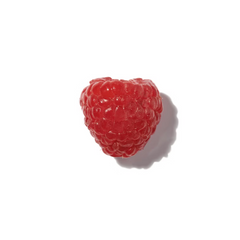
Despite the fruit’s popularity, direct extraction of blueberry for perfumery is impractical due to its extremely low volatile oil content. Supercritical CO2 extraction is used for phenolic and anthocyanin recovery in food and nutraceuticals, but not for aromatic isolates. Attempts at solvent extraction yield negligible aromatic material, and no commercial blueberry essential oil or absolute exists. Instead, the blueberry note is constructed as a synthetic accord using aroma chemicals such as ethyl 2-methylbutanoate, gamma-decalactone, methyl anthranilate, raspberry ketone, and beta-damascenone, each produced via laboratory synthesis or isolated from unrelated natural sources.
Natural blueberry absolute, when available for niche applications, is rare and costly, with prices ranging from $3,000–6,000/kg. In contrast, synthetic blueberry accords cost $50–200/kg, offering greater consistency and stability. Sustainability considerations favor synthetics, as large-scale extraction of natural blueberry would be environmentally and economically unfeasible. The synthetic approach ensures a reliable supply chain and minimizes ecological impact, aligning with modern perfumery’s transparency and sustainability goals.
Famous Fragrances That Define Blueberry in Perfumery
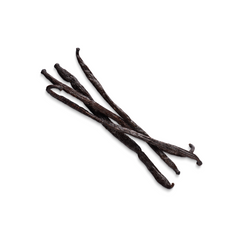
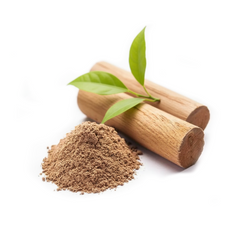
Blueberry has emerged as a distinctive note in contemporary perfumery, often used to impart a playful, juicy, or gourmand character. A landmark example is Vilhelm Parfumerie Poets of Berlin (2018, perfumer Jérôme Epinette), where blueberry is the dominant heart note, paired with lemon, vanilla, and sandalwood to create a creamy, vibrant signature. Moschino Toy 2 Bubble Gum (2021) features blueberry as a bridge note, linking sweet bubblegum facets with citrus and musk for a youthful, effervescent effect.
Lalique Amethyst (2007, Nathalie Lorson) is another iconic fragrance, where blueberry is woven with blackcurrant, musk, and peony, resulting in a fresh, fruity-floral composition. Bond No. 9 Bleecker Street (2005, David Apel) employs blueberry as an accent, adding a tart, green-fruity twist to a blend of violet leaf, thyme, and amber. Demeter Blueberry Cologne (year not specified) is a solinote interpretation, focusing on the pure, syrupy, and jam-like aspects of blueberry, with a transparent, gourmand finish.
Recent launches such as Fenty Eau de Parfum (2021, Jacques Cavallier) and Aromatix X French Avenue Frostbite (2025) continue to showcase blueberry as a versatile note, either as a dominant theme or a supporting nuance. CA Perfume’s collection draws inspiration from these benchmarks, offering blueberry-forward scents that balance playful sweetness with sophisticated depth.
Natural vs Synthetic Blueberry in Perfumery
Blueberry in perfumery is almost exclusively a synthetic construct, as the fruit contains insufficient volatile oil for direct extraction. Key synthetic molecules include ethyl 2-methylbutanoate (CAS 7452-79-1), which imparts green-apple brightness; gamma-decalactone (CAS 706-14-9), contributing creamy, peachy facets; and methyl anthranilate (CAS 134-20-3), which delivers grape-like, blue-purple nuances. Raspberry ketone (CAS 5471-51-2) and beta-damascenone (CAS 23726-93-4) add depth and cooked-fruit complexity.
Performance-wise, synthetic blueberry accords are prized for their stability, longevity (typically 4–6 hours in EDP formats), and batch-to-batch consistency. Natural blueberry absolute, when available, is highly variable and unstable, with a complex, sometimes unpredictable scent profile. Cost is a significant differentiator: synthetic blueberry accords are available at $50–200/kg, while natural extracts—rarely used—can exceed $3,000/kg. Notable fragrances such as Vilhelm Parfumerie Poets of Berlin and Moschino Toy 2 Bubble Gum rely on synthetic blueberry accords for their signature notes.
Sustainability and supply chain transparency are critical. Synthetic production reduces the environmental impact associated with large-scale fruit harvesting and ensures reliable availability. CA Perfume’s HumanSafe™ platform documents the origin and safety of each synthetic molecule used, ensuring full traceability and consumer confidence. The use of carefully selected, IFRA-compliant aroma chemicals allows for creative flexibility while maintaining high safety and environmental standards.