Ingredient Guide · Citrus Aromatic
Citrus Aromatic Family · Perfumery Note

Blood Orange

A vibrant citrus note with tart, berry-like undertones.

Blood orange is a heart and top note in perfumery, prized for its juicy, sweet-tart character and subtle berry nuance. Its defining aroma comes from anthocyanin-rich Citrus sinensis peel oil, typically used at 1–5% concentration for a radiant, nuanced citrus effect.

Blood Orange
Ingredient Profile

Blood Orange

Citrus Aromatic Family
Family Citrus Aromatic
Note Position Heart Note
Usage Level 1–5%
Key Origins Italy, Spain, United States
Iconic In Orange Sanguine, Playing With The Devil
The Ingredient

What does Blood Orange smell like and why is it prized in perfumery?

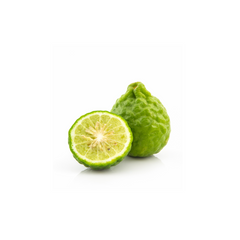
Blood orange (Citrus sinensis) is a mutation of the sweet orange, distinguished by its deep red flesh and peel, colored by anthocyanin pigments. In perfumery, blood orange essential oil is extracted from the fruit’s peel, delivering a scent profile that is both familiar and intriguingly complex. What does blood orange smell like? Its aroma is juicy and radiant, with a sweet-tart citrus core layered with berry-like undertones and a subtle hint of raspberry or red fruit. This complexity is attributed to the presence of anthocyanins, as well as volatile compounds such as limonene (up to 90% of the oil), myrcene, and aldehydes, which create a multifaceted olfactory experience distinct from standard orange. Blood orange in perfumery is typically classified as a top or heart note, depending on concentration and composition. It is used at 1–5% in most formulas, where it imparts a sparkling, juicy freshness that evolves into a more mellow, balsamic sweetness. Its volatility means it projects strongly at first, then softens as heavier molecules linger. On skin, blood orange interacts with individual pH and moisture levels, sometimes amplifying its tartness or revealing deeper, almost herbal nuances as the scent develops. Several modern fragrances exemplify the use of blood orange. Atelier Cologne’s Orange Sanguine (2010) is a benchmark, showcasing blood orange as a dominant note, paired with geranium and sandalwood for a photorealistic citrus effect. By Kilian’s Playing With The Devil (2013, perfumer Calice Becker) uses blood orange as a bridge between fruity and spicy notes, blending it with blackcurrant, white peach, and pimento for a complex, evolving scent. These examples highlight blood orange’s versatility and its ability to add both brightness and depth to contemporary compositions.

1–5%
Typical concentration of blood orange oil in fine fragrance formulas. This range balances projection and complexity without overwhelming the composition.
12–18 months
Shelf life of natural blood orange oil when stored in cool, dark conditions. High limonene content makes it prone to oxidation, so freshness is critical.
$80–120/kg
Average price for natural blood orange essential oil, reflecting the cost of cold pressing and seasonal harvests. Synthetic blends cost $20–30/kg.
Origin & Extraction

Where Blood Orange Comes From — Origin & Extraction

Blood orange’s scent character is shaped by Mediterranean climates, where cool nights and mineral-rich volcanic soils intensify anthocyanin development and aromatic complexity.

Blood orange (Citrus sinensis) is believed to have originated in the southern Mediterranean or China, with documented cultivation in Italy since the 18th century. Today, Sicily (Italy) is the world’s leading producer, accounting for over 60% of global blood orange output, particularly the Tarocco, Moro, and Sanguinello varieties. Spain and the United States (California) are also significant producers, though Italian blood oranges are prized for their intense color and flavor, a result of cool Mediterranean nights that promote anthocyanin development. In perfumery, blood orange essential oil is obtained exclusively from the fruit’s peel via cold pressing (expression). This mechanical process avoids heat, preserving the volatile aromatic compounds and preventing degradation of delicate molecules such as limonene, myrcene, and anthocyanins. Typical yields are 0.5–1.5% by weight of fresh peel. The resulting oil is a vibrant, orange-red liquid with high volatility and a shelf life of 12–18 months if stored properly. Cold pressing is preferred over steam distillation, which can destroy the fruit’s nuanced aroma and lead to off-notes. Natural blood orange oil is priced at $80–120 per kg, depending on origin and harvest conditions. Synthetic substitutes (e.g., orange aroma compounds blended with raspberry ketone or aldehydes) cost significantly less, around $20–30 per kg, but lack the complexity of the natural oil. Sustainability concerns center on monoculture farming and water use in Mediterranean regions, but blood orange cultivation is generally less resource-intensive than other citrus crops. Organic and PDO (Protected Designation of Origin) Sicilian blood orange oils are increasingly available, offering traceability and higher quality standards.

IT

Italy

Sicily’s Etna region is renowned for Tarocco and Moro blood oranges, with volcanic soils and cool nights producing intensely colored, aromatic fruit. Italy supplies over 60% of global blood orange oil, with PDO certification ensuring quality and traceability.

ES

Spain

Valencia and Andalusia regions produce Sanguinelli blood oranges, characterized by lighter pigmentation and a sweeter, less tart aroma. Spain accounts for 20% of global production, with harvests peaking in late winter.

US

United States

California’s Central Valley cultivates the Moro variety, with warm days and cool nights yielding fruit with a balanced sweet-tart profile. US production is smaller but valued for freshness and rapid processing.

Chemistry

Natural vs Synthetic Blood Orange in Perfumery

Natural blood orange oil is composed primarily of limonene (CAS 5989-27-5), with supporting roles from myrcene (CAS 123-35-3) and decanal (CAS 112-31-2). These molecules are responsible for the juicy, sweet-tart, and slightly balsamic profile of the oil. Synthetic blood orange notes are typically constructed using a blend of limonene, citral (CAS 5392-40-5), and raspberry ketone (CAS 5471-51-2) to mimic the berry nuance, sometimes with added aldehydes for brightness. Performance-wise, natural blood orange oil offers a more complex, evolving scent but is less stable—prone to oxidation and photodegradation, which can lead to off-odors and reduced longevity. Synthetic versions are more stable and consistent, with improved shelf life and batch-to-batch reliability, but may lack the subtle berry and herbal undertones found in the natural oil. Cost is a major differentiator: natural oil ranges from $80–120/kg, while synthetic blends can be produced for $20–30/kg. Famous fragrances such as Atelier Cologne Orange Sanguine and By Kilian Playing With The Devil use natural blood orange oil for authenticity, while mass-market products may rely on synthetics for cost and stability. Sustainability is a growing concern, with natural production favoring organic and PDO-certified sources. The HumanSafe™ platform at CA Perfume ensures full ingredient transparency, verifying both natural and synthetic sources for allergen compliance and traceability. In summary, natural blood orange offers greater olfactory depth, while synthetics provide stability and affordability; both play vital roles in modern perfumery.

Natural
Blood Orange Absolute
Cost $3,000–6,000/kg
Method Solvent / CO₂
Character Complex, variable
vs
Synthetic
Safranal & Analogues
Cost $50–200/kg
Method Lab synthesis
Character Consistent, stable
Hall of Fame

Famous Fragrances That Define Blood Orange in Perfumery

2010
dominant note

Orange Sanguine

Atelier Cologne
by Ralf Schwieger
geraniumsandalwood
2013
bridge note

Playing With The Devil

By Kilian
by Calice Becker
blackcurrantwhite peachpimento
2020
accent

Bitter Peach

Tom Ford
by Louise Turner
peachpatchouliblood orange
2011
dominant note

Lira

Xerjoff
by Chris Maurice
caramellavender
2014
accent

Empressa

Penhaligon’s
by Christian Provenzano
rosepeachamber

Blood orange has become a signature note in contemporary perfumery, prized for its juicy, tart, and subtly berry-like character. Atelier Cologne’s Orange Sanguine (2010, perfumer Ralf Schwieger) is widely regarded as the benchmark, featuring blood orange as the dominant note and setting a new standard for photorealistic citrus scents. By Kilian’s Playing With The Devil (2013, Calice Becker) uses blood orange as a bridge between fruity and spicy notes, paired with blackcurrant, white peach, and pimento for a multifaceted composition. Tom Ford’s Bitter Peach (2020, Louise Turner) incorporates blood orange alongside peach and patchouli, creating a sweet-tart opening that evolves into a warm, resinous base. Other notable examples include Xerjoff Lira (2011, Chris Maurice), where blood orange is blended with caramel and lavender to create a gourmand citrus effect, and Penhaligon’s Empressa (2014, Christian Provenzano), which uses blood orange to add freshness to a complex floral and woody structure. In each of these fragrances, blood orange functions as either a dominant note or a bridge, enhancing both the top and heart of the composition. CA Perfume’s collection draws inspiration from this lineage, offering blood orange-centered fragrances that highlight both its sparkling and nuanced facets.

The Accord

How is a captivating Blood Orange accord crafted?

A balanced blood orange accord typically blends Blood Orange (25–30%), Bergamot (20–25%), Raspberry (20–25%), and Sandalwood (25–30%). Blood orange provides the juicy, tart citrus core; bergamot adds sparkling green freshness via linalyl acetate and limonene; raspberry (often as raspberry ketone) enhances the berry nuance; sandalwood offers a creamy, woody base that anchors the volatile citrus molecules and extends the accord’s longevity.

30%

Blood Orange

25–30% of blend

Provides the juicy, tart citrus core, rich in limonene and anthocyanins, delivering both brightness and subtle berry undertones.

25%

Bergamot

20–25% of blend

Adds sparkling green freshness through linalyl acetate and limonene, enhancing the citrus top and supporting blood orange’s radiance.

25%

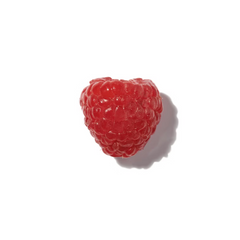
Raspberry

20–25% of blend

Contributes berry-like nuance via raspberry ketone, reinforcing the unique sweet-tart profile of blood orange.

30%

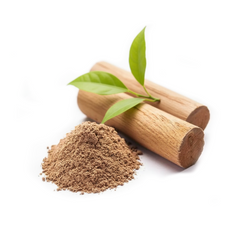
Sandalwood

25–30% of blend

Provides a creamy, woody base, rich in santalol, which anchors volatile citrus molecules and prolongs the accord’s evolution.

The Olfactory Layers

How Blood Orange Evolves on Skin

Blood orange’s olfactory evolution begins with a burst of volatile citrus aldehydes and limonene, quickly transitioning to berry-like and balsamic facets as heavier molecules linger. The top note dissipates within 15–20 minutes, revealing a softer, sweeter heart and a subtle, woody base.

I
Top notes
0–15 min
Juicy Citrus Burst

The initial impression is a vivid, juicy burst of citrus, dominated by limonene and aldehydes. This stage is marked by high volatility, with rapid evaporation delivering a fresh, tangy, and slightly tart aroma reminiscent of freshly cut blood orange peel.

JuicyTartRadiant
II
Heart notes
20–60 min
Berry-Tart Sweetness

As the top fades, berry-like undertones emerge, driven by anthocyanin-derived compounds and raspberry ketone. The scent becomes rounder and sweeter, with subtle floral and balsamic nuances, blending citrus with red fruit and a hint of herbal depth.

BerrySweetBalsamic
III
Base notes
Several hours
Soft Woody Drydown

The drydown is soft and slightly woody, as sandalwood and residual citrus molecules linger. The balsamic sweetness persists, with faint traces of vanilla or resin if present in the composition, anchoring the fleeting citrus brightness.

WoodySoftBalsamic
TOP NOTES Juicy Citrus Burst 0–15 minutes HEART NOTES Berry-Tart Sweetness 20–60 minutes BASE NOTES Soft Woody Drydown Several hours
Through the Ages

The Story of Blood Orange in Perfumery

Blood orange’s journey in perfumery spans from Mediterranean orchards to modern niche fragrances, evolving with advances in extraction and formulation.

18th century

Cultivation in Sicily

Blood orange varieties such as Tarocco and Moro are first cultivated in Sicily, Italy, where unique climate conditions enable anthocyanin development and distinctive aroma.

1920s

Introduction to Essential Oil Production

Cold pressing of blood orange peel becomes standard in Italian citrus oil production, supplying both food and fragrance industries with high-quality essential oil.

2010

Launch of Atelier Cologne Orange Sanguine

Atelier Cologne releases Orange Sanguine, establishing blood orange as a dominant note in modern perfumery and inspiring a wave of citrus-centric compositions.

2013

By Kilian Playing With The Devil

Calice Becker’s composition uses blood orange as a bridge between fruity and spicy notes, demonstrating its versatility in complex, layered fragrances.

2020

Tom Ford Bitter Peach

Louise Turner incorporates blood orange into a sweet-tart, gourmand composition, highlighting its role in contemporary niche perfumery.

The Art of Layering

How to Layer Blood Orange

Understanding how to layer blood orange is key to maximizing its olfactory impact. At a molecular level, blood orange’s limonene and berry-like ketones pair well with both florals and gourmands, creating complex, evolving blends.

01

Enhance Sweetness

Layer blood orange with vanilla or tonka bean fragrances. Vanillin and coumarin molecules in these notes mask the tartness of limonene, resulting in a creamy, dessert-like accord. This combination is exemplified in Xerjoff Lira, where caramel and vanilla round out the citrus opening.

02

Add Depth

Pair blood orange with woody or resinous notes such as sandalwood or amber. The santalol in sandalwood acts as a fixative, anchoring volatile citrus molecules and extending longevity. Tom Ford Bitter Peach demonstrates this synergy, with patchouli and sandalwood grounding the sweet-tart top.

03

Lighten the Glow

Combine blood orange with green or aquatic notes (e.g., bergamot, neroli, or watery accords). The shared aldehydes and esters create a seamless, sparkling freshness, as seen in Atelier Cologne Orange Sanguine, where geranium and sandalwood add lift and structure.

Wear It Right

How to Wear Blood Orange Like a Pro

Seasonal Guide

Fall & Winter

Cooler temperatures slow the evaporation of volatile citrus molecules, allowing blood orange’s tart and berry-like facets to linger longer. Apply to pulse points under clothing to maximize warmth-driven diffusion and enjoy a more rounded, mellow evolution.

Spring

Spring’s moderate temperatures and rising humidity enhance the juicy, fresh qualities of blood orange. The scent projects well and evolves smoothly, making it ideal for daytime wear and layering with florals or green notes.

Summer

Heat accelerates volatility, causing blood orange’s top notes to evaporate quickly and intensify the initial projection. Apply lightly to avoid overwhelming the senses, and consider layering with woody or aquatic notes to extend longevity.

Year-Round Tip

For consistent performance, apply blood orange fragrances to well-moisturized skin and avoid direct sunlight to minimize photodegradation. Layering with fixative-rich bases (e.g., sandalwood or amber) can help anchor the fleeting citrus brightness.

Application Points

Strategic application maximizes blood orange’s projection and longevity, especially given its volatility.

1

Neck

Applying to the neck leverages body heat to enhance the initial citrus burst, but the scent may dissipate quickly due to high volatility.

2

Behind the Ears

This area is less exposed to air and sunlight, allowing blood orange’s heart notes to linger and evolve more gradually.

3

Inner Wrists

Pulse points on the wrists amplify projection, but frequent movement and handwashing can reduce longevity; reapplication may be necessary.

4

Hair

Spraying on hair provides a subtle, long-lasting diffusion as the scent is released with movement, but alcohol-based sprays may cause dryness.

Pro Tip

Layer blood orange fragrances over an unscented moisturizer or body oil to slow evaporation and extend the scent’s evolution.

Mood Architecture™

Top Blood Orange Fragrances by Mood Score

These Blood Orange-based fragrances scored highest on the MEI™ Mood Architecture Framework — measuring how a scent may influence your emotional state.

Highest MEI Score
Interdict Rouge — L'interdit Rouge Alternative Perfume
8.0
MEI™
Primary Fresh
Secondary Confident
Confidence
7.46
Presence
8.44
Mood Lift
9.44
Identity
8.01
Warmth
8.36
Social Ease
7.13
Energy
4.3
" I am radiant.
View full mood profile →
Chancellor Vive — Chance Eau Vive Alternative Perfume
7.17
MEI™
Primary Fresh
Secondary Confident
Confidence
6.89
Presence
7.19
Mood Lift
8.55
Identity
6.85
Warmth
6.21
Social Ease
7.1
Energy
4.5
" I am radiant.
View full mood profile →
Christ Homme Sport — Sport Alternative Cologne
6.76
MEI™
Primary Fresh
Secondary Energizing
Confidence
6.3
Presence
6.03
Mood Lift
8.25
Identity
5.07
Warmth
6.21
Social Ease
6.84
Energy
6.6
" I am radiant.
View full mood profile →
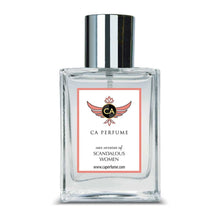
Scandalous Women — Scandal Alternative Perfume
6.66
MEI™
Primary Romantic
Secondary Confident
Confidence
5.62
Presence
5.99
Mood Lift
7.78
Identity
5.64
Warmth
8.45
Social Ease
6.66
Energy
3.0
" I am beautiful.
View full mood profile →
HumanSafe™

Top Blood Orange Fragrances by HumanSafe™ Score

These Blood Orange-based fragrances have the highest product-level HumanSafe™ scores in this ingredient collection.

Highest HumanSafe™ Score
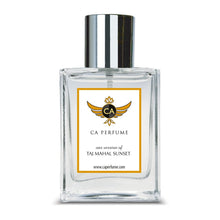
Taj Mahal Sunset — Taj Sunset Alternative Perfume
A-
HumanSafe™ Score Generally Safe
Safest Evaluated Ingredients EDP
AQUA Solvent / Carrier ISS 10.0
HEXYL SALICYLATE Evaluated ingredient ISS 9.0
OCTANAL, 2-(PHENYLMETHYLENE)- Evaluated ingredient ISS 8.0
LINALYL ACETATE Evaluated ingredient ISS 7.0
LINALOOL Evaluated ingredient ISS 7.0
CYCLOPENTANONE, 2-[2-(4-METHYL-3-CYCLOHEXEN-1- Evaluated ingredient ISS 7.0
View full safety profile →
Scandalous Women — Scandal Alternative Perfume
A-
HumanSafe™ Score Generally Safe
Safest Evaluated Ingredients EDP
AQUA Solvent / Carrier ISS 10.0
ACETIC ACID, PHENYLMETHYL ESTER Evaluated ingredient ISS 10.0
BENZYL SALICYLATE Evaluated ingredient ISS 9.0
7-OCTEN-2-OL, 2,6-DIMETHYL- Evaluated ingredient ISS 9.0
LINALYL ACETATE Evaluated ingredient ISS 7.0
View full safety profile →
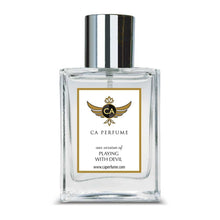
Playing With Devil — Playing With The Devil Alternative Perfume
A-
HumanSafe™ Score Generally Safe
Safest Evaluated Ingredients EDP
AQUA Solvent / Carrier ISS 10.0
1,4-DIOXACYCLOHEPTADECANE-5,17-DIONE Evaluated ingredient ISS 10.0
3-CYCLOPENTENE-1-ACETALDEHYDE, 2,2,3-TRIMETHYL-, Evaluated ingredient ISS 9.0
ALCOHOL DENAT. Solvent / Carrier ISS 7.0
2-BUTEN-1-OL, 2-ETHYL-4-(2,2,3-TRIMETHYL-3- Evaluated ingredient ISS 7.0
1-[(2-TERT-BUTYL)CYCLOHEXYLOXY]-2-BUTANOL Evaluated ingredient ISS 7.0
View full safety profile →
Kallan — Kalan Alternative Perfume
#4
Kallan — Kalan Alternative Perfume
Starting from $14.99
A-
HumanSafe™ Score Generally Safe
Safest Evaluated Ingredients EDP
AQUA Solvent / Carrier ISS 10.0
1,4-DIOXACYCLOHEPTADECANE-5,17-DIONE Evaluated ingredient ISS 10.0
4H-INDEN-4-ONE, 1,2,3,5,6,7-HEXAHYDRO-1,1,2,3,3- Evaluated ingredient ISS 9.0
2H-1-BENZOPYRAN-2-ONE Evaluated ingredient ISS 8.0
BENZOIC ACID, 2,4-DIHYDROXY-3,6-DIMETHYL-, METHYL Evaluated ingredient ISS 7.0
ALCOHOL DENAT. Solvent / Carrier ISS 7.0
View full safety profile →
Expert Voices

What Masters Say About Blood Orange

Blood orange essential oil has a warm, radiant and tangy, balsamic, sweet and fruity aroma; the oil is extracted via the method of cold pressing.
Dr. Chandra Shekhar Gupta, Fragrantica
Blood orange’s scent profile is prized for its juicy, tart citrus core and subtle berry undertones, making it a versatile note in both fresh and gourmand compositions.
CA Perfume Editorial
Common Questions

Frequently Asked Questions

Answers to common questions about blood orange in perfumery.

Blood orange in perfume delivers a juicy, tart citrus aroma with a sweet-tart core and subtle berry-like undertones. Its complexity comes from limonene and anthocyanins, which create a scent that is both familiar and nuanced. The result is a vibrant, mouthwatering top note that evolves into a softer, balsamic heart, as seen in fragrances like Atelier Cologne Orange Sanguine and By Kilian Playing With The Devil.

Blood orange is typically used as a top or heart note in fragrance compositions. Its high volatility means it projects strongly in the opening, delivering a vivid citrus burst, but it can also persist into the heart thanks to its berry and balsamic undertones. In most formulas, it is present at 1–5% concentration.

Blood orange is favored in niche perfumery for its unique combination of juicy citrus brightness and subtle berry complexity. Its ability to bridge fresh, fruity, and gourmand accords allows perfumers to create innovative, layered scents. The note’s Mediterranean heritage and association with artisanal extraction also appeal to niche fragrance enthusiasts.

Blood orange fragrance uses often include pairing with bergamot, raspberry, sandalwood, vanilla, and patchouli. These notes complement its sweet-tart character, with vanilla and sandalwood anchoring the citrus, and raspberry or blackcurrant amplifying the berry nuance. Floral notes like rose and jasmine also blend seamlessly with blood orange.

Blood orange is well suited to summer and hot weather due to its refreshing, juicy profile. However, high temperatures can accelerate evaporation, causing the scent to dissipate more quickly. To maximize longevity, apply lightly and consider layering with woody or resinous bases to anchor the citrus brightness.

Blood orange’s high volatility means its top note projects strongly for 15–30 minutes, with berry and balsamic undertones lingering for 2–4 hours in Eau de Parfum concentrations. Longevity can be extended by layering with fixative-rich notes or applying to moisturized skin.

Yes, blood orange is highly layerable. It pairs well with vanilla, sandalwood, and florals, as well as other citrus notes. Layering enhances complexity and can extend longevity, as seen in compositions like Tom Ford Bitter Peach and Xerjoff Lira.

For those new to blood orange, Atelier Cologne Orange Sanguine and Shay & Blue Blood Oranges are excellent starting points, offering photorealistic citrus profiles. By Kilian Playing With The Devil and Xerjoff Lira provide more complex, layered interpretations.

Consider your preferred style: for a pure, juicy citrus, select fragrances where blood orange is the dominant note. For a more complex or gourmand effect, look for blends with vanilla, caramel, or woods. CA Perfume’s collection offers both fresh and layered options, with full ingredient transparency via the HumanSafe™ platform.

Blood orange balances both sweet and tart facets. The initial impression is juicy and tangy, with a sweet-tart citrus core. As the scent evolves, berry-like and balsamic notes add sweetness, while the tartness softens, resulting in a rounded, complex finish.

Citrus Aromatic Collection

Explore Our Top Blood Orange Fragrances

Discover the most popular blood orange-centered scents in our collection, from pure citrus to complex, layered compositions.

Shop all blood orange fragrances at CA Perfume →

Where Blood Orange Comes From — Origin & Extraction

Blood orange (Citrus sinensis) is believed to have originated in the southern Mediterranean or China, with documented cultivation in Italy since the 18th century. Today, Sicily (Italy) is the world’s leading producer, accounting for over 60% of global blood orange output, particularly the Tarocco, Moro, and Sanguinello varieties. Spain and the United States (California) are also significant producers, though Italian blood oranges are prized for their intense color and flavor, a result of cool Mediterranean nights that promote anthocyanin development. In perfumery, blood orange essential oil is obtained exclusively from the fruit’s peel via cold pressing (expression). This mechanical process avoids heat, preserving the volatile aromatic compounds and preventing degradation of delicate molecules such as limonene, myrcene, and anthocyanins. Typical yields are 0.5–1.5% by weight of fresh peel. The resulting oil is a vibrant, orange-red liquid with high volatility and a shelf life of 12–18 months if stored properly. Cold pressing is preferred over steam distillation, which can destroy the fruit’s nuanced aroma and lead to off-notes. Natural blood orange oil is priced at $80–120 per kg, depending on origin and harvest conditions. Synthetic substitutes (e.g., orange aroma compounds blended with raspberry ketone or aldehydes) cost significantly less, around $20–30 per kg, but lack the complexity of the natural oil. Sustainability concerns center on monoculture farming and water use in Mediterranean regions, but blood orange cultivation is generally less resource-intensive than other citrus crops. Organic and PDO (Protected Designation of Origin) Sicilian blood orange oils are increasingly available, offering traceability and higher quality standards.

Famous Fragrances That Define Blood Orange in Perfumery

Blood orange has become a signature note in contemporary perfumery, prized for its juicy, tart, and subtly berry-like character. Atelier Cologne’s Orange Sanguine (2010, perfumer Ralf Schwieger) is widely regarded as the benchmark, featuring blood orange as the dominant note and setting a new standard for photorealistic citrus scents. By Kilian’s Playing With The Devil (2013, Calice Becker) uses blood orange as a bridge between fruity and spicy notes, paired with blackcurrant, white peach, and pimento for a multifaceted composition. Tom Ford’s Bitter Peach (2020, Louise Turner) incorporates blood orange alongside peach and patchouli, creating a sweet-tart opening that evolves into a warm, resinous base. Other notable examples include Xerjoff Lira (2011, Chris Maurice), where blood orange is blended with caramel and lavender to create a gourmand citrus effect, and Penhaligon’s Empressa (2014, Christian Provenzano), which uses blood orange to add freshness to a complex floral and woody structure. In each of these fragrances, blood orange functions as either a dominant note or a bridge, enhancing both the top and heart of the composition. CA Perfume’s collection draws inspiration from this lineage, offering blood orange-centered fragrances that highlight both its sparkling and nuanced facets.

Natural vs Synthetic Blood Orange in Perfumery

Natural blood orange oil is composed primarily of limonene (CAS 5989-27-5), with supporting roles from myrcene (CAS 123-35-3) and decanal (CAS 112-31-2). These molecules are responsible for the juicy, sweet-tart, and slightly balsamic profile of the oil. Synthetic blood orange notes are typically constructed using a blend of limonene, citral (CAS 5392-40-5), and raspberry ketone (CAS 5471-51-2) to mimic the berry nuance, sometimes with added aldehydes for brightness. Performance-wise, natural blood orange oil offers a more complex, evolving scent but is less stable—prone to oxidation and photodegradation, which can lead to off-odors and reduced longevity. Synthetic versions are more stable and consistent, with improved shelf life and batch-to-batch reliability, but may lack the subtle berry and herbal undertones found in the natural oil. Cost is a major differentiator: natural oil ranges from $80–120/kg, while synthetic blends can be produced for $20–30/kg. Famous fragrances such as Atelier Cologne Orange Sanguine and By Kilian Playing With The Devil use natural blood orange oil for authenticity, while mass-market products may rely on synthetics for cost and stability. Sustainability is a growing concern, with natural production favoring organic and PDO-certified sources. The HumanSafe™ platform at CA Perfume ensures full ingredient transparency, verifying both natural and synthetic sources for allergen compliance and traceability. In summary, natural blood orange offers greater olfactory depth, while synthetics provide stability and affordability; both play vital roles in modern perfumery.