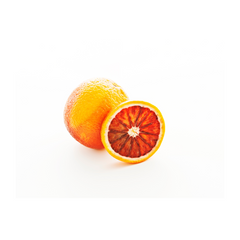
Ingredient Guide · Amber Spicy
Amber Spicy Family · Perfumery Note

Blood Mandarin

A lively citrus note with sweet-tart brightness

Blood Mandarin is a top citrus note in perfumery known for its juicy, vibrant scent blending sweet orange sweetness with tangy tartness. It contains limonene and gamma-terpinene as key molecules, typically used at 1-3% concentration.

Blood Mandarin
Ingredient Profile

Blood Mandarin

Amber Spicy Family
Family Amber Spicy
Note Position Top Note
Usage Level 1–3%
Key Origins Spain, Italy, United States
Iconic In Grand Soir, Spicebomb Metallic Musk
The Ingredient

What does Blood Mandarin smell like and why is it so special?

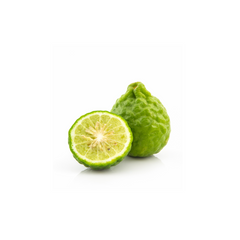
Blood Mandarin is a citrus fruit from the Citrus reticulata species, distinguished by its deep red-orange peel and juicy flesh. Its scent profile is characterized by a sweet-tart balance combining the sweetness of ripe oranges with a tangy, slightly acidic undertone. Chemically, its aroma is dominated by limonene and gamma-terpinene, which contribute to its fresh, juicy, and vibrant character. Floral undertones add complexity, making it more nuanced than standard mandarins. In perfumery, Blood Mandarin is primarily used as a top note due to its high volatility and fresh brightness. It typically appears at concentrations between 1% and 3% in fragrance compositions. Its lively scent adds an invigorating and cheerful opening that interacts dynamically with skin chemistry, often evolving to reveal softer floral and fruity nuances as it warms on the skin. Notable fragrances featuring Blood Mandarin include Maison Francis Kurkdjian's Grand Soir (2016), where it adds a fresh citrus brightness to amber and vanilla accords, and Viktor&Rolf's Spicebomb Metallic Musk (2020), which uses it to provide a sparkling contrast to heavy musk notes. These examples demonstrate Blood Mandarin's versatility in both fresh and complex compositions.

1–3%
Typical concentration range of Blood Mandarin essential oil in perfume formulations, balancing freshness with longevity.
0.5–1.5%
Extraction yield of Blood Mandarin essential oil from fruit peel via cold pressing, indicating efficiency and cost factors.
0.5%
IFRA maximum concentration limit for limonene in leave-on products, relevant to Blood Mandarin safety compliance.
Origin & Extraction

Where Blood Mandarin Comes From — Origin & Extraction

Blood Mandarin's scent character is shaped by its growing regions, where soil composition, climate, and cultivation methods influence its aromatic profile. Mediterranean and subtropical climates with rich, well-drained soils produce fruit with balanced sweetness and tartness, contributing to its vibrant fragrance.

Blood Mandarin originates from Citrus reticulata, a species cultivated primarily in Mediterranean and subtropical regions. Key producing countries include Spain, Italy, and the United States (notably California). Spain accounts for a significant share of global Blood Mandarin production, known for its sweet, juicy fruit with vibrant aromatic qualities. Italy's sun-drenched regions produce Blood Mandarins with a rich, slightly tart aroma, while California's cooler climates yield fruit with enhanced tartness. Extraction of Blood Mandarin essential oil is predominantly achieved through cold pressing (expression) of the fruit peel. This mechanical process preserves the delicate aromatic compounds such as limonene and gamma-terpinene by avoiding heat degradation. Typical yields range from 0.5% to 1.5% oil by weight of peel. The oil is then purified to remove impurities and ensure quality. Natural Blood Mandarin oil commands prices ranging from $300 to $800 per kilogram, depending on quality and origin. Synthetic aroma chemicals replicating Blood Mandarin's scent, such as limonene (CAS 5989-27-5) and gamma-terpinene (CAS 99-85-4), are significantly less expensive, costing approximately $10 to $50 per kilogram. Sustainability efforts focus on reducing waste from fruit processing and promoting organic cultivation practices to minimize pesticide use.

ES

Spain

Spain's Valencia and Murcia regions produce Blood Mandarins with sweet, juicy qualities and vibrant aroma. The Mediterranean climate with warm days and cool nights enhances essential oil development. Spain holds approximately 30% of the global production, with traditional hand-harvesting methods preserving fruit quality.

IT

Italy

Sicily and Calabria in Italy cultivate Blood Mandarins benefiting from sun-drenched landscapes and volcanic soils. These conditions yield fruit with a rich aroma combining sweetness and tartness. Italy accounts for about 20% of global production, with PDO designations protecting quality standards.

US

United States

California's Central Valley and coastal areas produce Blood Mandarins with a fresher, more tart profile due to cooler coastal breezes. The region contributes roughly 15% of the market, employing mechanized harvesting and cold storage to maintain freshness for perfumery use.

BR

Brazil

Brazil cultivates Blood Mandarins in subtropical regions with high rainfall and fertile soils. The fruit tends to have a juicier, sweeter profile. Brazil's production is growing, focusing on sustainable farming practices to reduce environmental impact.

Chemistry

Natural vs Synthetic Blood Mandarin in Perfumery

Natural Blood Mandarin essential oil is prized for its complex, multifaceted aroma, which includes subtle floral and fruity undertones alongside its characteristic citrus brightness. Key natural compounds include limonene, gamma-terpinene, and linalool, which contribute to its fresh and juicy profile. However, natural oils can vary in scent intensity and quality due to factors such as harvest conditions and extraction methods. Synthetic substitutes focus on replicating the main aroma chemicals, primarily limonene (CAS 5989-27-5), gamma-terpinene (CAS 99-85-4), and citral (CAS 5392-40-5). These synthetics offer greater consistency, longer shelf life, and improved stability in formulations. They also provide cost advantages, with synthetic aroma chemicals costing a fraction of natural oils. Famous fragrances like Escentric Molecules Molecule 01 + Mandarin utilize synthetic molecules enhanced by natural mandarin notes to achieve a clean, airy presence with vibrant freshness. Natural Blood Mandarin is favored in niche and artisanal perfumes for its authenticity and complexity, while synthetics are common in mass-market products for economic and stability reasons. The HumanSafe™ platform emphasizes transparency in ingredient sourcing and safety, ensuring that both natural and synthetic Blood Mandarin materials meet rigorous standards for consumer health and environmental impact.

Natural
Blood Mandarin Absolute
Cost $3,000–6,000/kg
Method Solvent / CO₂
Character Complex, variable
vs
Synthetic
Safranal & Analogues
Cost $50–200/kg
Method Lab synthesis
Character Consistent, stable
Hall of Fame

Famous Fragrances That Define Blood Mandarin in Perfumery

2016
accent note

Grand Soir

Maison Francis Kurkdjian
by Francis Kurkdjian
ambervanillabenzoin
2020
top note

Spicebomb Metallic Musk

Viktor&Rolf
by Olivier Polge
muskspicesamber
2011
dominant note

Mandarino di Sicilia

Acqua di Parma
bergamotnerolilemon
2012
top note

Lime Basil & Mandarin

Jo Malone London
basillimemandarin
2000
top note

Oyédo

Diptyque
limethymecandied citrus

Blood Mandarin has been featured in several landmark fragrances over the past two decades, showcasing its versatility as a fresh, juicy citrus note. Maison Francis Kurkdjian's Grand Soir (2016), crafted by Francis Kurkdjian, uses Blood Mandarin to introduce a bright citrus opening that contrasts with warm amber and vanilla base notes, creating a balanced oriental composition. Viktor&Rolf's Spicebomb Metallic Musk (2020), by perfumer Olivier Polge, employs Blood Mandarin as a sparkling top note to offset the heavy musk and spicy accords, adding a refreshing lift to the fragrance. Acqua di Parma's Mandarino di Sicilia (2011) highlights Blood Mandarin's Mediterranean origins, pairing it with bergamot and neroli for a radiant, summery eau de toilette. Jo Malone London's Lime Basil & Mandarin (2012) features Blood Mandarin as part of a citrus-herbal accord, blending it with basil and lime for a crisp, sophisticated scent. Diptyque's Oyédo (2000) incorporates Blood Mandarin in a candied citrus composition, combining it with lime and thyme for a sweet yet complex fragrance. CA Perfume Editorial notes that these fragrances exemplify Blood Mandarin's role in bridging fresh citrus brightness with floral, spicy, and woody elements, underscoring its dynamic presence in modern perfumery.

The Accord

How is a captivating Blood Mandarin accord crafted?

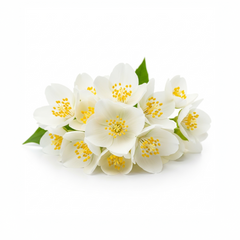
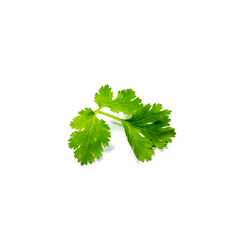
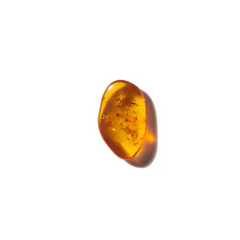
A Blood Mandarin accord is constructed by blending 25-30% Blood Mandarin with complementary notes that enhance its juicy, vibrant character. Jasmine (20-25%) adds floral richness that softens the citrus acidity through shared linalool and indole compounds, creating a lush heart. Coriander (15-20%) introduces subtle spiciness via its aldehydes and terpenes, balancing freshness with warmth. Amber (20-25%) provides a warm, resinous base with vanillin and benzyl acetate, grounding the bright top notes. White Musk (15-20%) imparts a clean, airy finish through synthetic musk molecules like galaxolide, enhancing longevity and softness.

30%

Blood Mandarin

25–30% of blend

The key ingredient providing juicy, sweet-tart citrus brightness dominated by limonene and gamma-terpinene.

25%

Jasmine

20–25% of blend

Adds floral richness and softens acidity through shared linalool and indole compounds, enhancing complexity.

20%

Coriander

15–20% of blend

Contributes subtle spiciness and aromatic complexity via aldehydes and terpenes, balancing freshness with warmth.

25%

Amber

20–25% of blend

Provides warm, resinous depth with vanillin and benzyl acetate, grounding the bright citrus notes.

20%

White Musk

15–20% of blend

Imparts a clean, airy finish and enhances longevity through synthetic musk molecules like galaxolide.

The Olfactory Layers

How Blood Mandarin Evolves on Skin

Blood Mandarin's olfactory pyramid begins with a bright, juicy citrus burst dominated by volatile monoterpenes like limonene evaporating within 0–15 minutes. The heart reveals floral and slightly spicy undertones as mid-volatility compounds emerge between 20–60 minutes. The base settles into a warm, soft finish with musk and amber notes persisting for several hours, providing depth and longevity.

I
Top notes
0–15 min
Juicy Citrus Burst

The initial impression is a vibrant, juicy citrus burst characterized by limonene and gamma-terpinene, which evaporate rapidly to deliver freshness and brightness. This stage is perceived as sparkling and invigorating, setting an energetic tone.

JuicyBrightSparkling
II
Heart notes
20–60 min
Floral and Spicy Nuances

Floral undertones from jasmine and subtle spiciness from coriander emerge as the citrus top notes fade. These mid-volatility molecules provide complexity and soften the initial sharpness, creating a harmonious and inviting heart.

FloralSpicyComplex
III
Base notes
Several hours
Warm and Soft Finish

The fragrance dries down to a warm, resinous base with amber and white musk. These low-volatility compounds like vanillin and synthetic musks provide lasting softness, depth, and a clean finish that lingers on the skin.

WarmResinousSoft
TOP NOTES Juicy Citrus Burst 0–15 minutes HEART NOTES Floral and Spicy Nuances 20–60 minutes BASE NOTES Warm and Soft Finish Several hours
Through the Ages

The Story of Blood Mandarin in Perfumery

Blood Mandarin's history in perfumery traces from ancient cultivation in China to modern niche fragrance use, highlighting key milestones in extraction and popularization.

Antiquity

Origin in Ancient China

Blood Mandarin, a variety of Citrus reticulata, was cultivated in ancient China, valued for its bright fruit and fragrant peel used in traditional medicine and rituals.

19th Century

Introduction to European Perfumery

Blood Mandarin essential oil began to be used in European perfumery, extracted by cold pressing to capture its fresh citrus aroma, becoming a staple in colognes and fresh scents.

2000

Diptyque Oyédo Launch

Diptyque released Oyédo, a fragrance featuring Blood Mandarin in a candied citrus composition, showcasing its versatility in modern niche perfumery.

2011

Acqua di Parma Mandarino di Sicilia

Acqua di Parma launched Mandarino di Sicilia, highlighting Blood Mandarin's Mediterranean origins and fresh citrus character in a popular eau de toilette.

2016

Maison Francis Kurkdjian Grand Soir

Francis Kurkdjian incorporated Blood Mandarin as a bright accent in Grand Soir, blending it with amber and vanilla to create a sophisticated oriental fragrance.

The Art of Layering

How to Layer Blood Mandarin

Understanding how to layer Blood Mandarin involves recognizing molecular compatibilities and olfactory masking effects to create harmonious blends.

01

Enhance Sweetness

Pair Blood Mandarin with vanilla, which contains vanillin that masks the citrus sharpness and enhances perceived sweetness. This molecular masking softens acidity, as seen in fragrances like Maison Francis Kurkdjian's Grand Soir.

02

Add Depth

Combine Blood Mandarin with amber, whose resinous molecules (benzyl acetate, vanillin) provide warmth and longevity, balancing the high volatility of citrus. This is effective in oriental compositions where citrus brightness needs grounding.

03

Lighten the Glow

Layer Blood Mandarin with white musk, which contributes synthetic musk molecules like galaxolide that add a clean, airy finish and enhance diffusion without overpowering the citrus freshness. Viktor&Rolf's Spicebomb Metallic Musk exemplifies this pairing.

Wear It Right

How to Wear Blood Mandarin Like a Pro

Seasonal Guide

Fall & Winter

In cooler temperatures, Blood Mandarin's volatility decreases, reducing projection and freshness. Layer with warm amber or spicy notes to enhance sillage and longevity. Apply more liberally on pulse points to compensate for suppressed diffusion.

Spring

Spring's moderate warmth allows Blood Mandarin to shine with balanced brightness and softness. Use alone or with light florals for a fresh, uplifting scent. Ideal for daytime wear with moderate application.

Summer

Heat increases Blood Mandarin's volatility, intensifying its juicy brightness and projection. Apply sparingly to avoid overwhelming sharpness. Best suited for early morning or evening wear to maintain freshness without rapid dissipation.

Year-Round Tip

Adjust application based on temperature and humidity. Layer Blood Mandarin with complementary notes like amber or musk to modulate freshness and enhance longevity regardless of season.

Application Points

Strategic application of Blood Mandarin enhances its fresh, vibrant character and longevity.

1

Neck

Pulse points at the neck generate heat that activates Blood Mandarin's volatile citrus compounds, enhancing projection and brightness.

2

Behind the Ears

This warm area allows for subtle diffusion of Blood Mandarin, providing an intimate yet noticeable scent trail.

3

Inner Wrists

Applying on wrists offers a fresh burst with natural movement aiding scent diffusion throughout the day.

4

Hair

Hair fibers retain fragrance oils, allowing Blood Mandarin to release softly over time, creating a delicate aura.

Pro Tip

Layer Blood Mandarin with complementary base notes like amber or musk on clothing or skin to extend wear and add depth.

Mood Architecture™

Top Blood Mandarin Fragrances by Mood Score

These Blood Mandarin-based fragrances scored highest on the MEI™ Mood Architecture Framework — measuring how a scent may influence your emotional state.

Highest MEI Score
Aloura Homme Sport — Chanel Allure Sport Alternative Cologne
6.78
MEI™
Primary Fresh
Secondary Romantic
Confidence
5.64
Presence
5.6
Mood Lift
8.21
Identity
5.71
Warmth
7.43
Social Ease
7.57
Energy
4.0
" I am radiant.
View full mood profile →
HumanSafe™

Top Blood Mandarin Fragrances by HumanSafe™ Score

These Blood Mandarin-based fragrances have the highest product-level HumanSafe™ scores in this ingredient collection.

Highest HumanSafe™ Score
Aloura Homme Sport — Chanel Allure Sport Alternative Cologne
A-
HumanSafe™ Score Generally Safe
Safest Evaluated Ingredients EDP
AQUA Solvent / Carrier ISS 10.0
1,4-DIOXACYCLOHEPTADECANE-5,17-DIONE Evaluated ingredient ISS 10.0
7-OCTEN-2-OL, 2,6-DIMETHYL- Evaluated ingredient ISS 9.0
3-BUTEN-2-ONE, 3-METHYL-4-(2,6,6-TRIMETHYL-2- Evaluated ingredient ISS 8.0
LINALYL ACETATE Evaluated ingredient ISS 7.0
LINALOOL Evaluated ingredient ISS 7.0
View full safety profile →
Expert Voices

What Masters Say About Blood Mandarin

Blood Mandarin offers a unique citrus brightness that balances sweet and tart facets, making it a versatile top note in modern fragrance compositions.
CA Perfume Editorial
The interplay of limonene and floral undertones in Blood Mandarin creates a dynamic scent profile that evolves beautifully on skin.
CA Perfume Editorial
Common Questions

Frequently Asked Questions

Answers to common questions about Blood Mandarin in perfumery.

Blood Mandarin in perfume smells juicy and vibrant, combining sweet orange sweetness with a tangy, slightly tart undertone. It features fresh citrus brightness with floral undertones, making it an invigorating top note. Fragrances like Maison Francis Kurkdjian's Grand Soir and Viktor&Rolf's Spicebomb Metallic Musk showcase its lively character.

Blood Mandarin is predominantly used as a top note in fragrances due to its high volatility and fresh, bright scent. It provides an immediate citrus burst that gradually transitions into softer heart and base notes.

Blood Mandarin's complex sweet-tart profile and floral nuances offer niche perfumers a versatile and distinctive citrus note that adds freshness and depth. Its ability to blend well with diverse accords makes it a favored ingredient for creating unique, sophisticated compositions.

Blood Mandarin fragrance uses often pair it with jasmine for floral richness, coriander for subtle spiciness, amber for warmth and depth, and white musk for a clean, airy finish. These combinations enhance its juicy brightness and extend longevity.

Yes, Blood Mandarin perfumes are ideal for summer and hot weather due to their fresh, vibrant citrus character. However, application should be moderate as heat increases volatility, intensifying projection but potentially shortening wear time.

Blood Mandarin's top note longevity ranges from 30 minutes to 1 hour, with the overall fragrance lasting several hours depending on formulation. Layering with base notes like amber and musk can extend its presence on skin.

Yes, layering Blood Mandarin with complementary notes such as vanilla, amber, or white musk can enhance its freshness and longevity. Understanding how to layer Blood Mandarin involves molecular compatibility to create harmonious blends.

For beginners, lighter compositions like Acqua di Parma Mandarino di Sicilia or Jo Malone Lime Basil & Mandarin offer approachable introductions to Blood Mandarin's fresh citrus character without overwhelming complexity.

Consider your preference for brightness versus depth, seasonality, and desired fragrance family. CA Perfume offers a curated selection of Blood Mandarin fragrances suitable for various tastes and occasions, with detailed descriptions to guide your choice.

Blood Mandarin primarily smells sweet and tangy with a juicy citrus brightness. While it has subtle spicy undertones from compounds like coriander, its overall character leans more toward fresh sweetness than pronounced spiciness.

Amber Spicy Collection

Explore Our Top Blood Mandarin Fragrances

Discover a curated selection of fragrances featuring Blood Mandarin's vibrant citrus character, perfect for fresh and sophisticated scent lovers.

Shop all blood mandarin fragrances at CA Perfume →

Where Blood Mandarin Comes From — Origin & Extraction

Blood Mandarin originates from Citrus reticulata, a species cultivated primarily in Mediterranean and subtropical regions. Key producing countries include Spain, Italy, and the United States (notably California). Spain accounts for a significant share of global Blood Mandarin production, known for its sweet, juicy fruit with vibrant aromatic qualities. Italy's sun-drenched regions produce Blood Mandarins with a rich, slightly tart aroma, while California's cooler climates yield fruit with enhanced tartness. Extraction of Blood Mandarin essential oil is predominantly achieved through cold pressing (expression) of the fruit peel. This mechanical process preserves the delicate aromatic compounds such as limonene and gamma-terpinene by avoiding heat degradation. Typical yields range from 0.5% to 1.5% oil by weight of peel. The oil is then purified to remove impurities and ensure quality. Natural Blood Mandarin oil commands prices ranging from $300 to $800 per kilogram, depending on quality and origin. Synthetic aroma chemicals replicating Blood Mandarin's scent, such as limonene (CAS 5989-27-5) and gamma-terpinene (CAS 99-85-4), are significantly less expensive, costing approximately $10 to $50 per kilogram. Sustainability efforts focus on reducing waste from fruit processing and promoting organic cultivation practices to minimize pesticide use.

Famous Fragrances That Define Blood Mandarin in Perfumery

Blood Mandarin has been featured in several landmark fragrances over the past two decades, showcasing its versatility as a fresh, juicy citrus note. Maison Francis Kurkdjian's Grand Soir (2016), crafted by Francis Kurkdjian, uses Blood Mandarin to introduce a bright citrus opening that contrasts with warm amber and vanilla base notes, creating a balanced oriental composition. Viktor&Rolf's Spicebomb Metallic Musk (2020), by perfumer Olivier Polge, employs Blood Mandarin as a sparkling top note to offset the heavy musk and spicy accords, adding a refreshing lift to the fragrance. Acqua di Parma's Mandarino di Sicilia (2011) highlights Blood Mandarin's Mediterranean origins, pairing it with bergamot and neroli for a radiant, summery eau de toilette. Jo Malone London's Lime Basil & Mandarin (2012) features Blood Mandarin as part of a citrus-herbal accord, blending it with basil and lime for a crisp, sophisticated scent. Diptyque's Oyédo (2000) incorporates Blood Mandarin in a candied citrus composition, combining it with lime and thyme for a sweet yet complex fragrance. CA Perfume Editorial notes that these fragrances exemplify Blood Mandarin's role in bridging fresh citrus brightness with floral, spicy, and woody elements, underscoring its dynamic presence in modern perfumery.

Natural vs Synthetic Blood Mandarin in Perfumery

Natural Blood Mandarin essential oil is prized for its complex, multifaceted aroma, which includes subtle floral and fruity undertones alongside its characteristic citrus brightness. Key natural compounds include limonene, gamma-terpinene, and linalool, which contribute to its fresh and juicy profile. However, natural oils can vary in scent intensity and quality due to factors such as harvest conditions and extraction methods. Synthetic substitutes focus on replicating the main aroma chemicals, primarily limonene (CAS 5989-27-5), gamma-terpinene (CAS 99-85-4), and citral (CAS 5392-40-5). These synthetics offer greater consistency, longer shelf life, and improved stability in formulations. They also provide cost advantages, with synthetic aroma chemicals costing a fraction of natural oils. Famous fragrances like Escentric Molecules Molecule 01 + Mandarin utilize synthetic molecules enhanced by natural mandarin notes to achieve a clean, airy presence with vibrant freshness. Natural Blood Mandarin is favored in niche and artisanal perfumes for its authenticity and complexity, while synthetics are common in mass-market products for economic and stability reasons. The HumanSafe™ platform emphasizes transparency in ingredient sourcing and safety, ensuring that both natural and synthetic Blood Mandarin materials meet rigorous standards for consumer health and environmental impact.