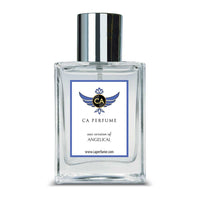
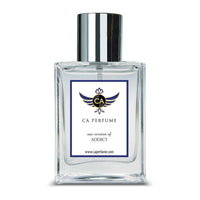
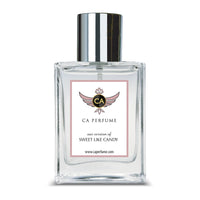
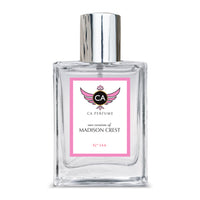
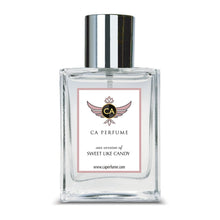
Great class packaging and the scent is spot on!
I loove this scent. It smells like the original at a reasonable price. It brings back great memories and it is spot on!
A vibrant, sweet-tart note crafted for modern perfumery.
In perfumery, blackberry is a heart-to-top note with a sweet, tart, and subtly earthy character, always synthetically constructed. Its defining quality comes from beta-ionone and furaneol, which together evoke the essence of ripe, wild berries.
Blackberry in perfumery is defined by a sweet-tart, juicy, and slightly earthy scent profile, constructed entirely from synthetic aroma chemicals. The note is modeled after the fruit of Rubus fruticosus, but natural extraction is chemically unfeasible due to the low volatility and water solubility of its key odorants. Instead, perfumers use a blend of beta-ionone (CAS 14901-07-6) for violet-powdery depth, furaneol (CAS 3188-00-9) for caramelized, jammy sweetness, and supporting esters and aldehydes to recreate blackberry’s nuanced freshness. The result is a scent that balances lush berry juiciness with a subtle green-woody undertone, distinct from raspberry (more powdery-tart) or blackcurrant (more sulfurous). In perfumery, blackberry is most often classified as a heart note, though it can function as a top embellisher in fruity, gourmand, or chypre compositions. Typical usage ranges from 0.5% to 3% of the concentrate, depending on the desired intensity and the volatility of the synthetic base. Blackberry’s moderate odor strength and medium volatility allow it to bridge the transition from sparkling top notes (citrus, aldehydes) to creamy or musky base notes. On skin, blackberry’s evolution is shaped by the interplay of esters and lactones with individual skin pH, sometimes amplifying its tartness or revealing a faintly woody, green edge. Notable fragrances that exemplify blackberry in perfumery include Jo Malone London Blackberry & Bay (2012, perfumer Fabrice Pellegrin), where blackberry is paired with bay leaf and grapefruit for a fresh, brambly accord, and L’Artisan Parfumeur Mûre et Musc (1978, Jean Laporte), which set the template for fruity-musk compositions. More recent examples include Burberry Her (2018, Francis Kurkdjian), where blackberry is layered with raspberry and violet, and Phlur Vanilla Blackberry (2025), which explores the interplay of juicy berries with creamy vanilla and amber.
Blackberry’s scent profile is shaped by the terroir of its agricultural origins, with soil, rainfall, and sunlight influencing the fruit’s aromatic composition. While perfumery uses only synthetic blackberry, the inspiration comes from berries grown in diverse regions.
The blackberry note in perfumery is inspired by the fruit of Rubus fruticosus, a bramble native to temperate regions of North America and Europe. Commercial blackberry production is concentrated in the United States (notably Oregon and Arkansas), Mexico, and parts of Western Europe, with global agricultural output exceeding 700,000 metric tons annually—primarily for food, not fragrance. However, natural blackberry essential oil or absolute is not available for perfumery: the fruit’s volatile compounds are present at trace levels and are too water-soluble for efficient extraction by steam distillation, solvent extraction, or CO2 methods. Attempts to isolate blackberry aroma have yielded only unstable, low-yield extracts prone to rapid oxidation and poor tenacity in alcohol-based formulations. Consequently, all blackberry notes in perfumery are constructed synthetically. The first successful laboratory reconstructions appeared in the 1920s, following advances in organic synthesis. Key molecules include beta-ionone (violet-woody, powdery), furaneol (caramelized, strawberry-like sweetness), linalool (floral lift), ethyl butanoate (fruity-juicy), and supporting esters and aldehydes. These are blended into proprietary “berry bases” that can be fine-tuned for tartness, sweetness, or green facets. Synthetic blackberry bases cost $40–$200 per kg, compared to $1,000+/kg for natural fruit absolutes (which are not commercially viable for fragrance). Sustainability is a key advantage of synthetic blackberry: production does not depend on agricultural land, water, or seasonal harvests, and supply chains are stable and scalable. Major aroma chemical manufacturers in Europe, the US, and China supply these materials globally. The HumanSafe™ platform enables full traceability and IFRA compliance for all blackberry bases used in CA Perfume’s formulations.
Oregon’s Willamette Valley is renowned for large-scale blackberry cultivation, producing over 40,000 metric tons annually. Volcanic soils and a temperate, rainy climate yield berries with pronounced tartness and high aromatic complexity, often used as the reference for synthetic reconstructions.
The Loire Valley produces wild and cultivated blackberries with a subtle, nuanced sweetness. Limestone-rich soils and moderate rainfall contribute to a balanced, less acidic profile, prized in culinary and olfactory applications.
British Columbia’s Fraser Valley is known for wild blackberry brambles, where cool, moist conditions produce berries with earthy, green undertones. These wild berries inspire the more tannic, woody facets in synthetic blackberry accords.
Michoacán is a major exporter of blackberries, with high-altitude fields yielding berries of intense color and sweetness. While not directly used in perfumery, these berries influence the sweet, jammy dimension of the synthetic note.
Blackberry is exclusively a synthetic note in perfumery—no natural essential oil or absolute is available due to the fruit’s low concentration of volatile aroma compounds and their high water solubility. The scent is reconstructed using a blend of aroma chemicals, with beta-ionone (CAS 14901-07-6), furaneol (CAS 3188-00-9), and linalool (CAS 78-70-6) as primary components. Other contributors include ethyl butanoate (CAS 105-54-4), hexanal (CAS 66-25-1), and benzyl alcohol (CAS 100-51-6). These molecules are selected for their ability to mimic the multifaceted, sweet-tart character of ripe blackberry. Synthetic blackberry bases offer superior performance in terms of longevity, diffusion, and stability compared to any natural extract. They resist oxidation and maintain their character in alcohol-based formulations, making them suitable for both fine fragrance and functional products. Cost is another advantage: synthetic blackberry bases are priced at $40–$200/kg, while natural berry absolutes (if available) are unstable, short-lived, and prohibitively expensive. Famous fragrances using synthetic blackberry include Jo Malone Blackberry & Bay, Burberry Her, and L’Artisan Parfumeur Mûre et Musc. Sustainability is enhanced by the use of renewable feedstocks and reduced agricultural impact. CA Perfume’s HumanSafe™ platform ensures all blackberry aroma chemicals are transparently sourced, IFRA-compliant, and free from restricted allergens.
Blackberry has become a signature note in modern perfumery, especially since the late 20th century. The pioneering use of blackberry can be traced to L’Artisan Parfumeur’s Mûre et Musc (1978, Jean Laporte), which paired a synthetic blackberry accord with musk for a gentle, fruity-musk effect. In 2012, Jo Malone London launched Blackberry & Bay (Fabrice Pellegrin), a fragrance that foregrounds tart blackberry against bay leaf and grapefruit, evoking the freshness of an English hedgerow. Burberry Her (2018, Francis Kurkdjian) further popularized the note, blending blackberry with raspberry, violet, and woods for a vibrant, youthful signature. Phlur Vanilla Blackberry (2025) explores the gourmand side, combining juicy blackberry with vanilla, amber, and musks. Dior Miss Dior Essence (2025) uses blackberry to add a jammy, moody fruitiness to its floral heart. Other notable examples include Lalique Amethyst (2007, Nathalie Lorson), where blackberry is paired with blackcurrant and peony, and Victoria’s Secret Velvet Amber Blackberry, which uses blackberry as a sweet, playful accent. These fragrances demonstrate blackberry’s versatility: as a dominant note (Jo Malone, Burberry), a bridge between fruit and floral (Lalique, Dior), or a supporting accent in gourmand and chypre structures. CA Perfume’s collection draws inspiration from this lineage, offering blackberry-centered compositions as well as blends where the note plays a supporting role.
A blackberry accord is built from 20–25% blackberry base (synthetic blend), 20–25% peach (lactonic, creamy depth), 25–30% white amber (fixative, velvety warmth), and 25–30% jasmine (floral lift). Each ingredient is chosen for molecular synergy: peach lactones round the tartness, white amber stabilizes and extends the fruit, jasmine’s indoles and linalool add complexity, and the blackberry base provides the signature juicy-tart core.
A proprietary synthetic blend of beta-ionone, furaneol, and esters, providing the juicy, tart, and slightly earthy signature of blackberry.
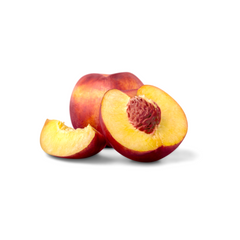
Peach lactones (gamma- and delta-decalactone) add creamy, soft sweetness, rounding out blackberry’s tartness and enhancing its juicy character.
White amber (synthetic amber molecules) provides a velvety, musky warmth, stabilizing the fruity accord and extending its longevity.
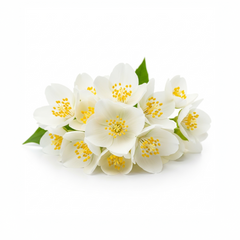
Jasmine’s linalool and indole content add floral complexity and a soft, radiant lift, balancing the fruitiness with a nuanced floral heart.
The olfactory evolution of blackberry in fragrance moves from a bright, juicy opening through a lush, floral heart to a soft, musky base. High-volatility esters and aldehydes dominate the top, while lactones and ionones emerge in the heart, and musks and ambers anchor the base.
The initial impression is a burst of juicy, tart berry, driven by high-volatility esters (ethyl butanoate, methyl anthranilate) and aldehydes. These molecules evaporate quickly, delivering an immediate sense of freshness and fruitiness reminiscent of crushed berries.
As the top fades, the heart reveals creamy, floral facets from lactones (peach, apricot) and beta-ionone, which add violet-powdery depth. Jasmine and white amber molecules provide a lush, soft backdrop, enhancing the fruit while adding complexity.
The drydown is anchored by musks and synthetic amber molecules, which stabilize the fruity accord and impart a velvety, slightly woody finish. The lingering effect is a soft, skin-like sweetness with a faint earthy undertone, due to residual beta-ionone and musky fixatives.
Blackberry’s journey in perfumery spans from folklore and wild harvesting to modern synthetic reconstruction and global fragrance trends.
Blackberries were used in ancient European and Celtic folk medicine, with bramble branches believed to cure ailments and the berries prized for their flavor and symbolism.
Advances in organic chemistry enabled the first laboratory synthesis of key berry aroma molecules, paving the way for synthetic blackberry accords in fragrance.
Jean Laporte’s Mûre et Musc introduced the first prominent blackberry-musk accord, establishing blackberry as a modern perfumery note.
Fabrice Pellegrin’s composition foregrounded blackberry in a fresh, brambly context, inspiring a wave of fruity-floral launches.
Blackberry becomes a staple in both niche and mainstream perfumery, with launches like Burberry Her (2018), Phlur Vanilla Blackberry (2025), and Dior Miss Dior Essence (2025) showcasing its versatility.
Understanding how to layer blackberry is key to customizing its scent profile. Molecular compatibility—shared esters, lactones, and musks—enables seamless blending with complementary notes.
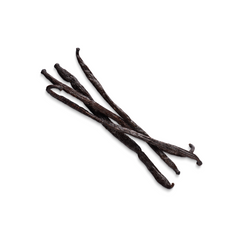
Layer blackberry with vanilla or tonka bean fragrances. Vanillin and coumarin molecules mask tart esters, amplifying the creamy, dessert-like aspect. Phlur Vanilla Blackberry and Trish McEvoy 9 Blackberry & Vanilla Musk exemplify this synergy.
Pair blackberry with woody or amber notes. Iso E Super and synthetic ambers extend the musky drydown and add structure, as seen in Burberry Her and Zara Blackberry Oud (Jordi Fernández, 2026).
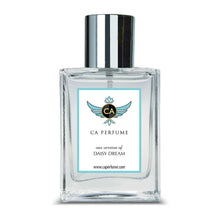
Combine blackberry with citrus or green notes. Shared aldehydes and esters create a sparkling, uplifting effect, demonstrated in Jo Malone Blackberry & Bay and Marc Jacobs Daisy Dream.
In cooler temperatures, blackberry’s creamy, musky heart is more pronounced, while volatility is reduced. Apply to pulse points and layer with amber or vanilla-based scents to enhance warmth and longevity.
Spring’s mild temperatures allow blackberry’s juicy, floral facets to shine. Pair with green or citrus notes for a fresh, uplifting effect. Apply lightly to avoid overwhelming the senses as temperatures rise.
Heat increases the volatility of blackberry’s esters, amplifying its juicy, tart opening but shortening its lifespan. Reapply as needed, and consider layering with citrus or aquatic notes for added freshness.
To maximize blackberry’s performance, moisturize skin before application and experiment with layering. Adjust concentration and pairing notes to suit climate and personal style.
Strategic application enhances blackberry’s projection and longevity, leveraging skin temperature and moisture.
Pulse points on the neck radiate heat, accelerating the evaporation of blackberry’s top esters for a vivid, immediate impression.
This area is slightly cooler, slowing the diffusion of volatile notes and extending the creamy, musky heart of the fragrance.
Wrist application exposes blackberry to frequent movement and warmth, enhancing sillage and allowing for easy reapplication throughout the day.
Spraying on hair provides a sustained release of blackberry’s fruity-floral molecules, as hair fibers trap and gradually diffuse the scent.
Layer blackberry scents with unscented moisturizer or matching body products to lock in aroma molecules and extend the fragrance’s evolution.
These Blackberry-based fragrances scored highest on the MEI™ Mood Architecture Framework — measuring how a scent may influence your emotional state.
These Blackberry-based fragrances have the highest product-level HumanSafe™ scores in this ingredient collection.
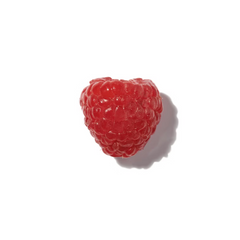
Blackberry is among the least defined fruit notes in the perfumer's palette. Unlike peach (gamma-lactones), raspberry (raspberry ketone), or apple (esters), blackberry has no single impact molecule — it is always an accord, built from overlapping materials that together evoke the dark, slightly wild character of Rubus fruticosus fruit.
The tart, tangy fruit of blackberry is reminiscent of early autumn days when the air gets a little crisper but nature is still at its succulent ripest. Blackberry notes are married in Blackberry & Bay to citrusy, naturally bitterish grapefruit notes and freshly picked bay leaves.
Answers to common questions about blackberry’s scent, usage, and performance in perfumery.
Blackberry in perfume smells sweet, tart, and juicy, with a subtle earthy undertone. The scent is constructed from synthetic molecules like beta-ionone and furaneol, which together evoke the impression of ripe, wild berries. It is less sharp than raspberry, more gentle than blackcurrant, and often features a creamy, floral heart and a soft, musky base. Notable examples include Jo Malone Blackberry & Bay and Burberry Her.
Blackberry is typically used as a heart-to-top note in fragrance compositions. Its synthetic esters and aldehydes provide a bright, juicy opening, while lactones and ionones extend its presence into the heart. Rarely does blackberry function as a base note, as its molecules are too volatile to anchor the drydown.
Blackberry’s sweet-tart, juicy character offers a modern, playful twist to fruity, gourmand, and chypre fragrances. Its synthetic construction allows for precise control over intensity and evolution, making it a versatile tool for perfumers seeking to evoke nostalgia, freshness, or a wild, brambly effect. Niche brands often use blackberry to differentiate their compositions from mainstream fruity florals.
Blackberry fragrance uses include pairing with vanilla, peach, jasmine, white amber, and sandalwood. These notes share compatible aroma molecules—lactones, esters, and musks—that enhance blackberry’s juiciness or add creamy, floral, or woody depth. Citrus and green notes can brighten the profile, while musks and ambers extend longevity.
Yes, blackberry’s fresh, juicy top notes perform well in summer, offering a lively, uplifting effect. However, heat increases volatility, so the scent may fade faster. For best results, apply to moisturized skin and consider layering with citrus or aquatic notes to maintain freshness.
Blackberry-forward fragrances generally last 4–7 hours, depending on concentration and supporting fixatives. Synthetic musks and ambers can extend longevity, while high temperatures or dry skin may reduce performance. Eau de Parfum formats offer the best balance of projection and duration.
Yes, blackberry is highly layerable due to its molecular compatibility with vanilla, musks, woods, and florals. Layering can amplify sweetness, add depth, or brighten the scent. For example, pairing with vanilla enhances creaminess, while woods add structure. Experiment to find your preferred combination.
For those new to blackberry, Jo Malone Blackberry & Bay, Burberry Her, and Phlur Vanilla Blackberry are accessible choices that showcase the note’s versatility. These fragrances balance blackberry’s juiciness with floral, woody, or gourmand elements, making them suitable for everyday wear.
Explore CA Perfume’s collection by sampling discovery sets or focusing on compositions where blackberry is a dominant or supporting note. Consider your preferred style—fruity, floral, gourmand, or woody—and look for blends that balance blackberry’s tartness with complementary accords. Consult ingredient transparency via the HumanSafe™ platform for allergen and sustainability information.
Blackberry perfumes can range from sweet and playful to tart and sophisticated, depending on the blend. When combined with green, woody, or musky notes, blackberry’s sweetness is balanced and suitable for daily use. Choose an Eau de Parfum or layered composition for a nuanced, wearable effect.
Discover CA Perfume’s selection of blackberry-forward scents, from juicy, playful blends to sophisticated, musky compositions.
Shop all blackberry fragrances at CA Perfume →The blackberry note in perfumery is inspired by the fruit of Rubus fruticosus, a bramble native to temperate regions of North America and Europe. Commercial blackberry production is concentrated in the United States (notably Oregon and Arkansas), Mexico, and parts of Western Europe, with global agricultural output exceeding 700,000 metric tons annually—primarily for food, not fragrance. However, natural blackberry essential oil or absolute is not available for perfumery: the fruit’s volatile compounds are present at trace levels and are too water-soluble for efficient extraction by steam distillation, solvent extraction, or CO2 methods. Attempts to isolate blackberry aroma have yielded only unstable, low-yield extracts prone to rapid oxidation and poor tenacity in alcohol-based formulations. Consequently, all blackberry notes in perfumery are constructed synthetically. The first successful laboratory reconstructions appeared in the 1920s, following advances in organic synthesis. Key molecules include beta-ionone (violet-woody, powdery), furaneol (caramelized, strawberry-like sweetness), linalool (floral lift), ethyl butanoate (fruity-juicy), and supporting esters and aldehydes. These are blended into proprietary “berry bases” that can be fine-tuned for tartness, sweetness, or green facets. Synthetic blackberry bases cost $40–$200 per kg, compared to $1,000+/kg for natural fruit absolutes (which are not commercially viable for fragrance). Sustainability is a key advantage of synthetic blackberry: production does not depend on agricultural land, water, or seasonal harvests, and supply chains are stable and scalable. Major aroma chemical manufacturers in Europe, the US, and China supply these materials globally. The HumanSafe™ platform enables full traceability and IFRA compliance for all blackberry bases used in CA Perfume’s formulations.
Blackberry has become a signature note in modern perfumery, especially since the late 20th century. The pioneering use of blackberry can be traced to L’Artisan Parfumeur’s Mûre et Musc (1978, Jean Laporte), which paired a synthetic blackberry accord with musk for a gentle, fruity-musk effect. In 2012, Jo Malone London launched Blackberry & Bay (Fabrice Pellegrin), a fragrance that foregrounds tart blackberry against bay leaf and grapefruit, evoking the freshness of an English hedgerow. Burberry Her (2018, Francis Kurkdjian) further popularized the note, blending blackberry with raspberry, violet, and woods for a vibrant, youthful signature. Phlur Vanilla Blackberry (2025) explores the gourmand side, combining juicy blackberry with vanilla, amber, and musks. Dior Miss Dior Essence (2025) uses blackberry to add a jammy, moody fruitiness to its floral heart. Other notable examples include Lalique Amethyst (2007, Nathalie Lorson), where blackberry is paired with blackcurrant and peony, and Victoria’s Secret Velvet Amber Blackberry, which uses blackberry as a sweet, playful accent. These fragrances demonstrate blackberry’s versatility: as a dominant note (Jo Malone, Burberry), a bridge between fruit and floral (Lalique, Dior), or a supporting accent in gourmand and chypre structures. CA Perfume’s collection draws inspiration from this lineage, offering blackberry-centered compositions as well as blends where the note plays a supporting role.
Blackberry is exclusively a synthetic note in perfumery—no natural essential oil or absolute is available due to the fruit’s low concentration of volatile aroma compounds and their high water solubility. The scent is reconstructed using a blend of aroma chemicals, with beta-ionone (CAS 14901-07-6), furaneol (CAS 3188-00-9), and linalool (CAS 78-70-6) as primary components. Other contributors include ethyl butanoate (CAS 105-54-4), hexanal (CAS 66-25-1), and benzyl alcohol (CAS 100-51-6). These molecules are selected for their ability to mimic the multifaceted, sweet-tart character of ripe blackberry. Synthetic blackberry bases offer superior performance in terms of longevity, diffusion, and stability compared to any natural extract. They resist oxidation and maintain their character in alcohol-based formulations, making them suitable for both fine fragrance and functional products. Cost is another advantage: synthetic blackberry bases are priced at $40–$200/kg, while natural berry absolutes (if available) are unstable, short-lived, and prohibitively expensive. Famous fragrances using synthetic blackberry include Jo Malone Blackberry & Bay, Burberry Her, and L’Artisan Parfumeur Mûre et Musc. Sustainability is enhanced by the use of renewable feedstocks and reduced agricultural impact. CA Perfume’s HumanSafe™ platform ensures all blackberry aroma chemicals are transparently sourced, IFRA-compliant, and free from restricted allergens.