Where Black Tea Comes From — Origin & Extraction
Black Tea is sourced from the leaves of the Camellia sinensis plant, primarily cultivated in countries such as India (notably Assam and Darjeeling regions), China, Sri Lanka, and Kenya. India accounts for a significant portion of global black tea production, with Assam alone producing over 600 million kilograms annually. The terroir, including altitude, soil composition, and climate, profoundly influences the tea's aromatic profile.
In perfumery, black tea extracts are obtained through solvent extraction methods, often using ethanol or hexane to preserve delicate aromatic compounds. Steam distillation is less common due to the thermal sensitivity of key odorants like ionones and tannins. Extraction yields are typically low, with about 0.1–0.3% essential oil obtained from dry leaves.
Natural black tea absolute commands a high price, approximately $3,000–$6,000 per kilogram, reflecting labor-intensive harvesting and extraction. Synthetic aroma chemicals and accords are often employed to replicate or enhance black tea's scent at a fraction of the cost. Sustainability concerns focus on ethical sourcing, fair labor practices, and minimizing environmental impact in tea agriculture.
Famous Fragrances That Define Black Tea in Perfumery
Black tea has been a defining note in several landmark fragrances, showcasing its versatility and depth. Jean-Claude Ellena’s Au Thé Vert for Bvlgari (1992) introduced tea notes to modern perfumery, emphasizing green tea’s fresh facets. Jil Sander’s Black Tea (year unknown) offers a spicy, smoky, and sultry black tea interpretation, pairing the note with warm spices and woods.
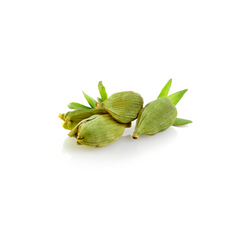
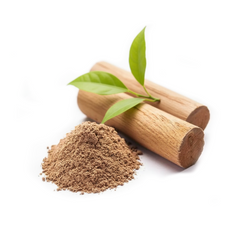
Escentric Molecules’ Molecule 01 + Black Tea (2023), crafted by Geza Schoen, innovatively combines black tea extract with maté absolute and Iso E Super, highlighting black tea's subtle floral and woody nuances. Proad’s Black Tea (2024), by perfumer Quentin Bisch, layers black tea with cardamom, pink pepper, and plum, supported by musk and sandalwood, creating a rich oriental woody scent.
Murdoch London’s Black Tea (year unknown) blends black tea with animalic florals, resins, and spices, evoking a dense fougère with notes of geranium, basil, and davana. These fragrances illustrate black tea’s capacity to serve as a dominant or supporting note in complex compositions.
CA Perfume’s collection honors this lineage by offering fragrances that explore black tea’s multifaceted character, balancing tradition with contemporary olfactory innovation.
Natural vs Synthetic Black Tea in Perfumery
Natural black tea extracts are prized for their authentic complexity, capturing the nuanced smoky, floral, and astringent facets of Camellia sinensis leaves. However, natural extracts vary due to agricultural conditions and processing methods, leading to batch inconsistencies. Extraction yields are low, and costs are high, limiting their use in mass-market fragrances.
Synthetic alternatives include aroma chemicals such as ionones (CAS 127-41-3), which provide powdery, floral, and woody notes, and methylxanthines that mimic tea's bitter facets. Iso E Super (CAS 54464-57-2) is frequently combined to enhance diffusion and longevity. These synthetics offer greater stability, consistency, and cost-effectiveness, with prices ranging from $50 to $200 per kilogram.
Famous fragrances like Escentric Molecules’ Molecule 01 + Black Tea blend natural black tea extract with synthetic Iso E Super to achieve a balanced accord. CA Perfume employs the HumanSafe™ platform to transparently disclose ingredient origins and ensure ethical sourcing, blending natural and synthetic components to optimize performance and sustainability.