Ingredient Guide · Floral Woody
Floral Woody Family · Perfumery Note

Black Rose

An enigmatic floral woody heart note with dark sensuality

Black Rose is a floral woody heart note in perfumery, combining fresh rose facets with dark, resinous undertones. It is used below 5% concentration, sourced mainly from Bulgaria, Turkey, and France.

Black Rose
Ingredient Profile

Black Rose

Floral Woody Family
Family Floral Woody
Note Position Heart Note
Usage Level <5%
Key Origins Bulgaria, Turkey, France
Iconic In Signature Halfeti Black Rose, Black Rose
The Ingredient

What does Black Rose smell like and why is it so unique?

Black Rose is an evocative perfumery ingredient that merges the fresh, fragrant notes of traditional roses with deeper, mysterious undertones. Its scent profile is complex, featuring a deep floral character enriched by earthy and resinous facets. Chemically, it contains a rich blend of aromatic molecules including phenyl ethyl alcohol, geraniol, citronellol, and trace compounds like beta-damascenone that contribute to its bold floral and slightly metallic nuances. In perfumery, Black Rose is typically used as a heart note at concentrations below 5%, where it provides a potent yet balanced floral core. Its interaction with skin chemistry allows for a warm evolution over 5 to 7 hours, revealing layered facets from fresh rose to woody and ambered drydowns. This makes it a versatile note for both day and evening wear. Notable fragrances featuring Black Rose include Zaharoff's Signature Halfeti Black Rose (2024) by Claude Dir, which uses Black Rose alongside Turkish rose and oud to create a resinous oriental rose, and Mahogany's Black Rose (2025), which blends it with fruits and spices for a warm spicy floral effect. These examples demonstrate Black Rose's capacity to add depth and mystery to compositions.

<5%
Typical usage level of Black Rose absolute in fragrance formulations, balancing potency and safety per IFRA guidelines.
5–7 Hours
Average longevity of Black Rose-based perfumes on skin, reflecting the molecular stability of its floral and resinous components.
300–450
Approximate number of aromatic molecules present in natural rose essential oils, contributing to Black Rose’s complex scent profile.
Origin & Extraction

Where Black Rose Comes From — Origin & Extraction

Black Rose's scent character is influenced by its geographic origins, where soil composition, climate, and harvesting methods impart unique aromatic qualities. Bulgaria, Turkey, and France are key producers, each contributing distinct nuances to the rose absolute used in perfumery.

Black Rose's aromatic character is closely linked to its botanical sources, primarily rose species cultivated in Bulgaria, Turkey, and France. Bulgaria is renowned for its Rosa damascena, producing exquisite rose oil through steam distillation, yielding approximately 0.02-0.05% essential oil by weight. Turkish roses, including Rosa centifolia and Rosa damascena, contribute spicy and fruity nuances, often extracted via solvent or supercritical CO2 methods to preserve delicate aroma compounds. France, particularly the Grasse region, is a historic center for rose absolute production, employing solvent extraction and enfleurage techniques to obtain rich, complex absolutes. Extraction methods for Black Rose include solvent extraction and supercritical CO2 extraction, which preserve the integrity of key molecules like phenyl ethyl alcohol and citronellol. Steam distillation is less favored due to thermal degradation of sensitive compounds. Natural Black Rose absolute costs between $3,000 and $6,000 per kilogram, reflecting labor-intensive harvesting and low yield. Synthetic analogues, primarily safranal and related molecules, cost $50 to $200 per kilogram and offer consistent quality. Sustainability efforts focus on ethical farming and reducing solvent use, with Bulgaria and Turkey implementing organic cultivation standards. France maintains strict quality controls in Grasse, supporting traditional craftsmanship alongside modern extraction technologies.

BG

Bulgaria

The Rose Valley region in Bulgaria is famed for its Rosa damascena cultivation. The area's fertile soil and temperate climate produce roses with a rich, full-bodied aroma. Bulgaria accounts for approximately 70% of global rose oil production, with traditional steam distillation methods yielding high-quality essential oils prized for their floral intensity and complexity.

TR

Turkey

Turkey's Isparta region cultivates Rosa damascena and Rosa centifolia, imparting spicy and fruity notes to Black Rose absolutes. The area's higher altitude and Mediterranean climate contribute to a distinctive aromatic profile. Extraction often uses solvent or CO2 methods to preserve delicate molecules, with Turkey supplying around 15% of the world's rose oil.

FR

France

Grasse, France, is a historic center for rose absolute production, blending traditional enfleurage and modern solvent extraction techniques. French artisans emphasize quality and consistency, crafting elegant rose absolutes that highlight the floral and slightly green facets of Black Rose. France contributes about 10% of the global market, with strict quality standards.

Chemistry

Natural vs Synthetic Black Rose in Perfumery

Natural Black Rose absolute is extracted mainly via solvent extraction or supercritical CO2 from Rosa damascena and related species. It contains a complex mixture of aromatic molecules, including phenyl ethyl alcohol, geraniol, citronellol, and beta-damascenone, resulting in a variable but rich scent profile. The cost ranges from $3,000 to $6,000 per kilogram, reflecting the labor-intensive harvesting and low extraction yields. Synthetic substitutes rely on molecules such as safranal (CAS 116-26-7), beta-damascenone, and phenyl ethyl alcohol synthesized in laboratories. These synthetics provide consistent, stable scent profiles with improved longevity and diffusion, costing approximately $50 to $200 per kilogram. Famous fragrances like Zaharoff Signature Halfeti Black Rose use natural Black Rose absolute, while others may blend synthetic molecules for cost-effectiveness and stability. From a sustainability perspective, synthetic molecules reduce pressure on natural rose crops and allow for controlled allergen content, aligning with the HumanSafe™ platform's transparency standards. CA Perfume integrates both natural and synthetic Black Rose components, ensuring quality, safety, and environmental responsibility.

Natural
Black Rose Absolute
Cost $3,000–6,000/kg
Method Solvent / CO₂
Character Complex, variable
vs
Synthetic
Safranal & Analogues
Cost $50–200/kg
Method Lab synthesis
Character Consistent, stable
Hall of Fame

Famous Fragrances That Define Black Rose in Perfumery

2024
dominant note

Signature Halfeti Black Rose

Zaharoff
by Claude Dir
Turkish RoseCedarwoodAmberMuskOudTonka Bean
2025
bridge note

Black Rose

Mahogany
PlumViolet LeafBlack CurrantTonka BeanSandalwood
2025
core heart note

BLACK ROSE

Al Qasim Oud
by Qassim AlKathiri
PepperDried RoseAmbroxanPatchouliTaif Rose
accent note

Black Rose

Sawalef
MelonJuniperSaffronLeather
soft floral heart note

Black Rose

The Rose
JasminePearAmbretteMagnoliaCyclamen

Black Rose has become a defining note in contemporary perfumery, particularly in niche and luxury fragrances that emphasize depth and complexity. Zaharoff's Signature Halfeti Black Rose (2024), crafted by perfumer Claude Dir, is a landmark resinous oriental rose fragrance. It features Black Rose combined with Turkish rose, cedarwood, amber, musk, and oud, where Black Rose functions as a dominant heart note, providing dark floral richness and mystery. Mahogany's Black Rose (2025) is a warm spicy floral fragrance for women, blending Black Rose with plum, violet leaf, black currant, and tonka bean. Here, Black Rose acts as a bridge note, enriching the fruity and spicy accords with floral depth. Al Qasim Oud's BLACK ROSE (2025), by Qassim AlKathiri, uses Black Rose as a core heart note within a leather-centered unisex fragrance, paired with pepper, dried rose, ambroxan, and patchouli, creating a sophisticated contrast of bright and dark rose facets. Sawalef's Black Rose (year not specified) offers a fruity leather interpretation, where Black Rose is accented by melon, juniper, and saffron, functioning as an accent note that adds a unique melony rose character. The Rose's Black Rose fragrance (year not specified) is a unisex scent blending jasmine, pear, ambrette, and rose, with Black Rose as a soft floral heart note, emphasizing a harmonious and artistic olfactory experience. CA Perfume's collection reflects this lineage by curating Black Rose fragrances that highlight its complex floral woody character, suitable for diverse preferences and occasions.

The Accord

How is a captivating Black Rose accord crafted?

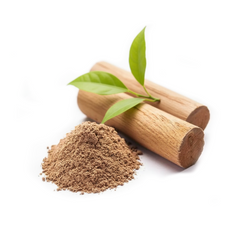
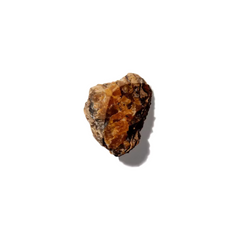
A Black Rose accord typically balances the floral depth with complementary woody, spicy, and resinous elements to enhance its dark elegance. The relative proportions within the accord blend are: Black Rose 30-35%, Sandalwood 25-30%, Labdanum 20-25%, and Black Pepper 15-20%. Black Rose provides the complex floral heart with earthy and resinous undertones. Sandalwood adds creamy warmth and smoothness, softening the floral edges. Labdanum contributes a rich, amber resinous base that deepens the accord’s sensuality. Black Pepper introduces a spicy sharpness that lifts and enlivens the composition, preventing it from becoming overly sweet or heavy.

35%

Black Rose

30–35% of blend

Provides the complex floral heart with deep, earthy, and resinous nuances essential to the accord’s character.

30%

Sandalwood

25–30% of blend

Adds creamy warmth and smoothness, balancing the floral intensity with a soft woody base.

25%

Labdanum

20–25% of blend

Contributes rich amber resinous depth, enhancing the accord’s sensual and mysterious qualities.

20%

Black Pepper

15–20% of blend

Introduces a spicy sharpness that enlivens the accord and prevents sweetness from dominating.

The Olfactory Layers

How Black Rose Evolves on Skin

Black Rose fragrances evolve through a layered olfactory journey. The top notes evaporate within 10-15 minutes, revealing initial bright and spicy facets. The heart notes, dominated by Black Rose's complex floral molecules, develop over 20-60 minutes, sustained by medium volatility compounds. Base notes emerge after several hours, anchored by low-volatility resins and woods that provide lasting depth and warmth.

I
Top notes
0–15 min
Spicy Freshness

The opening features volatile compounds such as bergamot and black pepper, which provide a fresh, spicy, and slightly citrusy impression. These molecules evaporate quickly, creating an initial brightness that contrasts with the deeper floral heart to come.

SpicyFreshCitrusy
II
Heart notes
20–60 min
Deep Floral Richness

The heart reveals the Black Rose absolute, rich in phenyl ethyl alcohol, geraniol, and beta-damascenone, producing a deep floral character with earthy and resinous undertones. This stage is marked by a warm, velvety rose scent that forms the core identity of the fragrance.

FloralEarthyResinous
III
Base notes
Several hours
Warm Woody Depth

The base unfolds with labdanum, sandalwood, musk, and amber, composed of low-volatility molecules that provide longevity and depth. These notes impart a warm, woody, and slightly sweet foundation that supports the floral heart and ensures lasting sillage.

WoodyWarmAmbered
TOP NOTES Spicy Freshness 0–15 minutes HEART NOTES Deep Floral Richness 20–60 minutes BASE NOTES Warm Woody Depth Several hours
Through the Ages

The Story of Black Rose in Perfumery

Black Rose's use in perfumery has evolved from traditional rose oil distillation to complex modern compositions that blend natural and synthetic elements, reflecting advances in extraction and aroma chemistry.

Antiquity

Early Use of Rose in Fragrance

Ancient Egyptians and Romans used rose petals and oils in rituals and perfumery, establishing the flower's long-standing aromatic significance.

19th Century

Development of Steam Distillation

Steam distillation techniques advanced rose oil extraction, particularly in Bulgaria and France, enabling commercial production of rose essential oil.

Early 20th Century

Introduction of Solvent Extraction

Solvent extraction and enfleurage allowed for the production of rose absolute, capturing more delicate aromatic compounds than steam distillation.

2024

Launch of Zaharoff Signature Halfeti Black Rose

Master perfumer Claude Dir created a resinous oriental rose fragrance spotlighting Black Rose, combining natural and synthetic elements for depth.

2025

Emergence of New Black Rose Fragrances

Brands like Mahogany and Al Qasim Oud released notable Black Rose-centered perfumes, expanding its presence in niche and unisex markets.

The Art of Layering

How to Layer Black Rose

Understanding how to layer Black Rose involves molecular compatibility and olfactory synergy. How to layer Black Rose effectively requires pairing it with notes that complement its floral and resinous compounds without overpowering its complexity.

01

Enhance Sweetness

Layer Black Rose with vanilla or benzoin to soften its metallic edges. Vanillin molecules mask sharp thresholds, creating a warm, sweet floral blend. This technique is evident in fragrances like Maison Francis Kurkdjian’s Baccarat Rouge 540, where amber and vanilla soften the rose.

02

Add Depth

Pair Black Rose with oud or labdanum to amplify its resinous and woody facets. The shared sesquiterpene compounds create a seamless transition, deepening the scent’s dark, mysterious character, as seen in Zaharoff Signature Halfeti Black Rose.

03

Lighten the Glow

Combine Black Rose with citrus or green notes such as bergamot or violet leaf. These high-volatility molecules brighten the floral heart and add freshness, balancing the accord for daytime wear. This layering approach is used in lighter rose fragrances to maintain vibrancy.

Wear It Right

How to Wear Black Rose Like a Pro

Seasonal Guide

Fall & Winter

Cooler temperatures slow molecular evaporation, enhancing Black Rose’s warm, resinous base notes and prolonging longevity. Apply moderately for a cozy, enveloping scent ideal for evening wear.

Spring

Mild temperatures allow the floral heart to bloom fully, with fresh and spicy top notes more pronounced. Layer with light citrus or green notes for a balanced springtime fragrance.

Summer

Heat increases volatility, which can cause rapid evaporation of delicate floral molecules. Use lighter formulations or apply sparingly to avoid overwhelming projection and maintain freshness.

Year-Round Tip

Adjust application based on climate and occasion. Layer Black Rose with complementary notes like oud or vanilla to modulate intensity and adapt to seasonal changes.

Application Points

Strategic application of Black Rose enhances its olfactory impact and longevity.

1

Neck

Pulse points like the neck emit heat that helps volatilize Black Rose’s complex molecules, enhancing projection and scent evolution.

2

Behind the Ears

This warm area allows subtle diffusion, ideal for intimate scent release and layering with other fragrances.

3

Inner Wrists

Applying here facilitates scent mixing with natural skin oils, enriching the floral heart and base notes over time.

4

Hair

Hair fibers retain fragrance longer, releasing Black Rose gradually and creating a soft sillage trail.

Pro Tip

Spray Black Rose onto clothing or scarves for extended longevity, but test for fabric sensitivity to avoid staining.

Mood Architecture™

Top Black Rose Fragrances by Mood Score

These Black Rose-based fragrances scored highest on the MEI™ Mood Architecture Framework — measuring how a scent may influence your emotional state.

Highest MEI Score
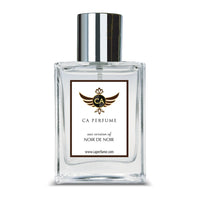
Noir De Noir — Tom Ford Noir De Noir Alternative Perfume
7.82
MEI™
Primary Confident
Secondary Romantic
Confidence
7.68
Presence
8.71
Mood Lift
7.65
Identity
8.86
Warmth
9.09
Social Ease
7.27
Energy
3.4
" I am powerful.
View full mood profile →
HumanSafe™

Top Black Rose Fragrances by HumanSafe™ Score

These Black Rose-based fragrances have the highest product-level HumanSafe™ scores in this ingredient collection.

Highest HumanSafe™ Score
Noir De Noir — Tom Ford Noir De Noir Alternative Perfume
A-
HumanSafe™ Score Generally Safe
Safest Evaluated Ingredients EDP
AQUA Solvent / Carrier ISS 10.0
HEXYL SALICYLATE Evaluated ingredient ISS 9.0
AMBROXIDE Evaluated ingredient ISS 9.0
1,6,10-DODECATRIEN-3-OL, 3,7,11-TRIMETHYL- Evaluated ingredient ISS 8.0
View full safety profile →
Expert Voices

What Masters Say About Black Rose

Black Rose captivates with its rich and intoxicating aroma, merging floral elegance and dark sensuality, adding dramatic depth to fragrance compositions.
CA Perfume Editorial
Imagine fighting through a thick thorn bush forest to get to that one magical black rose; this is the inspiration behind Black Rose's deep, mystical, and sensual scent.
Claude Dir, Master Perfumer
Common Questions

Frequently Asked Questions

Frequently asked questions about Black Rose in perfumery, answered with detailed expertise.

Black Rose in perfume smells as a complex floral note combining fresh rose petals with deep, earthy, and resinous undertones. It features molecules like phenyl ethyl alcohol and beta-damascenone, creating a rich, velvety floral heart that evolves over 5 to 7 hours. It is bold and alluring, often used in niche fragrances such as Zaharoff Signature Halfeti Black Rose and Mahogany Black Rose.

Black Rose is primarily used as a heart note in perfumery. Its molecular composition includes medium volatility compounds that emerge after the initial top notes evaporate, providing the core floral character. It is rarely used as a top or base note due to its complex scent profile and volatility.

Black Rose is favored in niche perfumery for its unique blend of fresh floral and dark, resinous qualities. Its complexity allows perfumers to craft sophisticated, multi-dimensional fragrances that stand out. The note’s rarity and evocative character appeal to connoisseurs seeking depth and mystery.

Black Rose fragrance uses commonly include woody notes like sandalwood and oud, spicy accents such as black pepper, and sweet resins like benzoin and labdanum. These pairings complement its floral richness and enhance longevity and sillage, as seen in Zaharoff Signature Halfeti Black Rose and Al Qasim Oud’s BLACK ROSE.

Black Rose can be worn in summer, especially in lighter formulations like Eau de Toilette or sprays with lower concentration. Heat increases volatility, so lighter application is advised to maintain balance and prevent overwhelming projection. Layering with fresh citrus or green notes can enhance its suitability for warmer climates.

Black Rose fragrances typically last between 5 to 7 hours on skin, depending on concentration and formulation. The note’s molecular stability and resinous base components contribute to this moderate to long longevity, suitable for both day and evening wear.

Yes, layering Black Rose with complementary notes like vanilla, oud, or citrus can create unique scent profiles. Molecular compatibility, such as shared aromatic compounds or olfactory masking effects, ensures harmonious blends. This practice allows personalization and enhances the fragrance’s complexity.

For beginners, fragrances like Mahogany Black Rose and The Rose’s Black Rose offer approachable interpretations with balanced floral and fruity notes. These provide a softer introduction to Black Rose’s complexity without overwhelming intensity.

Choosing the right Black Rose fragrance involves considering concentration, complementary notes, and occasion. CA Perfume’s knowledgeable staff can guide selections based on personal preferences and layering goals, ensuring a fragrance that highlights Black Rose’s enchanting qualities.

Black Rose exhibits both sweet floral and spicy facets. Its natural aromatic molecules provide a velvety floral sweetness, while paired spices like black pepper introduce a sharp, lively spiciness. This duality contributes to its complex and captivating scent profile.

Floral Woody Collection

Explore Our Top Black Rose Fragrances

Discover a curated selection of Black Rose perfumes showcasing its rich floral woody character and versatile appeal.

Shop all black rose fragrances at CA Perfume →

Where Black Rose Comes From — Origin & Extraction

Black Rose's aromatic character is closely linked to its botanical sources, primarily rose species cultivated in Bulgaria, Turkey, and France. Bulgaria is renowned for its Rosa damascena, producing exquisite rose oil through steam distillation, yielding approximately 0.02-0.05% essential oil by weight. Turkish roses, including Rosa centifolia and Rosa damascena, contribute spicy and fruity nuances, often extracted via solvent or supercritical CO2 methods to preserve delicate aroma compounds. France, particularly the Grasse region, is a historic center for rose absolute production, employing solvent extraction and enfleurage techniques to obtain rich, complex absolutes. Extraction methods for Black Rose include solvent extraction and supercritical CO2 extraction, which preserve the integrity of key molecules like phenyl ethyl alcohol and citronellol. Steam distillation is less favored due to thermal degradation of sensitive compounds. Natural Black Rose absolute costs between $3,000 and $6,000 per kilogram, reflecting labor-intensive harvesting and low yield. Synthetic analogues, primarily safranal and related molecules, cost $50 to $200 per kilogram and offer consistent quality. Sustainability efforts focus on ethical farming and reducing solvent use, with Bulgaria and Turkey implementing organic cultivation standards. France maintains strict quality controls in Grasse, supporting traditional craftsmanship alongside modern extraction technologies.

Famous Fragrances That Define Black Rose in Perfumery

Black Rose has become a defining note in contemporary perfumery, particularly in niche and luxury fragrances that emphasize depth and complexity. Zaharoff's Signature Halfeti Black Rose (2024), crafted by perfumer Claude Dir, is a landmark resinous oriental rose fragrance. It features Black Rose combined with Turkish rose, cedarwood, amber, musk, and oud, where Black Rose functions as a dominant heart note, providing dark floral richness and mystery. Mahogany's Black Rose (2025) is a warm spicy floral fragrance for women, blending Black Rose with plum, violet leaf, black currant, and tonka bean. Here, Black Rose acts as a bridge note, enriching the fruity and spicy accords with floral depth. Al Qasim Oud's BLACK ROSE (2025), by Qassim AlKathiri, uses Black Rose as a core heart note within a leather-centered unisex fragrance, paired with pepper, dried rose, ambroxan, and patchouli, creating a sophisticated contrast of bright and dark rose facets. Sawalef's Black Rose (year not specified) offers a fruity leather interpretation, where Black Rose is accented by melon, juniper, and saffron, functioning as an accent note that adds a unique melony rose character. The Rose's Black Rose fragrance (year not specified) is a unisex scent blending jasmine, pear, ambrette, and rose, with Black Rose as a soft floral heart note, emphasizing a harmonious and artistic olfactory experience. CA Perfume's collection reflects this lineage by curating Black Rose fragrances that highlight its complex floral woody character, suitable for diverse preferences and occasions.

Natural vs Synthetic Black Rose in Perfumery

Natural Black Rose absolute is extracted mainly via solvent extraction or supercritical CO2 from Rosa damascena and related species. It contains a complex mixture of aromatic molecules, including phenyl ethyl alcohol, geraniol, citronellol, and beta-damascenone, resulting in a variable but rich scent profile. The cost ranges from $3,000 to $6,000 per kilogram, reflecting the labor-intensive harvesting and low extraction yields. Synthetic substitutes rely on molecules such as safranal (CAS 116-26-7), beta-damascenone, and phenyl ethyl alcohol synthesized in laboratories. These synthetics provide consistent, stable scent profiles with improved longevity and diffusion, costing approximately $50 to $200 per kilogram. Famous fragrances like Zaharoff Signature Halfeti Black Rose use natural Black Rose absolute, while others may blend synthetic molecules for cost-effectiveness and stability. From a sustainability perspective, synthetic molecules reduce pressure on natural rose crops and allow for controlled allergen content, aligning with the HumanSafe™ platform's transparency standards. CA Perfume integrates both natural and synthetic Black Rose components, ensuring quality, safety, and environmental responsibility.