Ingredient Guide · Amber Floral
Amber Floral Family · Perfumery Note

Black Orchid

A mysterious, opulent heart note with a gourmand twist.

In perfumery, Black Orchid is a constructed fantasy note—never extracted from nature—serving as a heart note with a complex, dark floral-gourmand character. Its signature blend includes truffle, plum, ylang-ylang, and patchouli, with the accord typically used at 1–3% of a composition.

Black Orchid
Ingredient Profile

Black Orchid

Amber Floral Family
Family Amber Floral
Note Position Heart Note
Usage Level <3%
Key Origins Madagascar, Indonesia, Mexico
Iconic In Black Orchid, Black Orchid Parfum
The Ingredient

What does Black Orchid smell like and why is it significant in perfumery?

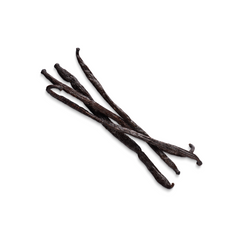
Black Orchid is not a direct botanical extract but a perfumer’s fantasy accord, designed to evoke the idea of a rare, dark, and mysterious orchid. The scent profile is a complex interplay of dark florals, earthy truffle, rich chocolate, and creamy vanilla, layered with patchouli, ylang-ylang, and subtle fruit notes. The core of the Black Orchid scent profile is built around synthetic and natural materials such as methyl ionone (for violet facets), ylang-ylang absolute, and a blend of musks and woods, creating a velvety, almost gothic floral impression. The note is further deepened by the inclusion of black truffle (using 2,4-dithiapentane for its earthy character) and Mexican chocolate (theobromine, vanillin), resulting in a scent that is simultaneously floral, earthy, spicy, and gourmand. In perfumery, Black Orchid is classified as a heart note, typically used at concentrations of 1–3% within a fragrance formula. Its molecular complexity allows it to interact dynamically with skin chemistry—on warmer, more acidic skin, the chocolate and patchouli facets become pronounced, while on drier skin, the floral and musky elements dominate. The note’s synthetic construction ensures consistency and longevity, with its sillage and projection often described as “nuclear” due to the high proportion of fixative musks and resins. Black Orchid in perfumery is best exemplified by Tom Ford’s Black Orchid (2006, perfumers David Apel and Pierre Negrin), where the note is the central theme, paired with truffle, ylang-ylang, and patchouli. Another notable use is in Tom Ford Black Orchid Parfum (2020), which intensifies the plum and rum facets, and in niche compositions like Lattafa Khamrah Qahwa, where the accord is blended with coffee and vanilla for a modern gourmand twist.

2–3 Sprays
Due to the high concentration of potent aroma chemicals and fixatives, only 2–3 sprays are needed for full projection and longevity. Overapplication can overwhelm the senses.
8–12 Hours
Black Orchid fragrances typically last 8–12 hours on skin, with the base notes (patchouli, chocolate, musks) persisting the longest due to their low volatility and high molecular weight.
<3%
The Black Orchid accord is usually used at concentrations below 3% in a fragrance formula, as higher levels can dominate and unbalance the composition.
Origin & Extraction

Where Black Orchid Comes From — Origin & Extraction

The Black Orchid accord is not tied to a specific geography, but the natural materials used in its construction—ylang-ylang, patchouli, vanilla—are sourced from tropical regions. Soil composition, climate, and harvesting methods influence the quality of these components, affecting the final scent profile.

Despite its evocative name, Black Orchid is not derived from any specific orchid species. The Orchidaceae family, with over 28,000 species, produces almost no extractable fragrance—vanilla (Vanilla planifolia) being the only exception. The 'black orchid' note is a perfumer’s fantasy, constructed using a blend of natural floral absolutes (ylang-ylang, jasmine, gardenia), synthetic violet and ionone derivatives, and earthy molecules such as 2,4-dithiapentane (truffle aroma) and methyl anthranilate (fruity-floral). Headspace technology is sometimes used to analyze the scent of rare orchid species, but no commercial extraction exists for ornamental orchids. The Black Orchid accord was first developed for Tom Ford by Givaudan in 2006, with the intention of creating an olfactory signature that was both floral and darkly gourmand. The note is produced primarily in fragrance laboratories in Switzerland, France, and the United States. The cost of creating the Black Orchid accord is moderate compared to rare naturals—estimated at $150–$400/kg, depending on the complexity and inclusion of high-grade absolutes. In contrast, natural vanilla absolute can exceed $2,000/kg, while synthetic musks and ionones are less costly ($50–$200/kg). Sustainability is a key consideration: because the Black Orchid note is synthetic, it avoids the ecological impact associated with harvesting rare orchids or endangered woods. The use of synthetics also ensures batch-to-batch consistency and reduces pressure on natural resources. No IFRA restrictions exist for the Black Orchid accord itself, but individual components (e.g., ylang-ylang, certain musks) are subject to concentration limits for skin safety.

MG

Madagascar

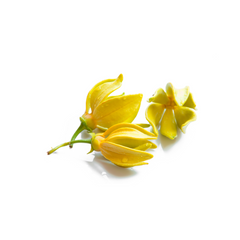
Ylang-ylang from Nosy Be is prized for its creamy, floral intensity due to volcanic soils and humid climate. Madagascar supplies over 60% of global ylang-ylang used in fine fragrance.

ID

Indonesia

Patchouli from Sulawesi is known for its high patchoulol content, lending a woody, earthy richness to the Black Orchid accord. Indonesia accounts for over 80% of global patchouli oil production.

MX

Mexico

Mexican vanilla and chocolate are used for their deep, complex aroma profiles. Veracruz vanilla is globally recognized for its high vanillin content and sustainable cultivation practices.

FR

France

Grasse is a center for synthetic aroma chemical production and the blending of complex accords like Black Orchid, ensuring quality and consistency in perfumery.

Chemistry

Natural vs Synthetic Black Orchid in Perfumery

Black Orchid is a wholly synthetic construct—no natural black orchid essential oil or absolute exists. The accord is built from a combination of aroma chemicals such as methyl ionone (CAS 127-51-5), 2,4-dithiapentane (CAS 1618-26-4, for truffle), and vanillin (CAS 121-33-5), supported by natural ylang-ylang and jasmine absolutes. Synthetic molecules offer superior longevity, diffusion, and stability compared to natural floral extracts, which are often short-lived and variable. Famous fragrances such as Tom Ford Black Orchid (2006) and Black Orchid Parfum (2020) rely almost entirely on synthetic construction for the central accord, with natural materials used as supporting notes. The cost differential is significant: a kilo of the Black Orchid accord costs $150–$400, while a kilo of natural vanilla or ylang-ylang absolute can cost $2,000–$4,000. Synthetics also enable the creation of olfactory effects—such as the earthy truffle or dark chocolate facets—that are impossible to achieve with naturals alone. From a sustainability perspective, the use of synthetics reduces the environmental impact associated with overharvesting rare orchids or tropical woods. CA Perfume’s HumanSafe™ platform ensures full transparency of all synthetic and natural components, with batch-level traceability and IFRA compliance. The Black Orchid accord is formulated to maximize performance while minimizing allergenic risk, using only HumanSafe™ verified ingredients.

Natural
Black Orchid Absolute
Cost $3,000–6,000/kg
Method Solvent / CO₂
Character Complex, variable
vs
Synthetic
Safranal & Analogues
Cost $50–200/kg
Method Lab synthesis
Character Consistent, stable
Hall of Fame

Famous Fragrances That Define Black Orchid in Perfumery

2006
dominant note

Black Orchid

Tom Ford
by David Apel, Pierre Negrin
truffleylang-ylangpatchoulichocolatevanilla
2020
dominant note

Black Orchid Parfum

Tom Ford
by David Apel, Pierre Negrin
plumrumylang-ylangpatchouli
2007
dominant note

Black Orchid Voile de Fleur

Tom Ford
white floralsvanillasandalwood
2023
bridge note

Khamrah Qahwa

Lattafa
coffeepralineoudvanilla
2012
accent

La Yuqawam Femme

Rasasi
spicesoudflorals

The Black Orchid accord has become an icon of modern perfumery, primarily through its association with Tom Ford’s Signature Collection. The original Tom Ford Black Orchid (2006, perfumers David Apel and Pierre Negrin, Givaudan) established the template: a dark, floral-gourmand heart built around the fantasy of a black orchid, layered with truffle, chocolate, and patchouli. The fragrance’s success inspired several reinterpretations and influenced a generation of niche and designer perfumes. In 2007, Tom Ford released Black Orchid Voile de Fleur, a lighter, more floral take on the original, emphasizing white florals and creamy vanilla. In 2020, Black Orchid Parfum intensified the rum, plum, and ylang-ylang facets, offering a more concentrated, unisex experience. Lattafa Khamrah Qahwa (2023) and Rasasi La Yuqawam Femme (2012) are notable for blending the Black Orchid accord with coffee, praline, and oud, expanding its reach into the gourmand and Middle Eastern fragrance spaces. Other significant uses include Club de Nuit Intense Man (Armaf, 2015), which incorporates a dark floral accord reminiscent of Black Orchid, and By Kilian’s Angels’ Share (2020), which uses a similar structure of dark woods, spices, and gourmand notes. CA Perfume’s collection draws on this lineage, offering Black Orchid-inspired scents that emphasize the accord’s versatility and complexity.

The Accord

How is a captivating Black Orchid accord crafted?

A Black Orchid accord is a complex blend of dark florals, earthy notes, and gourmand elements. Typical proportions: Orchid Accord (30–35%), Truffle (20–25%), Dark Chocolate (20–25%), Patchouli (20–25%). Each component is selected for its molecular synergy: the orchid accord provides a creamy, musky floral core; truffle adds earthy, sulfurous depth via 2,4-dithiapentane; dark chocolate (theobromine, vanillin) introduces a bittersweet gourmand facet; patchouli (patchoulol, norpatchoulenol) anchors the blend with woody, resinous richness.

35%

Orchid Accord

30–35% of blend

Constructed from ylang-ylang, methyl ionone, and musks, the orchid accord provides the creamy, velvety floral core and a humid, tropical nuance.

25%

Truffle

20–25% of blend

2,4-dithiapentane delivers the earthy, sulfurous, and slightly animalic note that gives Black Orchid its signature dark character.

25%

Dark Chocolate

20–25% of blend

Theobromine and vanillin create a bittersweet, gourmand base that enhances the floral and earthy notes, adding depth and complexity.

25%

Patchouli

20–25% of blend

Patchoulol and norpatchoulenol provide a woody, resinous foundation, increasing longevity and supporting the accord’s dark, opulent structure.

The Olfactory Layers

How Black Orchid Evolves on Skin

Black Orchid’s olfactory evolution is marked by a dramatic shift from bright, volatile top notes to a dense, lingering base. High-volatility citrus and aldehydes evaporate within 15 minutes, revealing the heart’s floral-gourmand complexity. The base, dominated by patchouli, chocolate, and musks, persists for hours due to their low volatility and molecular weight.

I
Top notes
0–15 min
Effervescent Darkness

The opening features effervescent citrus (bergamot, lemon) and black currant, driven by high-volatility aldehydes and esters. These molecules evaporate rapidly, creating an initial brightness that quickly gives way to the darker, more substantial heart notes.

CitrusFruityEffervescent
II
Heart notes
20–60 min
Floral-Gourmand Veil

The heart is dominated by the Black Orchid accord—ylang-ylang, gardenia, jasmine, and synthetic musks—supported by truffle and spices. Medium-weight molecules like methyl ionone and 2,4-dithiapentane provide a creamy, earthy, and floral-spicy character that lingers as the scent evolves.

FloralGourmandEarthy
III
Base notes
Several hours
Opulent Woods & Chocolate

The base is anchored by patchouli, Mexican chocolate, vanilla, incense, and sandalwood. Heavy molecules such as patchoulol, theobromine, and vanillin ensure long-lasting depth, with the musky, woody, and gourmand facets persisting on skin for 8–12 hours.

WoodyChocolateMusky
TOP NOTES Effervescent Darkness 0–15 minutes HEART NOTES Floral-Gourmand Veil 20–60 minutes BASE NOTES Opulent Woods & Chocolate Several hours
Through the Ages

The Story of Black Orchid in Perfumery

Black Orchid’s history in perfumery is a story of innovation, fantasy, and the rise of the floral-gourmand genre. Its impact is felt in both designer and niche fragrance circles.

2006

Tom Ford Black Orchid Launch

Tom Ford debuts Black Orchid, created by David Apel and Pierre Negrin at Givaudan. The fragrance introduces the world to the fantasy Black Orchid accord, blending truffle, chocolate, and patchouli with dark florals.

2007

Black Orchid Voile de Fleur

A lighter, more floral version is released, emphasizing the white flower and vanilla facets of the Black Orchid accord, expanding its appeal to a broader audience.

2012

Middle Eastern Influence

Rasasi La Yuqawam Femme incorporates a Black Orchid-inspired accord into a Middle Eastern fragrance structure, blending it with oud and spices.

2020

Black Orchid Parfum

Tom Ford launches Black Orchid Parfum, intensifying the plum, rum, and ylang-ylang notes, and further cementing the accord’s status as a modern classic.

2023

Gourmand Expansion

Lattafa Khamrah Qahwa and other niche brands reinterpret the Black Orchid accord in gourmand contexts, pairing it with coffee, praline, and vanilla for a new generation of unisex fragrances.

The Art of Layering

How to Layer Black Orchid

Understanding how to layer Black Orchid involves molecular compatibility—shared aroma chemicals and olfactory masking can create new effects. Knowing how to layer Black Orchid enables customization of its dark floral-gourmand signature.

01

Enhance Sweetness

Layer Black Orchid with vanilla or tonka bean fragrances. Shared vanillin and coumarin molecules amplify the gourmand aspect, softening the earthy truffle and patchouli. Example: pairing with Guerlain Tonka Impériale creates a creamy, dessert-like effect.

02

Add Depth

Combine with oud, leather, or incense-based scents. The shared woody and smoky molecules (e.g., guaiacol, isoeugenol) intensify the dark, resinous base. Example: layering with Maison Francis Kurkdjian Oud Satin Mood enhances the opulent, mysterious character.

03

Lighten the Glow

Pair with citrus or green fragrances. Limonene and citral in bergamot or neroli provide olfactory contrast, lifting the composition and making it more suitable for daytime wear. Example: layering with Atelier Cologne Bergamote Soleil introduces a fresh, sparkling top.

Wear It Right

How to Wear Black Orchid Like a Pro

Seasonal Guide

Fall & Winter

Low temperatures slow the evaporation of heavy molecules like patchoulol and vanillin, allowing the dark floral and gourmand notes to project richly. Apply to pulse points and clothing for maximum diffusion and longevity.

Spring

Moderate warmth enhances the floral and fruity facets, making the Black Orchid accord feel lighter and more balanced. Use a lighter hand or opt for EDT concentrations to avoid overwhelming sillage.

Summer

High heat increases volatility, causing the gourmand and musky notes to become more pronounced and potentially overpowering. Apply sparingly, focusing on cooler areas of the body (behind knees, lower back) to moderate projection.

Year-Round Tip

Layer with lighter, citrus-based fragrances or body products to adapt the Black Orchid accord for daytime or warmer climates. Adjust application based on humidity and personal comfort.

Application Points

Strategic application of Black Orchid maximizes its olfactory complexity and longevity.

1

Neck

The warmth of the neck accelerates the diffusion of top and heart notes, allowing the floral and fruity elements to bloom quickly. Ideal for immediate impact and sillage.

2

Behind the Ears

This area is slightly cooler, slowing evaporation and extending the life of the musky and gourmand base notes. Enhances the intimate, lingering quality of the scent.

3

Inner Wrists

Pulse points on the wrists generate heat, intensifying the projection of the Black Orchid accord. Frequent movement helps disperse the scent, but reapplication may be needed due to hand washing.

4

Hair

Hair fibers absorb and slowly release fragrance molecules, providing a sustained, subtle trail. Avoid alcohol-based sprays directly on hair to prevent dryness; use a hair mist if available.

Pro Tip

Apply to clothing or scarf to preserve the full evolution of the Black Orchid accord, as fabric holds heavier molecules (patchouli, chocolate) longer than skin.

Mood Architecture™

Top Black Orchid Fragrances by Mood Score

These Black Orchid-based fragrances scored highest on the MEI™ Mood Architecture Framework — measuring how a scent may influence your emotional state.

Highest MEI Score
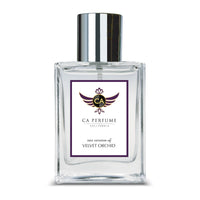
Velvet Orchid — Tom Ford Velvet Orchid Alternative Perfume
7.92
MEI™
Primary Romantic
Secondary Confident
Confidence
7.19
Presence
7.62
Mood Lift
8.55
Identity
7.84
Warmth
9.5
Social Ease
7.82
Energy
4.0
" I am beautiful.
View full mood profile →
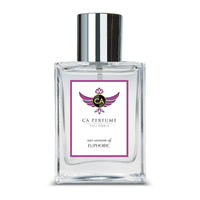
Euphoric — Euphoria Alternative Perfume
7.31
MEI™
Primary Romantic
Secondary Confident
Confidence
7.17
Presence
7.64
Mood Lift
7.53
Identity
7.81
Warmth
7.78
Social Ease
7.17
Energy
3.6
" I am beautiful.
View full mood profile →
HumanSafe™

Top Black Orchid Fragrances by HumanSafe™ Score

These Black Orchid-based fragrances have the highest product-level HumanSafe™ scores in this ingredient collection.

Highest HumanSafe™ Score
Velvet Orchid — Tom Ford Velvet Orchid Alternative Perfume
A-
HumanSafe™ Score Generally Safe
Safest Evaluated Ingredients EDP
AQUA Solvent / Carrier ISS 10.0
ACETIC ACID, PHENYLMETHYL ESTER Evaluated ingredient ISS 10.0
BENZYL SALICYLATE Evaluated ingredient ISS 9.0
3-CYCLOPENTENE-1-ACETALDEHYDE, 2,2,3-TRIMETHYL-, Evaluated ingredient ISS 9.0
3-BUTEN-2-ONE, 3-METHYL-4-(2,6,6-TRIMETHYL-2- Evaluated ingredient ISS 8.0
View full safety profile →
Euphoric — Euphoria Alternative Perfume
A-
HumanSafe™ Score Generally Safe
Safest Evaluated Ingredients EDP
AQUA Solvent / Carrier ISS 10.0
1,4-DIOXACYCLOHEPTADECANE-5,17-DIONE Evaluated ingredient ISS 10.0
BENZYL SALICYLATE Evaluated ingredient ISS 9.0
LINALYL ACETATE Evaluated ingredient ISS 7.0
LINALOOL Evaluated ingredient ISS 7.0
View full safety profile →
Expert Voices

What Masters Say About Black Orchid

"This is not about an ordinary orchid, it's about something a little more strange and rare. I wanted the blackest orchid, and those aren't easy to find."
Tom Ford, Designer
The Black Orchid accord is a perfumer’s fantasy—constructed from a blend of natural and synthetic materials to evoke a dark, floral-gourmand signature that is both modern and timeless.
CA Perfume Editorial
Common Questions

Frequently Asked Questions

Answers to the most common questions about Black Orchid in perfumery.

Black Orchid in perfume smells dark, floral, and gourmand, with a complex interplay of creamy ylang-ylang, earthy truffle, bittersweet chocolate, patchouli, and subtle fruit notes. The scent is opulent and mysterious, evolving from bright citrus and black currant top notes to a dense, lingering base of woods, vanilla, and musks. It is a fantasy accord, not a direct botanical extract, and is known for its powerful projection and longevity.

Black Orchid is classified as a heart note in perfumery. It forms the central theme of a composition, emerging after the initial top notes (citrus, fruit) dissipate and persisting through the fragrance’s evolution. Its molecular structure, combining medium-weight florals and heavier gourmand elements, allows it to bridge the transition from top to base notes.

Black Orchid is favored in niche perfumery for its unique, fantasy-driven profile—combining dark florals, earthy truffle, and gourmand chocolate in a way that is both unisex and unconventional. Its synthetic construction allows for creative flexibility, batch consistency, and the ability to evoke moods and atmospheres unattainable with natural extracts alone.

Black Orchid fragrance uses include pairing with vanilla, patchouli, amber, oud, and leather for depth, or with citrus and green notes for contrast. These combinations leverage shared aroma chemicals (vanillin, patchoulol, isoeugenol) and olfactory masking to create new effects. Notable pairings include vanilla for sweetness, oud for darkness, and bergamot for brightness.

Black Orchid’s heavy, gourmand structure is best suited for cooler weather, as high temperatures increase volatility and can make the scent overpowering. In summer, use sparingly or opt for lighter concentrations (EDT), and consider layering with citrus or green fragrances to balance the intensity.

Black Orchid fragrances are renowned for their longevity, typically lasting 8–12 hours on skin. The base notes—patchouli, chocolate, vanilla, and musks—persist the longest, while the top notes fade within the first hour. Longevity is enhanced by the high concentration of fixatives and heavy molecules.

Yes, Black Orchid can be layered with complementary fragrances to customize its profile. Popular layering partners include vanilla, tonka bean, oud, and citrus notes. Molecular compatibility—such as shared vanillin or patchoulol—ensures harmonious blending and can either amplify the gourmand aspect or lighten the overall effect.

For those new to the Black Orchid accord, Tom Ford Black Orchid Eau de Parfum offers the most balanced introduction, while Black Orchid Voile de Fleur provides a lighter, more floral interpretation. Lattafa Khamrah Qahwa and Rasasi La Yuqawam Femme offer accessible, modern takes with added gourmand or Middle Eastern twists.

Selecting the right Black Orchid fragrance depends on your preference for intensity, sweetness, and supporting notes. CA Perfume’s collection includes options that emphasize the floral, gourmand, or woody aspects of the accord. Sampling different concentrations and pairings is recommended to find your ideal match.

Black Orchid’s dark floral-gourmand profile is bold and distinctive, making it more suitable for evening or special occasions. However, lighter concentrations or careful layering with citrus or green notes can adapt it for daytime or everyday use. Personal skin chemistry and application method also influence wearability.

Amber Floral Collection

Explore Our Top Black Orchid Fragrances

Discover the most popular Black Orchid-inspired scents in the CA Perfume collection, each capturing the accord’s dark floral-gourmand signature.

Shop all black orchid fragrances at CA Perfume →

Where Black Orchid Comes From — Origin & Extraction

Despite its evocative name, Black Orchid is not derived from any specific orchid species. The Orchidaceae family, with over 28,000 species, produces almost no extractable fragrance—vanilla (Vanilla planifolia) being the only exception. The 'black orchid' note is a perfumer’s fantasy, constructed using a blend of natural floral absolutes (ylang-ylang, jasmine, gardenia), synthetic violet and ionone derivatives, and earthy molecules such as 2,4-dithiapentane (truffle aroma) and methyl anthranilate (fruity-floral). Headspace technology is sometimes used to analyze the scent of rare orchid species, but no commercial extraction exists for ornamental orchids. The Black Orchid accord was first developed for Tom Ford by Givaudan in 2006, with the intention of creating an olfactory signature that was both floral and darkly gourmand. The note is produced primarily in fragrance laboratories in Switzerland, France, and the United States. The cost of creating the Black Orchid accord is moderate compared to rare naturals—estimated at $150–$400/kg, depending on the complexity and inclusion of high-grade absolutes. In contrast, natural vanilla absolute can exceed $2,000/kg, while synthetic musks and ionones are less costly ($50–$200/kg). Sustainability is a key consideration: because the Black Orchid note is synthetic, it avoids the ecological impact associated with harvesting rare orchids or endangered woods. The use of synthetics also ensures batch-to-batch consistency and reduces pressure on natural resources. No IFRA restrictions exist for the Black Orchid accord itself, but individual components (e.g., ylang-ylang, certain musks) are subject to concentration limits for skin safety.

Famous Fragrances That Define Black Orchid in Perfumery

The Black Orchid accord has become an icon of modern perfumery, primarily through its association with Tom Ford’s Signature Collection. The original Tom Ford Black Orchid (2006, perfumers David Apel and Pierre Negrin, Givaudan) established the template: a dark, floral-gourmand heart built around the fantasy of a black orchid, layered with truffle, chocolate, and patchouli. The fragrance’s success inspired several reinterpretations and influenced a generation of niche and designer perfumes. In 2007, Tom Ford released Black Orchid Voile de Fleur, a lighter, more floral take on the original, emphasizing white florals and creamy vanilla. In 2020, Black Orchid Parfum intensified the rum, plum, and ylang-ylang facets, offering a more concentrated, unisex experience. Lattafa Khamrah Qahwa (2023) and Rasasi La Yuqawam Femme (2012) are notable for blending the Black Orchid accord with coffee, praline, and oud, expanding its reach into the gourmand and Middle Eastern fragrance spaces. Other significant uses include Club de Nuit Intense Man (Armaf, 2015), which incorporates a dark floral accord reminiscent of Black Orchid, and By Kilian’s Angels’ Share (2020), which uses a similar structure of dark woods, spices, and gourmand notes. CA Perfume’s collection draws on this lineage, offering Black Orchid-inspired scents that emphasize the accord’s versatility and complexity.

Natural vs Synthetic Black Orchid in Perfumery

Black Orchid is a wholly synthetic construct—no natural black orchid essential oil or absolute exists. The accord is built from a combination of aroma chemicals such as methyl ionone (CAS 127-51-5), 2,4-dithiapentane (CAS 1618-26-4, for truffle), and vanillin (CAS 121-33-5), supported by natural ylang-ylang and jasmine absolutes. Synthetic molecules offer superior longevity, diffusion, and stability compared to natural floral extracts, which are often short-lived and variable. Famous fragrances such as Tom Ford Black Orchid (2006) and Black Orchid Parfum (2020) rely almost entirely on synthetic construction for the central accord, with natural materials used as supporting notes. The cost differential is significant: a kilo of the Black Orchid accord costs $150–$400, while a kilo of natural vanilla or ylang-ylang absolute can cost $2,000–$4,000. Synthetics also enable the creation of olfactory effects—such as the earthy truffle or dark chocolate facets—that are impossible to achieve with naturals alone. From a sustainability perspective, the use of synthetics reduces the environmental impact associated with overharvesting rare orchids or tropical woods. CA Perfume’s HumanSafe™ platform ensures full transparency of all synthetic and natural components, with batch-level traceability and IFRA compliance. The Black Orchid accord is formulated to maximize performance while minimizing allergenic risk, using only HumanSafe™ verified ingredients.