Ingredient Guide · Woody Aromatic
Woody Aromatic Family · Perfumery Note

Balsam Fir

Crisp, resinous, and sweetly green — the essence of North American forests.

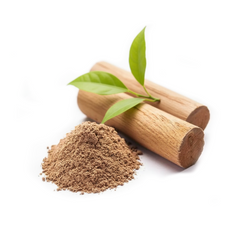
Balsam Fir is a coniferous heart-to-base note prized in perfumery for its crisp, resinous, and sweetly green aroma. Its absolute, extracted from Abies balsamea needles, imparts a tenacious, forest-like character, with usage typically below 1% in fine fragrance compositions.

Balsam Fir
Ingredient Profile

Balsam Fir

Woody Aromatic Family
Family Woody Aromatic
Note Position Heart Note
Usage Level <1% in formula
Key Origins Canada, United States, Germany
Iconic In Fir Balsam, Balsam Fir Forest
The Ingredient

What does Balsam Fir smell like and why is it significant in perfumery?

Balsam Fir (Abies balsamea) is botanically classified as a conifer in the Pinaceae family, native to North America. What does Balsam Fir smell like? Its scent profile is defined by crisp, bright pine and resinous green notes, underpinned by a sweet, jam-like warmth and subtle coumarin undertones. The primary odorant molecules include bornyl acetate (responsible for the piney freshness), α-pinene, β-pinene, and camphene, which together produce a forest-like, invigorating character. Trace amounts of coumarin and hexanal contribute to its sweet, slightly fruity nuance, while its balsamic depth is due to resin acids and esters present in the absolute. Balsam Fir in perfumery functions predominantly as a heart or base note, valued for its excellent tenacity and fixative properties. In fine fragrance compositions, Balsam Fir absolute is typically used at concentrations well below 1% of the total perfume oil, with additions as low as 0.1% sufficient to impart a naturalistic pine effect or to add warmth and complexity to woody, fougère, and oriental accords. Its molecular weight and viscosity mean it evolves slowly on skin, providing a persistent, grounding effect that interacts with skin chemistry to reveal both its green top and resinous base facets. Notable fragrances that exemplify Balsam Fir’s use include Franck Boclet Fir Balsam (2015), where it is paired with vanilla, rose, and patchouli to create a sweetly resinous, woody heart, and Adirondack Fragrance Balsam Fir Forest, which centers on the scent of fir needles and mountain air for a realistic forest impression. In both, Balsam Fir serves as a bridge between fresh top notes and deeper, woody or ambery bases, demonstrating its versatility and enduring appeal in perfumery.

<1% in formula
Balsam Fir absolute is typically used at concentrations below 1% in fine fragrance compositions, as its powerful aroma can dominate blends even at low levels.
400+ hours
On a smelling strip, Balsam Fir absolute demonstrates exceptional longevity, with its resinous, woody facets persisting for over 400 hours.
1,500–2,000 USD/kg
Natural Balsam Fir absolute commands a high price due to low extraction yields and labor-intensive wild harvesting, compared to $50–200/kg for synthetic substitutes.
Origin & Extraction

Where Balsam Fir Comes From — Origin & Extraction

Balsam Fir’s scent profile is deeply influenced by the geography and climate of its origin. Cold, high-altitude forests with acidic soils yield needles rich in bornyl acetate and terpenes, resulting in a more intense, resinous aroma prized by perfumers.

Balsam Fir (Abies balsamea) is a coniferous evergreen native to the boreal forests of North America, particularly abundant in Canada and the northeastern United States. The primary producing regions include Alberta and Quebec in Canada, and Maine and Vermont in the U.S., with Canada accounting for the majority of global Balsam Fir absolute production. The absolute is extracted from wild-harvested needles, often sourced from forests east of Calgary, Alberta, where cold climates and well-drained, acidic soils yield needles with high concentrations of bornyl acetate and other terpenes. Extraction of Balsam Fir absolute is typically performed via solvent extraction, using hexane or ethanol to dissolve the aromatic compounds from the needles. The process operates at low temperatures to preserve volatile monoterpenes and minimize thermal degradation. The resulting concrete is then washed with ethanol to yield the absolute, a dark green, viscous material nearly solid at room temperature. Yields are low, with approximately 1 kg of absolute produced from 100–150 kg of fresh needles. Steam distillation is also used to produce Balsam Fir essential oil, but this method yields a lighter, less tenacious product with reduced balsamic richness compared to the absolute. Natural Balsam Fir absolute commands a high price, typically $1,500–2,000 per kg, due to labor-intensive wild harvesting and low extraction yields. Synthetic substitutes, based on aroma chemicals such as bornyl acetate (CAS 76-49-3), α-pinene (CAS 80-56-8), and camphene (CAS 79-92-5), are significantly less expensive (often $50–200/kg) and are used in mass-market formulations for cost and consistency. Sustainability is a key concern: wild harvesting is regulated in Canada and the U.S. to prevent overexploitation, and certified organic sources are increasingly favored. The HumanSafe™ platform provides traceability and transparency for Balsam Fir sourcing, ensuring ethical and environmentally responsible supply chains.

CA

Canada

Alberta and Quebec are leading regions, with wild-harvested fir from boreal forests. Cold winters and acidic soils produce needles with high bornyl acetate content, yielding a sweet, jam-like, and tenacious absolute. Canada supplies the majority of global Balsam Fir absolute, with strict sustainability standards.

US

United States

Northeastern states like Maine and Vermont are known for Balsam Fir with a crisp, clean, piney aroma. U.S. production focuses on essential oil and absolute from wild and managed forests, with annual output in the hundreds of metric tons.

DE

Germany

The Black Forest region cultivates Balsam Fir for both ornamental and aromatic use. German firs are noted for nuanced, green-pine qualities and are used in niche perfumery, though production volume is lower than North America.

Chemistry

Natural vs Synthetic Balsam Fir in Perfumery

Natural Balsam Fir absolute is a complex mixture of terpenes, esters, and resin acids, with bornyl acetate (CAS 76-49-3), α-pinene (CAS 80-56-8), and camphene (CAS 79-92-5) as primary odorants. Synthetic Balsam Fir notes are constructed from these isolated molecules, often supplemented with hexanal (CAS 66-25-1) for green facets and coumarin (CAS 91-64-5) for sweet undertones. Synthetic forms offer greater batch-to-batch consistency, enhanced stability, and reduced allergenicity, but may lack the nuanced, jam-like depth and tenacity of the natural absolute. Performance-wise, natural Balsam Fir absolute provides superior longevity and fixative power, lasting over 400 hours on a smelling strip, compared to 100–200 hours for synthetic blends. Cost is a major differentiator: natural absolute ranges from $1,500–2,000/kg, while synthetic blends are $50–200/kg. Iconic fragrances such as Franck Boclet Fir Balsam and Ffern Winter 24 utilize natural absolute for its depth and realism, while many mainstream fougère and pine accords rely on synthetics for scalability and regulatory compliance. Sustainability and transparency are increasingly important: wild harvesting is managed to prevent ecosystem disruption, and the HumanSafe™ platform verifies origin and ethical practices for both natural and synthetic sources. CA Perfume prioritizes HumanSafe™ verified Balsam Fir, ensuring traceability and minimizing environmental impact.

Natural
Balsam Fir Absolute
Cost $3,000–6,000/kg
Method Solvent / CO₂
Character Complex, variable
vs
Synthetic
Safranal & Analogues
Cost $50–200/kg
Method Lab synthesis
Character Consistent, stable
Hall of Fame

Famous Fragrances That Define Balsam Fir in Perfumery

2015
dominant note

Fir Balsam

Franck Boclet
by Franck Boclet
VanillaRosePatchouliBenzoinLabdanum
2022
dominant note

Balsam Fir Forest

Adirondack Fragrance
PineMountain AirFresh Note
2024
heart/base note

Winter 24

Ffern
CedarMossCypress
2016
bridge note

Vert d’Encens

Tom Ford
by Yann Vasnier, Antoine Maisondieu
IncensePine ResinGalbanum
2017
accent

Tenebrae 26

L’Artisan Parfumeur
by Quentin Bisch
IncensePineEarthy Notes
1978
supporting note

Polo Green

Ralph Lauren
by Carlos Benaïm
PineCedarwoodOakmossLeather

Balsam Fir has defined the olfactory signature of numerous landmark fragrances, particularly in the woody aromatic and fougère genres. In Franck Boclet Fir Balsam (2015), perfumer Franck Boclet employs Balsam Fir as a dominant heart note, blending it with vanilla, rose, and patchouli for a sweetly resinous, forest-inspired composition. Adirondack Fragrance Balsam Fir Forest (2022) centers on the scent of fir needles and mountain air, using Balsam Fir as the core around which fresh and woody notes are built. Ffern Winter 24 (2024), composed by Ffern’s in-house team, features Balsam Fir absolute from Alberta, Canada, as a mid-to-base note, paired with cedar, moss, and cypress for a nuanced, long-lasting forest accord. Tom Ford Vert d’Encens (2016, perfumers Yann Vasnier and Antoine Maisondieu) integrates Balsam Fir with incense, pine resin, and galbanum, creating a smoky, coniferous bridge between green and woody notes. L’Artisan Parfumeur Tenebrae 26 (2017, perfumer Quentin Bisch) uses Balsam Fir alongside incense and pine to evoke the atmosphere of a deep forest. Historically, Balsam Fir has also appeared in classic masculine fragrances such as Polo Green (Ralph Lauren, 1978, perfumer Carlos Benaïm), where it forms part of the iconic pine-woody accord. CA Perfume’s collection draws inspiration from this lineage, offering Balsam Fir-centered compositions that honor both tradition and contemporary innovation.

The Accord

How is a captivating Balsam Fir accord crafted?

A classic Balsam Fir accord balances the crisp, resinous freshness of fir with complementary notes that amplify its forest character and add depth. Typical proportions: Balsam Fir 25–30%, Cypress 20–25%, Juniper 20–25%, Sandalwood 25–30%. Each ingredient is selected for its molecular affinity and olfactory synergy, resulting in a vibrant, long-lasting green-woody blend.

30%

Balsam Fir

25–30% of blend

Provides the core piney, resinous freshness and balsamic depth, driven by bornyl acetate and α-pinene. Its high tenacity anchors the accord.

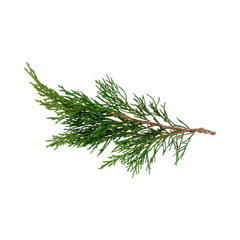
25%

Cypress

20–25% of blend

Adds crisp, green, slightly peppery facets via α-pinene and sabinene, enhancing the coniferous brightness and extending the top note effect.

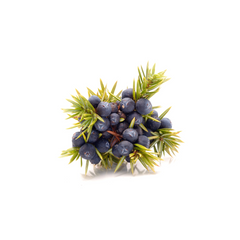
25%

Juniper

20–25% of blend

Contributes a fruity, gin-like freshness from juniperol and myrcene, bridging green and resinous notes for complexity and lift.

30%

Sandalwood

25–30% of blend

Imparts creamy, woody smoothness through santalol, rounding the sharpness of fir and providing a soft, persistent base.

The Olfactory Layers

How Balsam Fir Evolves on Skin

Balsam Fir’s olfactory evolution unfolds from a vivid, piney-green opening to a warm, resinous heart and a persistent, balsamic-woody base. High-volatility monoterpenes evaporate quickly, revealing deeper, tenacious resin acids and esters over time.

I
Top notes
0–15 min
Pine Forest Burst

The initial impression is a crisp, invigorating burst of pine needles and green sap, dominated by bornyl acetate, α-pinene, and β-pinene. These highly volatile molecules create a fresh, forest-air effect that dissipates rapidly as the fragrance settles.

Crisp PineGreen SapInvigorating
II
Heart notes
20–60 min
Balsamic Warmth

As the top notes fade, a warm, sweetly balsamic heart emerges, with coumarin and resin acids lending a jam-like, slightly fruity quality. The fir’s resinous depth is accentuated by subtle licorice and woody undertones, providing comfort and persistence.

Balsamic WarmthSweet ResinWoody
III
Base notes
Several hours
Resinous Tenacity

The drydown is characterized by enduring balsamic-woody facets, as heavier resin acids and esters (such as abienol) remain. A creamy, mossy undertone lingers, often supported by sandalwood or cedar in blended compositions.

ResinousWoodyTenacious
TOP NOTES Pine Forest Burst 0–15 minutes HEART NOTES Balsamic Warmth 20–60 minutes BASE NOTES Resinous Tenacity Several hours
Through the Ages

The Story of Balsam Fir in Perfumery

Balsam Fir’s journey in perfumery spans indigenous use, 19th-century extraction, and modern niche fragrance innovation.

Pre-19th Century

Indigenous Use of Balsam Fir Resin

Native peoples of North America used Balsam Fir resin for medicinal, aromatic, and ceremonial purposes. The resin was prized for its antiseptic properties and forest scent.

1880s

First Commercial Extraction

Solvent extraction of Balsam Fir needles began in Canada and the northeastern U.S., producing essential oil and absolute for use in colognes and apothecary blends.

1978

Polo Green Launches

Ralph Lauren’s Polo Green, composed by Carlos Benaïm, popularizes pine and fir accords in masculine perfumery, cementing Balsam Fir’s role in woody-aromatic compositions.

2015

Fir Balsam by Franck Boclet

Franck Boclet’s Fir Balsam fragrance showcases the note as a dominant heart, blending it with vanilla and patchouli for a modern, resinous signature.

2024

Ffern Winter 24 Features Canadian Balsam Fir

Ffern’s Winter 24 Eau de Parfum uses Alberta-sourced Balsam Fir absolute, emphasizing sustainable harvesting and the note’s jam-like, long-lasting aroma.

The Art of Layering

How to Layer Balsam Fir

Understanding how to layer Balsam Fir is key to crafting a multidimensional scent. Molecular compatibility with citrus, woods, and resins enables complex, harmonious blends.

01

Enhance Freshness

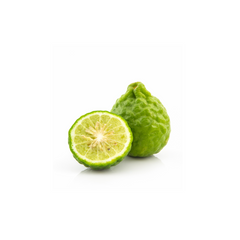
Layer Balsam Fir with bergamot or lemon to amplify its green, piney top notes. Shared monoterpenes (like limonene and α-pinene) create a seamless, sparkling effect. Ffern Winter 24 demonstrates this synergy with a citrus-fir opening.

02

Add Depth

Pair Balsam Fir with sandalwood or cedarwood. The santalol and cedrol molecules in these woods complement the fir’s resin acids, enhancing longevity and providing a creamy, grounding base. Franck Boclet Fir Balsam exemplifies this approach.

03

Soften Resinous Edges

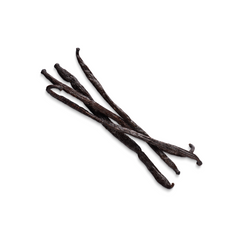
Combine Balsam Fir with vanilla or tonka bean. Coumarin and vanillin molecules in these notes mask the sharper facets of fir, yielding a sweet, comforting drydown. This technique is used in many gourmand-woody blends.

Wear It Right

How to Wear Balsam Fir Like a Pro

Seasonal Guide

Fall & Winter

Cool, dry air slows the evaporation of volatile terpenes, allowing the resinous, woody base to linger. Apply to pulse points and clothing for maximum projection. Balsam Fir’s forest warmth is especially comforting in cold weather.

Spring

Moderate temperatures enhance the green, piney freshness of Balsam Fir. Lighter application allows the crisp top notes to shine without overwhelming. Layer with florals or citrus for a lively, outdoorsy effect.

Summer

Heat increases volatility, causing the piney top notes to dissipate quickly and revealing the sweet, balsamic heart. Opt for lighter concentrations or apply to cooler areas (inner elbows, behind knees) to prolong freshness.

Year-Round Tip

Humidity amplifies projection but can mute the crispness of Balsam Fir. Adjust dosage and consider layering with citrus or herbal notes to maintain clarity in warm, damp conditions.

Application Points

Strategic application enhances Balsam Fir’s evolution and projection. Target pulse points and hair for optimal diffusion.

1

Neck

Pulse points on the neck emit heat, accelerating the release of piney top notes and ensuring the fragrance is noticed in close encounters.

2

Behind the Ears

This area is slightly cooler, allowing the balsamic heart and woody base to develop more slowly and persistently.

3

Inner Wrists

Frequent movement and warmth here enhance the diffusion of volatile terpenes, making the green freshness more prominent.

4

Hair

Hair retains scent molecules, providing a slow, sustained release of Balsam Fir’s resinous and woody notes throughout the day.

Pro Tip

Apply a small amount to clothing or scarf for extended longevity, as fabric holds the tenacious base notes longer than skin.

Mood Architecture™

Top Balsam Fir Fragrances by Mood Score

These Balsam Fir-based fragrances scored highest on the MEI™ Mood Architecture Framework — measuring how a scent may influence your emotional state.

Highest MEI Score
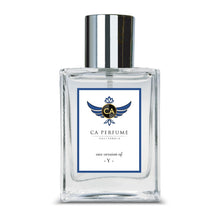
Y — YSL Y Alternative Cologne
#1
Y — YSL Y Alternative Cologne
Starting from $14.99
7.45
MEI™
Primary Fresh
Secondary Energizing
Confidence
6.83
Presence
7.35
Mood Lift
9.5
Identity
6.73
Warmth
6.43
Social Ease
7.2
Energy
5.2
" I am radiant.
View full mood profile →
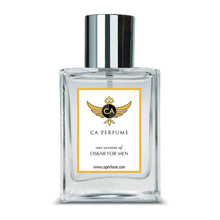
Oskar For Men — Oscar Alternative Cologne
6.79
MEI™
Primary Romantic
Secondary Confident
Confidence
6.65
Presence
7.07
Mood Lift
7.07
Identity
6.8
Warmth
7.52
Social Ease
6.31
Energy
4.6
" I am beautiful.
View full mood profile →
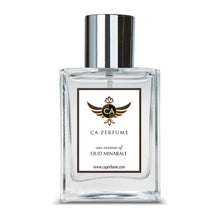
Oud Minerale — Tom Ford Oud Minerale Alternative Perfume
6.34
MEI™
Primary Magnetic
Secondary Confident
Confidence
6.52
Presence
7.12
Mood Lift
6.52
Identity
6.81
Warmth
6.05
Social Ease
5.8
Energy
4.7
" I am bold.
View full mood profile →
HumanSafe™

Top Balsam Fir Fragrances by HumanSafe™ Score

These Balsam Fir-based fragrances have the highest product-level HumanSafe™ scores in this ingredient collection.

Highest HumanSafe™ Score
Y — YSL Y Alternative Cologne
#1
Y — YSL Y Alternative Cologne
Starting from $14.99
A-
HumanSafe™ Score Generally Safe
Safest Evaluated Ingredients EDP
AQUA Solvent / Carrier ISS 10.0
1,4-DIOXACYCLOHEPTADECANE-5,17-DIONE Evaluated ingredient ISS 10.0
7-OCTEN-2-OL, 2,6-DIMETHYL- Evaluated ingredient ISS 9.0
2-HEXENE, 6,6-DIMETHOXY-2,5,5-TRIMETHYL- Evaluated ingredient ISS 8.0
LINALYL ACETATE Evaluated ingredient ISS 7.0
LINALOOL Evaluated ingredient ISS 7.0
View full safety profile →
Oskar For Men — Oscar Alternative Cologne
A-
HumanSafe™ Score Generally Safe
Safest Evaluated Ingredients EDP
AQUA Solvent / Carrier ISS 10.0
7-OCTEN-2-OL, 2,6-DIMETHYL- Evaluated ingredient ISS 9.0
LINALYL ACETATE Evaluated ingredient ISS 7.0
LINALOOL Evaluated ingredient ISS 7.0
ALCOHOL DENAT. Solvent / Carrier ISS 7.0
1,3-CYCLOHEXADIENE, 2-METHYL-5-(1-METHYLETHYL)- Evaluated ingredient ISS 7.0
View full safety profile →
Oud Minerale — Tom Ford Oud Minerale Alternative Perfume
A-
HumanSafe™ Score Generally Safe
Safest Evaluated Ingredients Legacy
WATER Solvent ISS 10.0
ETHYLENE BRASSYLATE Fragrance ingredient ISS 10.0
BENZYL SALICYLATE Fragrance ingredient ISS 8.5
1-methoxy-4-prop-1-enylbenzene Fragrance ingredient ISS 8.5
0005462-06-6 Fragrance ingredient ISS 8.5
5,5,6-TRIMETHYLBICYCLOHEPT-2-YLCYCLOHEXANOL Fragrance ingredient ISS 7.5
View full safety profile →
Expert Voices

What Masters Say About Balsam Fir

"Additions far below one percent in the perfume oil are often sufficient to introduce the wanted 'naturalness' to a pine fragrance, and much smaller concentrations can be used to obtain warm and 'special effects' in many other perfume types."
Steffen Arctander, Perfume and Flavor Materials of Natural Origin (1960)
Balsam Fir’s molecular complexity—rich in bornyl acetate and resin acids—gives it a unique ability to bridge crisp green freshness and deep balsamic warmth within a single composition.
CA Perfume Editorial
Common Questions

Frequently Asked Questions

Answers to common questions about Balsam Fir in perfumery.

Balsam Fir in perfume offers a crisp, piney-green aroma with resinous warmth and a sweet, jam-like undertone. The scent is driven by bornyl acetate, α-pinene, and coumarin, creating an impression of walking through a conifer forest. It is both invigorating and grounding, with a tenacious woody-balsamic drydown. Notable examples include Franck Boclet Fir Balsam and Adirondack Fragrance Balsam Fir Forest.

Balsam Fir is most commonly used as a heart-to-base note in perfumery. Its molecular weight and resinous composition give it excellent tenacity, allowing it to persist for hours as the fragrance evolves. While its green top notes are initially prominent, the balsamic and woody facets dominate the drydown.

Niche perfumers value Balsam Fir for its ability to impart a realistic, natural forest character and for its molecular complexity. Its balance of green freshness and balsamic depth allows it to serve as both a dominant note and a bridge between other woody, citrus, or resinous ingredients. Its sustainable sourcing and artisanal extraction methods also appeal to niche brands.

Balsam Fir fragrance uses often include pairing with citrus (bergamot, lemon), woods (cedar, sandalwood), resins (amber, labdanum), and sweet notes (vanilla, tonka bean). These combinations leverage molecular affinities—such as shared monoterpenes or coumarin content—to create harmonious, multidimensional blends.

Balsam Fir can be worn year-round, but in hot weather, its volatile piney notes evaporate quickly, leaving a softer, balsamic heart. Lighter concentrations or layering with citrus and herbal notes can help maintain freshness and prevent the scent from becoming overly resinous or heavy.

Balsam Fir absolute is known for its exceptional longevity, often persisting for over 400 hours on a smelling strip. On skin, its tenacity depends on concentration and formulation, but it typically lasts 6–10 hours, with the woody-balsamic base lingering the longest.

Yes, Balsam Fir is highly versatile for layering. It blends well with citrus, woods, resins, and sweet notes, allowing you to customize the scent profile. For example, layering with bergamot enhances freshness, while pairing with sandalwood or vanilla adds depth and warmth.

Recommended entry points include Franck Boclet Fir Balsam for a sweet-resinous take, Adirondack Fragrance Balsam Fir Forest for a realistic forest scent, and Ffern Winter 24 for a nuanced, long-lasting blend. These fragrances showcase Balsam Fir’s versatility in both dominant and supporting roles.

Explore CA Perfume’s collection by considering your preferred scent profile—whether you favor crisp green freshness, deep balsamic warmth, or a balanced blend. Consult the ingredient breakdown and layering recommendations to find a Balsam Fir fragrance that suits your style and season.

Balsam Fir is primarily sweet-balsamic and resinous, with only subtle spicy undertones. The sweetness comes from coumarin and certain esters, while the green, piney freshness is due to monoterpenes. It is not typically classified as spicy, but can be paired with spices for added complexity.

Woody Aromatic Collection

Explore Our Top Balsam Fir Fragrances

Discover CA Perfume’s curated selection of Balsam Fir-centered fragrances, each highlighting the ingredient’s unique balance of piney freshness and balsamic depth.

Shop all balsam fir fragrances at CA Perfume →

Where Balsam Fir Comes From — Origin & Extraction

Balsam Fir (Abies balsamea) is a coniferous evergreen native to the boreal forests of North America, particularly abundant in Canada and the northeastern United States. The primary producing regions include Alberta and Quebec in Canada, and Maine and Vermont in the U.S., with Canada accounting for the majority of global Balsam Fir absolute production. The absolute is extracted from wild-harvested needles, often sourced from forests east of Calgary, Alberta, where cold climates and well-drained, acidic soils yield needles with high concentrations of bornyl acetate and other terpenes. Extraction of Balsam Fir absolute is typically performed via solvent extraction, using hexane or ethanol to dissolve the aromatic compounds from the needles. The process operates at low temperatures to preserve volatile monoterpenes and minimize thermal degradation. The resulting concrete is then washed with ethanol to yield the absolute, a dark green, viscous material nearly solid at room temperature. Yields are low, with approximately 1 kg of absolute produced from 100–150 kg of fresh needles. Steam distillation is also used to produce Balsam Fir essential oil, but this method yields a lighter, less tenacious product with reduced balsamic richness compared to the absolute. Natural Balsam Fir absolute commands a high price, typically $1,500–2,000 per kg, due to labor-intensive wild harvesting and low extraction yields. Synthetic substitutes, based on aroma chemicals such as bornyl acetate (CAS 76-49-3), α-pinene (CAS 80-56-8), and camphene (CAS 79-92-5), are significantly less expensive (often $50–200/kg) and are used in mass-market formulations for cost and consistency. Sustainability is a key concern: wild harvesting is regulated in Canada and the U.S. to prevent overexploitation, and certified organic sources are increasingly favored. The HumanSafe™ platform provides traceability and transparency for Balsam Fir sourcing, ensuring ethical and environmentally responsible supply chains.

Famous Fragrances That Define Balsam Fir in Perfumery

Balsam Fir has defined the olfactory signature of numerous landmark fragrances, particularly in the woody aromatic and fougère genres. In Franck Boclet Fir Balsam (2015), perfumer Franck Boclet employs Balsam Fir as a dominant heart note, blending it with vanilla, rose, and patchouli for a sweetly resinous, forest-inspired composition. Adirondack Fragrance Balsam Fir Forest (2022) centers on the scent of fir needles and mountain air, using Balsam Fir as the core around which fresh and woody notes are built. Ffern Winter 24 (2024), composed by Ffern’s in-house team, features Balsam Fir absolute from Alberta, Canada, as a mid-to-base note, paired with cedar, moss, and cypress for a nuanced, long-lasting forest accord. Tom Ford Vert d’Encens (2016, perfumers Yann Vasnier and Antoine Maisondieu) integrates Balsam Fir with incense, pine resin, and galbanum, creating a smoky, coniferous bridge between green and woody notes. L’Artisan Parfumeur Tenebrae 26 (2017, perfumer Quentin Bisch) uses Balsam Fir alongside incense and pine to evoke the atmosphere of a deep forest. Historically, Balsam Fir has also appeared in classic masculine fragrances such as Polo Green (Ralph Lauren, 1978, perfumer Carlos Benaïm), where it forms part of the iconic pine-woody accord. CA Perfume’s collection draws inspiration from this lineage, offering Balsam Fir-centered compositions that honor both tradition and contemporary innovation.

Natural vs Synthetic Balsam Fir in Perfumery

Natural Balsam Fir absolute is a complex mixture of terpenes, esters, and resin acids, with bornyl acetate (CAS 76-49-3), α-pinene (CAS 80-56-8), and camphene (CAS 79-92-5) as primary odorants. Synthetic Balsam Fir notes are constructed from these isolated molecules, often supplemented with hexanal (CAS 66-25-1) for green facets and coumarin (CAS 91-64-5) for sweet undertones. Synthetic forms offer greater batch-to-batch consistency, enhanced stability, and reduced allergenicity, but may lack the nuanced, jam-like depth and tenacity of the natural absolute. Performance-wise, natural Balsam Fir absolute provides superior longevity and fixative power, lasting over 400 hours on a smelling strip, compared to 100–200 hours for synthetic blends. Cost is a major differentiator: natural absolute ranges from $1,500–2,000/kg, while synthetic blends are $50–200/kg. Iconic fragrances such as Franck Boclet Fir Balsam and Ffern Winter 24 utilize natural absolute for its depth and realism, while many mainstream fougère and pine accords rely on synthetics for scalability and regulatory compliance. Sustainability and transparency are increasingly important: wild harvesting is managed to prevent ecosystem disruption, and the HumanSafe™ platform verifies origin and ethical practices for both natural and synthetic sources. CA Perfume prioritizes HumanSafe™ verified Balsam Fir, ensuring traceability and minimizing environmental impact.