

Ingredient Guide · Woody Aromatic
Woody Aromatic Family · Perfumery Note

Atlas Cedar

Discover the rich, woody aroma of Atlas Cedar in perfumery.

Atlas Cedar, derived from the wood of Cedrus atlantica, offers a warm, woody scent with balsamic and slightly sweet nuances. In perfumery, it serves as a base note, providing depth and longevity to compositions. The essential oil is extracted through steam distillation, capturing the essence of the wood. Notable fragrances featuring Atlas Cedar include Dior Homme by Dior and Acqua di Parma Colonia Oud by Acqua di Parma.

Atlas Cedar
Ingredient Profile

Atlas Cedar

Woody Aromatic Family
Family Woody Aromatic
Note Position Base Note
Usage Level <3%
Key Origins Morocco, Algeria
The Ingredient

What does Atlas Cedar smell like and why is it so sought after?

Atlas Cedar, scientifically known as Cedrus atlantica, is a conifer native to the Atlas Mountains of Morocco and Algeria. The essential oil extracted from its wood is characterized by a warm, woody aroma with balsamic and slightly sweet nuances. This scent profile is primarily attributed to compounds such as himachalenes and atlantones, which contribute to its depth and complexity. In perfumery, Atlas Cedar serves as a base note, providing depth and longevity to compositions. It is typically used at concentrations of less than 3% in formulations. The oil is extracted through steam distillation, a process that involves passing steam through the wood to vaporize the volatile compounds, which are then condensed and collected. This method preserves the purity of the aromatic molecules. The scent of Atlas Cedar is less resinous compared to other types of cedarwood, making it a versatile and harmonious addition to both masculine and feminine compositions. It pairs well with various aromatic, floral, and citrus notes, enhancing the overall complexity of a fragrance. Notable fragrances featuring Atlas Cedar include Dior Homme by Dior, where it serves as a base note, and Acqua di Parma Colonia Oud by Acqua di Parma, where it adds depth to the composition. These examples demonstrate the versatility and enduring appeal of Atlas Cedar in the world of perfumery.

1–2 Sprays
A few spritzes are sufficient to enjoy the warm, enveloping character of Atlas Cedar without overwhelming the senses.
6–8 Hours
Fragrances anchored by Atlas Cedar typically last quite well, often resonating with warmth and complexity throughout the day.
<3%
A small percentage in formulations can yield a luxurious and impactful presence, showcasing the beauty of Atlas Cedar's scent without overpowering the blend.
Origin & Extraction

Where Atlas Cedar Comes From — Origin & Extraction

Atlas Cedar is native to the Atlas Mountains of Morocco and Algeria, regions known for their rugged terrain and rich biodiversity. The unique climate and soil conditions of these areas contribute to the distinctive aroma of the wood, which is highly valued in perfumery for its depth and complexity.

Atlas Cedar, or Cedrus atlantica, is native to the Atlas Mountains of Morocco and Algeria. The essential oil is obtained through steam distillation of the wood and sawdust, a process that involves passing steam through the wood to vaporize the volatile compounds, which are then condensed and collected. This method preserves the purity of the aromatic molecules. The oil is typically amber-colored and viscous, with a characteristic woody scent. In perfumery, Atlas Cedar is used as a base note, providing depth and longevity to fragrances. It is often paired with other woody notes such as labdanum, amber, frankincense, and patchouli. The oil is also used in aromatherapy for its grounding and calming properties. Due to sustainability concerns and cost-effectiveness, synthetic alternatives to natural Atlas Cedar oil have been developed. These synthetics mimic the natural scent and are used when sustainability or cost is a concern. However, natural Atlas Cedar oil is still highly valued for its complexity and depth, which are difficult to replicate synthetically.

MA

Morocco

In Morocco, Atlas Cedar thrives in the Middle Atlas region, where the cool, moist climate and rich soil conditions contribute to the wood's aromatic properties. The trees are harvested sustainably, ensuring the preservation of the species and the surrounding ecosystem.

DZ

Algeria

In Algeria, Atlas Cedar is found in the Aurès Mountains, where the dry, mountainous terrain imparts a unique character to the wood. The harvesting practices are traditional, with a focus on maintaining the health of the forest and the quality of the wood.

Chemistry

Natural vs Synthetic Atlas Cedar in Perfumery

In perfumery, Atlas Cedar is used both in its natural form and as a synthetic substitute. The natural essential oil is extracted through steam distillation of the wood and sawdust, capturing the essence of the wood. This oil is amber-colored and viscous, with a characteristic woody scent. However, due to sustainability concerns and cost-effectiveness, synthetic alternatives have been developed. These synthetics mimic the natural scent and are used when sustainability or cost is a concern. The primary synthetic substitutes are compounds such as 4-acetyl-1-methylcyclohexene and vestitenone, which reproduce the woody and balsamic facets of the natural oil. These aroma chemicals cost approximately $50–200/kg compared to $3,000–6,000/kg for natural Atlas Cedar oil. The choice between natural and synthetic Atlas Cedar in perfumery depends on factors such as sustainability, cost, and the desired complexity of the fragrance. Natural Atlas Cedar oil is prized for its depth and complexity, which are difficult to replicate synthetically. However, synthetic alternatives offer consistency and are more cost-effective, making them a viable option in certain applications.

Natural
Atlas Cedar Absolute
Cost $3,000–6,000/kg
Method Solvent / CO₂
Character Complex, variable
vs
Synthetic
Safranal & Analogues
Cost $50–200/kg
Method Lab synthesis
Character Consistent, stable
Hall of Fame

Famous Fragrances That Define Atlas Cedar in Perfumery

Atlas Cedar has been a cornerstone in perfumery, adding depth and longevity to numerous compositions. Here are some notable fragrances that showcase its versatility: - **Dior Homme by Dior (2005)**: Performed by Olivier Polge, this fragrance features Atlas Cedar as a base note, providing a woody foundation that complements iris and leather notes. - **Acqua di Parma Colonia Oud by Acqua di Parma (2013)**: In this composition, Atlas Cedar enhances the depth of oud, balancing its intensity with a warm, woody aroma. - **Terre d'Hermès by Hermès (2006)**: Performed by Jean-Claude Ellena, this fragrance incorporates Atlas Cedar to anchor the citrus and woody notes, adding a grounding element to the composition. - **Féminité du Bois by Shiseido and Serge Lutens (1992)**: This unisex fragrance blends Atlas Cedar with plum and spices, creating a complex and enduring scent. - **Dolce Vita by Dior (1995)**: In this fragrance, Atlas Cedar serves as a base note, providing depth to the floral and fruity composition. These examples demonstrate the enduring appeal of Atlas Cedar in perfumery, showcasing its ability to enhance and ground a wide range of fragrance compositions.

The Accord

How is a captivating Atlas Cedar accord crafted?

An Atlas Cedar accord can be crafted by blending the following ingredients: - **Atlas Cedar**: 20–25% of blend - Provides the woody, balsamic foundation. - **Labdanum**: 15–20% of blend - Adds resinous depth and complexity. - **Amber**: 25–30% of blend - Contributes warmth and a sweet undertone. - **Frankincense**: 25–30% of blend - Introduces a smoky, incense-like quality. This combination results in a rich, woody accord that serves as a versatile base in various fragrance compositions.

The Olfactory Layers

How Atlas Cedar Evolves on Skin

The olfactory experience of Atlas Cedar evolves over time, with distinct phases: - **Top Notes (0–15 minutes)**: Initially, the scent is dry and resinous, with a subtle smokiness that dissipates quickly. - **Heart Notes (20–60 minutes)**: The woody aroma becomes more pronounced, with balsamic and slightly sweet nuances emerging as the top notes fade. - **Base Notes (Several hours)**: The fragrance settles into a deep, grounding woody scent, with lingering warmth and complexity that lasts for hours.

I
Top notes
0–15 min
Dry and Resinous

The initial impression is dry and resinous, with a subtle smokiness that dissipates quickly, leaving a clean, woody scent.

DryResinousSmoky
II
Heart notes
20–60 min
Woody and Balsamic

The woody aroma becomes more pronounced, with balsamic and slightly sweet nuances emerging as the top notes fade, adding depth and complexity.

WoodyBalsamicSweet
III
Base notes
Several hours
Deep and Grounding

The fragrance settles into a deep, grounding woody scent, with lingering warmth and complexity that lasts for hours, providing a lasting impression.

DeepGroundingWarm
TOP NOTES Dry and Resinous 0–15 minutes HEART NOTES Woody and Balsamic 20–60 minutes BASE NOTES Deep and Grounding Several hours
Through the Ages

The Story of Atlas Cedar in Perfumery

Atlas Cedar has a rich history in perfumery, with its use dating back to ancient times. Its enduring appeal lies in its ability to provide depth and longevity to fragrances, making it a staple in both traditional and modern compositions.

Ancient Times

Historical Use

Atlas Cedar was prized by ancient civilizations for its durable and aromatic wood, used in construction and incense. Its essential oil was also utilized for its therapeutic properties.

Early 20th Century

Introduction to Western Perfumery

The unique aroma of Atlas Cedar was introduced to Western perfumery, where it began to be used as a base note in various compositions.

1992

Féminité du Bois by Shiseido and Serge Lutens

This unisex fragrance blended Atlas Cedar with plum and spices, creating a complex and enduring scent that showcased the versatility of the ingredient.

2005

Dior Homme by Dior

Performed by Olivier Polge, this fragrance featured Atlas Cedar as a base note, providing a woody foundation that complemented iris and leather notes.

2013

Acqua di Parma Colonia Oud by Acqua di Parma

In this composition, Atlas Cedar enhanced the depth of oud, balancing its intensity with a warm, woody aroma.

The Art of Layering

How to Layer Atlas Cedar

Layering Atlas Cedar with complementary notes can enhance its depth and complexity.

01

Enhance Woody Depth

Pairing Atlas Cedar with sandalwood (Santalum album) and vetiver (Chrysopogon zizanioides) creates a rich, earthy base, with sandalwood's creamy texture and vetiver's smoky undertones complementing Atlas Cedar's woody aroma.

02

Add Citrus Brightness

Combining Atlas Cedar with bergamot (Citrus bergamia) and lemon (Citrus limon) introduces a fresh, zesty top note that balances the depth of Atlas Cedar, creating a harmonious blend.

03

Introduce Floral Elegance

Layering Atlas Cedar with rose (Rosa damascena) and jasmine (Jasminum grandiflorum) adds a floral heart, with rose's sweet aroma and jasmine's exotic scent enhancing the woody base of Atlas Cedar.

Wear It Right

How to Wear Atlas Cedar Like a Pro

Seasonal Guide

Fall & Winter

The deep, grounding scent of Atlas Cedar complements the cooler temperatures, offering a warm and enveloping aroma that enhances the cozy atmosphere of the season.

Spring

In spring, Atlas Cedar's woody aroma adds depth to floral compositions, balancing the freshness of the season with its grounding presence.

Summer

While less common in summer fragrances, Atlas Cedar can provide a refreshing contrast to lighter notes, adding complexity to summer compositions.

Year-Round Tip

Atlas Cedar's versatility allows it to be used year-round, providing a consistent and grounding presence in various fragrance compositions.

Application Points

Strategic application of Atlas Cedar can enhance its grounding and comforting properties.

1

Neck

Applying fragrance to the neck allows the scent to diffuse with body heat, enhancing the projection of Atlas Cedar's aroma.

2

Behind the Ears

This pulse point emits heat, aiding in the diffusion of the fragrance and allowing Atlas Cedar's scent to develop fully.

3

Inner Wrists

The warmth of the wrists helps in the gradual release of the fragrance, allowing Atlas Cedar's aroma to evolve over time.

4

Hair

Hair retains fragrance well, allowing Atlas Cedar's scent to linger and be released gradually throughout the day.

Pro Tip

For a more pronounced scent, apply fragrance to clothing or scarves, where Atlas Cedar's aroma can be preserved longer.

Mood Architecture™

Top Atlas Cedar Fragrances by Mood Score

These Atlas Cedar-based fragrances scored highest on the MEI™ Mood Architecture Framework — measuring how a scent may influence your emotional state.

Highest MEI Score
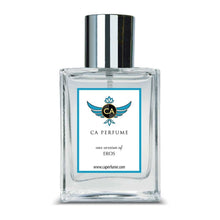
Eros — Versace Eros Alternative Cologne
8.39
MEI™
Primary Romantic
Secondary Energizing
Confidence
7.32
Presence
7.15
Mood Lift
9.5
Identity
7.47
Warmth
9.5
Social Ease
9.15
Energy
5.3
" I am beautiful.
View full mood profile →
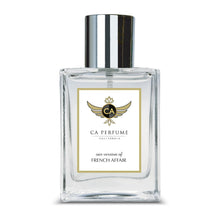
French Affair — Ex Nihilo French Affair Alternative Perfume
8.02
MEI™
Primary Magnetic
Secondary Confident
Confidence
8.63
Presence
9.5
Mood Lift
7.64
Identity
9.26
Warmth
8.27
Social Ease
7.08
Energy
3.1
" I am bold.
View full mood profile →
L'eau De Issara Mikai — L'eau Bleue D'issey Alternative Cologne
6.13
MEI™
Primary Fresh
Secondary Romantic
Confidence
5.13
Presence
5.39
Mood Lift
7.47
Identity
5.74
Warmth
6.05
Social Ease
7.06
Energy
2.8
" I am radiant.
View full mood profile →
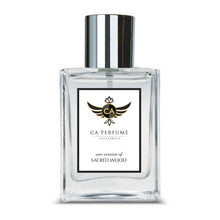
Sacred Wood — By Kilian Sacred Wood Alternative Perfume
6.05
MEI™
Primary Serene
Secondary Romantic
Confidence
5.5
Presence
5.87
Mood Lift
6.07
Identity
5.61
Warmth
7.64
Social Ease
6.2
Energy
4.1
" I am enough.
View full mood profile →
HumanSafe™

Top Atlas Cedar Fragrances by HumanSafe™ Score

These Atlas Cedar-based fragrances have the highest product-level HumanSafe™ scores in this ingredient collection.

Highest HumanSafe™ Score
Sacred Wood — By Kilian Sacred Wood Alternative Perfume
A-
HumanSafe™ Score Generally Safe
Safest Evaluated Ingredients EDP
AQUA Solvent / Carrier ISS 10.0
3-CYCLOPENTENE-1-ACETALDEHYDE, 2,2,3-TRIMETHYL-, Evaluated ingredient ISS 9.0
SANTALOL Evaluated ingredient ISS 8.0
AMBREIN Evaluated ingredient ISS 7.0
View full safety profile →
French Affair — Ex Nihilo French Affair Alternative Perfume
A-
HumanSafe™ Score Generally Safe
Safest Evaluated Ingredients EDP
BENZENEMETHANOL, .ALPHA.-(TRICHLOROMETHYL)-, ACETATE Evaluated ingredient ISS 10.0
AQUA Solvent / Carrier ISS 10.0
1,4-DIOXACYCLOHEPTADECANE-5,17-DIONE Evaluated ingredient ISS 10.0
1H-BENZOCYCLOHEPTENE, 2,4A,5,6,7,8-HEXAHYDRO-3,5,5,9- Evaluated ingredient ISS 9.0
3-BUTEN-2-ONE, 3-METHYL-4-(2,6,6-TRIMETHYL-2- Evaluated ingredient ISS 8.0
CITRONELLOL Evaluated ingredient ISS 7.0
View full safety profile →
Eros — Versace Eros Alternative Cologne
A-
HumanSafe™ Score Generally Safe
Safest Evaluated Ingredients EDP
AQUA Solvent / Carrier ISS 10.0
7-OCTEN-2-OL, 2,6-DIMETHYL- Evaluated ingredient ISS 9.0
3-BUTEN-2-ONE, 3-METHYL-4-(2,6,6-TRIMETHYL-2- Evaluated ingredient ISS 8.0
2H-1-BENZOPYRAN-2-ONE Evaluated ingredient ISS 8.0
2-HEXENE, 6,6-DIMETHOXY-2,5,5-TRIMETHYL- Evaluated ingredient ISS 8.0
LINALYL ACETATE Evaluated ingredient ISS 7.0
View full safety profile →
L'eau De Issara Mikai — L'eau Bleue D'issey Alternative Cologne
B
HumanSafe™ Score Use With Caution
Safest Evaluated Ingredients EDP
1-methyl-4-(4-methylpent-3-enyl)cyclohex-3-ene-1-carbaldehyde Fragrance ingredient ISS 10.0
AMBREIN Fragrance ingredient ISS 8.5
(4-propan-2-ylcyclohexyl)methanol Fragrance ingredient ISS 7.5
TETRAHYDRO-METHYL-METHYLPROPYL)-PYRAN-4-OL Fragrance ingredient ISS 7.0
LINALOOL Fragrance ingredient ISS 7.0
AMBROXAN Fragrance ingredient ISS 7.0
View full safety profile →
Expert Voices

What Masters Say About Atlas Cedar

"Atlas Cedar is a much-sought ingredient. For instance, we find it in Cedre Atlas by l'Atelier Cologne where it is combined with fresh notes, citrus, woods and amber."
Berengere Bourgarel, Perfumery Expert
"Atlas Cedar is a very popular perfume ingredient and one of the most common base notes. Cedar blends well with other woody notes such as patchouli, vetiver, or sandalwood, but it blends most seamlessly with floral and citrus fruits."
CA Perfume Editorial
Common Questions

Frequently Asked Questions

Frequently asked questions about Atlas Cedar in perfumery.

Atlas Cedar imparts a warm, woody aroma with balsamic and slightly sweet nuances. This scent profile is primarily due to compounds such as himachalenes and atlantones, which contribute to its depth and complexity. The fragrance evolves over time, starting with dry, resinous top notes, moving to woody and balsamic heart notes, and settling into deep, grounding base notes that provide lasting warmth and complexity.

Atlas Cedar is typically used as a base note in perfumery. Its deep, grounding aroma provides depth and longevity to fragrances, anchoring lighter notes and enhancing the overall composition. It is often used at concentrations of less than 3% in formulations.

Atlas Cedar is valued in niche perfumery for its complex and grounding aroma, which adds depth and longevity to compositions. Its versatility allows it to pair well with various notes, making it a staple in creating unique and enduring fragrances.

Atlas Cedar pairs well with various notes, including other woody elements like sandalwood and vetiver, as well as floral notes such as rose and jasmine. It also complements citrus notes like bergamot and lemon, adding depth and complexity to the fragrance.

While Atlas Cedar's warm, woody aroma is more commonly associated with cooler weather, it can still be used in summer fragrances. Its grounding scent can provide a refreshing contrast to lighter notes, adding complexity to summer compositions.

Fragrances anchored by Atlas Cedar typically last quite well, often resonating with warmth and complexity throughout the day. The longevity can vary depending on the concentration and other ingredients in the composition.

Yes, Atlas Cedar's versatile aroma allows it to be layered with other fragrances. It pairs well with woody notes like sandalwood and vetiver, floral notes such as rose and jasmine, and citrus notes like bergamot and lemon, enhancing the overall complexity of the blend.

For those new to Atlas Cedar, fragrances like Dior Homme by Dior and Acqua di Parma Colonia Oud by Acqua di Parma showcase its versatility and depth, making them excellent starting points.

At CA Perfume, we offer a curated selection of fragrances featuring Atlas Cedar. Consider your personal scent preferences and the desired intensity of the woody aroma to find a fragrance that suits you.

Atlas Cedar has a scent profile that is primarily woody and balsamic, with slight sweet nuances. It does not have a pronounced spicy aroma.

Woody Aromatic Collection

Explore Our Top Atlas Cedar Fragrances

Discover a curated selection of fragrances featuring the rich, woody aroma of Atlas Cedar.

Shop all Atlas Cedar fragrances at CA Perfume →

Where Atlas Cedar Comes From — Origin & Extraction

Atlas Cedar, or Cedrus atlantica, is native to the Atlas Mountains of Morocco and Algeria. The essential oil is obtained through steam distillation of the wood and sawdust, a process that involves passing steam through the wood to vaporize the volatile compounds, which are then condensed and collected. This method preserves the purity of the aromatic molecules. The oil is typically amber-colored and viscous, with a characteristic woody scent. In perfumery, Atlas Cedar is used as a base note, providing depth and longevity to fragrances. It is often paired with other woody notes such as labdanum, amber, frankincense, and patchouli. The oil is also used in aromatherapy for its grounding and calming properties. Due to sustainability concerns and cost-effectiveness, synthetic alternatives to natural Atlas Cedar oil have been developed. These synthetics mimic the natural scent and are used when sustainability or cost is a concern. However, natural Atlas Cedar oil is still highly valued for its complexity and depth, which are difficult to replicate synthetically.

Famous Fragrances That Define Atlas Cedar in Perfumery

Atlas Cedar has been a cornerstone in perfumery, adding depth and longevity to numerous compositions. Here are some notable fragrances that showcase its versatility: - **Dior Homme by Dior (2005)**: Performed by Olivier Polge, this fragrance features Atlas Cedar as a base note, providing a woody foundation that complements iris and leather notes. - **Acqua di Parma Colonia Oud by Acqua di Parma (2013)**: In this composition, Atlas Cedar enhances the depth of oud, balancing its intensity with a warm, woody aroma. - **Terre d'Hermès by Hermès (2006)**: Performed by Jean-Claude Ellena, this fragrance incorporates Atlas Cedar to anchor the citrus and woody notes, adding a grounding element to the composition. - **Féminité du Bois by Shiseido and Serge Lutens (1992)**: This unisex fragrance blends Atlas Cedar with plum and spices, creating a complex and enduring scent. - **Dolce Vita by Dior (1995)**: In this fragrance, Atlas Cedar serves as a base note, providing depth to the floral and fruity composition. These examples demonstrate the enduring appeal of Atlas Cedar in perfumery, showcasing its ability to enhance and ground a wide range of fragrance compositions.

Natural vs Synthetic Atlas Cedar in Perfumery

In perfumery, Atlas Cedar is used both in its natural form and as a synthetic substitute. The natural essential oil is extracted through steam distillation of the wood and sawdust, capturing the essence of the wood. This oil is amber-colored and viscous, with a characteristic woody scent. However, due to sustainability concerns and cost-effectiveness, synthetic alternatives have been developed. These synthetics mimic the natural scent and are used when sustainability or cost is a concern. The primary synthetic substitutes are compounds such as 4-acetyl-1-methylcyclohexene and vestitenone, which reproduce the woody and balsamic facets of the natural oil. These aroma chemicals cost approximately $50–200/kg compared to $3,000–6,000/kg for natural Atlas Cedar oil. The choice between natural and synthetic Atlas Cedar in perfumery depends on factors such as sustainability, cost, and the desired complexity of the fragrance. Natural Atlas Cedar oil is prized for its depth and complexity, which are difficult to replicate synthetically. However, synthetic alternatives offer consistency and are more cost-effective, making them a viable option in certain applications.