Ingredient Guide · Aquatic Ozonic
Aquatic Ozonic Family · Perfumery Note

Aquozone

Synthetic marine freshness, redefined for contemporary perfumery.

Aquozone is a synthetic top note in perfumery, prized for its marine, ozonic, and subtly fruity character. Its defining quality is a crystalline, watery freshness, driven by advanced aroma chemistry and used at 0.1–2% concentration in modern aquatic and citrus compositions.

Aquozone
Ingredient Profile

Aquozone

Aquatic Ozonic Family
Family Aquatic Ozonic
Note Position Top Note
Usage Level 0.1–2%
Key Origins Switzerland, France, Japan
Iconic In Acqua di Giò Profondo, L’Eau Pure
The Ingredient

What does Aquozone smell like and why is it significant in modern perfumery?

Aquozone is a synthetic aroma molecule engineered to evoke the scent of pure water, sea breeze, and post-rain air. Its molecular structure, 2-methyl-6-propyl-2,3-dihydrobenzofuran-2-carbaldehyde, produces a scent profile described as marine, ozonic, subtly fruity, green, and faintly rubbery. Unlike traditional aquatic notes such as Calone, Aquozone is less sweet and more mineralic, with a pronounced saline and iodine-like freshness. This unique olfactory character is achieved through careful molecular design, allowing perfumers to replicate the sensation of ocean spray, dewy mornings, and crystalline lakes—sensations that are otherwise impossible to capture with natural ingredients. In perfumery, Aquozone is classified as a top note due to its high volatility and immediate impact. It is typically used at concentrations ranging from 0.1% to 2% of the total composition, depending on the desired intensity of the aquatic effect. Its interaction with skin chemistry is notable: on acidic skin, Aquozone’s marine facets become sharper and more metallic, while alkaline skin can amplify its green and slightly fruity undertones. This variability allows for nuanced, personalized scent experiences, making Aquozone a versatile tool for both niche and designer perfumers. The note is often paired with citrus, herbal, and woody accords to enhance freshness and longevity. Aquozone in perfumery is exemplified by its use in Giorgio Armani Acqua di Giò Profondo (2020), where it forms the backbone of the marine accord, and Kenzo L’Eau Pure (2025), where it is blended with white lavender and citrus for a crystalline, transparent effect. Other notable fragrances include Voyager Luminique (2024) and Maison Alhambra Jorge di Profondo (2022), both of which leverage Aquozone’s watery clarity to create contemporary aquatic compositions. These examples demonstrate how Aquozone has become a defining ingredient in the evolution of modern aquatic and ozonic fragrances.

0.1–2%
Typical concentration of Aquozone in fragrance formulas. At this range, it delivers pronounced marine freshness without overwhelming the composition.
30–60 minutes
Duration of Aquozone’s top note effect on skin. Its high volatility ensures an immediate, luminous opening, followed by a seamless transition to heart notes.
$120–$300/kg
Approximate bulk price for Aquozone, reflecting its cost-efficiency compared to rare natural aquatic materials or seaweed absolutes.
Origin & Extraction

Where Aquozone Comes From — Origin & Extraction

Aquozone’s scent character is consistent globally due to its synthetic origin, but its use in perfumery is influenced by regional preferences for aquatic freshness, especially in Mediterranean and East Asian markets.

Aquozone is a proprietary synthetic aroma molecule developed by Firmenich, first made available to the broader perfumery market in the early 2010s. Its chemical identity is 2-methyl-6-propyl-2,3-dihydrobenzofuran-2-carbaldehyde (CAS 67634-15-5). Unlike natural aquatic notes, Aquozone is not derived from any botanical or marine source; instead, it is synthesized via multi-step organic synthesis involving benzofuran derivatives. The manufacturing process is proprietary and not publicly disclosed, but it results in a colorless to pale yellow liquid with high odor strength and top note volatility. As a synthetic captive, Aquozone is produced in specialized fragrance ingredient facilities, primarily in Switzerland and France, where Firmenich and other major aroma chemical manufacturers operate. There is no agricultural or regional variation, ensuring batch-to-batch consistency. The cost of Aquozone is significantly lower than rare natural aquatic materials (such as seaweed absolute), with bulk prices typically ranging from $120–$300 per kilogram, depending on purity and supplier. This cost efficiency, combined with its environmental neutrality—no marine harvesting or agricultural input required—makes Aquozone a sustainable choice for large-scale fragrance production. Sustainability considerations are favorable: Aquozone’s production does not impact marine ecosystems or require land use, and its synthesis is designed for minimal waste and high yield. As a result, it aligns with the fragrance industry’s shift toward eco-conscious, resource-efficient ingredients. The molecule’s introduction marked a turning point in the creation of modern aquatic fragrances, enabling perfumers to evoke water and ozone effects with precision and minimal environmental footprint.

CH

Switzerland

Firmenich’s Geneva facility is the primary site for Aquozone’s synthesis. Swiss production ensures high purity and batch consistency, supporting the global supply of this captive molecule.

FR

France

French fragrance houses in Grasse and Paris have pioneered the use of Aquozone in contemporary aquatic compositions, leveraging local expertise in blending ozonic and citrus notes.

JP

Japan

Japanese perfumery values transparency and subtlety; Aquozone is favored for its clean, watery freshness in minimalist compositions, reflecting the country’s aesthetic of purity and clarity.

US

United States

US brands utilize Aquozone in both designer and niche fragrances, capitalizing on consumer demand for fresh, long-lasting scents suited to diverse climates and urban environments.

Chemistry

Natural vs Synthetic Aquozone in Perfumery

Aquozone is exclusively synthetic; there is no natural counterpart in perfumery. Its molecular structure was designed to mimic and expand upon the watery, ozonic effects first popularized by Calone (CAS 28940-11-6) and related marine aroma chemicals. Other key synthetic molecules used in aquatic perfumery include Cascalone (CAS 65113-99-7), which imparts a fresh, watery-cucumber nuance, and Calypsone (CAS 38697-99-3), known for its melon-aquatic facets. Compared to Calone, Aquozone offers a saltier, more mineralic, and less sweet profile, with improved projection and longevity. Performance-wise, Aquozone is valued for its high diffusion and persistence as a top note, maintaining its marine freshness for up to 30–60 minutes before yielding to heart and base notes. Its stability under light and heat is superior to many natural materials, and it is not subject to batch variability. Cost-wise, Aquozone and similar synthetics are far more affordable than natural aquatic extracts, which are rare, expensive, and less stable. For example, seaweed absolute can cost over $1,000/kg and is prone to rapid oxidation, while Aquozone remains stable and cost-effective at $120–$300/kg. Famous fragrances using Aquozone include Giorgio Armani Acqua di Giò Profondo (2020), Kenzo L’Eau Pure (2025), and Perry Ellis Sky (2022). These compositions often combine Aquozone with other synthetics such as Ambroxan (CAS 6790-58-5) for woody-salty depth and Hedione (CAS 24851-98-7) for radiant transparency. From a sustainability perspective, synthetic molecules like Aquozone reduce pressure on natural resources and support the HumanSafe™ platform’s transparency and safety standards. CA Perfume’s approach prioritizes traceability, safety, and environmental stewardship in ingredient sourcing and formulation.

Natural
Aquozone Absolute
Cost $3,000–6,000/kg
Method Solvent / CO₂
Character Complex, variable
vs
Synthetic
Safranal & Analogues
Cost $50–200/kg
Method Lab synthesis
Character Consistent, stable
Hall of Fame

Famous Fragrances That Define Aquozone in Perfumery

2020
dominant note

Acqua di Giò Profondo

Giorgio Armani
by Alberto Morillas
bergamotrosemarypatchoulisea notes
2025
heart note

L’Eau Pure

Kenzo
by Daphné Bugey
white lavendermandarinlemonmusksandalwood
2024
accent

Luminique

Voyager
lycheemelonmagnoliaambroxanmusk
2022
bridge note

Jorge di Profondo

Maison Alhambra
citruswoodsmarine notes
2021
accent

Open Mind

State of Mind
aromatic herbsmarine notescitrus

Aquozone’s introduction has shaped a new era of aquatic and ozonic perfumery, serving as a cornerstone in several landmark fragrances. Giorgio Armani Acqua di Giò Profondo (2020), composed by Alberto Morillas, is perhaps the most influential, using Aquozone as a dominant top note to evoke the sensation of deep, mineral-rich seawater. The note is paired with bergamot, rosemary, and patchouli, creating a modern marine archetype. Kenzo L’Eau Pure (2025), crafted by Daphné Bugey, features Aquozone in the heart, blended with white lavender and Italian citrus to achieve a crystalline, transparent freshness. Voyager Luminique (2024) leverages Aquozone’s watery clarity alongside lychee, melon, and magnolia, producing a luminous, aquatic-fruity effect. Maison Alhambra Jorge di Profondo (2022) utilizes Aquozone as a bridge note, connecting citrus and woody elements for a contemporary aquatic signature. State of Mind Open Mind (2021) employs Aquozone as an accent, enhancing the aromatic and marine facets of the composition. Other notable examples include Rayhaan Ocean Rush (2024) and O Boticário Malbec Ultra Bleu (2022), both of which use Aquozone to modernize traditional masculine aquatic structures. CA Perfume’s aquatic-inspired collection draws on this lineage, offering interpretations that highlight Aquozone’s versatility and its synergy with citrus, herbal, and woody notes.

The Accord

How is a captivating Aquozone accord crafted?

A modern Aquozone accord balances marine freshness with citrus, herbal, and woody elements. Typical proportions: Aquozone 25–30%, Bergamot 20–25%, White Lavender 20–25%, Ambroxan 25–30%. Aquozone provides the crystalline, watery signature; bergamot adds bright citrus volatility; white lavender bridges floral and ozonic facets via linalool and linalyl acetate; Ambroxan anchors the accord with woody-salty depth and fixative power. This blend creates a multidimensional aquatic effect.

30%

Aquozone

25–30% of blend

Aquozone delivers the primary marine, ozonic, and mineralic character, providing the crystalline, watery signature through its unique molecular structure.

25%

Bergamot

20–25% of blend

Bergamot’s high limonene and linalyl acetate content enhances volatility and brightness, amplifying Aquozone’s fresh opening and providing a citrus lift.

25%

White Lavender

20–25% of blend

White lavender’s linalool and linalyl acetate bridge ozonic and floral facets, smoothing Aquozone’s sharpness and adding aromatic clarity.

30%

Ambroxan

25–30% of blend

Ambroxan’s woody, salty, and musky facets provide depth and fixative power, extending the longevity of the aquatic accord and grounding the volatile top notes.

The Olfactory Layers

How Aquozone Evolves on Skin

Aquozone’s olfactory evolution is rapid and luminous: the top note delivers an immediate burst of marine, ozonic freshness, driven by high-volatility molecules. Within 15 minutes, the scent softens as citrus and herbal heart notes emerge, while Ambroxan and musk in the base provide lasting, salty-woody depth.

I
Top notes
0–15 min
Crystalline Marine Burst

Aquozone’s high-volatility molecules evaporate quickly, releasing a crystalline, watery freshness with marine and ozonic facets. The initial impression is reminiscent of sea spray and post-rain air, with subtle green and fruity undertones from its benzofuran structure.

marineozonicwatery
II
Heart notes
20–60 min
Citrus-Herbal Clarity

As Aquozone’s top note dissipates, citrus (bergamot, mandarin) and herbal (white lavender) notes emerge, blending with the residual aquatic character. Linalool and linalyl acetate from lavender bridge the transition, creating a seamless, airy heart.

citrusherbaltransparent
III
Base notes
Several hours
Salty Woody Drydown

Ambroxan, musk, and sandalwood anchor the composition, providing salty, woody, and musky depth. These fixatives extend the aquatic effect, allowing traces of mineralic freshness to linger for hours after application.

woodymuskysalty
TOP NOTES Crystalline Marine Burst 0–15 minutes HEART NOTES Citrus-Herbal Clarity 20–60 minutes BASE NOTES Salty Woody Drydown Several hours
Through the Ages

The Story of Aquozone in Perfumery

Aquozone’s history in perfumery is recent but impactful, marking a shift toward high-tech aquatic freshness and sustainability.

2010

Firmenich Develops Aquozone

Firmenich synthesizes Aquozone as a next-generation aquatic aroma molecule, designed to surpass Calone in marine realism and versatility.

2015

Aquozone Released as Captive

Aquozone becomes available to select perfumers, enabling the creation of more mineralic, less sweet aquatic fragrances.

2020

Acqua di Giò Profondo Launch

Giorgio Armani releases Acqua di Giò Profondo, composed by Alberto Morillas, establishing Aquozone as a new aquatic standard.

2024

Voyager Luminique Debuts

Voyager Luminique uses Aquozone to blend aquatic, fruity, and floral notes, demonstrating the molecule’s versatility in niche perfumery.

2025

Kenzo L’Eau Pure Showcases Aquozone

Kenzo L’Eau Pure, crafted by Daphné Bugey, features Aquozone in the heart, paired with white lavender and citrus for a crystalline, transparent effect.

The Art of Layering

How to Layer Aquozone

Understanding how to layer Aquozone is key to maximizing its aquatic freshness and versatility. Molecular compatibility with citrus, herbal, and woody notes allows for creative, long-lasting combinations.

01

Enhance Citrus Brilliance

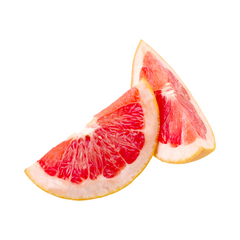
Layering Aquozone with bergamot or grapefruit exploits shared high-volatility terpenes, amplifying the initial burst of freshness. This synergy is demonstrated in Acqua di Giò Profondo, where citrus and Aquozone create a luminous, marine-citrus opening.

02

Add Woody Depth

Pairing Aquozone with Ambroxan or sandalwood leverages olfactory masking and fixative effects: Ambroxan’s musky, salty facets extend Aquozone’s longevity, while sandalwood grounds the composition. Kenzo L’Eau Pure showcases this technique.

03

Soften with Florals

Combining Aquozone with white lavender or magnolia introduces linalool and floral aldehydes, smoothing the marine edge and adding aromatic clarity. Voyager Luminique blends Aquozone with melon and magnolia for a luminous, aquatic-floral effect.

Wear It Right

How to Wear Aquozone Like a Pro

Seasonal Guide

Fall & Winter

In cooler temperatures, Aquozone’s volatility is reduced, resulting in a softer, more subtle projection. Layer with woody or amber notes to add warmth and depth, and apply to pulse points under clothing for sustained diffusion.

Spring

Spring’s moderate temperatures allow Aquozone’s marine freshness to shine without overwhelming. Pair with green or floral notes to evoke dewy mornings and new growth. Apply lightly to exposed skin for a clean, invigorating effect.

Summer

Heat amplifies Aquozone’s diffusion, creating a pronounced, refreshing aquatic aura. Apply sparingly to avoid over-projection, and consider layering with citrus or herbal notes for added brightness. Reapply as needed to maintain freshness.

Year-Round Tip

Adjust application based on climate and humidity: higher humidity enhances sillage, while dry conditions may require more frequent reapplication. Aquozone’s versatility allows it to be worn year-round with appropriate layering.

Application Points

Strategic application of Aquozone-based fragrances maximizes freshness and longevity, leveraging pulse points and hair for optimal diffusion.

1

Neck

Applying Aquozone to the neck utilizes body heat to accelerate evaporation, intensifying the initial marine burst and enhancing projection.

2

Behind the Ears

This area provides a warm, sheltered surface, allowing Aquozone’s top note to linger and diffuse gradually, especially in cooler weather.

3

Inner Wrists

Pulse points on the wrists amplify Aquozone’s volatility, creating a dynamic scent trail with every movement. Avoid rubbing to preserve molecular integrity.

4

Hair

Spraying Aquozone lightly on hair provides sustained release, as the molecules are gradually released with movement and warmth.

★

Pro Tip

Layer Aquozone-based fragrances with complementary notes (citrus, herbal, woody) on different pulse points to create a multidimensional aquatic effect.

Mood Architecture™

Top Aquozone Fragrances by Mood Score

These Aquozone-based fragrances scored highest on the MEI™ Mood Architecture Framework — measuring how a scent may influence your emotional state.

Highest MEI Score
Aqua Di Giorgi Profondo — Acqua Di Gio Profondo Alternative Cologne
6.7
MEI™
Primary Romantic
Secondary Grounding
Confidence
6.43
Presence
6.6
Mood Lift
7.0
Identity
6.47
Warmth
7.3
Social Ease
6.55
Energy
5.9
" I am beautiful.
View full mood profile →
HumanSafe™

Top Aquozone Fragrances by HumanSafe™ Score

These Aquozone-based fragrances have the highest product-level HumanSafe™ scores in this ingredient collection.

Highest HumanSafe™ Score
Aqua Di Giorgi Profondo — Acqua Di Gio Profondo Alternative Cologne
A-
HumanSafe™ Score Generally Safe
Safest Evaluated Ingredients EDP
AQUA Solvent / Carrier ISS 10.0
1,4-DIOXACYCLOHEPTADECANE-5,17-DIONE Evaluated ingredient ISS 10.0
7-OCTEN-2-OL, 2,6-DIMETHYL- Evaluated ingredient ISS 9.0
AMBERKETAL Evaluated ingredient ISS 8.0
3-BUTEN-2-ONE, 3-METHYL-4-(2,6,6-TRIMETHYL-2- Evaluated ingredient ISS 8.0
LINALYL ACETATE Evaluated ingredient ISS 7.0
View full safety profile →
Expert Voices

What Masters Say About Aquozone

“
Aquozone is a more modern evolution of Calone, offering a saltier, iodine-like freshness while enhancing projection and longevity.
Pierre Vouard, Perfume Writer
“
Aquozone’s crystalline, watery freshness enables perfumers to evoke the sensation of pure water and ozone—effects impossible to achieve with natural materials.
CA Perfume Editorial
Common Questions

Frequently Asked Questions

Answers to common questions about Aquozone’s scent, usage, and performance in perfumery.

Aquozone in perfume smells marine, ozonic, and subtly fruity, with a crystalline, watery freshness reminiscent of sea spray and post-rain air. Its scent profile is less sweet and more mineralic than earlier aquatic molecules like Calone, with a pronounced saline and iodine-like edge. Aquozone is used to evoke the sensation of pure water and ocean breeze, making it a defining note in modern aquatic and citrus fragrances such as Acqua di Giò Profondo and Kenzo L’Eau Pure.

Aquozone is classified as a top note due to its high volatility and immediate impact. It is typically used at concentrations of 0.1–2% to provide an instant burst of marine freshness. While it dominates the opening, its effect can persist into the heart of the fragrance when paired with fixatives like Ambroxan or musk.

Aquozone is favored in niche perfumery for its ability to deliver a highly realistic, mineralic aquatic effect that is both modern and versatile. Its crystalline, watery freshness enables perfumers to create transparent, luminous compositions that stand apart from traditional sweet or fruity aquatics. Its synthetic origin also aligns with sustainability and batch consistency goals.

Aquozone fragrance uses include pairing with citrus (bergamot, grapefruit), herbal (white lavender, rosemary), woody (sandalwood, Ambroxan), and musky notes. These combinations enhance freshness, add depth, and extend longevity, as seen in fragrances like Acqua di Giò Profondo and Voyager Luminique.

Yes, Aquozone’s high volatility and marine freshness make it especially suitable for summer and hot weather. Heat amplifies its projection and diffusion, creating a pronounced aquatic aura. However, it can be adapted for year-round wear by layering with warmer or woodier notes.

Aquozone’s top note effect lasts 30–60 minutes on skin, after which its aquatic freshness transitions to heart and base notes. When paired with fixatives like Ambroxan or musk, the overall aquatic impression can persist for several hours.

Yes, Aquozone is highly compatible with citrus, herbal, woody, and floral notes, making it ideal for layering. Layering with citrus enhances brightness, while woody or musky notes add depth and longevity. This approach is demonstrated in many modern aquatic compositions.

Recommended entry points include Giorgio Armani Acqua di Giò Profondo, Kenzo L’Eau Pure, and Voyager Luminique. These fragrances showcase Aquozone’s marine freshness in accessible, well-balanced compositions suitable for daily wear.

Consider your preferred scent profile: for maximum aquatic freshness, select compositions where Aquozone is a dominant top note; for more subtle effects, look for blends with citrus, herbal, or woody accents. CA Perfume’s collection offers a range of options, with ingredient transparency provided via the HumanSafe™ platform.

Aquozone imparts both clean and salty facets: its crystalline, watery freshness is perceived as clean and transparent, while its mineralic, iodine-like edge adds a subtle salty nuance. This duality makes it a versatile ingredient for modern aquatic and ozonic fragrances.

Aquatic Ozonic Collection

Explore Our Top Aquozone Fragrances

Discover CA Perfume’s aquatic-inspired collection, featuring modern interpretations of marine freshness powered by Aquozone and complementary notes.

Shop all aquozone fragrances at CA Perfume →

Where Aquozone Comes From — Origin & Extraction

Aquozone is a proprietary synthetic aroma molecule developed by Firmenich, first made available to the broader perfumery market in the early 2010s. Its chemical identity is 2-methyl-6-propyl-2,3-dihydrobenzofuran-2-carbaldehyde (CAS 67634-15-5). Unlike natural aquatic notes, Aquozone is not derived from any botanical or marine source; instead, it is synthesized via multi-step organic synthesis involving benzofuran derivatives. The manufacturing process is proprietary and not publicly disclosed, but it results in a colorless to pale yellow liquid with high odor strength and top note volatility. As a synthetic captive, Aquozone is produced in specialized fragrance ingredient facilities, primarily in Switzerland and France, where Firmenich and other major aroma chemical manufacturers operate. There is no agricultural or regional variation, ensuring batch-to-batch consistency. The cost of Aquozone is significantly lower than rare natural aquatic materials (such as seaweed absolute), with bulk prices typically ranging from $120–$300 per kilogram, depending on purity and supplier. This cost efficiency, combined with its environmental neutrality—no marine harvesting or agricultural input required—makes Aquozone a sustainable choice for large-scale fragrance production. Sustainability considerations are favorable: Aquozone’s production does not impact marine ecosystems or require land use, and its synthesis is designed for minimal waste and high yield. As a result, it aligns with the fragrance industry’s shift toward eco-conscious, resource-efficient ingredients. The molecule’s introduction marked a turning point in the creation of modern aquatic fragrances, enabling perfumers to evoke water and ozone effects with precision and minimal environmental footprint.

Famous Fragrances That Define Aquozone in Perfumery

Aquozone’s introduction has shaped a new era of aquatic and ozonic perfumery, serving as a cornerstone in several landmark fragrances. Giorgio Armani Acqua di Giò Profondo (2020), composed by Alberto Morillas, is perhaps the most influential, using Aquozone as a dominant top note to evoke the sensation of deep, mineral-rich seawater. The note is paired with bergamot, rosemary, and patchouli, creating a modern marine archetype. Kenzo L’Eau Pure (2025), crafted by Daphné Bugey, features Aquozone in the heart, blended with white lavender and Italian citrus to achieve a crystalline, transparent freshness. Voyager Luminique (2024) leverages Aquozone’s watery clarity alongside lychee, melon, and magnolia, producing a luminous, aquatic-fruity effect. Maison Alhambra Jorge di Profondo (2022) utilizes Aquozone as a bridge note, connecting citrus and woody elements for a contemporary aquatic signature. State of Mind Open Mind (2021) employs Aquozone as an accent, enhancing the aromatic and marine facets of the composition. Other notable examples include Rayhaan Ocean Rush (2024) and O Boticário Malbec Ultra Bleu (2022), both of which use Aquozone to modernize traditional masculine aquatic structures. CA Perfume’s aquatic-inspired collection draws on this lineage, offering interpretations that highlight Aquozone’s versatility and its synergy with citrus, herbal, and woody notes.

Natural vs Synthetic Aquozone in Perfumery

Aquozone is exclusively synthetic; there is no natural counterpart in perfumery. Its molecular structure was designed to mimic and expand upon the watery, ozonic effects first popularized by Calone (CAS 28940-11-6) and related marine aroma chemicals. Other key synthetic molecules used in aquatic perfumery include Cascalone (CAS 65113-99-7), which imparts a fresh, watery-cucumber nuance, and Calypsone (CAS 38697-99-3), known for its melon-aquatic facets. Compared to Calone, Aquozone offers a saltier, more mineralic, and less sweet profile, with improved projection and longevity. Performance-wise, Aquozone is valued for its high diffusion and persistence as a top note, maintaining its marine freshness for up to 30–60 minutes before yielding to heart and base notes. Its stability under light and heat is superior to many natural materials, and it is not subject to batch variability. Cost-wise, Aquozone and similar synthetics are far more affordable than natural aquatic extracts, which are rare, expensive, and less stable. For example, seaweed absolute can cost over $1,000/kg and is prone to rapid oxidation, while Aquozone remains stable and cost-effective at $120–$300/kg. Famous fragrances using Aquozone include Giorgio Armani Acqua di Giò Profondo (2020), Kenzo L’Eau Pure (2025), and Perry Ellis Sky (2022). These compositions often combine Aquozone with other synthetics such as Ambroxan (CAS 6790-58-5) for woody-salty depth and Hedione (CAS 24851-98-7) for radiant transparency. From a sustainability perspective, synthetic molecules like Aquozone reduce pressure on natural resources and support the HumanSafe™ platform’s transparency and safety standards. CA Perfume’s approach prioritizes traceability, safety, and environmental stewardship in ingredient sourcing and formulation.