Ingredient Guide · Green Fruity
Green Fruity Family · Perfumery Note

Apple Leaf

Aldehydic-green, tart, and fresh — the scent of orchard vitality.

Apple leaf in perfumery is a synthetic green note, classified as a top note, prized for its aldehydic, crisp, and slightly tart character. Its scent profile is built primarily from esters and aldehydes, with hexyl acetate and trans-2-hexenal defining its green-leafy freshness.

Apple Leaf
Ingredient Profile

Apple Leaf

Green Fruity Family
Family Green Fruity
Note Position Base Note
Usage Level <1% of formula
Key Origins United States, China, Poland
Iconic In Ralph, Sunflowers Sunlight Kiss
The Ingredient

What does Apple Leaf smell like and why is it significant in perfumery?

Apple leaf in perfumery is a constructed note, not a direct botanical extract, designed to evoke the crisp, green, and slightly tart scent associated with freshly crushed apple foliage. The apple leaf scent profile is dominated by volatile esters such as hexyl acetate and butyl acetate, which impart a waxy-green, pear-apple nuance, and by aldehydes like trans-2-hexenal, responsible for the sharp, leafy freshness. These molecules are supported by minor contributions from alcohols and ketones, creating a scent that is aldehydic, green, and reminiscent of the aroma released when apple leaves are bruised in an orchard. The result is a note that is less sweet and more vegetal than the fruit itself, with a subtle bitterness and a clean, transparent quality. In perfumery, apple leaf is typically used as a top note, appearing in concentrations of 0.2–1% of the total formula. Its volatility ensures an immediate, fresh impact upon application, but it dissipates relatively quickly, making it ideal for opening accords in green, fruity, or aldehydic compositions. The note interacts with skin chemistry by amplifying the perception of freshness on warmer, slightly acidic skin, while on drier or more alkaline skin, the green facets may become more pronounced. Apple leaf in perfumery is valued for its ability to bridge fruit and floral notes, lending a sense of naturalness and vitality to the opening of a fragrance. Notable examples of apple leaf in perfumery include Ralph Lauren Ralph (2000, perfumer Alain Alchenberger), where it forms part of a green-fruity top accord alongside Italian mandarin and magnolia, and Elizabeth Arden Sunflowers Sunlight Kiss (2017), where apple leaf is paired with citrus and ozonic notes to create a bright, summery introduction. In both cases, the apple leaf note is used to impart a sense of orchard freshness and to set the stage for the heart and base notes that follow.

<1% of formula
Apple leaf is typically used at less than 1% of a fragrance formula, as its high volatility and strong projection require only a small amount to achieve the desired green freshness.
15–30 minutes
The apple leaf note is most prominent in the first 15–30 minutes after application, reflecting the rapid evaporation of its key esters and aldehydes.
$40–$120/kg
The cost of synthetic apple leaf accords ranges from $40 to $120 per kilogram, depending on purity and complexity, making it an accessible option for both niche and mainstream perfumery.
Origin & Extraction

Where Apple Leaf Comes From — Origin & Extraction

The apple leaf note is inspired by the global cultivation of Malus domestica, but its perfumery use is synthetic, with ingredient manufacturers in the US, Europe, and China. Regional apple cultivars influence the headspace profile, with climate and soil affecting ester and aldehyde ratios.

Apple leaf as a perfumery note is not a direct natural extract but a synthetic reconstruction. The apple tree, Malus domestica, is native to Central Asia, with Kazakhstan, Uzbekistan, and Tajikistan recognized as the primary centers of origin. However, there is no commercially viable essential oil or absolute derived from apple leaves; the volatile aroma compounds are too delicate and present in insufficient concentrations for direct extraction. Instead, the apple leaf note is built in the lab using a combination of esters (notably hexyl acetate, butyl acetate, and 2-methylbutyl acetate), aldehydes (hexanal, trans-2-hexenal), and supporting alcohols and ketones. These molecules are either synthesized de novo or isolated from other botanical sources and then blended to match the headspace analysis of crushed apple leaves. The primary producers of apple leaf aroma chemicals are large fragrance ingredient manufacturers in Europe, the United States, and China. The cost of synthetic apple leaf accords ranges from $40–$120 per kilogram, depending on the purity and complexity of the blend, while natural apple extracts (where available) are rare, unstable, and cost-prohibitive, often exceeding $1,000/kg with limited olfactory impact. The extraction of apple leaf headspace for analytical purposes is performed at low temperatures (below 30°C) to prevent degradation of labile esters and aldehydes, but this process is used for research, not for commercial ingredient production. Sustainability considerations favor the synthetic route: no agricultural land or water is diverted for apple leaf extraction, and the use of renewable feedstocks for ester synthesis is increasing. The apple leaf note is thus a model of modern green chemistry in perfumery, minimizing environmental impact while providing a consistent, reproducible scent profile.

US

United States

Washington State and New York are major apple producers, with cool climates and mineral-rich soils that yield apples high in hexyl acetate and trans-2-hexenal. These compounds inform the synthetic apple leaf profile used in perfumery.

CN

China

China is the world's largest apple producer, with Shandong and Shaanxi provinces leading in volume. Apples from these regions are high in esters, influencing the global aroma chemical market for apple-type notes.

PL

Poland

Mazovia and Lubelskie regions produce apples with a tart, green profile, rich in aldehydes. Polish apple headspace studies contribute to the aldehydic-green apple leaf accord in perfumery.

FR

France

Normandy and Loire Valley apples are prized for their aromatic complexity, with a balance of esters and aldehydes. French perfumery draws on these profiles for nuanced apple leaf reconstructions.

Chemistry

Natural vs Synthetic Apple Leaf in Perfumery

There is no direct natural extraction of apple leaf for perfumery use; the note is constructed almost entirely from synthetic aroma chemicals. Key molecules include hexyl acetate (CAS 142-92-7), which imparts a waxy-green, pear-apple aroma; trans-2-hexenal (CAS 6728-26-3), responsible for the sharp, leafy freshness; and Verdox (CAS 68155-66-8), a synthetic with a clean, ethereal green apple nuance. Other supporting molecules may include ethyl-2-methylbutyrate (CAS 7452-79-1) and alpha-damascone (CAS 23726-93-4) for added depth. Synthetic apple leaf accords offer superior stability, longevity, and batch-to-batch consistency compared to any natural apple extracts, which are unstable and lack the desired olfactory impact. The cost differential is significant: synthetic apple leaf blends are available for $40–$120/kg, while natural apple extracts, if used, are rare and can exceed $1,000/kg with limited utility. Most commercial and niche fragrances rely exclusively on synthetic apple leaf, as the natural alternative is neither practical nor sustainable. From a sustainability and supply chain perspective, the synthetic approach reduces agricultural resource use and allows for renewable feedstock integration. CA Perfume, through the HumanSafe™ platform, ensures full transparency in sourcing and safety assessment for all apple leaf aroma chemicals, prioritizing both environmental and consumer health standards. The use of synthetics also allows for greater creative flexibility, enabling perfumers to fine-tune the apple leaf note for various fragrance families.

Natural
Apple Leaf Absolute
Cost $3,000–6,000/kg
Method Solvent / CO₂
Character Complex, variable
vs
Synthetic
Safranal & Analogues
Cost $50–200/kg
Method Lab synthesis
Character Consistent, stable
Hall of Fame

Famous Fragrances That Define Apple Leaf in Perfumery

2000
dominant top note

Ralph

Ralph Lauren
by Alain Alchenberger
Italian mandarinmagnoliaosmanthus
2017
top note, bridge

Sunflowers Sunlight Kiss

Elizabeth Arden
citrusozonic notesmusk
2018
accent note

Cedar & Hemp

Aéropostale
cedarwoodhempherbal notes
2010
supporting note

Untouched

The Veronicas
powdery floralsaldehydesmusk
2019
bridge note

Mood For Harmony Man

Annayake
green notesfloral notesmusk

Apple leaf has become a signature note in a range of modern fragrances, particularly those that seek to evoke freshness, green vitality, or a crisp orchard atmosphere. One of the earliest and most influential uses is in Ralph Lauren Ralph (2000, perfumer Alain Alchenberger), where apple leaf forms part of a vibrant top accord with Italian mandarin and magnolia, setting a youthful, energetic tone. Elizabeth Arden Sunflowers Sunlight Kiss (2017) utilizes apple leaf alongside citrus and ozonic notes to create a bright, sunlit introduction, ideal for summer wear. In Aéropostale Cedar & Hemp (2018), apple leaf is paired with woody and herbal notes, providing a green, slightly tart lift that bridges the transition from top to heart. The Veronicas Untouched (2010) features apple leaf in a powdery-floral context, where it adds freshness and a subtle aldehydic edge. Annayake Mood For Harmony Man (2019) employs apple leaf as a supporting note in a composition that balances green, floral, and musky elements. These fragrances demonstrate the versatility of apple leaf: it can serve as a dominant top note, a bridge between fruit and floral, or an accent that enhances aldehydic or powdery accords. CA Perfume's collection draws inspiration from this lineage, offering apple leaf compositions that highlight both the crisp green and the subtle tart facets of the note.

The Accord

How is a captivating Apple Leaf accord crafted?

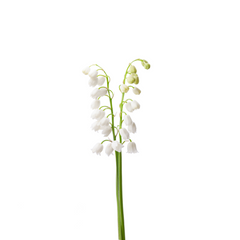
A classic apple leaf accord is built from approximately 25–30% hexyl acetate for waxy-green freshness, 20–25% trans-2-hexenal for leafy sharpness, 25–30% Verdox or Fructone for ethereal green apple nuance, and 20–25% soft florals (such as magnolia or lily of the valley) to round out the composition. Each component is chosen for its molecular compatibility, ensuring a crisp, green, and slightly tart profile that mimics the scent of freshly crushed apple leaves.

30%

Hexyl Acetate

25–30% of blend

Provides the waxy-green, pear-apple freshness found in real apple leaf headspace. Its high volatility ensures immediate impact.

25%

Trans-2-Hexenal

20–25% of blend

Imparts sharp, aldehydic-green, leafy freshness. Responsible for the 'cut grass' and 'crushed leaf' effect in the accord.

30%

Verdox (Fructone)

25–30% of blend

Adds an ethereal, modern green apple nuance, increasing diffusion and longevity in the accord.

25%

Magnolia

20–25% of blend

Softens the green sharpness with a creamy, floral undertone, mimicking the natural interplay of leaf and blossom in the orchard.

The Olfactory Layers

How Apple Leaf Evolves on Skin

Apple leaf’s olfactory evolution is rapid and volatile. The top note emerges within seconds, dominated by high-volatility esters and aldehydes that evaporate quickly, providing a burst of green freshness. As these molecules dissipate (within 15–20 minutes), softer floral and woody facets emerge, anchored by lower-volatility musks or woods in the base.

I
Top notes
0–15 min
Crisp Green Burst

Aldehydic-green, crisp, and tart — the initial impression is shaped by hexyl acetate and trans-2-hexenal, which evaporate rapidly to deliver a cut-leaf, orchard-fresh effect. The volatility of these molecules ensures an immediate, vivid impact.

aldehydiccrispgreen
II
Heart notes
20–60 min
Softened Leafy Nuance

The green sharpness softens as Verdox and supporting florals (magnolia, lily of the valley) emerge, blending the apple leaf with subtle creamy and floral undertones. The heart is less volatile, providing a gentle transition from the vivid opening.

floralsoft-greencreamy
III
Base notes
Several hours
Powdery Woody Trail

Residual musks and woody notes (cedar, sandalwood) provide a subtle anchor, extending the green freshness with a faint, powdery trail. The base is quiet, as most apple leaf molecules have evaporated, but a soft, clean impression lingers.

muskypowderywoody
TOP NOTES Crisp Green Burst 0–15 minutes HEART NOTES Softened Leafy Nuance 20–60 minutes BASE NOTES Powdery Woody Trail Several hours
Through the Ages

The Story of Apple Leaf in Perfumery

Apple leaf’s journey in perfumery is a modern story of synthetic chemistry and creative innovation, evolving from early fruit reconstructions to a signature green note in contemporary fragrance.

1922

First Apple Accord in Modern Perfumery

Ernest Daltroff of Caron introduces a subtle apple nuance in 'N'Aimez que Moi,' leveraging aldehydic and fruity notes to evoke orchard freshness — a precursor to later apple leaf reconstructions.

1970s

Headspace Technology Advances

Analytical headspace techniques allow perfumers to capture the volatile profile of apple leaves and fruit, enabling more accurate synthetic reconstructions of green and leafy notes.

2000

Ralph Lauren Ralph Launches

Ralph Lauren's Ralph (perfumer Alain Alchenberger) debuts, featuring a prominent apple leaf accord as a top note, setting a trend for green-fruity freshness in mainstream perfumery.

2010

Apple Leaf in Niche and Indie Fragrances

The Veronicas Untouched and other indie releases experiment with apple leaf as a powdery-green accent, expanding its use beyond classic fruity-floral structures.

2017–2020

Apple Leaf in Seasonal and Unisex Compositions

Elizabeth Arden Sunflowers Sunlight Kiss and Aéropostale Cedar & Hemp showcase apple leaf in summer and unisex fragrances, highlighting its versatility as both a dominant and supporting note.

The Art of Layering

How to Layer Apple Leaf

Understanding how to layer apple leaf is key to maximizing its aldehydic-green freshness. The note’s molecular structure pairs best with other high-volatility esters, soft florals, and woody bases, allowing for dynamic, multi-dimensional blends.

01

Enhance Sweetness

Layer apple leaf with vanilla or tonka bean. Vanillin and coumarin molecules mask the tartness of apple leaf, creating a creamy, gourmand contrast. This technique is demonstrated in fragrances like DKNY Be Delicious, where apple and vanilla interplay for a balanced, accessible scent.

02

Add Depth

Combine apple leaf with cedarwood or sandalwood. The woody base molecules (cedrol, santalol) slow the evaporation of green esters, extending the freshness and adding a subtle, grounding effect. Aéropostale Cedar & Hemp exemplifies this pairing.

03

Brighten with Citrus

Pair apple leaf with bergamot or lemon. Shared aldehydes (citral, limonene) create a seamless transition between the green and citrus notes, amplifying the overall brightness. Ralph Lauren Ralph uses this approach for a sparkling, modern top accord.

Wear It Right

How to Wear Apple Leaf Like a Pro

Seasonal Guide

Fall & Winter

Cooler temperatures suppress the volatility of apple leaf’s esters and aldehydes, resulting in a softer, more subtle green freshness. Apply to pulse points and layer with woody or spicy notes for added warmth and longevity.

Spring

Spring’s moderate temperatures and increased humidity enhance the apple leaf’s naturalistic, orchard-fresh quality. The note projects well and pairs beautifully with florals and citrus for a bright, uplifting effect.

Summer

Heat accelerates the evaporation of apple leaf molecules, intensifying the initial green burst but shortening its duration. Apply sparingly and consider layering with aquatic or ozonic notes to maintain freshness throughout the day.

Year-Round Tip

For consistent performance, apply apple leaf fragrances to well-moisturized skin and consider layering with fixative-rich bases (musk, sandalwood) to extend the green freshness regardless of season.

Application Points

Strategic application enhances the projection and longevity of apple leaf’s volatile green notes.

1

Neck

Pulse points on the neck generate warmth, accelerating the diffusion of apple leaf’s top notes for a vivid, immediate impression.

2

Behind the Ears

This area retains moisture and warmth, helping to sustain the aldehydic-green effect as the fragrance evolves.

3

Inner Wrists

Frequent movement and body heat at the wrists amplify the crisp, green projection of apple leaf, though the note may fade quickly.

4

Hair

Spraying lightly on hair provides a gentle, long-lasting green freshness, as hair fibers slow the evaporation of volatile esters.

★

Pro Tip

Layer apple leaf fragrances over unscented lotion to create a hydrated base, enhancing both projection and longevity of the top note.

Mood Architecture™

Top Apple Leaf Fragrances by Mood Score

These Apple Leaf-based fragrances scored highest on the MEI™ Mood Architecture Framework — measuring how a scent may influence your emotional state.

Highest MEI Score
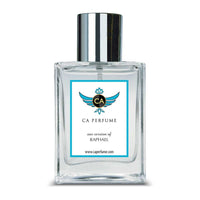
Raphael — Ralph Alternative Perfume
#1
Raphael — Ralph Alternative Perfume
Starting from $14.99
6.1
MEI™
Primary Fresh
Secondary Romantic
Confidence
5.65
Presence
5.8
Mood Lift
6.72
Identity
6.5
Warmth
5.9
Social Ease
6.72
Energy
2.88
" I am radiant.
View full mood profile →
HumanSafe™

Top Apple Leaf Fragrances by HumanSafe™ Score

These Apple Leaf-based fragrances have the highest product-level HumanSafe™ scores in this ingredient collection.

Highest HumanSafe™ Score
Raphael — Ralph Alternative Perfume
#1
Raphael — Ralph Alternative Perfume
Starting from $14.99
A-
HumanSafe™ Score Generally Safe
Safest Evaluated Ingredients EDP
OXACYCLOHEPTADEC-10-EN-2-ONE Evaluated ingredient ISS 10.0
AQUA Solvent / Carrier ISS 10.0
ACETIC ACID, PHENYLMETHYL ESTER Evaluated ingredient ISS 10.0
7-OCTEN-2-OL, 2,6-DIMETHYL- Evaluated ingredient ISS 9.0
3-CYCLOPENTENE-1-ACETALDEHYDE, 2,2,3-TRIMETHYL-, Evaluated ingredient ISS 9.0
3-DECEN-5-OL, 4-METHYL- Evaluated ingredient ISS 8.0
View full safety profile →
Expert Voices

What Masters Say About Apple Leaf

“
Apple leaf is a beloved fragrance note that brings distinctive character to perfume compositions. Whether used as a top, heart, or base note, Apple Leaf creates memorable scent experiences that range from subtle and elegant to bold and captivating.
Scento Editorial
“
Apple leaf in perfumery is a constructed note, built from esters and aldehydes to evoke the crisp, green freshness of orchard foliage. Its versatility allows perfumers to bridge fruity, floral, and woody structures with a single, vivid impression.
CA Perfume Editorial
Common Questions

Frequently Asked Questions

Frequently asked questions about apple leaf’s scent, use, and performance in perfumery.

Apple leaf in perfume smells crisp, aldehydic-green, and slightly tart, with a waxy, vegetal undertone. The scent is reminiscent of freshly crushed apple leaves in an orchard, dominated by volatile esters and aldehydes such as hexyl acetate and trans-2-hexenal. It delivers a clean, transparent freshness that is less sweet than apple fruit, and is often used to evoke natural greenery in modern fragrances.

Apple leaf is classified as a top note in perfumery. Its key molecules are highly volatile, providing an immediate burst of green freshness upon application. The note typically lasts for 15–30 minutes before giving way to heart and base notes, making it ideal for opening accords in green, fruity, or aldehydic compositions.

Apple leaf is favored in niche perfumery for its ability to impart a naturalistic, orchard-fresh character and to bridge fruit, floral, and woody notes. Its aldehydic-green profile adds complexity and modernity to compositions, and its synthetic construction allows for precise control over the scent profile, enabling perfumers to create unique, memorable fragrances.

Apple leaf fragrance uses include pairing with citrus (bergamot, lemon), florals (magnolia, lily of the valley), and woody notes (cedarwood, sandalwood). These combinations enhance the green freshness, add depth, or introduce creamy undertones, allowing for versatile layering and complex accords.

Yes, apple leaf perfumes are well-suited to summer and hot weather. The note’s volatility ensures a refreshing, crisp opening that cuts through heat and humidity. However, high temperatures may accelerate evaporation, so reapplication or layering with fixative-rich bases can help maintain the green freshness throughout the day.

The apple leaf note is most prominent for 15–30 minutes after application, reflecting the rapid evaporation of its key esters and aldehydes. The overall fragrance may last several hours, but the green, aldehydic freshness of apple leaf is primarily an opening effect.

Yes, apple leaf is highly compatible for layering. It can be combined with vanilla or tonka bean for added sweetness, with cedarwood or sandalwood for depth, or with citrus for brightness. Layering allows for customization and can extend the perception of green freshness in the overall scent.

Beginner-friendly apple leaf perfumes include Ralph Lauren Ralph, Elizabeth Arden Sunflowers Sunlight Kiss, and Aéropostale Cedar & Hemp. These fragrances showcase apple leaf’s crisp, green character in accessible, well-balanced compositions.

To choose the right apple leaf fragrance at CA Perfume, consider your preferred scent profile (green, fruity, floral, or woody) and desired intensity. Sampling different compositions and layering with complementary notes can help you find a fragrance that suits your style and seasonal preferences.

Apple leaf in fragrance is primarily green and aldehydic, with a crisp, tart freshness. While it can be paired with sweeter notes for a gourmand effect, its core character is vegetal and clean, evoking the scent of freshly crushed leaves rather than the sweetness of apple fruit.

Green Fruity Collection

Explore Our Top Apple Leaf Fragrances

Discover CA Perfume’s most popular apple leaf compositions, each highlighting the note’s crisp, green freshness and versatility across fragrance families.

Shop all apple leaf fragrances at CA Perfume →

Where Apple Leaf Comes From — Origin & Extraction

Apple leaf as a perfumery note is not a direct natural extract but a synthetic reconstruction. The apple tree, Malus domestica, is native to Central Asia, with Kazakhstan, Uzbekistan, and Tajikistan recognized as the primary centers of origin. However, there is no commercially viable essential oil or absolute derived from apple leaves; the volatile aroma compounds are too delicate and present in insufficient concentrations for direct extraction. Instead, the apple leaf note is built in the lab using a combination of esters (notably hexyl acetate, butyl acetate, and 2-methylbutyl acetate), aldehydes (hexanal, trans-2-hexenal), and supporting alcohols and ketones. These molecules are either synthesized de novo or isolated from other botanical sources and then blended to match the headspace analysis of crushed apple leaves. The primary producers of apple leaf aroma chemicals are large fragrance ingredient manufacturers in Europe, the United States, and China. The cost of synthetic apple leaf accords ranges from $40–$120 per kilogram, depending on the purity and complexity of the blend, while natural apple extracts (where available) are rare, unstable, and cost-prohibitive, often exceeding $1,000/kg with limited olfactory impact. The extraction of apple leaf headspace for analytical purposes is performed at low temperatures (below 30°C) to prevent degradation of labile esters and aldehydes, but this process is used for research, not for commercial ingredient production. Sustainability considerations favor the synthetic route: no agricultural land or water is diverted for apple leaf extraction, and the use of renewable feedstocks for ester synthesis is increasing. The apple leaf note is thus a model of modern green chemistry in perfumery, minimizing environmental impact while providing a consistent, reproducible scent profile.

Famous Fragrances That Define Apple Leaf in Perfumery

Apple leaf has become a signature note in a range of modern fragrances, particularly those that seek to evoke freshness, green vitality, or a crisp orchard atmosphere. One of the earliest and most influential uses is in Ralph Lauren Ralph (2000, perfumer Alain Alchenberger), where apple leaf forms part of a vibrant top accord with Italian mandarin and magnolia, setting a youthful, energetic tone. Elizabeth Arden Sunflowers Sunlight Kiss (2017) utilizes apple leaf alongside citrus and ozonic notes to create a bright, sunlit introduction, ideal for summer wear. In Aéropostale Cedar & Hemp (2018), apple leaf is paired with woody and herbal notes, providing a green, slightly tart lift that bridges the transition from top to heart. The Veronicas Untouched (2010) features apple leaf in a powdery-floral context, where it adds freshness and a subtle aldehydic edge. Annayake Mood For Harmony Man (2019) employs apple leaf as a supporting note in a composition that balances green, floral, and musky elements. These fragrances demonstrate the versatility of apple leaf: it can serve as a dominant top note, a bridge between fruit and floral, or an accent that enhances aldehydic or powdery accords. CA Perfume's collection draws inspiration from this lineage, offering apple leaf compositions that highlight both the crisp green and the subtle tart facets of the note.

Natural vs Synthetic Apple Leaf in Perfumery

There is no direct natural extraction of apple leaf for perfumery use; the note is constructed almost entirely from synthetic aroma chemicals. Key molecules include hexyl acetate (CAS 142-92-7), which imparts a waxy-green, pear-apple aroma; trans-2-hexenal (CAS 6728-26-3), responsible for the sharp, leafy freshness; and Verdox (CAS 68155-66-8), a synthetic with a clean, ethereal green apple nuance. Other supporting molecules may include ethyl-2-methylbutyrate (CAS 7452-79-1) and alpha-damascone (CAS 23726-93-4) for added depth. Synthetic apple leaf accords offer superior stability, longevity, and batch-to-batch consistency compared to any natural apple extracts, which are unstable and lack the desired olfactory impact. The cost differential is significant: synthetic apple leaf blends are available for $40–$120/kg, while natural apple extracts, if used, are rare and can exceed $1,000/kg with limited utility. Most commercial and niche fragrances rely exclusively on synthetic apple leaf, as the natural alternative is neither practical nor sustainable. From a sustainability and supply chain perspective, the synthetic approach reduces agricultural resource use and allows for renewable feedstock integration. CA Perfume, through the HumanSafe™ platform, ensures full transparency in sourcing and safety assessment for all apple leaf aroma chemicals, prioritizing both environmental and consumer health standards. The use of synthetics also allows for greater creative flexibility, enabling perfumers to fine-tune the apple leaf note for various fragrance families.