Ingredient Guide · Greens, Herbs and Fougères
Greens, Herbs and Fougères Family · Perfumery Note

Angelica

A root-derived note with musky, green, and spicy facets

Angelica is a perfumery note derived from the roots and seeds of Angelica archangelica, prized for its earthy, musky, and green aroma. Its scent profile is shaped by macrocyclic musks and lactones, and it is typically used as a heart or base note at concentrations of 0.1–1%.

Angelica
Ingredient Profile

Angelica

Greens, Herbs and Fougères Family
Family Greens, Herbs and Fougères
Note Position Heart Note
Usage Level 0.8%
Key Origins Germany, France, Lithuania
Iconic In Angélique Noire, Royal Oud
The Ingredient

What does Angelica smell like and why is it significant in perfumery?

Angelica, derived primarily from the roots and seeds of Angelica archangelica, is a complex botanical ingredient in perfumery. The root oil is renowned for its earthy, musky, and green aroma, with a subtle peppery top note and a warm, rooty undertone. This unique scent character is attributed to a mixture of macrocyclic musks (notably cyclopentadecanolide and cyclohexadecanolide), alpha- and beta-phellandrene, and various lactones. The root oil is distinctly musky and dry, lacking the sweetness of floral musks, and is often described as evoking damp soil, old cellars, or the root systems of ancient forests. The seed oil, by contrast, is lighter, more aromatic, and slightly anisic, with a fresh, herbal character. In perfumery, angelica is classified as a heart or base note, depending on the extraction and formulation. It is typically used at concentrations ranging from 0.1% to 1% of the total composition, though even trace amounts can have a profound impact due to its fixative properties and olfactory strength. Angelica’s macrocyclic musks and lactones act as natural fixatives, enhancing the longevity and diffusion of other notes. Its interaction with skin chemistry is notable: on acidic skin, the musky and green facets are accentuated, while on more alkaline skin, the earthy and woody aspects become prominent. This variability makes angelica a dynamic and unpredictable ingredient, contributing to the individuality of each fragrance. Angelica in perfumery is exemplified in several landmark fragrances. Guerlain’s Angélique Noire (2005, Daniela Andrier) uses angelica root as a musky-green bridge between vanilla and floral notes, while Creed’s Royal Oud (2011, Olivier Creed) employs it to add earthy, aromatic depth to a woody-amber structure. Diptyque’s Eau des Sens and Frederic Malle’s French Lover (2007, Pierre Bourdon) are further examples where angelica’s unique scent profile is central to the composition, demonstrating its versatility and enduring appeal.

0.8%
The IFRA-recommended maximum concentration for angelica root oil in leave-on skin products to avoid phototoxicity, based on macrocyclic lactone content.
5–10 Hours
Typical longevity of angelica-based fragrances on skin, due to persistent macrocyclic musks and lactones that resist rapid evaporation.
$1,000–3,000/kg
Approximate price range for natural, certified organic angelica root oil or CO2 extract, reflecting its labor-intensive cultivation and low extraction yield.
Origin & Extraction

Where Angelica Comes From — Origin & Extraction

Angelica’s scent character is shaped by its growing environment: cool, damp soils and temperate climates yield roots rich in macrocyclic musks and lactones. High-altitude, organic cultivation enhances aromatic complexity and fixative power.

Angelica archangelica, commonly known as garden angelica, is a biennial plant in the Apiaceae family, native to northern and central Europe and naturalized across temperate regions of the Northern Hemisphere. The plant thrives in damp meadows, riverbanks, and mountainous regions, reaching heights of up to two meters. The roots and seeds are both used in perfumery, with the root yielding a more pungent, musky, and earthy oil, and the seeds producing a lighter, more aromatic extract. Primary production of angelica root oil is concentrated in Germany, France (notably the Poitevin Marsh), and the Baltic states, with Germany accounting for a significant share of certified organic cultivation. Extraction is typically performed via steam distillation or supercritical CO2 extraction. Steam distillation of dried roots yields 0.04–0.1% essential oil by weight, while CO2 extraction (at 40–60°C, 300 bar) produces a richer, more complete aromatic profile with higher macrocyclic lactone content. The seed oil is also obtained by steam distillation, with yields of 0.1–0.5% depending on seed quality and origin. Natural angelica root oil is costly, with prices ranging from $1,000 to $3,000 per kg for certified organic CO2 extracts. Synthetic substitutes, such as cyclopentadecanolide (CAS 502-72-7) and cyclohexadecanolide (CAS 29404-53-1), are available at $50–$200 per kg, providing a more consistent and sustainable supply. Sustainability concerns include overharvesting of wild angelica populations and the energy intensity of extraction processes. Certified organic cultivation and CO2 extraction methods are increasingly favored for their lower environmental impact and higher aromatic fidelity.

DE

Germany

German angelica, especially from Thuringia and Bavaria, is prized for its high macrocyclic musk content due to mineral-rich, loamy soils and cool, humid climate. Germany is a leading producer of certified organic angelica root oil, with annual production estimated at several metric tons.

FR

France

The Poitevin Marsh region in western France is renowned for its angelica, which is cultivated in peaty, water-retentive soils. French angelica is noted for its pronounced green and musky aroma, with a Protected Geographical Indication (PGI) for Poitevin angelica.

LT

Lithuania

Lithuanian angelica, grown in the Svencionys and Vilnius districts, benefits from sandy, well-drained soils and cool summers. The oil is lighter, with a fresher, more aromatic profile and higher alpha- and beta-phellandrene content.

CN

China

In Jilin and Yunnan provinces, Angelica dahurica and Angelica sinensis are cultivated for both medicinal and aromatic use. Chinese angelica root oil is often richer in alpha-pinene and sabinene, with a slightly spicier, more herbal aroma.

Chemistry

Natural vs Synthetic Angelica in Perfumery

Natural angelica root oil is valued for its complex, earthy-musk aroma, primarily due to macrocyclic musks such as cyclopentadecanolide (CAS 502-72-7), cyclohexadecanolide (CAS 29404-53-1), and pentadecanolide (CAS 106-02-5). These large-ring lactones are structurally similar to animalic musks but are plant-derived. Synthetic versions of these musks are widely used to replicate the fixative and musky qualities of natural angelica, offering greater consistency, stability, and lower allergenic potential. Performance-wise, synthetic macrocyclic musks provide excellent longevity and diffusion, often surpassing natural angelica in stability and batch-to-batch consistency. Cost is a major differentiator: while natural angelica root oil can exceed $2,000/kg, synthetic musks are available for $50–$200/kg. Notable fragrances such as Guerlain Angélique Noire and Creed Royal Oud use natural angelica root oil, while many mainstream and niche compositions employ synthetic musks for sustainability and regulatory reasons. The HumanSafe™ platform at CA Perfume ensures full transparency regarding the sourcing and allergen status of both natural and synthetic angelica materials, prioritizing safety and environmental responsibility. Sustainability is further enhanced by the use of CO2 extraction and certified organic cultivation, reducing the ecological footprint of natural angelica production.

Natural
Angelica Absolute
Cost $3,000–6,000/kg
Method Solvent / CO₂
Character Complex, variable
vs
Synthetic
Safranal & Analogues
Cost $50–200/kg
Method Lab synthesis
Character Consistent, stable
Hall of Fame

Famous Fragrances That Define Angelica in Perfumery

2005
bridge note

Angélique Noire

Guerlain
by Daniela Andrier
VanillaJasmineCedar
2011
supporting note

Royal Oud

Creed
by Olivier Creed
OudLemonPink PepperCedar
2007
dominant note

French Lover

Frederic Malle
by Pierre Bourdon
GalbanumVetiverCedarIncense
2016
accent

Eau des Sens

Diptyque
by Olivier Pescheux
Orange BlossomJuniperPatchouli
2014
accent

Tuberose Angelica

Jo Malone London
by Marie Salamagne
TuberoseAmberWoodsy Notes

Angelica’s distinctive musky-green aroma has shaped several landmark fragrances across the past century. Guerlain’s Angélique Noire (2005, Daniela Andrier) is a modern classic, using angelica root as a bridge note between vanilla and floral accords, imparting a dry, musky-green complexity. Creed’s Royal Oud (2011, Olivier Creed) employs angelica as a supporting note to add earthy, aromatic depth to a sophisticated woody-amber structure. Diptyque’s Eau des Sens (2016, Olivier Pescheux) features angelica as a fresh, green accent, enhancing the composition’s citrus and floral facets. Frederic Malle’s French Lover (2007, Pierre Bourdon) uses angelica as a dominant note, paired with galbanum and vetiver to create a cool, earthy, and musky signature. Jo Malone London’s Tuberose Angelica (2014, Marie Salamagne) demonstrates angelica’s ability to add a peppery-green lift to creamy white florals. These fragrances illustrate angelica’s versatility: as a dominant note (French Lover), bridge note (Angélique Noire), accent (Eau des Sens), or supporting note (Royal Oud). Angelica is often paired with iris, vetiver, cedar, galbanum, and white florals, leveraging shared green and musky molecules for seamless blending. CA Perfume’s collection draws inspiration from this lineage, offering angelica-centered compositions that highlight its earthy-musky complexity.

The Accord

How is a captivating Angelica accord crafted?

A classic angelica accord balances earthy-musky rootiness with green, woody, and floral facets. Typical proportions: Angelica Root 25–30%, Iris 20–25%, Vetiver 20–25%, Cedarwood 25–30%. Angelica root provides macrocyclic musks and lactones for musky-earthy depth. Iris adds ionones for a powdery, rooty bridge. Vetiver supplies grassy, smoky undertones via vetiverol and vetiveryl acetate. Cedarwood introduces dry, woody nuances through cedrol and thujopsene, enhancing fixative power and olfactory longevity.

30%

Angelica Root

25–30% of blend

Provides macrocyclic musks (cyclopentadecanolide, cyclohexadecanolide) for earthy, musky, and rooty depth. Essential for the accord’s fixative and tenacious qualities.

25%

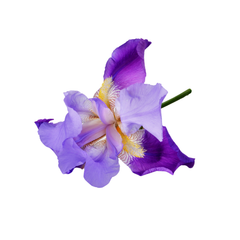
Iris

20–25% of blend

Contributes ionones and irones, which bridge angelica’s rooty facets with powdery, floral notes, enhancing complexity and smoothness.

25%

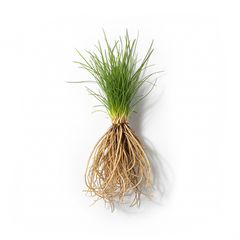
Vetiver

20–25% of blend

Adds vetiverol and vetiveryl acetate, deepening the earthy, smoky, and grassy character while amplifying the green dimension.

30%

Cedarwood

25–30% of blend

Supplies cedrol and thujopsene, lending dry, woody structure and enhancing the accord’s fixative properties and longevity.

The Olfactory Layers

How Angelica Evolves on Skin

Angelica’s olfactory evolution is marked by a transition from volatile green and peppery top notes to persistent musky-earthy heart and base. High-volatility terpenes evaporate within 15 minutes, while macrocyclic musks and lactones anchor the scent for hours.

I
Top notes
0–15 min
Green Peppery Freshness

The opening reveals green, peppery freshness from alpha- and beta-phellandrene and alpha-pinene. These high-volatility terpenes create a brisk, herbal impression reminiscent of celery and parsley, quickly diffusing due to their low molecular weight.

GreenPepperyHerbal
II
Heart notes
20–60 min
Musky Rooted Warmth

As the top fades, the musky, rooty core emerges, dominated by macrocyclic lactones (cyclopentadecanolide, cyclohexadecanolide) and earthy lactones. These molecules impart a dry, musky warmth and a subtle animalic nuance, blending with powdery and woody facets.

MuskyEarthyRooty
III
Base notes
Several hours
Tenacious Woody Musk

The drydown is anchored by persistent macrocyclic musks and woody lactones, which provide a tenacious, slightly sweet, and animalic base. These high-molecular-weight compounds ensure longevity and a lingering earthy-musk signature.

WoodyMuskyTenacious
TOP NOTES Green Peppery Freshness 0–15 minutes HEART NOTES Musky Rooted Warmth 20–60 minutes BASE NOTES Tenacious Woody Musk Several hours
Through the Ages

The Story of Angelica in Perfumery

Angelica’s history in perfumery spans from medieval medicinal use to its modern role as a musky-green fixative and signature note in niche compositions.

Middle Ages

Medicinal and Culinary Use in Europe

Angelica archangelica is cultivated in monasteries and apothecaries across Europe for its medicinal and aromatic properties, believed to ward off plague and evil spirits.

18th Century

Angelica in Liqueurs and Early Fragrance

Angelica root is used to flavor Chartreuse and gin, and appears in early cologne formulas for its green, musky aroma and fixative qualities.

1960s

Recognition as a Natural Musk Fixative

Perfumers such as Steffen Arctander document angelica root oil’s macrocyclic musks, establishing its value as a natural fixative and musky-earthy note in chypres and fougères.

2005

Guerlain Angélique Noire Launch

Daniela Andrier’s Angélique Noire for Guerlain brings angelica to the forefront as a bridge note, pairing its musky-green facets with vanilla and jasmine in a modern classic.

2011–Present

Niche Perfumery Embraces Angelica

Fragrances such as Creed Royal Oud, Frederic Malle French Lover, and Jo Malone Tuberose Angelica showcase angelica’s versatility as a dominant, accent, or supporting note in contemporary compositions.

The Art of Layering

How to Layer Angelica

Understanding how to layer angelica involves molecular compatibility: its macrocyclic musks and green terpenes blend seamlessly with iris, vetiver, and woody notes, creating complex, long-lasting accords. This is the science behind how to layer angelica for depth and nuance.

01

Enhance Green Freshness

Layer angelica with citrus notes (bergamot, lemon) to amplify its green, peppery facets. Shared terpenes (alpha-pinene, limonene) create a molecular bridge, resulting in a sparkling, invigorating opening. Diptyque Eau des Sens demonstrates this pairing.

02

Add Musky Depth

Combine angelica with ambrette seed or musky iris to intensify the macrocyclic musk dimension. Both ingredients share lactones and musks, producing a soft, skin-like warmth. Frederic Malle French Lover exemplifies this synergy.

03

Soften with Florals

Pair angelica with white florals (jasmine, tuberose) to balance its dryness and earthiness. The floral sweetness masks the sharper facets, creating a rounded, sophisticated accord. Jo Malone Tuberose Angelica is a prime example.

Wear It Right

How to Wear Angelica Like a Pro

Seasonal Guide

Fall & Winter

In cooler months, angelica’s musky-earthy base is more pronounced, with macrocyclic musks lingering on skin and clothing. Apply to pulse points and under layers for a tenacious, grounding effect. The scent is less volatile, resulting in a subtle, long-lasting presence.

Spring

Spring’s moderate temperatures highlight angelica’s green and herbal facets. The scent projects well without becoming overpowering. Layer with floral or citrus notes to enhance freshness and complexity.

Summer

High temperatures increase the volatility of angelica’s top notes, emphasizing green, peppery freshness but shortening longevity. Apply sparingly to avoid overwhelming projection, and consider layering with lighter, citrus-based fragrances.

Year-Round Tip

For consistent performance, apply angelica-based fragrances to moisturized skin and avoid direct sunlight due to photosensitization risk. Adjust application amount and layering partners seasonally for optimal effect.

Application Points

Strategic application enhances angelica’s musky-earthy diffusion and longevity.

1

Neck

Pulse points on the neck emit heat, accelerating the evaporation of angelica’s volatile terpenes and enhancing the initial green-peppery impression.

2

Behind the Ears

This area is less exposed to sunlight, reducing phototoxicity risk and allowing the musky-earthy heart to develop gradually.

3

Inner Wrists

Wrist warmth boosts diffusion, while frequent movement creates subtle sillage. Avoid direct sunlight to minimize photosensitization.

4

Hair

Spraying on hair provides a sustained release of angelica’s musky and woody molecules, as hair fibers retain scent longer than skin.

Pro Tip

Layer angelica with iris or vetiver on clothing for extended longevity and a more pronounced earthy-musk signature, avoiding direct skin contact if phototoxicity is a concern.

Mood Architecture™

Top Angelica Fragrances by Mood Score

These Angelica-based fragrances scored highest on the MEI™ Mood Architecture Framework — measuring how a scent may influence your emotional state.

Highest MEI Score
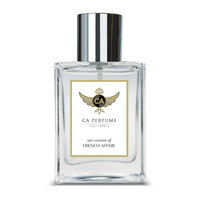
French Affair — Ex Nihilo French Affair Alternative Perfume
8.02
MEI™
Primary Magnetic
Secondary Confident
Confidence
8.63
Presence
9.5
Mood Lift
7.64
Identity
9.26
Warmth
8.27
Social Ease
7.08
Energy
3.1
" I am bold.
View full mood profile →
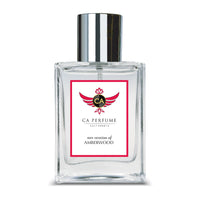
Amberwood — Clive Christian Impression Amberwood Alternative Perfume
7.87
MEI™
Primary Romantic
Secondary Confident
Confidence
7.17
Presence
7.74
Mood Lift
8.23
Identity
7.4
Warmth
9.5
Social Ease
8.08
Energy
4.0
" I am beautiful.
View full mood profile →
Drakkar Dark — Drakkar Noir Alternative Cologne
7.57
MEI™
Primary Magnetic
Secondary Confident
Confidence
7.43
Presence
8.19
Mood Lift
7.92
Identity
7.68
Warmth
7.51
Social Ease
7.3
Energy
6.0
" I am bold.
View full mood profile →
Neroli Portofilia — Neroli Portofino Alternative Perfume
7.13
MEI™
Primary Fresh
Secondary Romantic
Confidence
6.03
Presence
6.3
Mood Lift
9.13
Identity
6.05
Warmth
6.34
Social Ease
8.1
Energy
4.1
" I am radiant.
View full mood profile →
HumanSafe™

Top Angelica Fragrances by HumanSafe™ Score

These Angelica-based fragrances have the highest product-level HumanSafe™ scores in this ingredient collection.

Highest HumanSafe™ Score
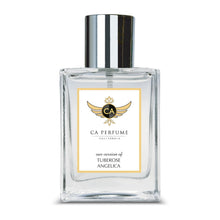
Tuberose Angelica — Jo Malone Tuberose Angelica Alternative Perfume
A-
HumanSafe™ Score Generally Safe
Safest Evaluated Ingredients EDP
AQUA Solvent / Carrier ISS 10.0
BENZYL SALICYLATE Evaluated ingredient ISS 9.0
BENZOIC ACID, 2-AMINO-, METHYL ESTER Evaluated ingredient ISS 9.0
BENZENEPROPANAL, 4-METHOXY-.ALPHA.-METHYL- Evaluated ingredient ISS 9.0
AMBROXIDE Evaluated ingredient ISS 9.0
View full safety profile →
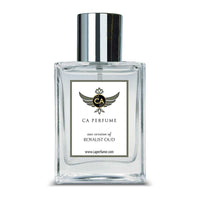
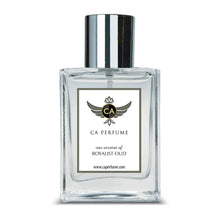
Royalist Oud — Royal Oud Alternative Perfume
A-
HumanSafe™ Score Generally Safe
Safest Evaluated Ingredients EDP
BICYCLO[3.3.1]NONANE, 2-ETHOXY-2,6,6-TRIMETHYL-9- Evaluated ingredient ISS 10.0
AQUA Solvent / Carrier ISS 10.0
1,4-DIOXACYCLOHEPTADECANE-5,17-DIONE Evaluated ingredient ISS 10.0
4H-INDEN-4-ONE, 1,2,3,5,6,7-HEXAHYDRO-1,1,2,3,3- Evaluated ingredient ISS 9.0
3-BUTEN-2-ONE, 4-(2,6,6-TRIMETHYL-2-CYCLOHEXEN-1- Evaluated ingredient ISS 9.0
LINALYL ACETATE Evaluated ingredient ISS 7.0
View full safety profile →
Oud Wood Intense — Tom Ford Impression Oud Wood Intense Alternative Perfume
A-
HumanSafe™ Score Generally Safe
Safest Evaluated Ingredients EDP
AQUA Solvent / Carrier ISS 10.0
3-BUTEN-2-ONE, 3-METHYL-4-(2,6,6-TRIMETHYL-2- Evaluated ingredient ISS 8.0
OILS, GUAIACWOOD, ACETATES Evaluated ingredient ISS 7.0
LINALOOL Evaluated ingredient ISS 7.0
CITRONELLOL Evaluated ingredient ISS 7.0
ALPHA-CEDRENE Evaluated ingredient ISS 7.0
View full safety profile →
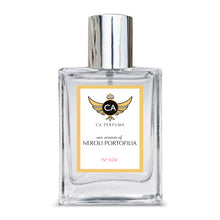
Neroli Portofilia — Neroli Portofino Alternative Perfume
A-
HumanSafe™ Score Generally Safe
Safest Evaluated Ingredients EDP
AQUA Solvent / Carrier ISS 10.0
1,4-DIOXACYCLOHEPTADECANE-5,17-DIONE Evaluated ingredient ISS 10.0
2,6-OCTADIEN-1-OL, 3,7-DIMETHYL-, ACETATE, (Z)- Evaluated ingredient ISS 9.0
CITRAL Evaluated ingredient ISS 8.0
LINALYL ACETATE Evaluated ingredient ISS 7.0
LINALOOL Evaluated ingredient ISS 7.0
View full safety profile →
Expert Voices

What Masters Say About Angelica

Angelica root oil opens with a distinctive peppery-green freshness that quickly reveals a rich, musky-amber heart unlike anything else in perfumery.
Fraterworks Editorial
Angelica’s macrocyclic musks and lactones provide a dry, musky warmth and earthy depth, making it a natural fixative and a signature note in chypre and fougère compositions.
CA Perfume Editorial
Common Questions

Frequently Asked Questions

Answers to common questions about angelica’s scent, uses, and performance in perfumery.

Angelica in perfume smells earthy, musky, and green, with a subtle peppery freshness and a rooty, slightly animalic undertone. The root oil’s macrocyclic musks (cyclopentadecanolide, cyclohexadecanolide) and lactones create a dry, persistent warmth, while volatile terpenes provide a fleeting herbal brightness. This complex profile is showcased in fragrances like Guerlain Angélique Noire and Frederic Malle French Lover.

Angelica is most commonly used as a heart or base note in perfumery. The root oil’s macrocyclic musks and lactones are slow to evaporate, providing long-lasting musky-earthy depth, while the seed oil’s lighter terpenes can serve as a top or heart note. In most compositions, angelica’s fixative power anchors the scent in the base.

Angelica’s unique musky-green profile and natural fixative properties make it highly valued in niche perfumery. Its macrocyclic musks and lactones provide complexity, longevity, and a distinctive earthy character that is difficult to replicate with other materials. Niche brands often use angelica to create signature, unconventional accords.

Angelica fragrance uses often involve pairing with iris, vetiver, cedarwood, galbanum, and white florals. These ingredients share molecular affinities—ionones, vetiverol, cedrol, and lactones—that create seamless, complex accords. Citrus notes like bergamot and lemon also enhance angelica’s green freshness.

Angelica’s green, peppery top notes are well-suited to summer, offering a fresh, invigorating opening. However, high temperatures increase volatility, causing the scent to evolve quickly and reducing longevity. For summer wear, apply sparingly and consider layering with citrus or floral notes for a lighter effect.

Angelica-based fragrances typically last 5–10 hours on skin, thanks to the persistence of macrocyclic musks and lactones. Longevity is influenced by concentration, skin chemistry, and environmental factors. Oil and Parfum formats maximize the fixative power of angelica.

Yes, angelica is highly versatile for layering. Its musky, earthy base blends well with iris, vetiver, cedarwood, and white florals, as well as citrus top notes. Molecular compatibility—shared musks, lactones, and terpenes—ensures harmonious layering and enhanced complexity.

For those new to angelica, recommended entry points include Guerlain Angélique Noire (musky-green vanilla), Jo Malone Tuberose Angelica (floral-green), and Diptyque Eau des Sens (fresh, citrusy-green). These fragrances showcase angelica’s versatility in accessible, balanced compositions.

Selecting the right angelica fragrance at CA Perfume involves considering your preferred scent profile—musky, green, floral, or woody—and desired concentration. Explore the collection’s scent descriptions and layering guides to find a composition that aligns with your olfactory preferences and seasonal needs.

Angelica’s scent is primarily earthy, musky, and green, with only subtle sweetness from macrocyclic lactones and a faint spicy-peppery edge from terpenes like alpha-pinene and beta-phellandrene. It is not overtly sweet or spicy, but rather complex and nuanced, evolving from green freshness to musky-earthy depth.

Greens, Herbs and Fougères Collection

Explore Our Top Angelica Fragrances

Discover CA Perfume’s curated selection of angelica-based fragrances, each highlighting the ingredient’s earthy, musky, and green complexity.

Shop all angelica fragrances at CA Perfume →

Where Angelica Comes From — Origin & Extraction

Angelica archangelica, commonly known as garden angelica, is a biennial plant in the Apiaceae family, native to northern and central Europe and naturalized across temperate regions of the Northern Hemisphere. The plant thrives in damp meadows, riverbanks, and mountainous regions, reaching heights of up to two meters. The roots and seeds are both used in perfumery, with the root yielding a more pungent, musky, and earthy oil, and the seeds producing a lighter, more aromatic extract. Primary production of angelica root oil is concentrated in Germany, France (notably the Poitevin Marsh), and the Baltic states, with Germany accounting for a significant share of certified organic cultivation. Extraction is typically performed via steam distillation or supercritical CO2 extraction. Steam distillation of dried roots yields 0.04–0.1% essential oil by weight, while CO2 extraction (at 40–60°C, 300 bar) produces a richer, more complete aromatic profile with higher macrocyclic lactone content. The seed oil is also obtained by steam distillation, with yields of 0.1–0.5% depending on seed quality and origin. Natural angelica root oil is costly, with prices ranging from $1,000 to $3,000 per kg for certified organic CO2 extracts. Synthetic substitutes, such as cyclopentadecanolide (CAS 502-72-7) and cyclohexadecanolide (CAS 29404-53-1), are available at $50–$200 per kg, providing a more consistent and sustainable supply. Sustainability concerns include overharvesting of wild angelica populations and the energy intensity of extraction processes. Certified organic cultivation and CO2 extraction methods are increasingly favored for their lower environmental impact and higher aromatic fidelity.

Famous Fragrances That Define Angelica in Perfumery

Angelica’s distinctive musky-green aroma has shaped several landmark fragrances across the past century. Guerlain’s Angélique Noire (2005, Daniela Andrier) is a modern classic, using angelica root as a bridge note between vanilla and floral accords, imparting a dry, musky-green complexity. Creed’s Royal Oud (2011, Olivier Creed) employs angelica as a supporting note to add earthy, aromatic depth to a sophisticated woody-amber structure. Diptyque’s Eau des Sens (2016, Olivier Pescheux) features angelica as a fresh, green accent, enhancing the composition’s citrus and floral facets. Frederic Malle’s French Lover (2007, Pierre Bourdon) uses angelica as a dominant note, paired with galbanum and vetiver to create a cool, earthy, and musky signature. Jo Malone London’s Tuberose Angelica (2014, Marie Salamagne) demonstrates angelica’s ability to add a peppery-green lift to creamy white florals. These fragrances illustrate angelica’s versatility: as a dominant note (French Lover), bridge note (Angélique Noire), accent (Eau des Sens), or supporting note (Royal Oud). Angelica is often paired with iris, vetiver, cedar, galbanum, and white florals, leveraging shared green and musky molecules for seamless blending. CA Perfume’s collection draws inspiration from this lineage, offering angelica-centered compositions that highlight its earthy-musky complexity.

Natural vs Synthetic Angelica in Perfumery

Natural angelica root oil is valued for its complex, earthy-musk aroma, primarily due to macrocyclic musks such as cyclopentadecanolide (CAS 502-72-7), cyclohexadecanolide (CAS 29404-53-1), and pentadecanolide (CAS 106-02-5). These large-ring lactones are structurally similar to animalic musks but are plant-derived. Synthetic versions of these musks are widely used to replicate the fixative and musky qualities of natural angelica, offering greater consistency, stability, and lower allergenic potential. Performance-wise, synthetic macrocyclic musks provide excellent longevity and diffusion, often surpassing natural angelica in stability and batch-to-batch consistency. Cost is a major differentiator: while natural angelica root oil can exceed $2,000/kg, synthetic musks are available for $50–$200/kg. Notable fragrances such as Guerlain Angélique Noire and Creed Royal Oud use natural angelica root oil, while many mainstream and niche compositions employ synthetic musks for sustainability and regulatory reasons. The HumanSafe™ platform at CA Perfume ensures full transparency regarding the sourcing and allergen status of both natural and synthetic angelica materials, prioritizing safety and environmental responsibility. Sustainability is further enhanced by the use of CO2 extraction and certified organic cultivation, reducing the ecological footprint of natural angelica production.