Where Ambroxan Comes From — Origin & Extraction
Ambroxan is a synthetic molecule originally developed by Firmenich in the 1950s as a sustainable and ethical alternative to natural ambergris. The primary precursor for commercial ambroxan is sclareol, a diterpene alcohol found in the essential oil of clary sage (Salvia sclarea). Major production regions for clary sage include southern France (notably Provence), Russia, and Eastern Europe, with France historically leading in high-purity sclareol extraction. Sclareol constitutes approximately 1–2% of clary sage essential oil by weight.
The industrial synthesis of ambroxan involves several key steps: (1) isolation of sclareol from clary sage biomass, (2) oxidation of sclareol to sclareolide (a lactone), (3) hydrogenation to yield a diol intermediate, and (4) cyclodehydration to form ambroxan. The process is conducted under controlled temperatures (typically 60–90°C for oxidation and hydrogenation), with yields optimized for purity exceeding 98%. The cost of ambroxan is approximately €350–590 per kilogram, substantially less than natural ambergris, which can exceed €40,000/kg due to rarity and ethical constraints.
Sustainability considerations are central to ambroxan’s adoption: clary sage is a renewable crop, and the synthesis avoids animal exploitation. Modern manufacturers (e.g., Firmenich, Givaudan, Symrise, IFF) have implemented green chemistry principles, including solvent recycling and energy optimization. The shift from animal-derived ambergris to plant-based ambroxan has enabled large-scale, consistent, and IFRA-compliant supply for the global fragrance industry.
Famous Fragrances That Define Ambroxan in Perfumery
Ambroxan’s impact on modern perfumery is profound, serving as both a dominant note and a structural amplifier in numerous iconic fragrances. Escentric Molecules Molecule 02 (2008, Geza Schön) is a minimalist composition built entirely around ambroxan, highlighting its crystalline, mineral, and musky facets. Dior Sauvage (2015, François Demachy) utilizes ambroxan as a backbone, providing radiant projection and a clean, woody-amber signature that has become synonymous with contemporary masculinity. Juliette Has a Gun Not a Perfume (2009, Romano Ricci) features Cetalox (a racemic form of ambroxan) as its sole note, creating a hypoallergenic, skin-like scent that adapts to individual wearer chemistry.
Glossier You (2017, Dora Baghriche and Frank Voelkl) employs ambroxan as a base, merging it with musk and iris for a personal, “your skin but better” effect. Maison Francis Kurkdjian Baccarat Rouge 540 (2015, Francis Kurkdjian) uses ambroxan in tandem with ethyl maltol and saffron to create a radiant, mineral-sweet aura. These fragrances demonstrate ambroxan’s versatility: as a dominant note (Molecule 02), a bridge (Baccarat Rouge 540), or a projection amplifier (Sauvage).
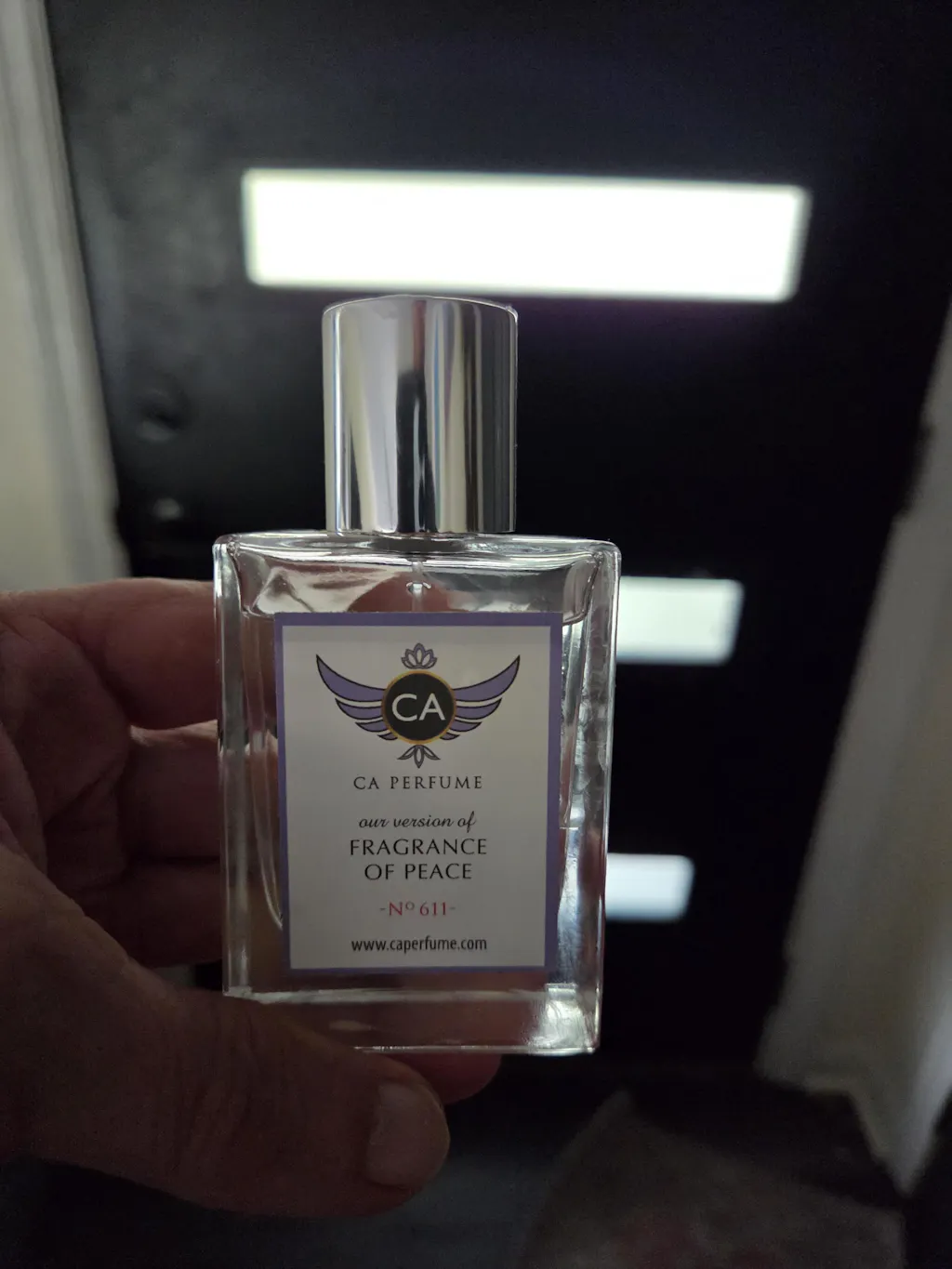
CA Perfume’s collection draws inspiration from this lineage, offering ambroxan-forward compositions that balance projection, longevity, and skin affinity, always with HumanSafe™-verified transparency.
Natural vs Synthetic Ambroxan in Perfumery
Natural ambergris, the original source of ambroxide, is a rare excretion from sperm whales (Physeter macrocephalus) and is now largely unavailable due to ethical, legal, and sustainability concerns. The key odorant in ambergris is ambroxide, but isolation from natural sources is prohibitively expensive and inconsistent. Synthetic ambroxan (CAS 6790-58-5) is produced from clary sage–derived sclareol, offering batch-to-batch consistency, purity (>98%), and scalability.
Other related synthetic molecules include Cetalox (CAS 3738-00-9, a racemic mixture with a creamier, muskier profile), Ambrox Super (Givaudan), and Ambrofix (IFF). These variants differ in optical purity and subtle olfactory nuances but share the core woody-amber character. Synthetic ambroxan exhibits superior performance: longevity of 8–12 hours on skin, strong diffusion, and stability under light and heat. In contrast, natural ambergris is highly variable and can impart animalic, marine, or tobacco-like notes depending on age and oxidation state.
Cost differential is significant: synthetic ambroxan is priced at $400–700/kg, while natural ambergris can exceed $40,000/kg. Famous fragrances using synthetic ambroxan include Dior Sauvage, Escentric Molecules Molecule 02, and Juliette Has a Gun Not a Perfume. The HumanSafe™ platform ensures transparency and traceability in sourcing, with all CA Perfume ambroxan-based fragrances verified for ethical and environmental compliance. IFRA currently imposes no specific restrictions on ambroxan usage (IFRA 51st Amendment).