Where Ambrette Comes From — Origin & Extraction
Ambrette is derived from the seeds of Abelmoschus moschatus Medik., a tropical plant in the Malvaceae family, native to India and Southeast Asia. Today, major producing countries include India (especially Assam and West Bengal), Ecuador, Peru, and Indonesia. Annual global production of ambrette seeds is estimated at 60 metric tons, with India accounting for the majority share. The seeds are harvested by hand, sun-dried, and then processed for oil extraction.
Extraction methods include steam distillation (yielding 0.15–0.2% essential oil by seed weight), solvent extraction (hexane or ethanol, yielding up to 0.6%), and supercritical CO2 extraction. The resulting products are ambrette seed oil (liquid), ambrette butter (solid, high in palmitic acid), and ambrette absolute (purified via ethanol washing and cold filtration to remove fatty acids). The key odorant, ambrettolide, is present at 7–11% in the essential oil. The cost of natural ambrette absolute ranges from $10,000–20,000 per kg, reflecting its low yield and labor-intensive production. In contrast, synthetic ambrettolide (CAS 4091-39-8 or 28645-51-4) is produced at industrial scale for $800–1,200 per kg.
Sustainability considerations include the limited availability of seeds, the need for careful storage (to prevent rancidity from fatty acid oxidation), and the environmental impact of solvent use. Supercritical CO2 extraction is gaining favor for its higher yield and lower solvent residue. The HumanSafe™ platform tracks ambrette sourcing and batch purity, ensuring transparency and minimizing adulteration risks.
Famous Fragrances That Define Ambrette in Perfumery
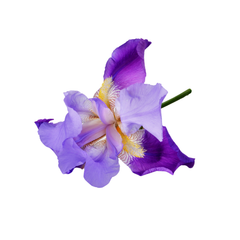
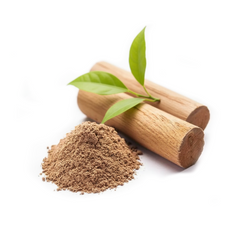
Ambrette’s unique botanical musk character has made it a cornerstone of both niche and designer perfumery. Le Labo Ambrette 9 (2006, Michel Almairac) is a minimalist study in ambrette’s skin-like, powdery musk, using the ingredient as a dominant note paired with pear and light florals. Byredo Mojave Ghost (2014, Jérôme Epinette) features ambrette as a bridge note, connecting creamy sandalwood and magnolia with a soft, musky glow. Diptyque Fleur de Peau (2018, Olivier Pescheux) uses ambrette as a dominant note, blending it with iris and musk to evoke the scent of clean skin and powder.
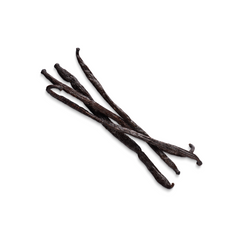
Chanel No. 18 (2007, Jacques Polge) employs ambrette as a supporting note, enhancing the aldehydic, fruity, and iris facets of the composition. In Aerin Ambrette de Noir (2020, Olivier Cresp), ambrette is paired with vanilla, tonka bean, and florals to create a warm, musky base. Other notable uses include Jo Malone Wood Sage & Sea Salt (2014), where ambrette adds a soft, salty-musk nuance, and Glossier You (2017, Frank Voelkl and Dora Baghriche), where it serves as a bridge between powdery musk and creamy woods.
CA Perfume’s collection draws inspiration from this lineage, offering ambrette-forward compositions that highlight the ingredient’s versatility and skin-like warmth.
Natural vs Synthetic Ambrette in Perfumery
Natural ambrette is prized for its complexity and subtlety, but its high cost and limited supply have led to widespread use of synthetic substitutes. The primary synthetic molecule is ambrettolide (CAS 4091-39-8 or 28645-51-4), a macrocyclic lactone that closely mimics the musky, powdery, and slightly fruity facets of natural ambrette. Other macrocyclic musks used in perfumery include exaltolide (CAS 106-02-5) and muscenone (CAS 116-66-5), which offer similar diffusion and fixative properties.
Synthetic ambrettolide is more stable to oxidation, does not require refrigeration, and is available at a fraction of the cost of natural ambrette absolute ($800–1,200/kg vs. $10,000–20,000/kg). In terms of performance, synthetic ambrettolide provides excellent longevity (over 300 hours on blotter) and diffusion, though it lacks some of the nuanced, nutty, and cognac-like undertones of the natural extract. Notable fragrances using natural ambrette include Le Labo Ambrette 9 and Diptyque Fleur de Peau, while most mainstream musky fragrances rely on synthetic ambrettolide for consistency and regulatory compliance.
Sustainability and supply chain transparency are critical: natural ambrette is limited by agricultural cycles and susceptible to adulteration, while synthetic ambrettolide is biodegradable and unrestricted by IFRA. The HumanSafe™ platform at CA Perfume verifies both natural and synthetic batches for purity and traceability, supporting informed consumer choices.