Where Agarwood (Oud) Comes From — Origin & Extraction
Agarwood is derived from the heartwood of Aquilaria trees, primarily Aquilaria crassna and Aquilaria malaccensis, native to tropical rainforests of Southeast Asia including India, Thailand, Cambodia, Laos, Malaysia, Indonesia, and Vietnam. These trees produce non-aromatic wood naturally, but when infected by fungi such as Phialophora parasitica, they secrete a dark resin as a defense, transforming the wood into fragrant agarwood over years or decades.
Extraction of agarwood oil (oud oil) is typically done via steam or hydro-distillation of the resinous wood chips. The process is delicate, requiring careful selection of infected wood, cleaning, and long distillation periods often lasting 36 to 72 hours. Yields are low, generally between 1% and 3% by weight of raw wood, contributing to the high cost of natural oud oil.
Natural agarwood oil prices range from $3,000 to over $10,000 per kilogram depending on grade and origin. Synthetic oud accords, developed since the 20th century, provide cost-effective and sustainable alternatives, priced around $50 to $200 per kilogram. Sustainability concerns have led to plantation cultivation and fungal inoculation techniques to produce agarwood resin ethically, reducing pressure on wild populations which are critically endangered.
Famous Fragrances That Define Agarwood (Oud) in Perfumery
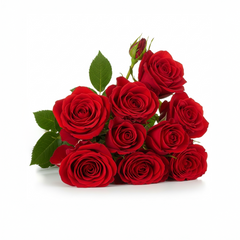
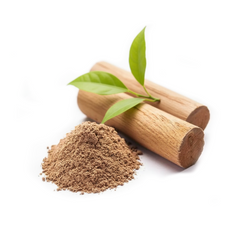
Agarwood (Oud) has been a cornerstone in luxury perfumery, especially in Middle Eastern and niche Western fragrances. Tom Ford's Oud Wood (2007, perfumer: David Apel) uses agarwood as a smooth, smoky base note, paired with sandalwood and pink pepper, creating a modern woody oriental. Maison Francis Kurkdjian's Oud Satin Mood (2015, Francis Kurkdjian) blends oud with rose and violet, showcasing oud's floral compatibility.
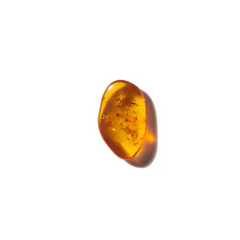
Amouage Interlude Man (2012, perfumer: Carlos Benaim) presents oud as a rich, resinous heart note layered with amber and incense, emphasizing oud's complexity. Versace Pour Homme Oud Noir (2013, perfumer: Alberto Morillas) features oud as a dominant note with black pepper and bitter orange, highlighting oud's spicy facets.
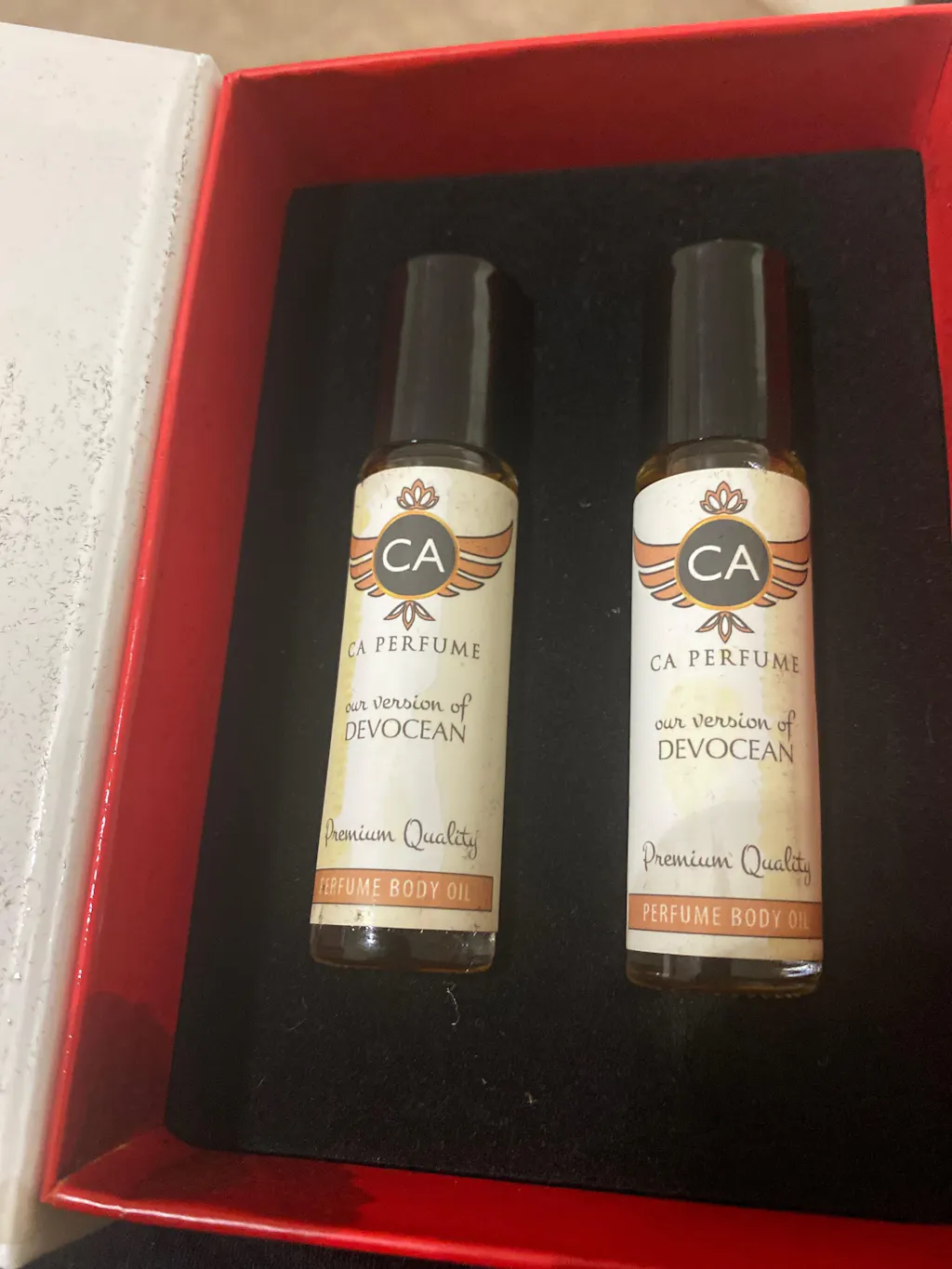
DS Durga Notorious Oud (2019, perfumer: David Frossard) uses oud as a middle note, demonstrating its versatility beyond base notes. These fragrances illustrate agarwood's range from smoky and animalic to sweet and floral. CA Perfume's collection respects this heritage by offering nuanced oud compositions that honor traditional and contemporary interpretations.
Natural vs Synthetic Agarwood (Oud) in Perfumery
Natural agarwood oil is composed mainly of sesquiterpenols (e.g., agarol, jinkohol), ketones, and sesquiterpenes, which create its complex woody, smoky, and balsamic aroma. Its longevity and diffusion are excellent but vary with resin quality and extraction method. Synthetic oud accords use aroma chemicals such as dihydroagarofuran (CAS 22464-58-0), agarospirol (CAS 22464-57-9), and synthetic musks to replicate the woody, smoky, and leathery facets.
Synthetic versions offer greater consistency, stability, and affordability, costing roughly $50–200/kg compared to $3,000–10,000/kg for natural oud oil. However, natural oud is prized for its nuanced evolution and cultural authenticity, featured in fragrances like Amouage Interlude Man (natural) versus synthetic accords in Tom Ford Oud Wood.
The HumanSafe™ platform emphasizes transparency in sourcing and formulation, encouraging use of sustainably harvested natural oud or verified synthetic accords to balance luxury with ecological responsibility.