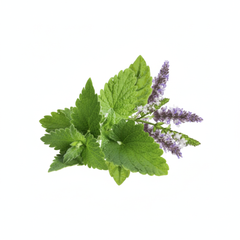
Ingredient Guide · Greens, Herbs and Fougeres
Greens, Herbs and Fougeres Family · Perfumery Note

Wormwood

A pungent, green, and camphoraceous signature in modern perfumery.

Wormwood is a heart note in perfumery, prized for its intensely bitter, green, and herbal character. Its defining aroma comes from thujone and absinthin, with usage typically below 1% due to its potency and IFRA restrictions.

Wormwood
Ingredient Profile

Wormwood

Greens, Herbs and Fougeres Family
Family Greens, Herbs and Fougeres
Note Position Heart Note
Usage Level <1%
Key Origins France, Morocco, China
Iconic In Memoir Man, Absinth
The Ingredient

What does Wormwood smell like and why is it prized in perfumery?

Wormwood (Artemisia absinthium) is botanically classified within the Asteraceae family and is renowned for its role as the key ingredient in absinthe. In perfumery, wormwood’s scent profile is defined by a sharp, bitter, and intensely green aroma with pronounced herbaceous and camphoraceous facets. The primary odorant molecules include thujone (C10H16O, CAS 8008-93-3), absinthin (a sesquiterpene lactone responsible for the extreme bitterness), and supporting compounds such as camphor, 1,8-cineole, and borneol. This combination yields a scent that is both medicinal and aromatic, with a subtle anise-like sweetness detectable in some chemotypes. The overall effect is pungent, dry, and slightly metallic, with a lingering herbal aftertaste that is unmistakable in both natural and synthetic forms. This makes wormwood a unique note for perfumers seeking to impart a sense of intellectual complexity or evoke the bohemian mystique of fin-de-siècle Paris. In perfumery, wormwood is most commonly used as a heart note, though it can also appear in top notes for an immediate burst of bitterness and green freshness. Its typical concentration in fine fragrance is 0.05–0.5%, strictly limited by IFRA due to the neurotoxicity of thujone (Category 4: max 1.4% alpha-thujone in finished product). On skin, wormwood’s volatile components—especially thujone and camphor—evaporate rapidly, giving way to a dry, woody, and slightly earthy undertone. The interaction with skin chemistry can accentuate either its medicinal sharpness or its subtle sweetness, depending on pH and moisture. Wormwood in perfumery is rarely used alone; it is valued for its ability to cut through sweet, floral, or resinous accords, lending structure and a clean, bracing edge. Landmark fragrances that exemplify wormwood’s use include Amouage Memoir Man (2010, Karine Vinchon-Spehner), where wormwood provides a bitter, aromatic bridge between incense and leather, and Nasomatto Absinth (2007, Alessandro Gualtieri), which explores the note’s hallucinogenic, green facets in an avant-garde context. In both, wormwood’s bitter complexity is central to the composition’s intellectual and olfactory impact, making it a favorite among niche and artistic perfumers.

<1%
Typical concentration of wormwood oil in fine fragrance formulas, reflecting both its intense bitterness and IFRA restrictions on thujone content.
4–6 Hours
Average longevity of wormwood’s heart and base notes in Eau de Parfum, as the volatile top notes dissipate rapidly but the herbal core persists.
1.4% max
IFRA Category 4 limit for alpha-thujone in finished fragrance, established to prevent neurotoxic effects and ensure consumer safety.
Origin & Extraction

Where Wormwood Comes From — Origin & Extraction

Wormwood’s scent character is shaped by terroir: Mediterranean soils yield higher thujone and chamazulene, while Moroccan and Chinese material varies in bitterness and camphoraceous intensity due to climate and chemotype.

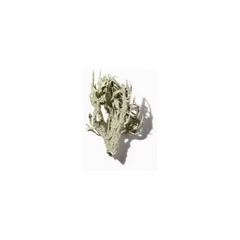
Wormwood (Artemisia absinthium) is native to temperate regions of Eurasia and North Africa, with major cultivation in Southern Europe (notably France and Spain), Morocco, and parts of North America. The plant is a perennial herb characterized by silvery-green, finely divided leaves and yellow flower heads. Commercial production of wormwood essential oil centers on Morocco, southern France, and China, with Morocco accounting for an estimated 40% of global supply. The essential oil is obtained by steam distillation of the aerial parts (leaves and flowering tops), typically harvested at the onset of flowering. Distillation is performed at atmospheric pressure, with temperatures maintained below 100°C to preserve thermolabile constituents. Yields are low, averaging 0.2–0.5% by weight of fresh plant material, and the resulting oil is dark green to blue-green due to chamazulene formation during distillation. High-yield extraction methods, such as those described in CN108456594A, can achieve up to 59% recovery with 98% purity under optimized conditions. The principal odorant, beta-thujone, constitutes 35–50% of the oil (CAS 8008-93-3), with other chemotypes dominated by trans-sabinyl acetate or chrysanthenyl acetate. The cost of natural wormwood oil varies by origin and thujone content, ranging from $400–$1,000/kg for Moroccan material to $150–$400/kg for Chinese or Indian oil. Thujone-free or reduced-thujone oils (for regulatory compliance) are less expensive and more widely used in commercial perfumery. Synthetic wormwood aroma chemicals, such as pure thujone or wormwood oil replacer blends, are available at $80–$200/kg, offering greater consistency and safety. Sustainability concerns focus on overharvesting wild populations and the environmental impact of large-scale monoculture. However, wormwood is a hardy, drought-tolerant species requiring minimal pesticides or irrigation. IFRA restrictions on thujone content (max 1.4% in fine fragrance) further limit environmental and health risks. The majority of commercial wormwood oil is now produced from cultivated, not wild, sources, with traceability and batch testing (GC/MS) required for export and use in regulated markets.

FR

France

Provence and Languedoc regions produce wormwood with high thujone and chamazulene content, yielding a sharp, bitter aroma. French wormwood is prized for absinthe and perfumery, with annual production around 10–15 metric tons. PDO standards ensure quality and traceability.

MA

Morocco

Moroccan wormwood (notably from the Atlas foothills) is distinguished by its blue-green oil, high chamazulene (up to 30%), and a drier, more medicinal profile. Morocco supplies roughly 40% of global essential oil exports.

CN

China

Chinese wormwood, especially from Yunnan and Sichuan, is cultivated for both medicinal and perfumery use. Chemotypes vary, with some material showing lower thujone and higher camphor, resulting in a less bitter, more aromatic oil. China is a major bulk supplier.

US

United States

In the US, wormwood grows wild and is cultivated in the Midwest and Pacific Northwest. American oil is typically greener, with moderate thujone and a pronounced cedar-like facet. Production is smaller scale, often for niche perfumery and artisanal absinthe.

Chemistry

Natural vs Synthetic Wormwood in Perfumery

Natural wormwood oil is a complex mixture dominated by beta-thujone (CAS 8008-93-3), with supporting molecules such as camphor (CAS 76-22-2), 1,8-cineole (CAS 470-82-6), and borneol (CAS 507-70-0). Synthetic wormwood notes are typically constructed using isolated thujone, eucalyptol, and camphor, or commercial wormwood oil replacer blends that mimic the bitter, herbal, and camphoraceous facets while reducing neurotoxic risk. Synthetic variants offer superior batch-to-batch consistency, enhanced stability, and lower cost—$80–$200/kg compared to $400–$1,000/kg for high-quality natural oil. Performance-wise, synthetic wormwood accords can be tailored for greater longevity and diffusion, as natural thujone is highly volatile and prone to rapid evaporation. Notable fragrances using natural wormwood include Amouage Memoir Man and L’Artisan Parfumeur Fou d’Absinthe, while Nasomatto Absinth and Histoires de Parfums 1889 Moulin Rouge employ both natural and synthetic variants for regulatory compliance. Sustainability is a key consideration: synthetic wormwood reduces pressure on wild and cultivated populations, minimizes land and water use, and enables precise IFRA compliance. CA Perfume’s HumanSafe™ platform ensures all wormwood-containing fragrances are fully traceable, with thujone levels independently verified and transparently disclosed for consumer safety.

Natural
Wormwood Absolute
Cost $3,000–6,000/kg
Method Solvent / CO₂
Character Complex, variable
vs
Synthetic
Safranal & Analogues
Cost $50–200/kg
Method Lab synthesis
Character Consistent, stable
Hall of Fame

Famous Fragrances That Define Wormwood in Perfumery

2010
dominant bridge note

Memoir Man

Amouage
by Karine Vinchon-Spehner
incenseleatherabsinthemusk
2007
dominant note

Absinth

Nasomatto
by Alessandro Gualtieri
green notesvetiverwoods
2006
accent and bridge note

Fou d’Absinthe

L’Artisan Parfumeur
by Olivia Giacobetti
pineblackcurrantspices
2010
accent note

1889 Moulin Rouge

Histoires de Parfums
by Gérald Ghislain
powdery floralswoodsamber
2011
top note

Body

Burberry
by Michel Almairac
peachrosesandalwood

Wormwood has played a defining role in both classic and contemporary perfumery, particularly in aromatic, fougère, and avant-garde compositions. In Amouage Memoir Man (2010, Karine Vinchon-Spehner), wormwood acts as a dominant bridge note, linking incense, leather, and absinthe-inspired accords with a pronounced bitter-green signature. Nasomatto Absinth (2007, Alessandro Gualtieri) explores the hallucinogenic and herbal facets of wormwood, using both natural and synthetic materials to evoke the mythos of absinthe. L’Artisan Parfumeur Fou d’Absinthe (2006, Olivia Giacobetti) pairs wormwood with pine, blackcurrant, and spices, creating a cold, bracing effect reminiscent of the Parisian Belle Époque. Histoires de Parfums 1889 Moulin Rouge (2010, Gérald Ghislain) employs wormwood as an accent to powdery florals and woods, referencing the bohemian nightlife of 19th-century Paris. Burberry Body (2011, Michel Almairac) uses wormwood as a top note, imparting a sharp, green opening to a modern chypre structure. Other notable examples include Amouage Memoir Woman (2010, Dorothée Piot), where wormwood’s bitterness tempers rich florals and resins, and Franck Boclet Absinthe (2015), which foregrounds wormwood’s dry, herbal complexity. CA Perfume’s collection draws on this lineage, offering wormwood-centered compositions that balance tradition and innovation for both connoisseurs and newcomers.

The Accord

How is a captivating Wormwood accord crafted?

A classic wormwood accord balances bitterness, green sharpness, and subtle sweetness. Typical proportions: Wormwood 20–25%, Lavender 20–25%, Vetiver 25–30%, Anise 25–30%. Lavender’s linalool softens the camphoraceous edge, vetiver’s earthy facets anchor the blend, and anise’s anethole bridges the herbal and sweet dimensions for a nuanced, multidimensional effect.

25%

Wormwood

20–25% of blend

Provides the core bitter, herbal, and camphoraceous signature. Thujone and absinthin drive the sharp, green character.

25%

Lavender

20–25% of blend

Linalool and linalyl acetate in lavender round out wormwood’s harshness, introducing aromatic freshness and floral lift.

30%

Vetiver

25–30% of blend

Vetiver’s vetiverol and vetivone molecules add earthy, woody depth, stabilizing the high volatility of wormwood’s top notes.

30%

Anise

25–30% of blend

Anethole in anise creates a molecular bridge to wormwood’s faint sweetness, echoing the classic absinthe pairing and smoothing transitions.

The Olfactory Layers

How Wormwood Evolves on Skin

Wormwood’s olfactory evolution begins with a sharp, volatile burst of bitterness and green freshness (0–15 minutes), driven by thujone and camphor. As these high-volatility molecules dissipate, the heart reveals a drier, woody, and herbal complexity (20–60 minutes), before settling into a faintly earthy, medicinal base that lingers for several hours.

I
Top notes
0–15 min
Bitter Green Burst

The initial impression is intensely bitter, green, and camphoraceous, dominated by thujone and 1,8-cineole. These highly volatile molecules evaporate rapidly, creating a bracing, almost medicinal opening reminiscent of crushed leaves and cold metal.

bitter-greencamphoraceousvolatile
II
Heart notes
20–60 min
Herbal Drydown

As top notes fade, wormwood’s heart reveals a dry, herbal, and woody character. Borneol and absinthin contribute to a lingering bitterness, while subtle anise-like sweetness emerges. The overall effect is austere and aromatic, with a faint metallic edge.

herbalwoodydry
III
Base notes
Several hours
Earthy Medicinal Trace

In the base, wormwood’s residual aroma is earthy, medicinal, and slightly smoky, anchored by less volatile sesquiterpenes and lactones. The bitterness softens, leaving a clean, persistent herbal trace that interacts with skin chemistry for a unique finish.

earthymedicinalpersistent
TOP NOTES Bitter Green Burst 0–15 minutes HEART NOTES Herbal Drydown 20–60 minutes BASE NOTES Earthy Medicinal Trace Several hours
Through the Ages

The Story of Wormwood in Perfumery

Wormwood’s journey in perfumery spans ancient medicine, absinthe’s cultural rise, and its modern revival in niche fragrance.

Antiquity

Medicinal Use in Ancient Egypt and Greece

Wormwood is documented as a medicinal herb in Egyptian and Greek texts, used for digestive and antiparasitic purposes. Its extreme bitterness and aromatic strength are noted in the earliest pharmacopeias.

1792

Absinthe Invented in Switzerland

The first commercial absinthe is produced in Couvet, Switzerland, using Artemisia absinthium as the defining ingredient. The spirit’s popularity spreads rapidly through France and Europe.

1905–1915

Absinthe Banned in France and US

Due to concerns over thujone toxicity and social effects, absinthe is banned in France (1915) and the US (1912), cementing wormwood’s reputation as a symbol of bohemian rebellion.

1970s–1980s

Wormwood Returns in Niche Perfumery

Perfumers begin to reintroduce wormwood and artemisia notes in fougère and chypre compositions, leveraging its bitter-green complexity for modern aromatic structures.

2006–2010

Modern Wormwood Fragrance Renaissance

Fragrances like L’Artisan Parfumeur Fou d’Absinthe (2006) and Amouage Memoir Man (2010) showcase wormwood as a central note, inspiring a new wave of absinthe-themed and herbal perfumes.

The Art of Layering

How to Layer Wormwood

Understanding how to layer wormwood requires attention to molecular compatibility. Wormwood’s bitterness and volatility are best balanced by notes that share or complement its key compounds, such as anise, lavender, and vetiver.

01

Enhance Sweetness

Layer wormwood with anise or fennel to amplify the subtle anethole-driven sweetness present in both. This molecular synergy echoes the absinthe accord, as seen in Histoires de Parfums 1889 Moulin Rouge, where wormwood and anise create a seamless aromatic bridge.

02

Add Depth

Pair wormwood with vetiver or oakmoss to deepen its earthy, woody facets. Vetiver’s vetiverol and moss’s evernic acid stabilize wormwood’s volatility, extending its persistence and grounding its sharpness, as demonstrated in Amouage Memoir Man.

03

Lighten the Edge

Combine wormwood with lavender or citrus (bergamot, lemon) to soften its bitterness and introduce aromatic freshness. Linalool in lavender and limonene in citrus act as olfactory masks, smoothing transitions and brightening the overall profile, as in Burberry Body.

Wear It Right

How to Wear Wormwood Like a Pro

Seasonal Guide

Fall & Winter

Cooler temperatures suppress wormwood’s volatility, allowing its herbal and woody facets to linger. Apply to pulse points and layer with warm resins or spices to enhance projection and balance bitterness.

Spring

Moderate warmth brings out wormwood’s green freshness and subtle sweetness. Pair with florals or citrus for a lively, invigorating effect. Lighter application prevents the note from overwhelming delicate spring compositions.

Summer

Heat accelerates evaporation of thujone and camphor, intensifying the initial bitterness but shortening longevity. Use sparingly or blend with cooling notes like mint or citrus to maintain freshness and avoid harshness.

Year-Round Tip

Layer wormwood with complementary notes (lavender, vetiver, anise) to modulate its intensity and adapt to changing weather. Adjust application to pulse points for maximum effect in cooler months, and to clothing or hair for sustained projection in heat.

Application Points

Strategic application enhances wormwood’s projection and evolution. Target pulse points and areas with moderate warmth for optimal diffusion.

1

Neck

Applying wormwood-based fragrances to the neck leverages body heat to accelerate the release of volatile top notes, maximizing the initial green burst and ensuring a vivid first impression.

2

Behind the Ears

This area maintains moderate warmth and is less exposed to air, allowing wormwood’s heart notes to linger and evolve gradually, emphasizing its herbal and woody complexity.

3

Inner Wrists

Pulse points on the wrists enhance evaporation of thujone and camphor, providing a dynamic, evolving scent experience as the fragrance interacts with skin chemistry and movement.

4

Hair

Spraying wormwood fragrances lightly on hair offers sustained release of the herbal, earthy base notes, as hair retains scent molecules longer and diffuses them with movement.

Pro Tip

For maximum longevity, layer wormwood fragrances over unscented moisturizer or use a matching body oil. This slows evaporation and anchors the more volatile components.

Mood Architecture™

Top Wormwood Fragrances by Mood Score

These Wormwood-based fragrances scored highest on the MEI™ Mood Architecture Framework — measuring how a scent may influence your emotional state.

Highest MEI Score
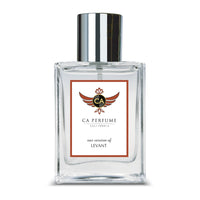
Levant — Penhaligon's Levantium Alternative Perfume
8.37
MEI™
Primary Confident
Secondary Magnetic
Confidence
9.41
Presence
8.98
Mood Lift
7.78
Identity
9.26
Warmth
9.5
Social Ease
6.97
Energy
3.2
" I am unstoppable.
View full mood profile →
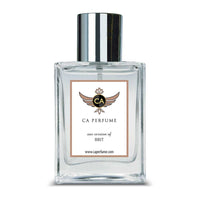
Brit — Burberry Brit Alternative Perfume
7.94
MEI™
Primary Romantic
Secondary Energizing
Confidence
6.37
Presence
6.58
Mood Lift
9.5
Identity
6.75
Warmth
9.5
Social Ease
8.72
Energy
4.7
" I am beautiful.
View full mood profile →
Drakkar Dark — Drakkar Noir Alternative Cologne
7.57
MEI™
Primary Magnetic
Secondary Confident
Confidence
7.43
Presence
8.19
Mood Lift
7.92
Identity
7.68
Warmth
7.51
Social Ease
7.3
Energy
6.0
" I am bold.
View full mood profile →
A Taste Of Heaven — By Kilian Impression Alternative Perfume
6.77
MEI™
Primary Romantic
Secondary Grounding
Confidence
5.45
Presence
5.51
Mood Lift
7.9
Identity
5.94
Warmth
8.01
Social Ease
7.65
Energy
4.5
" I am beautiful.
View full mood profile →
HumanSafe™

Top Wormwood Fragrances by HumanSafe™ Score

These Wormwood-based fragrances have the highest product-level HumanSafe™ scores in this ingredient collection.

Highest HumanSafe™ Score
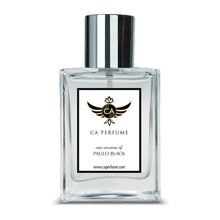
Paulo Black — Polo Black Alternative Cologne
A-
HumanSafe™ Score Generally Safe
Safest Evaluated Ingredients EDP
AQUA Solvent / Carrier ISS 10.0
3-CYCLOHEXENE-1-CARBOXALDEHYDE, 1-METHYL-4-(4- Evaluated ingredient ISS 10.0
1,4-DIOXACYCLOHEPTADECANE-5,17-DIONE Evaluated ingredient ISS 10.0
7-OCTEN-2-OL, 2,6-DIMETHYL- Evaluated ingredient ISS 9.0
TRICYCLO[6.3.1.02,5]DODECAN-1-OL, 4,4,8-TRIMETHYL-, Evaluated ingredient ISS 8.0
LINALYL ACETATE Evaluated ingredient ISS 7.0
View full safety profile →
Levant — Penhaligon's Levantium Alternative Perfume
A-
HumanSafe™ Score Generally Safe
Safest Evaluated Ingredients EDP
AQUA Solvent / Carrier ISS 10.0
1,4-DIOXACYCLOHEPTADECANE-5,17-DIONE Evaluated ingredient ISS 10.0
3-CYCLOPENTENE-1-ACETALDEHYDE, 2,2,3-TRIMETHYL-, Evaluated ingredient ISS 9.0
LINALYL ACETATE Evaluated ingredient ISS 7.0
LINALOOL Evaluated ingredient ISS 7.0
CITRONELLOL Evaluated ingredient ISS 7.0
View full safety profile →
Drakkar Dark — Drakkar Noir Alternative Cologne
A-
HumanSafe™ Score Generally Safe
Safest Evaluated Ingredients EDP
AQUA Solvent / Carrier ISS 10.0
BENZYL SALICYLATE Evaluated ingredient ISS 9.0
7-OCTEN-2-OL, 2,6-DIMETHYL- Evaluated ingredient ISS 9.0
2-OXABICYCLO[2.2.2]OCTANE, 1,3,3-TRIMETHYL- Evaluated ingredient ISS 9.0
1H-3A,7-METHANOAZULEN-6-OL, OCTAHYDRO-3,6,8,8- Evaluated ingredient ISS 9.0
View full safety profile →
Brit — Burberry Brit Alternative Perfume
A-
HumanSafe™ Score Generally Safe
Safest Evaluated Ingredients EDP
AQUA Solvent / Carrier ISS 10.0
1,4-DIOXACYCLOHEPTADECANE-5,17-DIONE Evaluated ingredient ISS 10.0
BENZYL SALICYLATE Evaluated ingredient ISS 9.0
2H-1-BENZOPYRAN-2-ONE Evaluated ingredient ISS 8.0
LINALYL ACETATE Evaluated ingredient ISS 7.0
View full safety profile →
Expert Voices

What Masters Say About Wormwood

Wormwood has a bitter, intensely green, herbaceous scent with camphoraceous freshness and subtle anise-like sweetness. It is pungent, aromatic, and slightly medicinal with an unforgettable herbal character.
Fragrance Purveyor Editorial
Wormwood’s scent profile is defined by thujone and absinthin, creating a sharp, bitter, and medicinal character that is both challenging and rewarding for perfumers seeking complexity.
CA Perfume Editorial
Common Questions

Frequently Asked Questions

Frequently asked questions address wormwood’s scent, use, safety, and performance in perfumery.

Wormwood in perfume is intensely bitter, green, and herbal, with a sharp camphoraceous edge and subtle anise-like sweetness. The primary scent molecules are thujone and absinthin, which create a medicinal, aromatic, and slightly metallic character. Its bitterness is unmistakable and often used to add complexity and structure to aromatic and fougère fragrances.

Wormwood is most commonly used as a heart note in perfumery, though its volatile components can appear in the top notes for an immediate green burst. Its bitterness and herbal complexity persist into the heart and base, but the most pronounced effects are within the first hour of wear.

Niche perfumers favor wormwood for its intellectual, bohemian associations and its ability to impart a bitter, herbal complexity that stands apart from mainstream sweet or floral compositions. Its historical ties to absinthe and artistic rebellion make it a symbol of avant-garde perfumery.

Wormwood fragrance uses often involve pairing with lavender, vetiver, oakmoss, anise, and citrus. These notes share or complement wormwood’s key molecules, balancing its bitterness and volatility for a more harmonious, multidimensional scent.

Wormwood’s volatility increases in heat, intensifying its initial bitterness but reducing longevity. In summer, it is best used sparingly or blended with cooling notes like mint or citrus to maintain freshness and avoid harshness.

Wormwood’s top notes dissipate quickly (within 15–30 minutes), but its heart and base can persist for 4–6 hours in Eau de Parfum format. Longevity depends on concentration, skin chemistry, and environmental conditions.

Yes, wormwood can be layered with complementary notes such as anise, lavender, vetiver, and citrus. Layering enhances complexity and allows you to modulate bitterness, projection, and overall character for a personalized scent experience.

Beginner-friendly wormwood fragrances include Burberry Body (for a subtle green opening), L’Artisan Parfumeur Fou d’Absinthe (for a balanced absinthe accord), and Amouage Memoir Man (for a complex, aromatic structure). These offer accessible introductions to wormwood’s unique profile.

Consider your preferred intensity and style—whether you want a subtle herbal accent or a dominant bitter-green signature. CA Perfume’s collection includes both classic and modern interpretations, with full transparency on ingredient sourcing and thujone content for safety.

Wormwood is primarily bitter and herbal, with a sharp, medicinal edge. However, certain chemotypes and pairings (especially with anise or fennel) can reveal a faint anise-like sweetness. It is not typically considered sweet or spicy, but rather intensely green and aromatic.

Greens, Herbs and Fougeres Collection

Explore Our Top Wormwood Fragrances

Discover CA Perfume’s curated selection of wormwood-centered fragrances, from classic absinthe-inspired blends to modern aromatic interpretations.

Shop all wormwood fragrances at CA Perfume →

Where Wormwood Comes From — Origin & Extraction

Wormwood (Artemisia absinthium) is native to temperate regions of Eurasia and North Africa, with major cultivation in Southern Europe (notably France and Spain), Morocco, and parts of North America. The plant is a perennial herb characterized by silvery-green, finely divided leaves and yellow flower heads. Commercial production of wormwood essential oil centers on Morocco, southern France, and China, with Morocco accounting for an estimated 40% of global supply. The essential oil is obtained by steam distillation of the aerial parts (leaves and flowering tops), typically harvested at the onset of flowering. Distillation is performed at atmospheric pressure, with temperatures maintained below 100°C to preserve thermolabile constituents. Yields are low, averaging 0.2–0.5% by weight of fresh plant material, and the resulting oil is dark green to blue-green due to chamazulene formation during distillation. High-yield extraction methods, such as those described in CN108456594A, can achieve up to 59% recovery with 98% purity under optimized conditions. The principal odorant, beta-thujone, constitutes 35–50% of the oil (CAS 8008-93-3), with other chemotypes dominated by trans-sabinyl acetate or chrysanthenyl acetate. The cost of natural wormwood oil varies by origin and thujone content, ranging from $400–$1,000/kg for Moroccan material to $150–$400/kg for Chinese or Indian oil. Thujone-free or reduced-thujone oils (for regulatory compliance) are less expensive and more widely used in commercial perfumery. Synthetic wormwood aroma chemicals, such as pure thujone or wormwood oil replacer blends, are available at $80–$200/kg, offering greater consistency and safety. Sustainability concerns focus on overharvesting wild populations and the environmental impact of large-scale monoculture. However, wormwood is a hardy, drought-tolerant species requiring minimal pesticides or irrigation. IFRA restrictions on thujone content (max 1.4% in fine fragrance) further limit environmental and health risks. The majority of commercial wormwood oil is now produced from cultivated, not wild, sources, with traceability and batch testing (GC/MS) required for export and use in regulated markets.

Famous Fragrances That Define Wormwood in Perfumery

Wormwood has played a defining role in both classic and contemporary perfumery, particularly in aromatic, fougère, and avant-garde compositions. In Amouage Memoir Man (2010, Karine Vinchon-Spehner), wormwood acts as a dominant bridge note, linking incense, leather, and absinthe-inspired accords with a pronounced bitter-green signature. Nasomatto Absinth (2007, Alessandro Gualtieri) explores the hallucinogenic and herbal facets of wormwood, using both natural and synthetic materials to evoke the mythos of absinthe. L’Artisan Parfumeur Fou d’Absinthe (2006, Olivia Giacobetti) pairs wormwood with pine, blackcurrant, and spices, creating a cold, bracing effect reminiscent of the Parisian Belle Époque. Histoires de Parfums 1889 Moulin Rouge (2010, Gérald Ghislain) employs wormwood as an accent to powdery florals and woods, referencing the bohemian nightlife of 19th-century Paris. Burberry Body (2011, Michel Almairac) uses wormwood as a top note, imparting a sharp, green opening to a modern chypre structure. Other notable examples include Amouage Memoir Woman (2010, Dorothée Piot), where wormwood’s bitterness tempers rich florals and resins, and Franck Boclet Absinthe (2015), which foregrounds wormwood’s dry, herbal complexity. CA Perfume’s collection draws on this lineage, offering wormwood-centered compositions that balance tradition and innovation for both connoisseurs and newcomers.

Natural vs Synthetic Wormwood in Perfumery

Natural wormwood oil is a complex mixture dominated by beta-thujone (CAS 8008-93-3), with supporting molecules such as camphor (CAS 76-22-2), 1,8-cineole (CAS 470-82-6), and borneol (CAS 507-70-0). Synthetic wormwood notes are typically constructed using isolated thujone, eucalyptol, and camphor, or commercial wormwood oil replacer blends that mimic the bitter, herbal, and camphoraceous facets while reducing neurotoxic risk. Synthetic variants offer superior batch-to-batch consistency, enhanced stability, and lower cost—$80–$200/kg compared to $400–$1,000/kg for high-quality natural oil. Performance-wise, synthetic wormwood accords can be tailored for greater longevity and diffusion, as natural thujone is highly volatile and prone to rapid evaporation. Notable fragrances using natural wormwood include Amouage Memoir Man and L’Artisan Parfumeur Fou d’Absinthe, while Nasomatto Absinth and Histoires de Parfums 1889 Moulin Rouge employ both natural and synthetic variants for regulatory compliance. Sustainability is a key consideration: synthetic wormwood reduces pressure on wild and cultivated populations, minimizes land and water use, and enables precise IFRA compliance. CA Perfume’s HumanSafe™ platform ensures all wormwood-containing fragrances are fully traceable, with thujone levels independently verified and transparently disclosed for consumer safety.