Ingredient Guide · Woody
Woody Family · Perfumery Note

White Cedar Extract

Soft, powdery wood with fresh, aromatic nuances

White Cedar Extract is a heart note in perfumery known for its woody, creamy, and slightly powdery character. It is typically used below 1% concentration to add depth and subtlety to woody, citrus, and floral accords.

White Cedar Extract
Ingredient Profile

White Cedar Extract

Woody Family
Family Woody
Note Position Heart Note
Usage Level <1%
Key Origins Canada, France, Japan
Iconic In White Cedar, White Cedar & Pear
The Ingredient

What does White Cedar Extract smell like and why is it significant in perfumery?

White Cedar Extract is derived primarily from the wood of white cedar species such as those found in Canada and parts of North America. Its scent profile is characterized by a woody, creamy, and slightly powdery aroma, often described as soft and ethereal with subtle fresh and resinous undertones. The key chemical constituents include cedrol and other sesquiterpenes that contribute to its smooth, rounded woody character. In perfumery, white cedar extract is predominantly used as a heart note, positioned to provide a creamy woody depth that supports both floral and citrus elements. It is typically employed at concentrations below 1%, allowing it to blend seamlessly without overpowering other notes. White cedar's subtlety and complexity make it a versatile ingredient that interacts well with skin chemistry, often enhancing the longevity and smoothness of a fragrance's midsection. Notable examples of white cedar extract in perfumery include 4711 White Cedar (2025) by perfumer Anton Jimmy Studer, which showcases its dry, woody, and slightly powdery facets alongside iris and papyrus. Another example is Bath House's White Cedar & Pear, where the extract balances fruity and spicy accords. These fragrances demonstrate white cedar's ability to add a refined softness and structural elegance to modern compositions.

<1%
Typical concentration range in perfumes to maintain subtlety and avoid overpowering the blend.
4–6 Hours
Average longevity on skin when white cedar is anchored by deeper base notes.
3000+ Years
Maximum lifespan of cedar trees, reflecting the enduring cultural and botanical significance of the source material.
Origin & Extraction

Where White Cedar Extract Comes From — Origin & Extraction

White Cedar Extract's scent is influenced by the geography and climate of its source regions. Cool, moist forests with rich soil foster the growth of aromatic white cedar trees, imparting fresh, creamy, and slightly resinous qualities to the extract.

White Cedar Extract is obtained from species of white cedar trees, primarily from North America, including Canada and the northeastern United States. The botanical sources include trees from the genus Thuja and related conifers often referred to as white cedar or leaf cedar. These trees grow in cool, moist forest environments, which contribute to the fresh and slightly resinous qualities of the wood. The extraction of white cedar essence is typically performed through solvent extraction or supercritical CO2 extraction to preserve the delicate aromatic compounds. Steam distillation is less common due to the risk of degrading key molecules like cedrol at high temperatures. The extraction process involves harvesting wood chips or shavings, followed by careful processing at controlled temperatures (usually below 60°C) to maintain the integrity of the scent profile. Yields vary but are generally low, reflecting the complexity and subtlety of the extract. Natural white cedar extract costs approximately $3,000 to $6,000 per kilogram, reflecting the labor-intensive harvesting and extraction methods. Synthetic substitutes, including safranal analogues and other aroma chemicals, cost significantly less ($50–200/kg) but lack the full complexity of the natural extract. Sustainability considerations include responsible forestry practices and selective harvesting to avoid overexploitation. Canadian and French forests, known for their well-managed ecosystems, are primary sources. Japan also contributes to white cedar production, particularly for cultural and traditional uses, where the wood's clean and serene qualities are prized.

CA

Canada

Canadian white cedar grows in the boreal forests, where cool temperatures and high humidity create a crisp, fresh aroma with creamy undertones. Canada accounts for a significant share of white cedar extraction, with sustainable forestry practices ensuring quality and environmental balance.

FR

France

France cultivates white cedar in its temperate forests, especially in regions with lush, well-drained soils. French white cedar is prized for its delicate softness and subtle aromatic complexity, contributing to refined fragrance blends.

JP

Japan

Japanese white cedar, including varieties like Hinoki and Sugi, grows in mountainous regions with high rainfall. These woods impart a clean, serene quality to the extract, often associated with traditional incense and cultural uses.

Chemistry

Natural vs Synthetic White Cedar Extract in Perfumery

Natural white cedar extract is prized for its complex, variable aroma that evolves subtly on the skin, offering creamy, woody, and slightly powdery nuances. Key natural molecules include cedrol (CAS 77-53-2), alpha-cedrene, and beta-cedrene, which provide a rich, multi-dimensional scent. However, natural extracts can vary between batches due to environmental factors affecting the trees. Synthetic aroma chemicals used to replicate white cedar include safranal (CAS 116-26-7), which imparts a dry, hay-like facet, and methyl cedryl ketone (MCK), which adds a smooth woody character. These synthetics offer greater consistency, longer longevity, and cost-effectiveness, priced around $50–200/kg compared to natural extracts costing $3,000–6,000/kg. Famous fragrances such as 4711 White Cedar (2025) use natural extracts for their nuanced profiles, while synthetic molecules are often found in modern compositions requiring stability and projection. The HumanSafe™ platform ensures transparency in sourcing and safety for both natural and synthetic ingredients. CA Perfume values both natural and synthetic forms, leveraging natural white cedar extract for its authentic complexity and synthetics for their performance and sustainability benefits.

Natural
White Cedar Extract Absolute
Cost $3,000–6,000/kg
Method Solvent / CO₂
Character Complex, variable
vs
Synthetic
Safranal & Analogues
Cost $50–200/kg
Method Lab synthesis
Character Consistent, stable
Hall of Fame

Famous Fragrances That Define White Cedar Extract in Perfumery

2025
heart note

White Cedar

4711
by Anton Jimmy Studer
CardamomViolet LeafIrisPapyrusSandalwoodAmbergrisLeather
heart note

White Cedar & Pear

Bath House
by Ruth Mastenbroek
PearPlumMandarin OrangeCloveYlang-YlangLilyVanilla
base note

Indi

Katy Perry
MuskTonka BeanWhite Cedar
supporting note

Bois d'Hiver

Ex Nihilo
WoodyResinous
supporting note

Montblanc Explorer

Montblanc
WoodyCitrus

White Cedar Extract has been featured in numerous contemporary fragrances, where it functions as a heart or base note adding creamy woody depth and powdery softness. Notable examples include: - 4711 White Cedar (2025) by Anton Jimmy Studer: This fragrance highlights white cedar's dry, woody, and slightly powdery character, paired with cardamom, violet leaf, iris, and papyrus. - Bath House White Cedar & Pear by Ruth Mastenbroek: Balances fruity and spicy accords with cedar and vanilla base notes, showcasing white cedar's subtle woody softness. - Katy Perry's Indi: Incorporates white cedar to add a woody foundation beneath musk and tonka bean. - Narciso Rodriguez and Ex Nihilo fragrances: Known for mastering white cedar in woody, citrus, and floral accords. - Montblanc and Hugo Boss compositions: Utilize white cedar to enhance aromatic and resinous layers. These examples demonstrate white cedar extract's versatility across fragrance families, from woody to floral and fruity accords. CA Perfume's collection reflects this lineage by offering fragrances that highlight white cedar's elegant and subtle qualities.

The Accord

How is a captivating White Cedar Extract accord crafted?

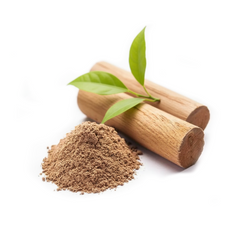
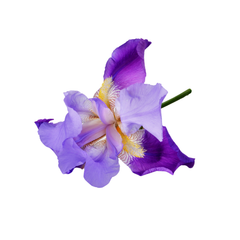
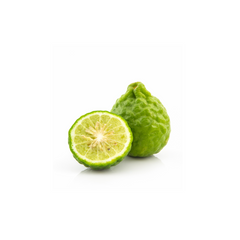
A white cedar accord is built by balancing creamy woody notes with fresh and powdery elements to evoke a serene forest atmosphere. White Cedar Extract forms 25-30% of the blend, providing the core woody creaminess. Iris absolute or powder (15-20%) adds a soft, powdery floral nuance that complements the cedar's smoothness. Bergamot or other citrus (20-25%) introduces a fresh brightness that lifts the accord. Sandalwood (20-25%) contributes a warm, creamy base that enhances longevity and depth.

30%

White Cedar Extract

25–30% of blend

Provides the creamy, woody heart of the accord with subtle powdery and fresh undertones, anchoring the composition.

20%

Iris Absolute

15–20% of blend

Adds a powdery, floral softness that harmonizes with white cedar’s creamy facets, enhancing elegance.

25%

Bergamot

20–25% of blend

Introduces fresh, citrus brightness that lifts the woody accord and prevents heaviness.

25%

Sandalwood

20–25% of blend

Contributes creamy warmth and fixative properties, extending the accord’s longevity and depth.

The Olfactory Layers

How White Cedar Extract Evolves on Skin

White Cedar Extract perfumes typically evolve from fresh, slightly green top notes into a creamy, woody heart that lasts for hours. The molecular components like cedrol evaporate slowly, providing a smooth transition from initial brightness to a powdery, warm base.

I
Top notes
0–15 min
Fresh and Bright

The opening features light, fresh citrus or green notes that provide an airy brightness. These high-volatility molecules evaporate quickly, setting a crisp stage for the heart.

FreshGreenBright
II
Heart notes
20–60 min
Creamy Woody Core

White Cedar Extract emerges prominently here, delivering its creamy, woody, and slightly powdery character. Cedrol and related sesquiterpenes provide a smooth, rounded scent that blends with florals and spices.

CreamyWoodyPowdery
III
Base notes
Several hours
Warm and Resinous

The base reveals deeper woody and resinous facets, often supported by sandalwood, ambergris, or musk. These low-volatility molecules ensure lasting warmth and depth.

WarmResinousLong-lasting
TOP NOTES Fresh and Bright 0–15 minutes HEART NOTES Creamy Woody Core 20–60 minutes BASE NOTES Warm and Resinous Several hours
Through the Ages

The Story of White Cedar Extract in Perfumery

White Cedar Extract's use in perfumery traces back to traditional uses of cedar woods in incense and rituals, evolving into a refined ingredient in modern fragrance compositions.

16th Century

White Cedar used medicinally by Jacques Cartier’s crew

During Jacques Cartier’s expedition to Quebec, white cedar was used to treat scurvy, highlighting its cultural and practical significance in North America.

19th Century

Introduction of white cedar in European perfumery

White cedar began to be cultivated and used in European fragrance compositions, valued for its fresh and creamy woody scent.

Early 20th Century

Development of synthetic cedar molecules

Organic chemistry advances led to isolation and synthesis of molecules like cedrol and methyl cedryl ketone, expanding perfumers' palette.

2013

Launch of White Cedar N°43 by The Master Perfumer

Aromatic spicy fragrance featuring white cedar, showcasing its use as a heart note in modern perfumery.

2025

4711 White Cedar launched

A contemporary fragrance by Anton Jimmy Studer emphasizing white cedar’s dry, woody, and powdery facets.

The Art of Layering

How to Layer White Cedar Extract

Understanding how to layer white cedar extract enhances its creamy woody character through molecular synergy and olfactory masking.

01

Enhance Sweetness

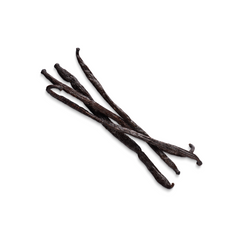
Layering white cedar with vanilla softens its woody edges via vanillin’s olfactory masking, creating a warm, inviting accord. This combination is exemplified in fragrances like Bath House White Cedar & Pear.

02

Add Depth

Combining white cedar with patchouli introduces shared woody and resinous sesquiterpenes, deepening the base and extending longevity. This synergy is used in many modern woody compositions.

03

Lighten the Glow

Pairing white cedar with citrus notes like bergamot brightens the accord by adding high-volatility fresh molecules that contrast and lift the creamy woodiness, as seen in 4711 White Cedar.

Wear It Right

How to Wear White Cedar Extract Like a Pro

Seasonal Guide

Fall & Winter

Cooler temperatures slow evaporation, allowing white cedar’s creamy and warm woody facets to shine. Apply slightly more for enhanced sillage and lasting warmth.

Spring

Moderate temperatures balance freshness and creaminess. Layer with florals or light citrus to complement the season’s renewal vibe.

Summer

Heat increases volatility, emphasizing fresh and airy notes. Use sparingly to avoid overpowering and combine with aquatic or green accords for cooling effect.

Year-Round Tip

Adjust application based on weather and occasion, layering with complementary notes to maintain balance and enhance longevity.

Application Points

Strategic application of white cedar perfumes maximizes their creamy woody impact and longevity.

1

Neck

Pulse points like the neck provide warmth that activates white cedar’s creamy woody molecules, enhancing projection.

2

Behind the Ears

This area offers subtle heat and proximity to olfactory receptors, ideal for intimate scent release.

3

Inner Wrists

Wrists allow for gentle diffusion and easy reapplication, balancing freshness and depth.

4

Hair

Hair holds fragrance longer due to its texture, releasing white cedar notes softly with movement.

Pro Tip

Layer white cedar with complementary notes like vanilla or sandalwood on clothing for extended scent longevity.

Mood Architecture™

Top White Cedar Extract Fragrances by Mood Score

These White Cedar Extract-based fragrances scored highest on the MEI™ Mood Architecture Framework — measuring how a scent may influence your emotional state.

Highest MEI Score
Cologne 352 — Ex Nihilo Cologne 352 Alternative Perfume
7.19
MEI™
Primary Fresh
Secondary Romantic
Confidence
6.19
Presence
6.53
Mood Lift
8.46
Identity
6.53
Warmth
6.95
Social Ease
8.36
Energy
4.1
" I am radiant.
View full mood profile →
HumanSafe™

Top White Cedar Extract Fragrances by HumanSafe™ Score

These White Cedar Extract-based fragrances have the highest product-level HumanSafe™ scores in this ingredient collection.

Highest HumanSafe™ Score
Cologne 352 — Ex Nihilo Cologne 352 Alternative Perfume
A-
HumanSafe™ Score Generally Safe
Safest Evaluated Ingredients EDP
AQUA Solvent / Carrier ISS 10.0
1,4-DIOXACYCLOHEPTADECANE-5,17-DIONE Evaluated ingredient ISS 10.0
TERPINEOL Evaluated ingredient ISS 7.0
LINALYL ACETATE Evaluated ingredient ISS 7.0
LINALOOL Evaluated ingredient ISS 7.0
CITRONELLOL Evaluated ingredient ISS 7.0
View full safety profile →
571- Bois D'hiver Perfume Spray
#2
571- Bois D'hiver Perfume Spray
Starting from $12.99
A-
HumanSafe™ Score Generally Safe
Safest Evaluated Ingredients EDP
AQUA Solvent / Carrier ISS 10.0
1,4-DIOXACYCLOHEPTADECANE-5,17-DIONE Evaluated ingredient ISS 10.0
4H-INDEN-4-ONE, 1,2,3,5,6,7-HEXAHYDRO-1,1,2,3,3- Evaluated ingredient ISS 9.0
2H-1-BENZOPYRAN-2-ONE Evaluated ingredient ISS 8.0
REACTION MASS OF: (E)-OXACYCLOHEXADEC-12-EN-2-ONE, (E)- Evaluated ingredient ISS 7.0
LINALOOL Evaluated ingredient ISS 7.0
View full safety profile →
Expert Voices

What Masters Say About White Cedar Extract

White cedar extract offers a delicate, creamy woody character that enhances floral and citrus accords without overpowering them, making it a versatile heart note in modern perfumery.
CA Perfume Editorial
The extraction of white cedar requires careful solvent or CO2 methods to preserve cedrol and related molecules, which are responsible for its smooth, powdery woody scent.
CA Perfume Editorial
Common Questions

Frequently Asked Questions

Frequently asked questions about White Cedar Extract in perfumery.

White Cedar Extract smells woody, creamy, and slightly powdery in perfume. It evokes a soft, ethereal forest ambiance with subtle fresh and resinous undertones. It is often used as a heart note to add depth and smoothness to woody, floral, and citrus compositions, as seen in fragrances like 4711 White Cedar and Bath House White Cedar & Pear.

White Cedar Extract is primarily used as a heart note in perfumery. It provides a creamy woody core that supports both the brighter top notes and the deeper base notes, typically appearing after the initial freshness and before the long-lasting base develops.

White Cedar Extract is favored in niche perfumery for its subtle complexity and versatility. Its creamy, powdery woody scent adds refinement and depth without overpowering other notes, allowing perfumers to craft nuanced compositions that evolve elegantly on the skin.

White Cedar Extract fragrance uses include pairing with iris for powdery softness, bergamot for fresh brightness, sandalwood for creamy warmth, vanilla for sweetness, and patchouli for earthy depth. These combinations create balanced accords that highlight white cedar’s creamy woody character.

Yes, White Cedar Extract can be suitable for summer when used in lighter concentrations or paired with fresh citrus and green notes. Its airy and creamy facets adapt well to warmer temperatures, providing a soft woody presence without heaviness.

White Cedar Extract fragrances typically last 4 to 6 hours on the skin, especially when anchored by deeper base notes like sandalwood or ambergris. Its creamy woody molecules provide moderate longevity and smooth evolution.

Yes, layering white cedar extract with complementary notes like vanilla, sandalwood, or citrus can enhance its creamy woody character and create personalized scent profiles. Understanding how to layer white cedar based on molecular compatibility improves fragrance harmony.

For beginners, fragrances like 4711 White Cedar and Bath House White Cedar & Pear offer approachable introductions to white cedar’s creamy woody scent. These perfumes balance white cedar with familiar notes like citrus, iris, and vanilla for easy wearability.

Choosing the right white cedar fragrance involves considering concentration, complementary notes, and personal preference for woody or powdery facets. CA Perfume offers a curated selection that highlights white cedar’s versatility across fragrance families, supported by the HumanSafe™ platform for ingredient transparency.

White Cedar Extract primarily smells creamy and woody with subtle powdery and fresh nuances. It is not inherently sweet or spicy but can be combined with sweet or spicy notes like vanilla or cardamom to create complex accords.

Woody Collection

Explore Our Top White Cedar Extract Fragrances

Discover a curated selection of fragrances that showcase the creamy woody elegance of white cedar extract.

Shop all white cedar extract fragrances at CA Perfume →

Where White Cedar Extract Comes From — Origin & Extraction

White Cedar Extract is obtained from species of white cedar trees, primarily from North America, including Canada and the northeastern United States. The botanical sources include trees from the genus Thuja and related conifers often referred to as white cedar or leaf cedar. These trees grow in cool, moist forest environments, which contribute to the fresh and slightly resinous qualities of the wood. The extraction of white cedar essence is typically performed through solvent extraction or supercritical CO2 extraction to preserve the delicate aromatic compounds. Steam distillation is less common due to the risk of degrading key molecules like cedrol at high temperatures. The extraction process involves harvesting wood chips or shavings, followed by careful processing at controlled temperatures (usually below 60°C) to maintain the integrity of the scent profile. Yields vary but are generally low, reflecting the complexity and subtlety of the extract. Natural white cedar extract costs approximately $3,000 to $6,000 per kilogram, reflecting the labor-intensive harvesting and extraction methods. Synthetic substitutes, including safranal analogues and other aroma chemicals, cost significantly less ($50–200/kg) but lack the full complexity of the natural extract. Sustainability considerations include responsible forestry practices and selective harvesting to avoid overexploitation. Canadian and French forests, known for their well-managed ecosystems, are primary sources. Japan also contributes to white cedar production, particularly for cultural and traditional uses, where the wood's clean and serene qualities are prized.

Famous Fragrances That Define White Cedar Extract in Perfumery

White Cedar Extract has been featured in numerous contemporary fragrances, where it functions as a heart or base note adding creamy woody depth and powdery softness. Notable examples include: - 4711 White Cedar (2025) by Anton Jimmy Studer: This fragrance highlights white cedar's dry, woody, and slightly powdery character, paired with cardamom, violet leaf, iris, and papyrus. - Bath House White Cedar & Pear by Ruth Mastenbroek: Balances fruity and spicy accords with cedar and vanilla base notes, showcasing white cedar's subtle woody softness. - Katy Perry's Indi: Incorporates white cedar to add a woody foundation beneath musk and tonka bean. - Narciso Rodriguez and Ex Nihilo fragrances: Known for mastering white cedar in woody, citrus, and floral accords. - Montblanc and Hugo Boss compositions: Utilize white cedar to enhance aromatic and resinous layers. These examples demonstrate white cedar extract's versatility across fragrance families, from woody to floral and fruity accords. CA Perfume's collection reflects this lineage by offering fragrances that highlight white cedar's elegant and subtle qualities.

Natural vs Synthetic White Cedar Extract in Perfumery

Natural white cedar extract is prized for its complex, variable aroma that evolves subtly on the skin, offering creamy, woody, and slightly powdery nuances. Key natural molecules include cedrol (CAS 77-53-2), alpha-cedrene, and beta-cedrene, which provide a rich, multi-dimensional scent. However, natural extracts can vary between batches due to environmental factors affecting the trees. Synthetic aroma chemicals used to replicate white cedar include safranal (CAS 116-26-7), which imparts a dry, hay-like facet, and methyl cedryl ketone (MCK), which adds a smooth woody character. These synthetics offer greater consistency, longer longevity, and cost-effectiveness, priced around $50–200/kg compared to natural extracts costing $3,000–6,000/kg. Famous fragrances such as 4711 White Cedar (2025) use natural extracts for their nuanced profiles, while synthetic molecules are often found in modern compositions requiring stability and projection. The HumanSafe™ platform ensures transparency in sourcing and safety for both natural and synthetic ingredients. CA Perfume values both natural and synthetic forms, leveraging natural white cedar extract for its authentic complexity and synthetics for their performance and sustainability benefits.