Ingredient Guide · Woody
Woody Family · Perfumery Note

Virginian Cedar

A pencil-shaving, balsamic base note with enduring depth.

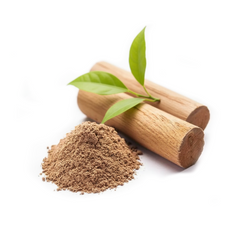
Virginian Cedar is a woody base note in perfumery, valued for its dry, pencil-like aroma and fixative properties. Its essential oil, rich in α-cedrene and cedrol, is typically used at 0.1–1.3% in compositions to impart lasting woody depth.

Virginian Cedar
Ingredient Profile

Virginian Cedar

Woody Family
Family Woody
Note Position Base Note
Usage Level 0.1–1.3%
Key Origins United States, Canada, Mexico
Iconic In Dior Homme Intense, Baccarat Rouge 540
The Ingredient

What does Virginian Cedar smell like and why is it essential in perfumery?

Virginian Cedar, derived from Juniperus virginiana (Eastern Red Cedar), is botanically a juniper rather than a true cedar. Its essential oil is dominated by sesquiterpenes such as α-cedrene (CAS 469-61-4), β-cedrene, and cedrol, which collectively produce a dry, woody, pencil-shaving aroma with mild balsamic and slightly sweet undertones. The scent profile is smoother and less resinous than Atlas or Himalayan cedar, lacking the smoky or turpentine facets found in those oils. This makes Virginian Cedar especially prized for its clean, linear woodiness and subtle musky nuance, which is often described as reminiscent of freshly sharpened pencils or sun-warmed wood. In perfumery, Virginian Cedar is classified as a heart-base note due to its moderate volatility and excellent fixative properties. It is typically used at concentrations ranging from 0.1% to 1.3% in fine fragrance compositions, with higher percentages (up to 10%) found in functional products like soaps and candles. Its molecular structure allows it to anchor top notes and extend the longevity of more volatile ingredients. On skin, Virginian Cedar interacts with individual pH and moisture levels, sometimes amplifying its dry, woody facets or revealing a faintly creamy, balsamic sweetness in the drydown. Notable fragrances that exemplify the use of Virginian Cedar include Dior Homme Intense (2011, François Demachy), where it forms the backbone of the woody iris accord, and Maison Francis Kurkdjian Baccarat Rouge 540 (2015, Francis Kurkdjian), where its clean, woody character supports the radiant ambergris and saffron notes. In Amouage Reflection Man (2007, Lucas Sieuzac), Virginian Cedar is used as a bridge note, pairing with sandalwood and floral elements to create a modern, musky-woody signature. These examples illustrate why Virginian Cedar in perfumery is considered indispensable for both structure and olfactory clarity.

0.1–1.3%
Typical concentration of Virginian Cedar oil in fine fragrance compositions, providing structure and fixative power without overpowering the blend.
4–6 Hours
Average longevity of Virginian Cedar as a base note on skin, driven by the persistence of cedrol and related sesquiterpenes.
200–300 Tons
Estimated annual global production of Virginian Cedar oil, with the United States accounting for over 80% of supply.
Origin & Extraction

Where Virginian Cedar Comes From — Origin & Extraction

Virginian Cedar’s scent is shaped by the soils, climate, and forestry practices of North America, with regional nuances in oil composition and aroma.

Virginian Cedar essential oil is obtained from Juniperus virginiana L., commonly known as Eastern Red Cedar, a conifer native to the eastern and central United States and parts of southern Canada. The majority of global production is concentrated in the southeastern U.S., particularly Virginia, North Carolina, and Texas, with annual yields estimated at 200–300 metric tons. The wood is harvested as a byproduct of the lumber and furniture industries, utilizing sawdust, wood chips, and stumps that would otherwise be waste. Extraction is performed via steam distillation, typically at temperatures between 100–120°C for 10–12 hours, yielding an essential oil with a 3–3.5% recovery rate by weight. The resulting oil is a pale yellow to orange liquid, rich in α-cedrene (up to 25%), β-cedrene, thujopsene, and cedrol (up to 25%). Virginian Cedar oil is favored for its consistent composition and absence of crystallization, unlike Texas cedarwood oil, which contains higher thujopsene and can solidify. Natural Virginian Cedar oil is relatively affordable, with bulk prices ranging from $20–$40 per kilogram, compared to Atlas cedarwood oil ($50–$80/kg) and synthetic cedar aroma chemicals ($10–$25/kg). Sustainability is enhanced by the use of lumber byproducts and the species’ status as a non-threatened, sometimes invasive tree. Certified wild harvesting and local processing further reduce environmental impact. The oil is registered under CAS 8000-27-9 and INCI Juniperus Virginiana Wood Oil.

US

United States

Major production occurs in Virginia, North Carolina, and Texas. The southeastern U.S. offers sandy-loam soils and moderate rainfall, yielding oil with high α-cedrene and cedrol content. The U.S. supplies over 80% of global Virginian Cedar oil, with sustainable harvesting from sawmill byproducts.

CA

Canada

Southern Ontario and Quebec produce smaller quantities, with cooler climates and glacial soils imparting a slightly sharper, cleaner woody aroma. Canadian oil is often used in traditional crafts and has a minor share of the global market.

MX

Mexico

Northern Mexico’s arid regions cultivate Juniperus virginiana for essential oil, with higher thujopsene content and a drier, more austere scent. Production is limited but valued for niche perfumery.

Chemistry

Natural vs Synthetic Virginian Cedar in Perfumery

Natural Virginian Cedar oil is composed primarily of α-cedrene (CAS 469-61-4), β-cedrene, and cedrol (CAS 77-53-2), which provide its characteristic dry, woody, and slightly balsamic aroma. Synthetic cedar notes are often constructed using molecules such as Cedryl Acetate (CAS 77-54-3), Iso E Super (CAS 54464-57-2), and Cedramber (CAS 32388-55-9). These synthetics are valued for their stability, consistency, and enhanced diffusion, but may lack the subtle balsamic and musky nuances of the natural oil. Performance-wise, natural Virginian Cedar offers moderate longevity (4–6 hours) and acts as a fixative, while synthetics like Iso E Super can extend the woody effect for 8–12 hours due to their lower volatility and higher molecular weight. Cost is a significant differentiator: natural oil is $20–$40/kg, Cedryl Acetate averages $15–$25/kg, and Iso E Super can be $40–$80/kg depending on purity. Famous fragrances such as Dior Homme Intense and Maison Francis Kurkdjian Baccarat Rouge 540 utilize both natural and synthetic cedar components for structure and projection. Sustainability is generally favorable for Virginian Cedar due to the use of byproducts and the tree’s abundance. CA Perfume’s HumanSafe™ platform ensures full traceability and allergen transparency for all cedarwood materials, whether natural or synthetic, supporting responsible sourcing and consumer safety.

Natural
Virginian Cedar Absolute
Cost $3,000–6,000/kg
Method Solvent / CO₂
Character Complex, variable
vs
Synthetic
Safranal & Analogues
Cost $50–200/kg
Method Lab synthesis
Character Consistent, stable
Hall of Fame

Famous Fragrances That Define Virginian Cedar in Perfumery

2011
structural backbone

Dior Homme Intense

Dior
by François Demachy
IrisAmberLavender
2015
supporting base note

Baccarat Rouge 540

Maison Francis Kurkdjian
by Francis Kurkdjian
SaffronAmbergrisJasmine
2007
bridge note

Reflection Man

Amouage
by Lucas Sieuzac
SandalwoodNeroliJasmine
2021
dominant note

Hero Eau de Parfum

Burberry
by Aurélien Guichard
Black PepperBergamotJuniper
2021
supporting note

Autumn Vibes

Maison Martin Margiela
by Fanny Bal
CardamomMossFir Balsam

Virginian Cedar has played a pivotal role in shaping the modern woody fragrance family. In Dior Homme Intense (2011, François Demachy), Virginian Cedar forms the structural backbone, lending a dry, pencil-shaving clarity to the iris and amber heart. Maison Francis Kurkdjian Baccarat Rouge 540 (2015, Francis Kurkdjian) uses Virginian Cedar to anchor its radiant, crystalline amber accord, providing a clean, woody counterpoint to saffron and ambergris. Amouage Reflection Man (2007, Lucas Sieuzac) employs Virginian Cedar as a bridge note, harmonizing sandalwood, neroli, and jasmine for a musky-woody signature. In Burberry Hero Eau de Parfum (2021, Aurélien Guichard), Virginian Cedar is the dominant note, imparting a smooth, contemporary woodiness that is both versatile and persistent. Maison Martin Margiela Autumn Vibes (2021, Fanny Bal) features Virginian Cedar as a supporting note, enhancing the earthy, resinous character of moss and cardamom. CA Perfume’s collection draws inspiration from these benchmarks, offering HumanSafe™ verified cedar-centric compositions that reflect this rich lineage.

The Accord

How is a captivating Virginian Cedar accord crafted?

A Virginian Cedar accord balances dry, woody clarity with warmth and complexity. Typical proportions: Virginian Cedar 30–35%, Sandalwood 20–25%, Vetiver 20–25%, Amber 20–25%. Sandalwood’s creamy santalol molecules soften cedar’s dryness, vetiver’s vetiverol adds earthy depth, and amber’s labdanum and vanillin introduce resinous sweetness for a rounded, tenacious base.

35%

Virginian Cedar

30–35% of blend

Provides the dry, woody, pencil-shaving core through α-cedrene and cedrol, ensuring fixative power and olfactory clarity.

25%

Sandalwood

20–25% of blend

Creamy santalol molecules counterbalance cedar’s dryness, adding smoothness and enhancing longevity.

25%

Vetiver

20–25% of blend

Vetiverol and related molecules introduce earthy, green facets, amplifying the woody complexity and grounding the accord.

25%

Amber

20–25% of blend

Labdanum and vanillin compounds add warmth and subtle sweetness, rounding out the accord and increasing base note persistence.

The Olfactory Layers

How Virginian Cedar Evolves on Skin

Virginian Cedar’s olfactory evolution moves from a crisp, aromatic opening to a dry, woody heart and a persistent, balsamic base. High-volatility terpenes evaporate first, followed by sesquiterpenes like cedrol that anchor the scent for hours.

I
Top notes
0–15 min
Aromatic Spark

Initial impression is a sharp, aromatic burst with faint citrus and conifer nuances, driven by volatile monoterpenes and light sesquiterpenes. This phase quickly transitions as the more persistent woody molecules emerge.

AromaticCrispFresh
II
Heart notes
20–60 min
Pencil-Shaving Dryness

The heart reveals the signature pencil-shaving, dry wood aroma, dominated by α-cedrene and β-cedrene. Subtle balsamic and musky undertones develop, providing warmth and depth as the oil’s main sesquiterpenes persist.

WoodyDryBalsamic
III
Base notes
Several hours
Smooth Woody Musk

Long-lasting base is defined by cedrol and related alcohols, imparting a smooth, musky, and slightly sweet finish. These molecules have low volatility, ensuring the woody character endures on skin and fabric.

PersistentMuskySmooth
TOP NOTES Aromatic Spark 0–15 minutes HEART NOTES Pencil-Shaving Dryness 20–60 minutes BASE NOTES Smooth Woody Musk Several hours
Through the Ages

The Story of Virginian Cedar in Perfumery

Virginian Cedar’s journey in perfumery spans from indigenous use to its modern role as a foundational woody note.

Pre-1600s

Native American Use

Eastern Red Cedar (Juniperus virginiana) was used by Native American tribes for ceremonial incense, medicine, and woodcraft, valued for its aromatic wood and resilience.

19th Century

Industrialization and Pencil Industry

Virginian Cedar became the wood of choice for pencil manufacturing, with sawdust and shavings repurposed for essential oil extraction, establishing its commercial value.

1920s

Adoption in Modern Perfumery

Steam-distilled Virginian Cedar oil entered fine fragrance, prized for its fixative properties and clean, dry woodiness in fougère and chypre compositions.

1992

Féminité du Bois Revolution

Shiseido’s Féminité du Bois (Serge Lutens, Pierre Bourdon, Christopher Sheldrake) redefined cedar as a central note in unisex and feminine fragrances, increasing demand for Virginian Cedar.

2015–Present

Modern Niche and Mass Market

Fragrances like Baccarat Rouge 540 and Dior Homme Intense showcase Virginian Cedar’s versatility, cementing its status as a contemporary woody signature.

The Art of Layering

How to Layer Virginian Cedar

Understanding how to layer Virginian Cedar involves pairing it with notes that share molecular affinities or offer olfactory contrast, enhancing complexity and longevity.

01

Brighten with Citrus

Layering Virginian Cedar with bergamot or grapefruit introduces high-volatility aldehydes that lift the woody base, creating a fresh, modern profile. This molecular contrast is demonstrated in Dior Homme Sport, where citrus top notes enhance the cedar’s clarity.

02

Deepen with Spice

Pairing with black pepper or cardamom adds piperine and terpenic molecules, amplifying warmth and complexity. In Amouage Reflection Man, spicy notes synergize with Virginian Cedar’s sesquiterpenes for a multifaceted, lingering effect.

03

Soften with Musk or Vanilla

Musk molecules (e.g., galaxolide) or vanillin mask cedar’s dryness through olfactory blending, yielding a smoother, more approachable scent. Baccarat Rouge 540 demonstrates this effect by pairing cedar with musky, sweet notes for a balanced, radiant finish.

Wear It Right

How to Wear Virginian Cedar Like a Pro

Seasonal Guide

Fall & Winter

Cooler temperatures suppress volatility, allowing Virginian Cedar’s woody base to persist and project with subtle warmth. Apply to pulse points under clothing to maximize diffusion and enjoy its comforting, grounding effect.

Spring

Moderate warmth and humidity enhance the aromatic top notes, creating a fresh, clean impression. Layer with green or citrus accords for a lively, uplifting scent profile suited to transitional weather.

Summer

Heat increases volatility, causing the woody facets to diffuse rapidly. To prevent overwhelming projection, apply lightly to cooler areas or layer with citrus and herbal notes for a breezy, refreshing effect.

Year-Round Tip

Adjust application based on climate and personal preference. Virginian Cedar’s fixative qualities make it a versatile base for layering, adapting well to both crisp winter air and humid summer days.

Application Points

Strategic application enhances Virginian Cedar’s longevity and projection, with pulse points and hair offering optimal diffusion.

1

Neck

Pulse points on the neck emit heat, accelerating evaporation of top notes and revealing the woody heart quickly. Ideal for maximizing the initial aromatic impact.

2

Behind the Ears

This area is less exposed to air currents, allowing the woody base to linger and evolve slowly, enhancing the musky drydown over time.

3

Inner Wrists

Frequent movement and warmth boost projection, but increased friction can cause faster dissipation of lighter terpenes, leaving the persistent woody base.

4

Hair

Hair fibers trap cedar molecules, providing a slow, sustained release of the woody aroma throughout the day. Avoid direct application of alcohol-based sprays to prevent dryness.

★

Pro Tip

Layer Virginian Cedar with citrus or floral fragrances on clothing for extended sillage, as fabric retains the woody molecules longer than skin.

Mood Architecture™

Top Virginian Cedar Fragrances by Mood Score

These Virginian Cedar-based fragrances scored highest on the MEI™ Mood Architecture Framework — measuring how a scent may influence your emotional state.

Highest MEI Score
My Wayne — My Way Alternative Perfume for Women
7.3
MEI™
Primary Fresh
Secondary Romantic
Confidence
6.33
Presence
6.4
Mood Lift
8.99
Identity
6.45
Warmth
8.1
Social Ease
7.66
Energy
3.45
" I am radiant.
View full mood profile →
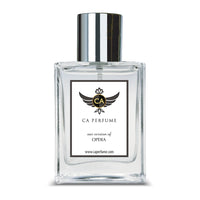
Opera — Xerjoff Sospiro Opera Alternative Perfume
7.0
MEI™
Primary Romantic
Secondary Confident
Confidence
6.66
Presence
7.4
Mood Lift
7.23
Identity
7.05
Warmth
7.9
Social Ease
6.94
Energy
3.15
" I am beautiful.
View full mood profile →
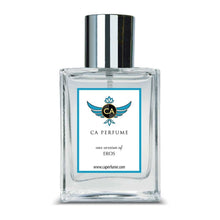
Eros — Versace Eros Alternative Cologne
7.0
MEI™
Primary Fresh
Secondary Romantic
Confidence
6.26
Presence
6.18
Mood Lift
8.31
Identity
6.19
Warmth
7.45
Social Ease
7.25
Energy
4.77
" I am radiant.
View full mood profile →
HumanSafe™

Top Virginian Cedar Fragrances by HumanSafe™ Score

These Virginian Cedar-based fragrances have the highest product-level HumanSafe™ scores in this ingredient collection.

Highest HumanSafe™ Score
Opera — Xerjoff Sospiro Opera Alternative Perfume
A-
HumanSafe™ Score Generally Safe
Safest Evaluated Ingredients EDP
AQUA Solvent / Carrier ISS 10.0
1,4-DIOXACYCLOHEPTADECANE-5,17-DIONE Evaluated ingredient ISS 10.0
3-BUTEN-2-ONE, 3-METHYL-4-(2,6,6-TRIMETHYL-2- Evaluated ingredient ISS 8.0
2H-1-BENZOPYRAN-2-ONE Evaluated ingredient ISS 8.0
2-HEXENE, 6,6-DIMETHOXY-2,5,5-TRIMETHYL- Evaluated ingredient ISS 8.0
ALCOHOL DENAT. Solvent / Carrier ISS 7.0
View full safety profile →
My Wayne — My Way Alternative Perfume for Women
A-
HumanSafe™ Score Generally Safe
Safest Evaluated Ingredients EDP
AQUA Solvent / Carrier ISS 10.0
ACETIC ACID, PHENYLMETHYL ESTER Evaluated ingredient ISS 10.0
1,4-DIOXACYCLOHEPTADECANE-5,17-DIONE Evaluated ingredient ISS 10.0
BENZYL SALICYLATE Evaluated ingredient ISS 9.0
BENZOIC ACID, 2-AMINO-, METHYL ESTER Evaluated ingredient ISS 9.0
7-OCTEN-2-OL, 2,6-DIMETHYL- Evaluated ingredient ISS 9.0
View full safety profile →
Eros — Versace Eros Alternative Cologne
A-
HumanSafe™ Score Generally Safe
Safest Evaluated Ingredients EDP
AQUA Solvent / Carrier ISS 10.0
7-OCTEN-2-OL, 2,6-DIMETHYL- Evaluated ingredient ISS 9.0
4H-INDEN-4-ONE, 1,2,3,5,6,7-HEXAHYDRO-1,1,2,3,3- Evaluated ingredient ISS 9.0
3-BUTEN-2-ONE, 3-METHYL-4-(2,6,6-TRIMETHYL-2- Evaluated ingredient ISS 8.0
2H-1-BENZOPYRAN-2-ONE Evaluated ingredient ISS 8.0
2-HEXENE, 6,6-DIMETHOXY-2,5,5-TRIMETHYL- Evaluated ingredient ISS 8.0
View full safety profile →
Expert Voices

What Masters Say About Virginian Cedar

“
"The dry-woody character and the fixative effect of [Virginia] cedarwood oil make it almost universally applicable."
Steffen Arctander, Perfume and Flavor Materials of Natural Origin
“
Virginian Cedar’s clean, pencil-shaving aroma provides structure and clarity to both classic and contemporary woody accords.
CA Perfume Editorial
Common Questions

Frequently Asked Questions

Frequently asked questions about Virginian Cedar in perfumery.

Virginian Cedar in perfume is characterized by a dry, woody, pencil-shaving aroma with mild balsamic and musky undertones. Its scent is smoother and less resinous than Atlas or Himalayan cedar, making it ideal for clean, linear woody accords. The main odorants are α-cedrene and cedrol, which provide both clarity and fixative power. This note is often described as nostalgic, evoking freshly sharpened pencils and sun-warmed wood.

Virginian Cedar is primarily used as a base note, though it can also function as a heart note due to its moderate volatility. Its sesquiterpene-rich oil anchors the composition, providing lasting woody depth and enhancing the longevity of more volatile top and heart notes.

Virginian Cedar is favored in niche perfumery for its clean, dry woodiness, fixative properties, and versatility. It blends seamlessly with both modern and classic accords, supporting notes like iris, amber, and musk. Its sustainable sourcing and relatively low cost also make it attractive for artisanal and independent brands.

Virginian Cedar fragrance uses include pairing with sandalwood, vetiver, amber, patchouli, and citrus notes. These combinations create balanced, multifaceted woody accords. For example, pairing with bergamot brightens the woodiness, while amber and musk add warmth and depth.

Virginian Cedar adapts well to hot weather due to its dry, non-sweet profile. In summer, its woody facets diffuse quickly, creating a clean, airy effect. Layering with citrus or herbal notes enhances freshness and prevents the woodiness from becoming overwhelming in heat.

Virginian Cedar fragrances generally last 4–6 hours on skin, depending on concentration and accompanying notes. The persistence is due to low-volatility molecules like cedrol, which anchor the scent and provide a lingering woody base.

Yes, Virginian Cedar is highly layerable. Its molecular structure allows it to blend with citrus, floral, spicy, and musky notes, creating custom accords. Layering with bergamot or grapefruit brightens the woodiness, while vanilla or musk softens the dry edges for a smoother finish.

Recommended entry points include Dior Homme Intense, Maison Francis Kurkdjian Baccarat Rouge 540, and Burberry Hero Eau de Parfum. These fragrances showcase Virginian Cedar’s versatility in both woody and modern amber compositions, making them accessible for those new to woody notes.

Consider your preferred style—whether you want a clean, woody base or a more complex, layered scent. CA Perfume’s HumanSafe™ platform provides ingredient transparency, allowing you to select cedar-centric fragrances that align with your olfactory preferences and safety needs.

Virginian Cedar is known for its clean, dry, pencil-shaving aroma, lacking the smoky or resinous facets found in Atlas or Himalayan cedar. Its smooth, linear woodiness makes it a favorite for modern, minimalist compositions and those seeking clarity in woody accords.

Woody Collection

Explore Our Top Virginian Cedar Fragrances

Discover CA Perfume’s curated selection of cedar-centric fragrances, each crafted for clarity, longevity, and modern woody appeal.

Shop all Virginian Cedar fragrances at CA Perfume →

Where Virginian Cedar Comes From — Origin & Extraction

Virginian Cedar essential oil is obtained from Juniperus virginiana L., commonly known as Eastern Red Cedar, a conifer native to the eastern and central United States and parts of southern Canada. The majority of global production is concentrated in the southeastern U.S., particularly Virginia, North Carolina, and Texas, with annual yields estimated at 200–300 metric tons. The wood is harvested as a byproduct of the lumber and furniture industries, utilizing sawdust, wood chips, and stumps that would otherwise be waste. Extraction is performed via steam distillation, typically at temperatures between 100–120°C for 10–12 hours, yielding an essential oil with a 3–3.5% recovery rate by weight. The resulting oil is a pale yellow to orange liquid, rich in α-cedrene (up to 25%), β-cedrene, thujopsene, and cedrol (up to 25%). Virginian Cedar oil is favored for its consistent composition and absence of crystallization, unlike Texas cedarwood oil, which contains higher thujopsene and can solidify. Natural Virginian Cedar oil is relatively affordable, with bulk prices ranging from $20–$40 per kilogram, compared to Atlas cedarwood oil ($50–$80/kg) and synthetic cedar aroma chemicals ($10–$25/kg). Sustainability is enhanced by the use of lumber byproducts and the species’ status as a non-threatened, sometimes invasive tree. Certified wild harvesting and local processing further reduce environmental impact. The oil is registered under CAS 8000-27-9 and INCI Juniperus Virginiana Wood Oil.

Famous Fragrances That Define Virginian Cedar in Perfumery

Virginian Cedar has played a pivotal role in shaping the modern woody fragrance family. In Dior Homme Intense (2011, François Demachy), Virginian Cedar forms the structural backbone, lending a dry, pencil-shaving clarity to the iris and amber heart. Maison Francis Kurkdjian Baccarat Rouge 540 (2015, Francis Kurkdjian) uses Virginian Cedar to anchor its radiant, crystalline amber accord, providing a clean, woody counterpoint to saffron and ambergris. Amouage Reflection Man (2007, Lucas Sieuzac) employs Virginian Cedar as a bridge note, harmonizing sandalwood, neroli, and jasmine for a musky-woody signature. In Burberry Hero Eau de Parfum (2021, Aurélien Guichard), Virginian Cedar is the dominant note, imparting a smooth, contemporary woodiness that is both versatile and persistent. Maison Martin Margiela Autumn Vibes (2021, Fanny Bal) features Virginian Cedar as a supporting note, enhancing the earthy, resinous character of moss and cardamom. CA Perfume’s collection draws inspiration from these benchmarks, offering HumanSafe™ verified cedar-centric compositions that reflect this rich lineage.

Natural vs Synthetic Virginian Cedar in Perfumery

Natural Virginian Cedar oil is composed primarily of α-cedrene (CAS 469-61-4), β-cedrene, and cedrol (CAS 77-53-2), which provide its characteristic dry, woody, and slightly balsamic aroma. Synthetic cedar notes are often constructed using molecules such as Cedryl Acetate (CAS 77-54-3), Iso E Super (CAS 54464-57-2), and Cedramber (CAS 32388-55-9). These synthetics are valued for their stability, consistency, and enhanced diffusion, but may lack the subtle balsamic and musky nuances of the natural oil. Performance-wise, natural Virginian Cedar offers moderate longevity (4–6 hours) and acts as a fixative, while synthetics like Iso E Super can extend the woody effect for 8–12 hours due to their lower volatility and higher molecular weight. Cost is a significant differentiator: natural oil is $20–$40/kg, Cedryl Acetate averages $15–$25/kg, and Iso E Super can be $40–$80/kg depending on purity. Famous fragrances such as Dior Homme Intense and Maison Francis Kurkdjian Baccarat Rouge 540 utilize both natural and synthetic cedar components for structure and projection. Sustainability is generally favorable for Virginian Cedar due to the use of byproducts and the tree’s abundance. CA Perfume’s HumanSafe™ platform ensures full traceability and allergen transparency for all cedarwood materials, whether natural or synthetic, supporting responsible sourcing and consumer safety.