Where Virginia Cedar Comes From — Origin & Extraction
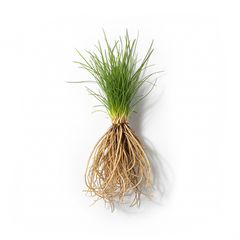
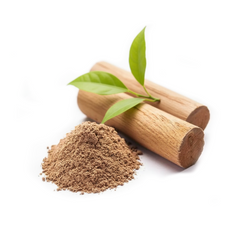
Virginia Cedarwood oil is derived from Juniperus virginiana, commonly known as Eastern Red Cedar, which is botanically a juniper rather than a true cedar. The species is native to the eastern and central United States, with significant populations in Virginia, North Carolina, and Tennessee. The U.S. is the primary producer, with annual industrial processing of approximately 300,000 tons of cedar wood, much of it as a byproduct of the pencil and timber industries. Canada also contributes to global supply, particularly from protected forests in Ontario and Quebec, where the oil tends to have a fresher, earthier profile.
Extraction is performed via steam distillation of wood chips and sawdust, yielding 3–5% essential oil by weight. The process operates at temperatures of 100–110°C for 8–12 hours, producing a pale yellow to orange oil rich in α-cedrene, β-cedrene, and thujopsene. The oil is then rectified to remove impurities and ensure consistency. Historically, much of the oil was a byproduct of pencil manufacturing, but dedicated distillation for perfumery now dominates. The cost of natural Virginia Cedarwood oil is relatively low, averaging $20–30 per kilogram, making it widely accessible for both fine fragrance and functional products. Synthetic cedarwood aroma chemicals, such as cedryl acetate and Vertofix, are produced at even lower cost ($10–15/kg) but lack the nuanced complexity of the natural oil.
Sustainability is generally favorable, as the species is not endangered and much of the raw material is sourced from managed forestry or industrial byproducts. However, overharvesting in some regions has prompted increased reliance on plantation-grown or certified sources. The oil’s CAS number is 8000-27-9, and its INCI name is Juniperus Virginiana Wood Oil.
Famous Fragrances That Define Virginia Cedar in Perfumery
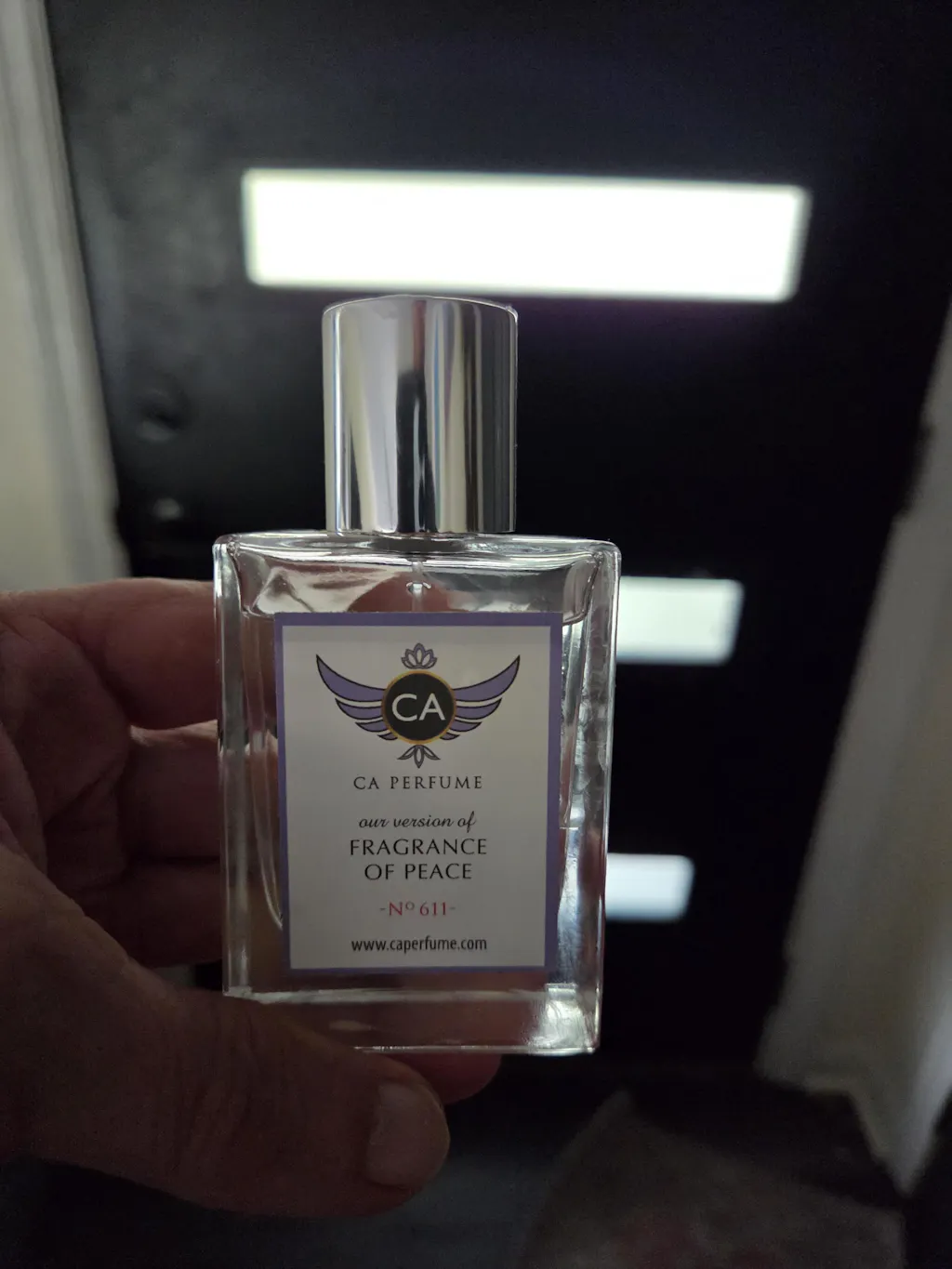
Virginia Cedar has played a pivotal role in shaping the modern woody fragrance family. Serge Lutens Féminité du Bois (1992, perfumer Christopher Sheldrake) is widely credited with introducing Virginia Cedar as a dominant note in a composition that bridges floral, fruity, and woody facets. In Dolce Vita by Dior (1994, Pierre Bourdon and Maurice Roger), Virginia Cedar forms the backbone of a spicy, powdery base, paired with cinnamon and heliotrope. Terre d’Hermès (2006, Jean-Claude Ellena) utilizes Virginia Cedar for its mineral, dry woodiness, supporting citrus and vetiver in a transparent, modern structure. Maison Francis Kurkdjian Baccarat Rouge 540 (2015, Francis Kurkdjian) features Virginia Cedar as a crystalline, woody accent to saffron and ambergris. Prada Infusion d’Iris (2007, Daniela Andrier) employs Virginia Cedar to lend a clean, woody structure to iris and neroli, demonstrating its versatility in both masculine and unisex contexts. CA Perfume’s collection draws inspiration from these landmark fragrances, offering a range of cedar-centric compositions for diverse preferences.
Natural vs Synthetic Virginia Cedar in Perfumery
Natural Virginia Cedarwood oil is composed primarily of sesquiterpenes such as α-cedrene (CAS 469-61-4), thujopsene (CAS 470-40-6), and cedrol (CAS 77-53-2). These molecules provide the dry, woody, and slightly balsamic character that defines the note in perfumery. Natural oil is prized for its complexity and subtle evolution on skin, with a mild sweetness and persistent woody undertone. Synthetic substitutes, including cedryl acetate (CAS 77-54-3), Vertofix (a proprietary molecule by Firmenich), and Cedramber (CAS 1205-17-0), are used to replicate or enhance cedarwood effects in modern compositions. These synthetics offer greater consistency, stability, and batch-to-batch reliability, but may lack the nuanced, evolving character of the natural oil.
Performance-wise, synthetics generally provide longer-lasting, more linear woody notes, while natural oil offers a more complex, evolving drydown. Cost is a major differentiator: natural Virginia Cedarwood oil averages $20–30/kg, while key synthetics range from $10–50/kg. Notable fragrances using natural Virginia Cedar include Serge Lutens Féminité du Bois and Dolce Vita by Dior, while synthetics are common in mass-market and functional products. Sustainability considerations favor natural oil when sourced from managed forestry or byproducts, but synthetics reduce pressure on wild populations and ensure supply chain stability. CA Perfume’s HumanSafe™ platform provides transparency on sourcing and allergen status for all cedarwood materials.