This formula was discontinued and is one of my fave perfumes. Love💜💜💜
Virginia Cedar
A dry, woody note with subtle sweetness and earthy depth.
Virginia Cedar is a heart-to-base note in perfumery, prized for its dry, woody, and slightly sweet character. Its essential oil, rich in α-cedrene and thujopsene, is used at concentrations below 3% for structure and fixative power.
Virginia Cedar
What does Virginia Cedar smell like and why is it a perfumery staple?
Virginia Cedar, botanically Juniperus virginiana, is a conifer native to North America and a key source of cedarwood oil in perfumery. What does Virginia Cedar smell like? Its scent profile is defined by dry, woody, and slightly sweet notes, with a clean, pencil-shaving nuance and soft balsamic undertones. The primary odorants are sesquiterpenes, notably α-cedrene and thujopsene, which impart the characteristic dryness and mild balsamic warmth. Unlike Atlas cedar, which is more resinous, Virginia Cedar is smoother and less smoky, with a musky, almost powdery finish that is favored by perfumers for its versatility. Virginia Cedar in perfumery is typically classified as a heart or base note, used at concentrations below 3% of the total composition. It acts as a structural backbone, supporting both floral and spicy accords, and is valued for its fixative properties, helping to anchor more volatile top notes. On skin, its dry, woody aroma evolves gradually, becoming sweeter and more subdued over several hours. Its interaction with skin chemistry can accentuate either its earthy or balsamic facets, depending on the wearer’s pH and moisture levels. Notable fragrances that showcase Virginia Cedar include Serge Lutens Féminité du Bois (1992, perfumer Christopher Sheldrake), where it forms the woody core alongside violet and plum, and Terre d’Hermès (2006, Jean-Claude Ellena), where it provides a dry, mineral base for citrus and vetiver. In Maison Francis Kurkdjian Baccarat Rouge 540 (2015), Virginia Cedar is paired with saffron and ambergris, contributing to the fragrance’s crystalline, woody signature.
Where Virginia Cedar Comes From — Origin & Extraction
Virginia Cedar’s scent is shaped by the soils and climates of North America. Fertile, well-drained soils and moderate rainfall in the eastern U.S. yield oils with a dry, clean profile, while Canadian sources impart earthier nuances.
Virginia Cedarwood oil is derived from Juniperus virginiana, commonly known as Eastern Red Cedar, which is botanically a juniper rather than a true cedar. The species is native to the eastern and central United States, with significant populations in Virginia, North Carolina, and Tennessee. The U.S. is the primary producer, with annual industrial processing of approximately 300,000 tons of cedar wood, much of it as a byproduct of the pencil and timber industries. Canada also contributes to global supply, particularly from protected forests in Ontario and Quebec, where the oil tends to have a fresher, earthier profile. Extraction is performed via steam distillation of wood chips and sawdust, yielding 3–5% essential oil by weight. The process operates at temperatures of 100–110°C for 8–12 hours, producing a pale yellow to orange oil rich in α-cedrene, β-cedrene, and thujopsene. The oil is then rectified to remove impurities and ensure consistency. Historically, much of the oil was a byproduct of pencil manufacturing, but dedicated distillation for perfumery now dominates. The cost of natural Virginia Cedarwood oil is relatively low, averaging $20–30 per kilogram, making it widely accessible for both fine fragrance and functional products. Synthetic cedarwood aroma chemicals, such as cedryl acetate and Vertofix, are produced at even lower cost ($10–15/kg) but lack the nuanced complexity of the natural oil. Sustainability is generally favorable, as the species is not endangered and much of the raw material is sourced from managed forestry or industrial byproducts. However, overharvesting in some regions has prompted increased reliance on plantation-grown or certified sources. The oil’s CAS number is 8000-27-9, and its INCI name is Juniperus Virginiana Wood Oil.
United States
The southeastern U.S., especially Virginia, North Carolina, and Tennessee, supplies most commercial Virginia Cedarwood oil. Timber industry byproducts are steam-distilled, yielding oil with a dry, pencil-shaving aroma. The U.S. processes about 300,000 tons of cedar wood annually, with strict forestry management ensuring sustainability.
Canada
Ontario and Quebec produce smaller quantities of Virginia Cedarwood oil, often from protected forests. Canadian oil is noted for a fresher, earthier scent, reflecting cooler climates and higher soil moisture. Production is limited but valued for its nuanced character.
Mexico
Northern Mexico cultivates related Juniperus species for cedarwood oil, though volumes are lower than in the U.S. Mexican oil is slightly sweeter and softer, influenced by warmer, drier conditions and different soil mineral content.
Natural vs Synthetic Virginia Cedar in Perfumery
Natural Virginia Cedarwood oil is composed primarily of sesquiterpenes such as α-cedrene (CAS 469-61-4), thujopsene (CAS 470-40-6), and cedrol (CAS 77-53-2). These molecules provide the dry, woody, and slightly balsamic character that defines the note in perfumery. Natural oil is prized for its complexity and subtle evolution on skin, with a mild sweetness and persistent woody undertone. Synthetic substitutes, including cedryl acetate (CAS 77-54-3), Vertofix (a proprietary molecule by Firmenich), and Cedramber (CAS 1205-17-0), are used to replicate or enhance cedarwood effects in modern compositions. These synthetics offer greater consistency, stability, and batch-to-batch reliability, but may lack the nuanced, evolving character of the natural oil. Performance-wise, synthetics generally provide longer-lasting, more linear woody notes, while natural oil offers a more complex, evolving drydown. Cost is a major differentiator: natural Virginia Cedarwood oil averages $20–30/kg, while key synthetics range from $10–50/kg. Notable fragrances using natural Virginia Cedar include Serge Lutens Féminité du Bois and Dolce Vita by Dior, while synthetics are common in mass-market and functional products. Sustainability considerations favor natural oil when sourced from managed forestry or byproducts, but synthetics reduce pressure on wild populations and ensure supply chain stability. CA Perfume’s HumanSafe™ platform provides transparency on sourcing and allergen status for all cedarwood materials.
Famous Fragrances That Define Virginia Cedar in Perfumery
Féminité du Bois
Dolce Vita
Terre d’Hermès
Baccarat Rouge 540
Infusion d’Iris
Virginia Cedar has played a pivotal role in shaping the modern woody fragrance family. Serge Lutens Féminité du Bois (1992, perfumer Christopher Sheldrake) is widely credited with introducing Virginia Cedar as a dominant note in a composition that bridges floral, fruity, and woody facets. In Dolce Vita by Dior (1994, Pierre Bourdon and Maurice Roger), Virginia Cedar forms the backbone of a spicy, powdery base, paired with cinnamon and heliotrope. Terre d’Hermès (2006, Jean-Claude Ellena) utilizes Virginia Cedar for its mineral, dry woodiness, supporting citrus and vetiver in a transparent, modern structure. Maison Francis Kurkdjian Baccarat Rouge 540 (2015, Francis Kurkdjian) features Virginia Cedar as a crystalline, woody accent to saffron and ambergris. Prada Infusion d’Iris (2007, Daniela Andrier) employs Virginia Cedar to lend a clean, woody structure to iris and neroli, demonstrating its versatility in both masculine and unisex contexts. CA Perfume’s collection draws inspiration from these landmark fragrances, offering a range of cedar-centric compositions for diverse preferences.
How is a captivating Virginia Cedar accord crafted?
A Virginia Cedar accord balances dry, woody facets with subtle sweetness and earthy depth. Typical proportions: Virginia Cedar 30–35%, Vetiver 20–25%, Iris 20–25%, Amber 20–25%. Vetiver reinforces the earthy dryness via vetiverol and khusimol; iris provides powdery, musky lift through irones; amber softens the blend with labdanum and vanillin, rounding out sharpness and enhancing longevity.
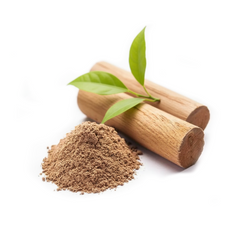
Virginia Cedar
Provides the dry, woody backbone via α-cedrene and thujopsene, anchoring the accord and imparting a pencil-shaving nuance.
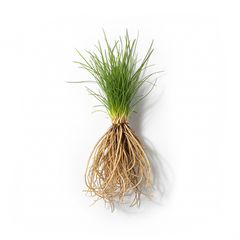
Vetiver
Reinforces earthy, rooty dryness through vetiverol and khusimol, amplifying the woody structure and adding complexity.
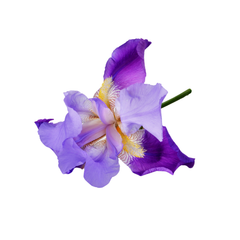
Iris
Contributes powdery, musky lift via irones, smoothing the cedar’s dryness and adding a soft, elegant dimension.
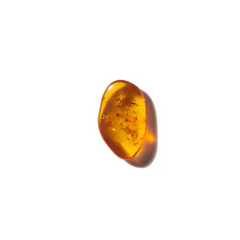
Amber
Labdanum and vanillin in amber round out sharp woody notes, providing warmth, fixative power, and a subtle sweetness.
How Virginia Cedar Evolves on Skin
Virginia Cedar’s olfactory evolution begins with a crisp, woody freshness, transitioning to a dry, musky heart and a lingering, balsamic base. Volatile terpenes evaporate first, while heavier sesquiterpenes persist for hours.
The initial impression is crisp, dry, and slightly camphoraceous, driven by lighter terpenes such as α-pinene and limonene. These high-volatility molecules evaporate quickly, providing a fleeting freshness that soon gives way to the core woody character.
As the top notes dissipate, the heart reveals the signature dry, woody, and slightly sweet profile of Virginia Cedar. α-Cedrene and thujopsene dominate, imparting a pencil-shaving nuance and mild balsamic warmth. This stage is musky and grounding, lasting up to an hour.
The drydown is defined by persistent woody and balsamic notes, with cedrol and other sesquiterpenes providing a soft, lingering sweetness. The base is clean, slightly powdery, and subtly earthy, ensuring longevity and fixative power in the composition.
The Story of Virginia Cedar in Perfumery
Virginia Cedar has been a cornerstone of perfumery from ancient times to the present, valued for its fixative and structural qualities.
Early Use of Cedarwood Oils
Cedarwood oils, including those from juniper species, were used in embalming and incense in ancient Egypt. The oil’s preservative and aromatic properties were prized in ritual and cosmetic contexts.
Industrial Extraction in the U.S.
The rise of the American pencil industry led to large-scale steam distillation of Virginia Cedarwood oil from sawmill byproducts. This made the oil widely available for perfumery and functional products.
Féminité du Bois Launches
Serge Lutens and Christopher Sheldrake introduce Féminité du Bois, with Virginia Cedar as the dominant note. The fragrance redefines woody notes in modern perfumery.
Terre d’Hermès Debuts
Jean-Claude Ellena’s Terre d’Hermès uses Virginia Cedar to anchor citrus and vetiver, establishing a new benchmark for woody-mineral compositions.
Baccarat Rouge 540 Showcases Cedar
Francis Kurkdjian’s Baccarat Rouge 540 features Virginia Cedar as a crystalline, woody accent, demonstrating the note’s versatility in contemporary perfumery.
How to Layer Virginia Cedar
Understanding how to layer Virginia Cedar involves molecular compatibility—pairing with notes that share or complement its woody, musky, or balsamic facets. This approach enhances complexity and personalization.
Enhance Sweetness
Layer Virginia Cedar with amber or vanilla to amplify its soft, balsamic undertones. Vanillin in vanilla masks cedar’s dryness, while labdanum in amber creates a warm, resinous bridge. Example: Serge Lutens Ambre Sultan demonstrates this synergy.
Add Depth
Pair with patchouli or vetiver to deepen the woody-earthy character. Patchouli’s patchoulol and vetiver’s vetiverol interact with cedar’s sesquiterpenes, creating a robust, long-lasting base. Terre d’Hermès exemplifies this combination.
Lighten the Profile
Combine with citrus or green notes to emphasize freshness. Limonene and citral in citrus oils brighten cedar’s dry woodiness, while green notes like galbanum add lift. Prada Infusion d’Iris uses this technique for a modern, airy effect.
How to Wear Virginia Cedar Like a Pro
Fall & Winter
Cooler temperatures suppress volatility, allowing Virginia Cedar’s woody, balsamic notes to linger longer. Apply to pulse points and under clothing for a sustained, comforting effect. Layer with amber or spices for added warmth.
Spring
Moderate temperatures highlight cedar’s fresh, dry facets. Pair with citrus or floral notes for a balanced, uplifting scent. Application to exposed skin enhances projection as body heat rises.
Summer
Heat increases volatility, making the top notes more pronounced but shortening overall longevity. Use lighter concentrations or layer with fresh, green notes. Apply sparingly to avoid overwhelming projection in high humidity.
Year-Round Tip
Adjust application based on climate: more in cool, dry air; less in heat or humidity. Layer with complementary notes (e.g., vetiver, iris) to adapt the scent profile to seasonal moods.
Strategic application maximizes Virginia Cedar’s projection and longevity, especially when targeting pulse points and hair.
Neck
The warmth of the neck accelerates evaporation of top terpenes, creating an immediate burst of dry, woody freshness.
Behind the Ears
Pulse points here diffuse cedar’s musky, powdery heart, enhancing sillage as body heat rises throughout the day.
Inner Wrists
Frequent movement helps project the scent, while skin chemistry brings out subtle balsamic sweetness in the drydown.
Hair
Hair retains cedar’s heavier molecules, releasing the woody aroma gradually and extending the base note’s presence.
Pro Tip
Layer Virginia Cedar with citrus or floral notes on skin, then add a touch to clothing for a multidimensional, long-lasting effect.
Top Virginia Cedar Fragrances by Mood Score
These Virginia Cedar-based fragrances scored highest on the MEI™ Mood Architecture Framework — measuring how a scent may influence your emotional state.
Top Virginia Cedar Fragrances by HumanSafe™ Score
These Virginia Cedar-based fragrances have the highest product-level HumanSafe™ scores in this ingredient collection.
What Masters Say About Virginia Cedar
The dry-woody character and the fixative effect of Virginia cedarwood oil make it almost universally applicable.
Virginia Cedar’s scent profile is defined by α-cedrene and thujopsene, resulting in a dry, woody aroma with subtle balsamic sweetness.
Frequently Asked Questions
Answers to common questions about Virginia Cedar in perfumery.
Virginia Cedar in perfume smells dry, woody, and slightly sweet, with a clean, pencil-shaving nuance and soft balsamic undertones. The scent is defined by sesquiterpenes such as α-cedrene and thujopsene, which create a musky, powdery finish. It is less resinous than Atlas cedar and is favored for its smooth, versatile character. Notable fragrances like Féminité du Bois and Terre d’Hermès showcase its signature profile.
Virginia Cedar is typically used as a heart or base note in fragrance compositions. Its primary molecules, such as α-cedrene, have low volatility, allowing the woody, musky aroma to persist for several hours. While it can appear in the heart, its fixative properties make it especially valuable in the base, anchoring more volatile notes.
Virginia Cedar is favored in niche perfumery for its dry, woody complexity and ability to provide structure without overpowering other notes. Its nuanced evolution on skin, affordability, and compatibility with both floral and spicy accords make it a versatile choice for modern, unisex, and genderless compositions.
Virginia Cedar fragrance uses include pairing with vetiver, patchouli, iris, amber, and sandalwood. These notes share molecular affinities—such as sesquiterpenes and lactones—that enhance the woody, earthy, or powdery facets of cedar, creating balanced and long-lasting accords.
Virginia Cedar adapts well to summer when blended with fresh, citrus, or green notes. Its dry, woody character can provide a grounding effect, but higher temperatures increase volatility, making lighter concentrations or EDT formats preferable for hot weather.
A Virginia Cedar fragrance typically lasts 4–6 hours on skin, with the woody, musky base persisting as lighter terpenes evaporate. Longevity depends on concentration, skin chemistry, and supporting notes, with Parfum and EDP formats offering the longest wear.
Yes, Virginia Cedar is highly layerable due to its molecular compatibility with both sweet and earthy notes. Layering with amber, vanilla, or citrus can enhance different facets of the scent, allowing for personalized, multidimensional fragrance experiences.
Beginners may enjoy fragrances like Prada Infusion d’Iris, which uses Virginia Cedar in a clean, modern context, or Dolce Vita by Dior for a warmer, spicier take. These blends allow the woody note to shine without overwhelming the wearer.
Consider your preferred scent profile—whether you favor dry, woody, or sweeter, balsamic effects. CA Perfume offers a range of cedar-centric compositions, from classic woody blends to modern, airy interpretations. Sampling is recommended to find the best fit for your skin chemistry and style.
Virginia Cedar is generally perceived as clean and dry, with a subtle musky or powdery undertone. It lacks the smoky, resinous intensity of Atlas cedar, making it a favorite for those seeking a smooth, versatile woody note.
Explore Our Top Virginia Cedar Fragrances
Discover cedar-centric compositions that showcase the dry, woody, and musky elegance of Virginia Cedar across the CA Perfume collection.
Shop all virginia cedar fragrances at CA Perfume →Where Virginia Cedar Comes From — Origin & Extraction
Virginia Cedarwood oil is derived from Juniperus virginiana, commonly known as Eastern Red Cedar, which is botanically a juniper rather than a true cedar. The species is native to the eastern and central United States, with significant populations in Virginia, North Carolina, and Tennessee. The U.S. is the primary producer, with annual industrial processing of approximately 300,000 tons of cedar wood, much of it as a byproduct of the pencil and timber industries. Canada also contributes to global supply, particularly from protected forests in Ontario and Quebec, where the oil tends to have a fresher, earthier profile. Extraction is performed via steam distillation of wood chips and sawdust, yielding 3–5% essential oil by weight. The process operates at temperatures of 100–110°C for 8–12 hours, producing a pale yellow to orange oil rich in α-cedrene, β-cedrene, and thujopsene. The oil is then rectified to remove impurities and ensure consistency. Historically, much of the oil was a byproduct of pencil manufacturing, but dedicated distillation for perfumery now dominates. The cost of natural Virginia Cedarwood oil is relatively low, averaging $20–30 per kilogram, making it widely accessible for both fine fragrance and functional products. Synthetic cedarwood aroma chemicals, such as cedryl acetate and Vertofix, are produced at even lower cost ($10–15/kg) but lack the nuanced complexity of the natural oil. Sustainability is generally favorable, as the species is not endangered and much of the raw material is sourced from managed forestry or industrial byproducts. However, overharvesting in some regions has prompted increased reliance on plantation-grown or certified sources. The oil’s CAS number is 8000-27-9, and its INCI name is Juniperus Virginiana Wood Oil.
Famous Fragrances That Define Virginia Cedar in Perfumery
Virginia Cedar has played a pivotal role in shaping the modern woody fragrance family. Serge Lutens Féminité du Bois (1992, perfumer Christopher Sheldrake) is widely credited with introducing Virginia Cedar as a dominant note in a composition that bridges floral, fruity, and woody facets. In Dolce Vita by Dior (1994, Pierre Bourdon and Maurice Roger), Virginia Cedar forms the backbone of a spicy, powdery base, paired with cinnamon and heliotrope. Terre d’Hermès (2006, Jean-Claude Ellena) utilizes Virginia Cedar for its mineral, dry woodiness, supporting citrus and vetiver in a transparent, modern structure. Maison Francis Kurkdjian Baccarat Rouge 540 (2015, Francis Kurkdjian) features Virginia Cedar as a crystalline, woody accent to saffron and ambergris. Prada Infusion d’Iris (2007, Daniela Andrier) employs Virginia Cedar to lend a clean, woody structure to iris and neroli, demonstrating its versatility in both masculine and unisex contexts. CA Perfume’s collection draws inspiration from these landmark fragrances, offering a range of cedar-centric compositions for diverse preferences.
Natural vs Synthetic Virginia Cedar in Perfumery
Natural Virginia Cedarwood oil is composed primarily of sesquiterpenes such as α-cedrene (CAS 469-61-4), thujopsene (CAS 470-40-6), and cedrol (CAS 77-53-2). These molecules provide the dry, woody, and slightly balsamic character that defines the note in perfumery. Natural oil is prized for its complexity and subtle evolution on skin, with a mild sweetness and persistent woody undertone. Synthetic substitutes, including cedryl acetate (CAS 77-54-3), Vertofix (a proprietary molecule by Firmenich), and Cedramber (CAS 1205-17-0), are used to replicate or enhance cedarwood effects in modern compositions. These synthetics offer greater consistency, stability, and batch-to-batch reliability, but may lack the nuanced, evolving character of the natural oil. Performance-wise, synthetics generally provide longer-lasting, more linear woody notes, while natural oil offers a more complex, evolving drydown. Cost is a major differentiator: natural Virginia Cedarwood oil averages $20–30/kg, while key synthetics range from $10–50/kg. Notable fragrances using natural Virginia Cedar include Serge Lutens Féminité du Bois and Dolce Vita by Dior, while synthetics are common in mass-market and functional products. Sustainability considerations favor natural oil when sourced from managed forestry or byproducts, but synthetics reduce pressure on wild populations and ensure supply chain stability. CA Perfume’s HumanSafe™ platform provides transparency on sourcing and allergen status for all cedarwood materials.
- Choosing a selection results in a full page refresh.