Where Tuscan Iris Comes From — Origin & Extraction
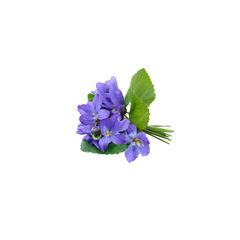
Tuscan Iris is sourced from the rhizomes of Iris pallida, a species native to the hills surrounding Florence, Italy. The region’s clay-rich, well-drained soils and temperate climate are ideal for cultivating high-quality iris. Tuscany, particularly the Chianti and Florence provinces, supplies a significant share of the global orris root used in fine fragrance, with annual production estimated at several hundred tons of rhizomes, though only a fraction is processed for perfumery.
The extraction process is labor-intensive and time-consuming. After harvesting, the rhizomes are cleaned and dried, then aged for 3–5 years in controlled conditions. During this period, enzymatic and oxidative reactions convert odorless iridin into irones, the primary aromatic compounds. Once aged, the rhizomes are ground and subjected to solvent extraction (typically with ethanol or hexane) or steam distillation to yield orris butter—a waxy, pale-yellow substance rich in irones. Steam distillation is conducted at temperatures below 100°C to preserve the delicate aroma, but solvent extraction is preferred for higher yield and aromatic fidelity. The yield of orris butter is extremely low: approximately 1 kg of orris butter requires 1,000–1,500 kg of fresh rhizomes.
Natural orris butter from Tuscan Iris commands prices of $30,000–50,000 per kg, making it one of the most expensive perfumery ingredients, often exceeding the price of gold. Synthetic irones, produced via chemical synthesis, cost $200–800 per kg, offering a more accessible alternative. Sustainability concerns focus on the slow growth cycle (4–6 years from planting to extraction), land use, and the need for careful crop rotation to prevent soil depletion. Some producers, such as the Pruneti family in San Polo in Chianti, have adopted integrated farming practices and traceability systems to ensure long-term viability.
Famous Fragrances That Define Tuscan Iris in Perfumery
Tuscan Iris has been a cornerstone of refined perfumery for over a century, with its use evolving from classical powdery accords to modern interpretations that highlight its versatility. One of the earliest iconic uses is in Chanel No. 19 (1971, Henri Robert), where iris is wrapped in green galbanum and leather, imparting a cool, assertive elegance. Serge Lutens Iris Silver Mist (1994, Maurice Roucel) is renowned for its ethereal, rooty iris accord, blending natural and synthetic irones for a haunting, silvery effect.
In the 21st century, Dior Homme Intense (2025, François Demachy) redefined masculine iris with a dominant Tuscan Iris note, complemented by ambrette and cedar for a modern “lipstick” accord. Louis Vuitton Imagination (2021, Jacques Cavallier-Belletrud) uses Tuscan Iris as a heart note, paired with citrus and green notes for a fresh, powdery signature. Creed Royal Princess Oud (2015, Olivier Creed) features Tuscan Iris alongside violet and rose, creating a floral-woody bridge in a contemporary oud composition. Louis Vuitton Spell on You (2020, Jacques Cavallier-Belletrud) showcases Tuscan Iris with violet and green notes, emphasizing its creamy and floral facets.
CA Perfume’s collection draws inspiration from this lineage, offering iris-centered fragrances that honor both the traditional powdery profile and innovative, modern blends.
Natural vs Synthetic Tuscan Iris in Perfumery
Natural Tuscan Iris is prized for its complexity and subtle variation, resulting from the unique terroir and multi-year aging of Iris pallida rhizomes. The main odorant molecules are alpha-irone (CAS 7779-51-9), gamma-irone (CAS 79-69-6), and irone methyl ether. These compounds are present in varying ratios depending on the age and origin of the rhizomes, contributing to the nuanced, powdery, and woody scent profile.
Synthetic alternatives, such as methyl ionone (CAS 127-51-5), alpha-irone, and gamma-irone produced via chemical synthesis, offer greater consistency, stability, and cost-effectiveness. Synthetic irones are widely used in designer fragrances to achieve the iris effect at a fraction of the cost of natural orris butter. Performance-wise, synthetics often provide enhanced projection and longevity, though they may lack the subtle earthy and rooty undertones of natural extracts. Notable fragrances like Prada Infusion d’Iris and Dior Homme Intense rely on a blend of natural and synthetic iris materials to balance authenticity and performance.
From a sustainability perspective, synthetic irones reduce pressure on agricultural land and biodiversity, as large-scale harvesting of Iris pallida can threaten local ecosystems. The HumanSafe™ platform at CA Perfume ensures full transparency on the sourcing and safety of both natural and synthetic iris ingredients, with all batches tested for purity and allergen content. In summary, while natural Tuscan Iris remains the gold standard for luxury perfumery, synthetics are indispensable for broader accessibility and environmental stewardship.