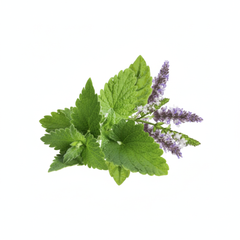
Thyme (Thymus vulgaris) in perfumery is recognized for its strong, rich herbaceous fragrance, underpinned by a complex molecular profile dominated by phenolic compounds—primarily thymol (CAS 89-83-8) and carvacrol (CAS 499-75-2). These molecules impart a scent that is intensely green, camphorous, and slightly medicinal, with woody and spicy undertones. The presence of para-cymene, linalool, and γ-terpinene adds subtle citrus, floral, and peppery nuances, resulting in a multifaceted olfactory experience. This unique thyme scent profile is less sweet than basil, less sharp than oregano, and is often described as evoking the sensation of walking through a sunlit Mediterranean herb garden.
In perfumery, thyme is typically classified as a heart or top note, depending on extraction and formulation. Its essential oil is used at concentrations ranging from 0.1% to 2% in finished compositions, providing aromatic lift and a naturalistic, green backbone to fougère, chypre, and woody fragrances. Thyme’s interaction with skin chemistry can accentuate its camphorous or spicy facets, with higher skin pH amplifying the medicinal aspect, while warmer, more humid skin brings out its greener, softer tones. Thyme in perfumery is valued for its ability to bridge citrus, floral, and woody notes, and for its role in enhancing the longevity and complexity of aromatic accords.
Notable fragrances exemplifying thyme’s use include Tom Ford’s Tuscan Leather (2007, perfumer Harry Fremont), where thyme acts as a bridge between leather and raspberry, and Xerjoff Torino21 (2021), in which thyme’s herbaceous clarity supports citrus and green tea notes. In Givenchy Ange ou Demon (2006, Jean-Pierre Bethouart and Olivier Cresp), thyme is used in a supporting role to add aromatic complexity to a floral-oriental structure.