Ingredient Guide · Woods & Earth
Woods & Earth Family · Perfumery Note

Soil Tincture

Capturing the essence of soil through artisanal tincture

Soil tincture in perfumery is an alcohol-based extract of soil or peat, used as a base note for its mineral and fungal character. It contains geosmin, a key molecule responsible for its petrichor-like scent.

Soil Tincture
Ingredient Profile

Soil Tincture

Woods & Earth Family
Family Woods & Earth
Note Position Base Note
Usage Level <0.5%
Key Origins Pacific Northwest, USA, Brittany, France, Finnish Peat Bogs
Iconic In Luna Rossa Carbon Eau de Toilette, Ecstasy
The Ingredient

What does Soil Tincture smell like and why is it significant in perfumery?

Soil tincture is an artisanal fragrance ingredient created by macerating soil or peat in high-proof ethanol over several weeks. The resulting extract captures a complex scent profile characterized by mineral sharpness, wet clay, and fungal undertones. The key odorant molecule responsible for its distinctive petrichor scent is geosmin (C12H22O, CAS 19700-21-1), produced naturally by Streptomyces bacteria in soil. This note evokes the smell of earth after rain, with nuances of decomposing leaves and root cellar mustiness. In perfumery, soil tincture is classified as a base note due to its low volatility and long-lasting presence. It is typically used at trace levels, often less than 0.5%, to add authenticity and a grounded sense of place to compositions. Its interaction with skin chemistry can highlight different aspects of earthiness depending on the wearer’s body chemistry and the terroir of the source soil. Different soil types—such as peat bog, clay-heavy agricultural soil, or forest floor—yield tinctures with unique olfactory nuances, from smoky acidity to dry mineral or fungal complexity. Notable fragrances featuring soil tincture include Prada's Luna Rossa Carbon (2012), where it provides a mineral and earthy foundation paired with bergamot and pepper, and Tiziana Terenzi's Ecstasy (2019), which uses soil tincture to evoke a pine forest after rain with wet stone and incense notes. BeauFort London's Fathom V (2017) also employs soil tincture to anchor its marine and woody accords with a damp earth realism.

<0.5%
Typical concentration range of soil tincture in perfume formulations to achieve nuanced earthiness without overpowering.
5 ppt
Humans can detect geosmin, soil tincture’s key molecule, at concentrations as low as 5 parts per trillion, making it highly potent even at trace levels.
Several weeks
Minimum maceration time required to extract aromatic and non-aromatic compounds from soil into ethanol, ensuring complexity and clarity.
Origin & Extraction

Where Soil Tincture Comes From — Origin & Extraction

Soil tincture’s olfactory character is deeply influenced by the terroir of the source soil. Variations in soil composition, climate, and microbial life create distinct scent profiles that perfumers seek to capture. Below are key regions known for producing distinctive soil tinctures.

Soil tincture is not derived from a single botanical source but is an artisanal extract made by macerating soil or peat in high-proof ethanol (90–95%) over several weeks to months. The raw material is typically collected from specific terroirs such as forest floors, peat bogs, or clay-rich agricultural soils to capture distinctive olfactory profiles. The maceration process involves soaking finely sifted soil or peat in ethanol, allowing the solvent to dissolve both aromatic and non-aromatic compounds including resins, pigments, waxes, and microbial metabolites like geosmin (CAS 19700-21-1). The resulting tincture is filtered and aged to enhance clarity and complexity. Unlike steam distillation or solvent extraction used for essential oils and absolutes, tincturing preserves a broader spectrum of molecules, contributing to the nuanced scent of soil tincture. There is no standardized yield data due to the artisanal nature of production, but the tincture is typically used at trace levels in perfumery (fractions of a percent). Natural soil tincture is relatively costly due to labor-intensive sourcing and long maceration times. Synthetic geosmin, the primary odorant molecule, is available commercially and used to replicate the petrichor facet at a lower cost. However, natural tinctures provide additional fungal and humic complexity absent in synthetic isolates. Sustainability considerations focus on responsible soil harvesting to avoid ecosystem disruption. No IFRA restrictions are currently known for soil tincture or geosmin.

US

Pacific Northwest, USA

Known for its rich forest floors with high organic content and abundant fungal life, producing soil tinctures with pronounced humic and mushroom-like notes. The region’s wet climate and volcanic soils contribute to mineral sharpness and damp earth nuances. Estimated artisanal production is limited and highly seasonal.

FR

Brittany, France

Clay-heavy agricultural soils with iron-rich composition yield soil tinctures featuring dry mineral and metallic facets. The temperate maritime climate fosters a unique microbial ecosystem, imparting subtle acidity and earthy complexity. Small-scale artisanal extraction is practiced by niche perfumers.

FI

Finnish Peat Bogs

Peat soils from northern bogs produce smoky, acidic tinctures with a distinct organic decay aroma. The cold climate and sphagnum moss content create a unique smoky-earthy character prized in natural perfumery. Production is artisanal and limited due to environmental protections.

DE

Black Forest, Germany

Dense forest soils rich in decomposing leaf litter and fungal biomass produce soil tinctures with complex fungal and humic profiles. The mineral content is moderate, emphasizing organic earthiness. Artisanal extraction is practiced by select perfumers focusing on naturalistic accords.

Chemistry

Natural vs Synthetic Soil Tincture in Perfumery

Natural soil tincture is an artisanal product obtained by macerating real soil or peat in ethanol, capturing a complex mixture of aromatic and non-aromatic molecules including geosmin (CAS 19700-21-1), humic acids, and fungal metabolites. This natural extract provides a multi-dimensional earthiness with mineral sharpness, fungal undertones, and organic decay notes that synthetic versions cannot fully replicate. Synthetic soil scent is primarily created using geosmin and related bicyclic alcohols that mimic the petrichor effect. These synthetics offer consistency, stability, and cost efficiency, with prices ranging from $100 to $500 per kilogram compared to several thousand dollars per kilogram for natural tinctures. Synthetic molecules provide excellent longevity and diffusion but lack the subtle fungal and humic complexity of natural tincture. Famous fragrances such as Prada Luna Rossa Carbon and Tiziana Terenzi Ecstasy use natural soil tincture for authenticity, while some mass-market scents may rely on synthetic geosmin for affordability. The HumanSafe™ platform verifies transparency in sourcing and safety for both natural and synthetic ingredients. CA Perfume values natural soil tincture for its unique olfactory depth but also recognizes the role of synthetics in sustainable and scalable perfumery.

Natural
Soil Tincture Absolute
Cost $3,000–6,000/kg
Method Solvent / CO₂
Character Complex, variable
vs
Synthetic
Safranal & Analogues
Cost $50–200/kg
Method Lab synthesis
Character Consistent, stable
Hall of Fame

Famous Fragrances That Define Soil Tincture in Perfumery

2012
base note

Luna Rossa Carbon Eau de Toilette

Prada
by Daniela Andrier
bergamotpeppervetiver
2019
base note

Ecstasy

Tiziana Terenzi
by Alberto Morillas
pinewet stoneincense
2017
base note

Fathom V

BeauFort London
marine noteswoody accords
2019
base note

King Cobra

Zoologist Perfumes
forest floorspices
2014
base note

De Profundis

Serge Lutens
by Christopher Sheldrake
dark woodsamber

Soil tincture has been embraced by niche and luxury perfumers for its ability to evoke the smell of earth, damp soil, and forest floor with authenticity. Prada's Luna Rossa Carbon (2012), crafted by perfumer Daniela Andrier, uses soil tincture as a base note to provide a mineral and earthy foundation that contrasts with bright bergamot and spicy pepper. Tiziana Terenzi's Ecstasy (2019), by perfumer Alberto Morillas, features soil tincture to evoke a pine forest after rain, blending wet stone, incense, and fungal undertones. BeauFort London's Fathom V (2017) employs soil tincture to anchor its marine and woody accords with a damp earth realism, while Zoologist Perfumes' King Cobra (2019) uses it to convey the forest floor's complexity. Serge Lutens' De Profundis (2014) also incorporates soil tincture to enhance its dark, earthy character. These fragrances demonstrate soil tincture's versatility as a grounding base note that adds naturalistic depth to woody, chypre, and amber accords. CA Perfume's collection respects this lineage by emphasizing authentic, terroir-driven earth notes in its curated selections.

The Accord

How is a captivating Soil Tincture accord crafted?

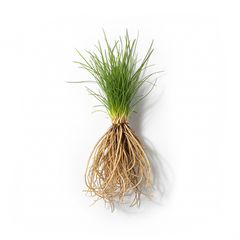
A soil tincture accord typically balances the mineral and fungal earthiness of soil tincture (20-25%) with complementary notes that enhance its naturalistic character. Vetiver (20-25%) adds a green, rooty complexity sharing earthy terpenes. Oakmoss (20-25%) contributes a damp, mossy depth with humic nuances that blend seamlessly with soil tincture’s fungal facets. Patchouli (20-25%) introduces a sweet-spicy earthiness that rounds the accord and enhances longevity. This blend totals approximately 90-100%, creating a grounded, multi-dimensional earth accord.

25%

Soil Tincture

20–25% of blend

Provides the core mineral and fungal earthiness with geosmin and humic compounds creating petrichor and forest floor nuances.

25%

Vetiver

20–25% of blend

Adds green, rooty complexity with earthy terpenes that molecularly complement soil tincture’s natural earthiness.

25%

Oakmoss

20–25% of blend

Contributes damp mossy depth and humic notes that blend with fungal and mineral aspects of soil tincture.

25%

Patchouli

20–25% of blend

Introduces sweet-spicy earthiness and enhances accord longevity through its complex molecular profile.

The Olfactory Layers

How Soil Tincture Evolves on Skin

Soil tincture’s olfactory evolution unfolds slowly due to its low volatility and complex molecular composition. Initial impressions highlight sharp mineral and wet clay notes from volatile geosmin and related compounds. Over 20–60 minutes, fungal and humic undertones emerge as less volatile molecules evaporate, deepening the earthiness. The base phase, lasting several hours, reveals a quiet mineral dry-down reminiscent of unglazed pottery and decomposed organic matter, providing lasting grounding and depth.

I
Top notes
0–15 min
Mineral and Wet Clay

The opening is characterized by sharp, mineral dampness reminiscent of wet stone, clay, and iron-rich earth. This is primarily due to the rapid evaporation of geosmin and other bicyclic alcohols, which have high volatility relative to heavier humic compounds.

MineralWet ClaySharp
II
Heart notes
20–60 min
Fungal and Humic Depth

Fungal and humic notes develop, evoking decomposing leaves, root cellar mustiness, and mushroom-like earthiness. These mid-volatility molecules emerge as the initial mineral sharpness softens, adding complexity and organic depth.

FungalHumicEarthy
III
Base notes
Several hours
Dry Mineral and Organic Residue

The dry-down is quietly mineral and organic, resembling dry soil, unglazed terracotta, and subtle organic decay. Low volatility molecules persist, providing a lasting, grounded foundation that anchors the fragrance.

Dry MineralOrganicPersistent
TOP NOTES Mineral and Wet Clay 0–15 minutes HEART NOTES Fungal and Humic Depth 20–60 minutes BASE NOTES Dry Mineral and Organic Residue Several hours
Through the Ages

The Story of Soil Tincture in Perfumery

Soil tincture’s use in perfumery traces back to early artisanal extraction methods, evolving through the 18th century and gaining renewed interest in contemporary niche perfumery for its authentic earthiness.

18th Century

Early Use of Tinctures in Perfumery

Perfumers began using tinctures to extract scents from materials like ambergris and musk, establishing maceration as a foundational extraction method before modern distillation.

1960

Arctander Documents Tincture Techniques

E. Arctander’s seminal work detailed tincture-making processes, including maceration in ethanol, laying groundwork for modern artisanal tincture production.

2000s

Rise of Niche Perfumery and Natural Ingredients

Interest in naturalistic and terroir-driven scents led to renewed use of soil tincture in artisanal perfumery, emphasizing authenticity and complexity.

2012

Prada Launches Luna Rossa Carbon

Featuring soil tincture as a base note, this fragrance popularized the use of earth tincture to convey mineral and damp soil facets in luxury perfumery.

2019

Tiziana Terenzi Releases Ecstasy

Ecstasy’s use of soil tincture to evoke pine forest after rain highlighted the note’s versatility and depth in contemporary niche perfumery.

The Art of Layering

How to Layer Soil Tincture

Understanding how to layer soil tincture is key to maximizing its olfactory potential. Layering exploits molecular compatibility and olfactory masking to create harmonious blends.

01

Enhance Freshness with Citrus

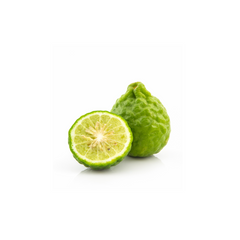
Pairing soil tincture with citrus notes like bergamot or grapefruit introduces shared terpenic compounds that brighten the mineral facets. The citrus’s volatile molecules evaporate quickly, leaving soil tincture’s earthiness to develop gradually. Prada Luna Rossa Carbon exemplifies this pairing.

02

Add Depth with Woods

Combining soil tincture with vetiver or sandalwood enhances the woody, rooty aspects through overlapping sesquiterpenes and terpenoids. This molecular synergy deepens the earth accord, as seen in BeauFort London's Fathom V.

03

Lighten the Glow with Florals

Layering with floral notes such as violet or jasmine introduces softer lactones and ionones that mask soil tincture’s harsher edges, creating a balanced, naturalistic bouquet. This technique is used in Tiziana Terenzi’s Ecstasy.

Wear It Right

How to Wear Soil Tincture Like a Pro

Seasonal Guide

Fall & Winter

Cooler temperatures slow molecular evaporation, allowing soil tincture’s complex mineral and fungal notes to unfold fully. Application on pulse points enhances warmth and projection in dry air.

Spring

Moderate temperatures highlight the fresh, damp aspects of soil tincture, evoking rain-soaked earth. Layering with green or floral notes enhances seasonal freshness.

Summer

Heat increases volatility, which can cause soil tincture to smell sharper and more mineral. Use sparingly or blend with cooling citrus or aquatic notes to balance intensity.

Year-Round Tip

Apply soil tincture-based fragrances in the evening or cooler parts of the day to enjoy full olfactory complexity without rapid evaporation.

Application Points

Strategic application of soil tincture fragrances enhances their naturalistic effect and longevity.

1

Neck

Pulse points on the neck provide warmth that gently diffuses the mineral and fungal notes, enhancing projection.

2

Behind the Ears

This area offers subtle heat and movement, allowing soil tincture’s complex facets to evolve naturally.

3

Inner Wrists

Ideal for close-to-skin scent release, inner wrists highlight the organic and humic undertones.

4

Hair

Hair fibers hold scent molecules longer, releasing soil tincture notes gradually with movement and air flow.

★

Pro Tip

Layer soil tincture fragrances with complementary woody or green notes on different pulse points for a multi-dimensional earth accord.

HumanSafe™

Soil Tincture Safety Profile in Our Fragrances

No ingredient collection was found for soil-tincture.

Create or connect a collection with the same handle as this ingredient, then add products that contain this ingredient.

Expert Voices

What Masters Say About Soil Tincture

“
Soil tincture provides the grounding realism that distinguishes naturalistic compositions from abstract ones. Its terroir-driven nuances bring authenticity and complexity to earth and woody accords.
CA Perfume Editorial
“
The key molecule geosmin is detected by humans at incredibly low thresholds, making soil tincture a potent yet subtle ingredient that can transform a fragrance’s base.
CA Perfume Editorial
Common Questions

Frequently Asked Questions

Frequently asked questions about soil tincture in perfumery, addressing scent, usage, and layering.

Soil tincture smells mineral, damp, and fungal, evoking wet clay, decomposing leaves, and petrichor. Its scent is primarily due to geosmin, a bicyclic alcohol produced by soil bacteria. It provides a naturalistic earthiness distinct from other earthy notes like patchouli or vetiver. Notable perfumes using soil tincture include Prada Luna Rossa Carbon and Tiziana Terenzi Ecstasy.

Soil tincture is classified as a base note in perfumery due to its low volatility and long-lasting presence. It anchors compositions with mineral and fungal earthiness that unfolds slowly over hours.

Soil tincture is favored in niche perfumery for its authentic, terroir-driven earthiness that adds depth and realism. Its complex molecular profile offers nuances unattainable with synthetic ingredients alone, appealing to perfumers seeking naturalistic and artisanal character.

Soil tincture fragrance uses best pair with woody notes like vetiver and sandalwood, green notes such as bergamot, and floral accents like jasmine or violet. These combinations balance mineral sharpness with softness and enhance the earthiness through molecular synergy.

Soil tincture perfumes can be worn in summer but may smell sharper due to increased volatility in heat. It is advisable to use lighter concentrations or layer with fresh citrus or aquatic notes to balance intensity during hot weather.

Soil tincture fragrances typically last several hours, with base notes persisting quietly for up to 6-8 hours due to low volatility molecules. Its longevity depends on concentration and formulation.

Yes, layering soil tincture perfumes with complementary woody, green, or floral fragrances enhances complexity. Molecular compatibility allows the creation of unique scent blends that evolve dynamically on the skin.

Beginners may start with perfumes like Prada Luna Rossa Carbon or BeauFort London's Fathom V, which feature balanced soil tincture accords within accessible compositions. Sampling these provides a clear introduction to the note’s character.

At CA Perfume, selecting a soil tincture fragrance involves considering your preference for earthiness intensity and complementary notes. Our curated collection emphasizes transparency and artisanal quality, supported by the HumanSafe™ platform for ingredient safety.

Soil tincture primarily smells mineral and fungal rather than sweet or spicy. However, when blended with spices like patchouli or woody notes, it can contribute to a warm, earthy complexity that may include subtle sweet or spicy undertones.

Woods & Earth Collection

Explore Our Top Soil Tincture Fragrances

Discover curated selections featuring authentic soil tincture accords for naturalistic earthiness.

Shop all soil tincture fragrances at CA Perfume →

Where Soil Tincture Comes From — Origin & Extraction

Soil tincture is not derived from a single botanical source but is an artisanal extract made by macerating soil or peat in high-proof ethanol (90–95%) over several weeks to months. The raw material is typically collected from specific terroirs such as forest floors, peat bogs, or clay-rich agricultural soils to capture distinctive olfactory profiles. The maceration process involves soaking finely sifted soil or peat in ethanol, allowing the solvent to dissolve both aromatic and non-aromatic compounds including resins, pigments, waxes, and microbial metabolites like geosmin (CAS 19700-21-1). The resulting tincture is filtered and aged to enhance clarity and complexity. Unlike steam distillation or solvent extraction used for essential oils and absolutes, tincturing preserves a broader spectrum of molecules, contributing to the nuanced scent of soil tincture. There is no standardized yield data due to the artisanal nature of production, but the tincture is typically used at trace levels in perfumery (fractions of a percent). Natural soil tincture is relatively costly due to labor-intensive sourcing and long maceration times. Synthetic geosmin, the primary odorant molecule, is available commercially and used to replicate the petrichor facet at a lower cost. However, natural tinctures provide additional fungal and humic complexity absent in synthetic isolates. Sustainability considerations focus on responsible soil harvesting to avoid ecosystem disruption. No IFRA restrictions are currently known for soil tincture or geosmin.

Famous Fragrances That Define Soil Tincture in Perfumery

Soil tincture has been embraced by niche and luxury perfumers for its ability to evoke the smell of earth, damp soil, and forest floor with authenticity. Prada's Luna Rossa Carbon (2012), crafted by perfumer Daniela Andrier, uses soil tincture as a base note to provide a mineral and earthy foundation that contrasts with bright bergamot and spicy pepper. Tiziana Terenzi's Ecstasy (2019), by perfumer Alberto Morillas, features soil tincture to evoke a pine forest after rain, blending wet stone, incense, and fungal undertones. BeauFort London's Fathom V (2017) employs soil tincture to anchor its marine and woody accords with a damp earth realism, while Zoologist Perfumes' King Cobra (2019) uses it to convey the forest floor's complexity. Serge Lutens' De Profundis (2014) also incorporates soil tincture to enhance its dark, earthy character. These fragrances demonstrate soil tincture's versatility as a grounding base note that adds naturalistic depth to woody, chypre, and amber accords. CA Perfume's collection respects this lineage by emphasizing authentic, terroir-driven earth notes in its curated selections.

Natural vs Synthetic Soil Tincture in Perfumery

Natural soil tincture is an artisanal product obtained by macerating real soil or peat in ethanol, capturing a complex mixture of aromatic and non-aromatic molecules including geosmin (CAS 19700-21-1), humic acids, and fungal metabolites. This natural extract provides a multi-dimensional earthiness with mineral sharpness, fungal undertones, and organic decay notes that synthetic versions cannot fully replicate. Synthetic soil scent is primarily created using geosmin and related bicyclic alcohols that mimic the petrichor effect. These synthetics offer consistency, stability, and cost efficiency, with prices ranging from $100 to $500 per kilogram compared to several thousand dollars per kilogram for natural tinctures. Synthetic molecules provide excellent longevity and diffusion but lack the subtle fungal and humic complexity of natural tincture. Famous fragrances such as Prada Luna Rossa Carbon and Tiziana Terenzi Ecstasy use natural soil tincture for authenticity, while some mass-market scents may rely on synthetic geosmin for affordability. The HumanSafe™ platform verifies transparency in sourcing and safety for both natural and synthetic ingredients. CA Perfume values natural soil tincture for its unique olfactory depth but also recognizes the role of synthetics in sustainable and scalable perfumery.