
Ingredient Guide · Aquatic
Aquatic Family · Perfumery Note

Sea Water

Salty, mineralic, and ozonic — the scent of open water.

Sea water is a synthetic marine note in perfumery, classified as a heart note with a crisp, briny, and mineralic character. Its defining quality comes from Calone (CAS 28940-11-6), Ambroxan, and algae extracts, used in concentrations below 10% to evoke the sensation of ocean air.

Sea Water
Ingredient Profile

Sea Water

Aquatic Family
Family Aquatic
Note Position Heart Note
Usage Level <10%
Key Origins France, Italy, United States
Iconic In New West for Her, Acqua di Gio
The Ingredient

What does Sea Water smell like and why is it a signature of modern perfumery?

Sea water in perfumery is not the literal scent of water, which is odorless, but a complex synthetic accord designed to evoke the atmosphere of the ocean. What does sea water smell like? Its scent profile is defined by a briny, mineralic freshness, with ozonic and slightly metallic facets. The primary molecular driver is Calone (methylbenzodioxepinone, CAS 28940-11-6), which imparts a diffusive, watermelon-ozone freshness. This is layered with Ambroxan (CAS 6790-58-5) for salty, musky warmth, and algae or seaweed absolutes for an iodine-vegetal undertone. Dimethyl sulfide and marine aldehydes may be added for the sulfurous, slightly fetid nuance of real shoreline air. The result is a scent that recalls salt crystals drying on sun-warmed skin, wet rope, and the metallic tang of exposed rock pools. In perfumery, sea water is classified as a heart note, typically used at concentrations below 10% in the composition. Its molecular weight and volatility allow it to persist through the heart of the fragrance, providing a sense of horizontal, expansive freshness. Sea water interacts with skin chemistry by amplifying mineral and musky facets on warmer, slightly acidic skin, while on drier or more alkaline skin, the ozonic and metallic notes may dominate. The note is highly versatile, used to provide contrast to florals and woods, and to create the illusion of open air and vastness in a fragrance structure. Sea water in perfumery has become a defining element in contemporary aquatic and marine fragrances. Profumum Roma’s Acqua di Sale (2000s) exemplifies the note’s realism, blending salt, seaweed, and myrtle for a Mediterranean shoreline effect. James Heeley’s Sel Marin (2008) is renowned for its bracing Atlantic brine, with seaweed and vetiver over a woody base. Jo Malone’s Wood Sage & Sea Salt (2014) and Tom Ford’s Oud Minérale (2017) both showcase the note’s ability to bridge between mineral, woody, and aromatic families, while Maison Margiela’s Sailing Day (2017) uses sea water to evoke the sensation of oceanic adventure.

<10%
Sea water accords are typically used at concentrations below 10% of the fragrance formula, as higher levels can overwhelm other notes and produce an overly synthetic effect.
4–6 Hours
The longevity of sea water notes in EDP format averages 4–6 hours, with Ambroxan and musks extending the mineralic base into the drydown.
$50–200/kg
The cost of key marine synthetics like Calone and Cascalone ranges from $50–200/kg, making them accessible and sustainable compared to natural algae extracts.
Origin & Extraction

Where Sea Water Comes From — Origin & Extraction

The marine accord is inspired by coastlines worldwide, with each region’s climate and geology influencing the olfactory interpretation. Salinity, mineral content, and local vegetation shape the nuance of sea water notes.

Sea water as a perfumery note is a synthetic accord, not a direct distillation or extraction from ocean water. The note is constructed from a blend of laboratory-synthesized molecules, most notably Calone (methylbenzodioxepinone, CAS 28940-11-6), which was discovered by Pfizer researchers in 1951 and patented in 1970. Calone provides the signature ozonic, watermelon-like freshness. Other key molecules include Cascalone (Firmenich, CAS 63500-71-0), which offers greater stability and a rounder, more aqueous profile, and Calypsone (Givaudan, CAS 63500-71-0), which delivers a realistic wet-salt impression. Ambroxan (CAS 6790-58-5) or natural/synthetic ambergris materials are used for salty-mineral warmth, while algae absolute or seaweed extract (obtained via volatile solvent extraction from marine algae) adds an iodine-vegetal nuance. No country produces 'sea water' as a raw material; instead, the molecules are manufactured by major aroma chemical companies in France, Switzerland, and the United States. The cost of Calone and related synthetics ranges from $50–200/kg, while natural algae absolute can reach $2,000–4,000/kg due to low extraction yields. The yield of algae absolute is typically below 1% from raw biomass, and the process involves solvent extraction at low temperatures to preserve the delicate iodized volatiles. Sustainability considerations favor synthetics, as direct harvesting of marine algae for perfumery is limited by ecological regulations and low scalability. The marine accord’s synthetic nature ensures batch-to-batch consistency and avoids overexploitation of ocean resources.

FR

France

The Mediterranean coast, especially Provence and Brittany, inspires marine notes with sun-warmed salt, aromatic herbs, and mineral-rich air. French perfumers pioneered the use of Calone and algae extracts, with Grasse serving as a hub for marine accord development.

IT

Italy

The Italian Riviera, from Liguria to Sicily, is known for its vibrant, citrus-infused marine scents. Local perfumers blend sea salt impressions with bergamot and myrtle, evoking the warmth and aromatic vegetation of the Mediterranean shoreline.

US

United States

The Atlantic and Pacific coasts provide diverse marine inspirations, from the bracing, mineralic air of New England to the sunlit, ozonic breezes of California. American perfumers often emphasize freshness and open space in their marine accords.

JP

Japan

Japanese marine accords draw on the Pacific coastline, incorporating seaweed and mineral notes with a subtle, clean aesthetic. The use of algae absolute and green tea facets is distinctive to the region’s olfactory style.

Chemistry

Natural vs Synthetic Sea Water in Perfumery

Sea water is fundamentally a synthetic accord in perfumery; there is no direct natural extraction that yields the characteristic marine scent. The primary synthetic molecule is Calone (methylbenzodioxepinone, CAS 28940-11-6), which imparts a powerful ozonic, watery freshness. Cascalone (CAS 63500-71-0) and Calypsone (CAS 63500-71-0) are modern analogues with improved stability and a more nuanced wet-salt profile. Ambroxan (CAS 6790-58-5) is used to simulate the musky, mineralic warmth of dried sea salt on skin. These synthetics outperform natural algae absolutes in terms of longevity, projection, and batch consistency. Natural algae or seaweed extracts, while authentic in their iodine-vegetal nuance, are less stable and more variable, and are used sparingly for accent. Cost-wise, synthetics are significantly more affordable ($50–200/kg for Calone, Cascalone) compared to natural marine extracts ($2,000–4,000/kg). Famous fragrances such as Acqua di Gio (Giorgio Armani, 1996, Alberto Morillas) and Sel Marin (James Heeley, 2008) rely on these synthetic molecules for their marine character. The HumanSafe™ platform verifies the traceability and safety of all marine aroma chemicals used in CA Perfume’s collection, ensuring transparency and compliance with IFRA guidelines. Synthetics also offer a lower environmental impact, as they avoid the ecological strain of large-scale algae harvesting.

Natural
Sea Water Absolute
Cost $3,000–6,000/kg
Method Solvent / CO₂
Character Complex, variable
vs
Synthetic
Safranal & Analogues
Cost $50–200/kg
Method Lab synthesis
Character Consistent, stable
Hall of Fame

Famous Fragrances That Define Sea Water in Perfumery

1990
dominant note

New West for Her

Aramis
by Yves Tanguy
Calonecitrusfloral notes
1996
dominant note

Acqua di Gio

Giorgio Armani
by Alberto Morillas
Calonecitrusjasminemusk
dominant note

Acqua di Sale

Profumum Roma
saltseaweedmyrtlecedar
2008
dominant note

Sel Marin

James Heeley
by James Heeley
seaweedvetivercedarmusk
2014
bridge note

Wood Sage & Sea Salt

Jo Malone London
by Christine Nagel
sageambrettegrapefruit
2017
accent

Oud Minérale

Tom Ford
oudfir balsamsea salt
2017
dominant note

Sailing Day

Maison Margiela
by Jacques Cavallier
aldehydesirisambergris

The sea water note has become a cornerstone of the aquatic and marine fragrance genres since the late 20th century. The first major use of a synthetic marine note was in Aramis New West for Her (1990, Yves Tanguy), which introduced Calone’s ozonic freshness to mainstream perfumery. Giorgio Armani’s Acqua di Gio (1996, Alberto Morillas) further popularized the marine accord, blending Calone with citrus and floral notes for a Mediterranean effect. Profumum Roma’s Acqua di Sale (2000s) is celebrated for its hyper-realistic evocation of salt, seaweed, and sun-warmed skin, using a combination of Calone, seaweed absolute, and myrtle. James Heeley’s Sel Marin (2008) is regarded as one of the most true-to-life oceanic scents, with a bracing Atlantic brine, algae, and vetiver over a woody base. Jo Malone’s Wood Sage & Sea Salt (2014, Christine Nagel) introduced a softer, mineralic interpretation, pairing sea salt with sage and ambrette. Tom Ford’s Oud Minérale (2017) demonstrates the note’s versatility, combining marine salt with oud and fir balsam for a dark, mineralic effect. Maison Margiela’s Sailing Day (2017, Jacques Cavallier) uses sea water and aldehydes to evoke the sensation of open ocean adventure. CA Perfume’s marine-inspired collection draws on this lineage, offering HumanSafe™ verified interpretations of the sea water note.

The Accord

How is a captivating Sea Water accord crafted?

A photorealistic sea water accord is built from Calone (25–30%), Ambroxan (20–25%), algae absolute (20–25%), and citrus (20–25%). Calone provides the diffusive ozonic freshness, Ambroxan adds salty-mineral warmth, algae absolute delivers iodine-vegetal depth, and citrus (such as bergamot or lemon) brightens the accord with a sparkling top note. This combination creates a balanced, realistic marine impression.

30%

Calone

25–30% of blend

Calone (CAS 28940-11-6) imparts the signature ozonic, watermelon-like freshness and high diffusion that defines modern marine accords.

25%

Ambroxan

20–25% of blend

Ambroxan (CAS 6790-58-5) provides salty, musky, mineralic warmth, simulating the scent of salt drying on skin.

25%

Algae Absolute

20–25% of blend

Algae absolute, extracted via volatile solvents, adds iodine-vegetal depth and authenticity, echoing the scent of seaweed and tidal pools.

25%

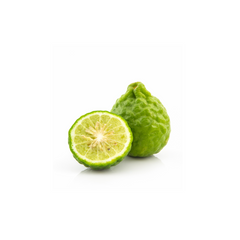
Bergamot

20–25% of blend

Bergamot oil provides a bright, sparkling top note, enhancing the freshness and naturalism of the marine accord through its limonene and linalyl acetate content.

The Olfactory Layers

How Sea Water Evolves on Skin

The olfactory evolution of sea water notes unfolds from a sparkling, ozonic opening to a mineralic, salty heart and a musky, skin-like base. High-volatility molecules evaporate quickly, while heavier musks and ambers linger for hours.

I
Top notes
0–15 min
Briny Freshness

The initial impression is bright and diffusive, dominated by Calone and citrus molecules (limonene, linalool). These high-volatility compounds create a crisp, ozonic freshness reminiscent of sea spray and wind-carried salt.

ozoniccitrus-freshairy
II
Heart notes
20–60 min
Salty Mineral

As the top notes dissipate, the heart reveals a wetter, saltier, and more mineral character. Ambroxan and algae absolute emerge, providing warmth, iodine, and a subtle vegetal nuance. The marine accord becomes more expansive and realistic.

saltymineralicmarine
III
Base notes
Several hours
Skin-Like Warmth

In the drydown, musky and ambergris-like molecules (Ambroxan, synthetic musks) linger on the skin, evoking the sensation of salt crystals drying on sun-warmed skin. The base is intimate, skin-like, and subtly mineral.

muskyskin-likesaline
TOP NOTES Briny Freshness 0–15 minutes HEART NOTES Salty Mineral 20–60 minutes BASE NOTES Skin-Like Warmth Several hours
Through the Ages

The Story of Sea Water in Perfumery

The sea water note’s history in perfumery traces from the invention of Calone in the 1950s to its explosion in the 1990s and its continued evolution in niche and designer fragrances.

1951

Discovery of Calone

Pfizer researchers synthesize Calone (methylbenzodioxepinone, CAS 28940-11-6) while searching for pharmaceutical compounds. Its ozonic, marine scent goes largely unused for decades.

1970

Calone Patented for Perfumery

Calone is patented for fragrance use, but remains a niche ingredient until the late 1980s, when perfumers begin exploring marine accords.

1990

New West for Her Launches

Aramis releases New West for Her, the first major fragrance to showcase Calone’s marine freshness, marking the birth of the aquatic genre.

1996

Acqua di Gio Defines the Aquatic Era

Giorgio Armani’s Acqua di Gio (Alberto Morillas) becomes a global bestseller, cementing the sea water accord as a mainstream fragrance staple.

2000s

Hyper-Realism and Niche Expansion

Niche brands like Profumum Roma (Acqua di Sale) and James Heeley (Sel Marin) push the realism of marine accords, incorporating algae absolute and mineral notes.

2014–2017

Modern Interpretations

Jo Malone’s Wood Sage & Sea Salt and Tom Ford’s Oud Minérale demonstrate the versatility of sea water notes, blending them with woods, herbs, and ambergris analogues.

The Art of Layering

How to Layer Sea Water

Understanding how to layer sea water fragrances involves pairing them with notes that share molecular affinities or provide olfactory contrast. The marine accord’s high volatility and mineralic profile make it compatible with citrus, woods, and musks.

01

Enhance Freshness

Layering sea water with citrus notes (bergamot, lemon) creates a seamless transition, as both share high-volatility molecules like limonene and linalool. This combination is demonstrated in Acqua di Gio, where Calone and citrus amplify the sensation of open air.

02

Add Depth

Pairing sea water with woody or amber notes (cedar, vetiver, ambergris) provides molecular weight and fixative properties. Ambroxan and vetiver share musky, mineralic facets, resulting in a longer-lasting, more complex drydown, as seen in Sel Marin and Oud Minérale.

03

Soften the Edge

Combining sea water with soft musks or florals (ambrette, iris) uses olfactory masking to round off the metallic sharpness of Calone. This synergy is evident in Jo Malone’s Wood Sage & Sea Salt, where ambrette and sage create a smooth, mineralic finish.

Wear It Right

How to Wear Sea Water Like a Pro

Seasonal Guide

Fall & Winter

In cooler weather, the mineralic and musky facets of sea water notes are more pronounced, while projection is reduced due to lower evaporation rates. Apply to pulse points and layer with woody or amber fragrances to enhance warmth and longevity.

Spring

Spring’s moderate temperatures allow the marine accord’s freshness to shine. The balance of ozonic, salty, and green notes is ideal for transitional weather. Apply lightly to avoid overwhelming the senses as humidity rises.

Summer

High heat and humidity increase the volatility of Calone and citrus molecules, amplifying the crisp, briny freshness of sea water notes. Apply sparingly to avoid excessive projection, and consider layering with citrus or green fragrances for added vibrancy.

Year-Round Tip

For consistent performance year-round, moisturize skin before application to enhance longevity. Adjust the number of sprays and layering partners based on temperature and personal preference.

Application Points

Strategic application enhances the realism and longevity of sea water notes.

1

Neck

Applying to the neck takes advantage of body heat, accelerating the evaporation of top notes and enhancing the diffusive, ozonic freshness of the marine accord.

2

Behind the Ears

This area retains warmth and moisture, allowing the salty, musky heart notes to linger and project subtly throughout the day.

3

Inner Wrists

The pulse points on the wrists amplify the initial briny freshness, while skin movement helps release the scent gradually.

4

Hair

Spraying lightly on hair provides sustained release of the marine accord, as hair fibers trap and slowly diffuse volatile molecules.

Pro Tip

Layer sea water fragrances with citrus or green notes on moisturized skin to enhance projection and realism, especially in humid conditions.

Mood Architecture™

Top Sea Water Fragrances by Mood Score

These Sea Water-based fragrances scored highest on the MEI™ Mood Architecture Framework — measuring how a scent may influence your emotional state.

Highest MEI Score
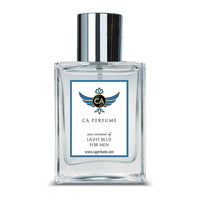
Light Blue For Men — Light Blue Men Alternative Cologne
6.57
MEI™
Primary Fresh
Secondary Energizing
Confidence
6.39
Presence
6.47
Mood Lift
7.88
Identity
5.84
Warmth
5.55
Social Ease
6.49
Energy
5.1
" I am radiant.
View full mood profile →
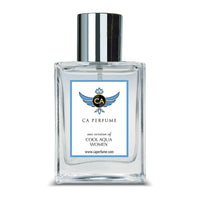
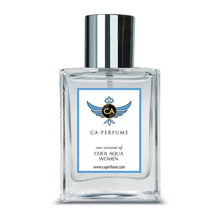
Cool Aqua Women — Cool Water Women Alternative Perfume
6.26
MEI™
Primary Fresh
Secondary Romantic
Confidence
5.14
Presence
5.36
Mood Lift
7.63
Identity
5.49
Warmth
6.93
Social Ease
6.81
Energy
3.7
" I am radiant.
View full mood profile →
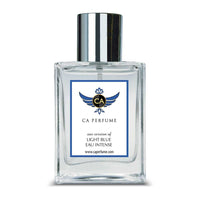
Light Blue Eau Intense — Dolce & Gabbana Light Blue Eau Intense Alternative Cologne
6.25
MEI™
Primary Fresh
Secondary Confident
Confidence
5.9
Presence
6.0
Mood Lift
7.54
Identity
5.35
Warmth
5.57
Social Ease
6.52
Energy
3.6
" I am radiant.
View full mood profile →
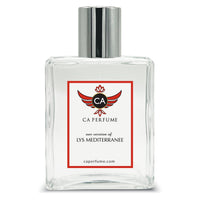
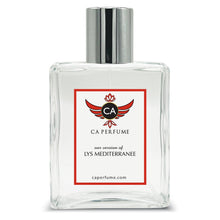
Lys Mediterranee — Frederic Malle Lys Mediterranee Alternative Perfume
5.55
MEI™
Primary Fresh
Secondary Romantic
Confidence
4.61
Presence
4.89
Mood Lift
6.51
Identity
5.1
Warmth
5.9
Social Ease
6.33
Energy
3.2
" I am radiant.
View full mood profile →
HumanSafe™

Top Sea Water Fragrances by HumanSafe™ Score

These Sea Water-based fragrances have the highest product-level HumanSafe™ scores in this ingredient collection.

Highest HumanSafe™ Score
Lys Mediterranee — Frederic Malle Lys Mediterranee Alternative Perfume
A-
HumanSafe™ Score Generally Safe
Safest Evaluated Ingredients EDP
AQUA Solvent / Carrier ISS 10.0
BENZYL SALICYLATE Evaluated ingredient ISS 9.0
1,6,10-DODECATRIEN-3-OL, 3,7,11-TRIMETHYL- Evaluated ingredient ISS 8.0
LINALOOL Evaluated ingredient ISS 7.0
CITRONELLOL Evaluated ingredient ISS 7.0
View full safety profile →
Light Blue For Men — Light Blue Men Alternative Cologne
A-
HumanSafe™ Score Generally Safe
Safest Evaluated Ingredients EDP
AQUA Solvent / Carrier ISS 10.0
1,4-DIOXACYCLOHEPTADECANE-5,17-DIONE Evaluated ingredient ISS 10.0
7-OCTEN-2-OL, 2,6-DIMETHYL- Evaluated ingredient ISS 9.0
AMBERKETAL Evaluated ingredient ISS 8.0
3-BUTEN-2-ONE, 3-METHYL-4-(2,6,6-TRIMETHYL-2- Evaluated ingredient ISS 8.0
LINALYL ACETATE Evaluated ingredient ISS 7.0
View full safety profile →
Light Blue Eau Intense — Dolce & Gabbana Light Blue Eau Intense Alternative Cologne
A-
HumanSafe™ Score Generally Safe
Safest Evaluated Ingredients EDP
AQUA Solvent / Carrier ISS 10.0
1,4-DIOXACYCLOHEPTADECANE-5,17-DIONE Evaluated ingredient ISS 10.0
AMBROXIDE Evaluated ingredient ISS 9.0
1,3,4,6,7,8-HEXAHYDRO-4,6,6,7,8,8- Evaluated ingredient ISS 8.0
ALPHA-CEDRENE Evaluated ingredient ISS 7.0
View full safety profile →
Cool Aqua Women — Cool Water Women Alternative Perfume
A-
HumanSafe™ Score Generally Safe
Safest Evaluated Ingredients EDP
AQUA Solvent / Carrier ISS 10.0
7-OCTEN-2-OL, 2,6-DIMETHYL- Evaluated ingredient ISS 9.0
2-OXABICYCLO[2.2.2]OCTANE, 1,3,3-TRIMETHYL- Evaluated ingredient ISS 9.0
BENZENEPROPANAL, 4-ETHYL-.ALPHA.,.ALPHA.-DIMETHYL- Evaluated ingredient ISS 8.0
3-BUTEN-2-ONE, 3-METHYL-4-(2,6,6-TRIMETHYL-2- Evaluated ingredient ISS 8.0
LINALYL ACETATE Evaluated ingredient ISS 7.0
View full safety profile →
Expert Voices

What Masters Say About Sea Water

Sea water in perfumery is not the smell of water itself, but of everything the water carries: dissolved salts, dimethyl sulfide from phytoplankton, iodine from kelp, and the metallic tang of wet rock. These components are reconstructed synthetically to evoke the true atmosphere of the ocean.
CA Perfume Editorial
Calone’s discovery in the 1950s revolutionized the marine genre, enabling perfumers to create scents that evoke the vastness and mineralic freshness of the sea, rather than just clean laundry or soapy florals.
CA Perfume Editorial
Common Questions

Frequently Asked Questions

Frequently asked questions about sea water as a perfume note.

Sea water in perfume is a synthetic accord that evokes the scent of ocean air, combining salty, mineralic, and ozonic facets. The primary molecule, Calone, imparts a diffusive, watermelon-like freshness, while Ambroxan and algae absolute add salty, musky, and iodine-vegetal nuances. The result is a realistic impression of salt drying on sun-warmed skin, wet rocks, and seaweed, as found in fragrances like Acqua di Sale and Sel Marin.

Sea water is classified as a heart (middle) note in perfumery. Its molecular weight and volatility allow it to persist through the heart of the fragrance, providing a horizontal, expansive freshness that bridges the top and base notes. It is typically used at concentrations below 10% for balance.

Sea water notes offer a unique, atmospheric quality that sets niche perfumes apart from mainstream scents. Their ability to evoke the sensation of open air, mineralic freshness, and coastal environments appeals to consumers seeking realism and emotional resonance. Niche brands often push the boundaries of marine accords, using algae absolute and mineral notes for hyper-realism.

Sea water fragrance uses often involve pairing with citrus (bergamot, lemon), woods (cedar, vetiver), musks, and aromatic herbs (sage, myrtle). These notes share molecular affinities or provide olfactory contrast, enhancing the realism and complexity of marine accords.

Yes, sea water perfumes are especially suited to summer and hot weather. The high volatility of Calone and citrus molecules ensures a crisp, refreshing projection, while the mineralic and salty facets evoke the sensation of ocean breezes. Apply sparingly in heat to avoid overwhelming projection.

In Eau de Parfum format, sea water fragrances typically last 4–6 hours. The longevity is extended by the presence of Ambroxan and musks, which anchor the mineralic and saline facets in the drydown.

Yes, sea water perfumes are highly layerable. They combine well with citrus, green, woody, and musky notes. Layering allows you to customize the freshness, depth, or softness of the marine accord, as demonstrated in fragrances like Wood Sage & Sea Salt and Acqua di Gio.

For beginners, Jo Malone’s Wood Sage & Sea Salt, James Heeley’s Sel Marin, and Giorgio Armani’s Acqua di Gio are excellent introductions to the marine genre. These fragrances balance realism with wearability and are widely available.

Consider your preferred level of freshness, saltiness, and complexity. CA Perfume’s collection offers HumanSafe™ verified marine fragrances, with options ranging from crisp and airy to mineralic and musky. Sampling is recommended to find the best fit for your skin chemistry.

Sea water in fragrance is primarily salty and mineralic, with only subtle sweetness from supporting notes like citrus or melon facets in Calone. The dominant impression is briny, ozonic, and fresh, rather than sweet.

Aquatic Collection

Explore Our Top Sea Water Fragrances

Discover CA Perfume’s HumanSafe™ verified marine fragrances, crafted with Calone, Ambroxan, and algae absolute for a true-to-life oceanic experience.

Shop all sea water fragrances at CA Perfume →

Where Sea Water Comes From — Origin & Extraction

Sea water as a perfumery note is a synthetic accord, not a direct distillation or extraction from ocean water. The note is constructed from a blend of laboratory-synthesized molecules, most notably Calone (methylbenzodioxepinone, CAS 28940-11-6), which was discovered by Pfizer researchers in 1951 and patented in 1970. Calone provides the signature ozonic, watermelon-like freshness. Other key molecules include Cascalone (Firmenich, CAS 63500-71-0), which offers greater stability and a rounder, more aqueous profile, and Calypsone (Givaudan, CAS 63500-71-0), which delivers a realistic wet-salt impression. Ambroxan (CAS 6790-58-5) or natural/synthetic ambergris materials are used for salty-mineral warmth, while algae absolute or seaweed extract (obtained via volatile solvent extraction from marine algae) adds an iodine-vegetal nuance. No country produces 'sea water' as a raw material; instead, the molecules are manufactured by major aroma chemical companies in France, Switzerland, and the United States. The cost of Calone and related synthetics ranges from $50–200/kg, while natural algae absolute can reach $2,000–4,000/kg due to low extraction yields. The yield of algae absolute is typically below 1% from raw biomass, and the process involves solvent extraction at low temperatures to preserve the delicate iodized volatiles. Sustainability considerations favor synthetics, as direct harvesting of marine algae for perfumery is limited by ecological regulations and low scalability. The marine accord’s synthetic nature ensures batch-to-batch consistency and avoids overexploitation of ocean resources.

Famous Fragrances That Define Sea Water in Perfumery

The sea water note has become a cornerstone of the aquatic and marine fragrance genres since the late 20th century. The first major use of a synthetic marine note was in Aramis New West for Her (1990, Yves Tanguy), which introduced Calone’s ozonic freshness to mainstream perfumery. Giorgio Armani’s Acqua di Gio (1996, Alberto Morillas) further popularized the marine accord, blending Calone with citrus and floral notes for a Mediterranean effect. Profumum Roma’s Acqua di Sale (2000s) is celebrated for its hyper-realistic evocation of salt, seaweed, and sun-warmed skin, using a combination of Calone, seaweed absolute, and myrtle. James Heeley’s Sel Marin (2008) is regarded as one of the most true-to-life oceanic scents, with a bracing Atlantic brine, algae, and vetiver over a woody base. Jo Malone’s Wood Sage & Sea Salt (2014, Christine Nagel) introduced a softer, mineralic interpretation, pairing sea salt with sage and ambrette. Tom Ford’s Oud Minérale (2017) demonstrates the note’s versatility, combining marine salt with oud and fir balsam for a dark, mineralic effect. Maison Margiela’s Sailing Day (2017, Jacques Cavallier) uses sea water and aldehydes to evoke the sensation of open ocean adventure. CA Perfume’s marine-inspired collection draws on this lineage, offering HumanSafe™ verified interpretations of the sea water note.

Natural vs Synthetic Sea Water in Perfumery

Sea water is fundamentally a synthetic accord in perfumery; there is no direct natural extraction that yields the characteristic marine scent. The primary synthetic molecule is Calone (methylbenzodioxepinone, CAS 28940-11-6), which imparts a powerful ozonic, watery freshness. Cascalone (CAS 63500-71-0) and Calypsone (CAS 63500-71-0) are modern analogues with improved stability and a more nuanced wet-salt profile. Ambroxan (CAS 6790-58-5) is used to simulate the musky, mineralic warmth of dried sea salt on skin. These synthetics outperform natural algae absolutes in terms of longevity, projection, and batch consistency. Natural algae or seaweed extracts, while authentic in their iodine-vegetal nuance, are less stable and more variable, and are used sparingly for accent. Cost-wise, synthetics are significantly more affordable ($50–200/kg for Calone, Cascalone) compared to natural marine extracts ($2,000–4,000/kg). Famous fragrances such as Acqua di Gio (Giorgio Armani, 1996, Alberto Morillas) and Sel Marin (James Heeley, 2008) rely on these synthetic molecules for their marine character. The HumanSafe™ platform verifies the traceability and safety of all marine aroma chemicals used in CA Perfume’s collection, ensuring transparency and compliance with IFRA guidelines. Synthetics also offer a lower environmental impact, as they avoid the ecological strain of large-scale algae harvesting.