Ingredient Guide · Musk, Amber, Animalic Smells
Musk, Amber, Animalic Smells Family · Perfumery Note

Salt Ambergris

The ocean's mysterious treasure in perfumery

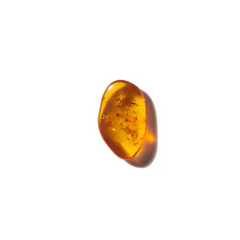
Salt Ambergris is a rare, animalic base note derived from sperm whales, prized for its salty, musky, and warm scent profile. Its key molecule ambrein and aged oxidation define its unique character.

Salt Ambergris
Ingredient Profile

Salt Ambergris

Musk, Amber, Animalic Smells Family
Family Musk, Amber, Animalic Smells
Note Position Heart Note
Usage Level 0.1–0.5%
Key Origins New Zealand, Madagascar, Bahamas
Iconic In Baccarat Rouge 540, Green Irish Tweed
The Ingredient

What does Salt Ambergris smell like and why is it significant in perfumery?

Salt Ambergris is a complex, rare fragrance ingredient originating from the intestines of the sperm whale (Physeter macrocephalus). It is a waxy, resinous substance that, after years of oxidation and exposure to sea salt and sunlight, develops a unique scent profile characterized by salty, musky, warm, and subtly woody notes. The primary active molecule ambrein (a triterpene alcohol) contributes to its sweet, tobacco-like facets, while other compounds add marine and animalic nuances. In perfumery, salt ambergris is classified as a base note due to its low volatility and fixative properties. It is typically used at concentrations ranging from 0.1% to 0.5% in fine fragrances. Its interaction with skin chemistry can vary, often blending with the wearer's natural scent to produce a personalized, skin-like warmth. Salt ambergris enhances the longevity and sillage of compositions, anchoring more volatile top and heart notes. Notable fragrances featuring salt ambergris include Maison Francis Kurkdjian's Baccarat Rouge 540 (2015), where ambergris adds a radiant, musky depth, and Creed's Green Irish Tweed (1985), which uses it as a subtle base accent. Yves Saint Laurent's Tuxedo (2016) also employs ambergris to provide a warm, animalic foundation paired with patchouli and spices.

0.1–0.5%
Typical concentration range of natural salt ambergris in fine fragrances, balancing scent impact with regulatory safety.
5–30%
Range of perfume concentration formats (EDT to Parfum) where ambergris's scent profile and longevity vary significantly.
5%
Approximate global occurrence rate of sperm whales producing ambergris, highlighting its rarity.
Origin & Extraction

Where Salt Ambergris Comes From — Origin & Extraction

Salt Ambergris is sourced mainly from oceanic regions where sperm whales inhabit. The unique marine environment, including water salinity, temperature, and sunlight exposure, influences the maturation and scent character of ambergris. Specific coastal areas yield distinct aromatic profiles due to local oceanic conditions and whale diet.

Salt Ambergris is a natural secretion formed in the digestive system of the sperm whale (Physeter macrocephalus), a marine mammal found in oceans worldwide. It originates as a protective substance around indigestible squid beaks, eventually expelled by the whale and hardened by years of exposure to seawater, sunlight, and air. This maturation process transforms the initially foul-smelling, blackish mass into a fragrant, waxy material with complex olfactory properties. Major sources of naturally found ambergris include coastal regions of New Zealand, Madagascar, the Bahamas, and parts of the Indian and Atlantic Oceans. The rarity of ambergris is underscored by the fact that only about 5% of sperm whales produce it, and large, high-quality pieces are extremely uncommon. Extraction for perfumery involves collecting ambergris pieces washed ashore or found floating at sea, followed by careful curing and aging to enhance scent quality. The material is then processed into tinctures or absolutes via solvent extraction using ethanol or hexane, preserving delicate aromatic compounds like ambrein. Yields vary widely depending on the grade and age of the ambergris. Due to the high cost and ethical concerns surrounding natural ambergris, synthetic alternatives such as ambroxan and cetalox are widely used. Natural ambergris can cost upwards of $20,000 to $50,000 per kilogram, whereas synthetic substitutes are available at $50 to $200 per kilogram. Sustainability considerations include strict regulations on whale protection and legal restrictions on ambergris trade in various countries.

NZ

New Zealand

New Zealand's coastal waters are a prime source of high-quality ambergris, with frequent strandings on beaches. The region's cold, nutrient-rich waters contribute to ambergris with pronounced marine and salty facets. Production volume is limited but highly prized.

MG

Madagascar

Ambergris from Madagascar is noted for its warm, animalic, and slightly sweet profile, influenced by the tropical oceanic climate. Local harvesting is artisanal, with pieces often aged naturally on beaches.

BS

Bahamas

The Bahamas yield ambergris with a balanced marine and musky character, reflecting the warm Atlantic waters and diverse marine ecosystem. Production is sporadic but valued for its refined scent.

ZA

South Africa

South African ambergris is distinguished by its earthy, tobacco-like nuances, likely due to regional ocean currents and whale feeding patterns. Harvesting is limited and regulated.

Chemistry

Natural vs Synthetic Salt Ambergris in Perfumery

Natural salt ambergris is prized for its complex, multi-faceted scent profile, including salty, musky, tobacco, and woody nuances. Its key molecule, ambrein (CAS 6790-58-5), is responsible for the warm, animalic facets. However, natural ambergris is rare, expensive, and subject to legal restrictions due to sperm whale protection laws. Synthetic ambergris substitutes, primarily ambroxan (CAS 6790-58-5) and cetalox, replicate the dry, woody, musky aspects of natural ambergris with greater consistency, stability, and ethical acceptability. Ambroxan is synthesized from sclareol, a natural diterpene extracted from clary sage (Salvia sclarea). These synthetics offer superior longevity and diffusion in fragrance compositions and cost significantly less. Famous fragrances like Maison Francis Kurkdjian's Baccarat Rouge 540 use ambroxan to mimic ambergris's radiant qualities, while some niche perfumers still incorporate natural ambergris in limited editions. The HumanSafe™ platform ensures transparency in ingredient sourcing, supporting ethical use and consumer awareness. CA Perfume approaches salt ambergris with a preference for synthetic molecules to balance olfactory authenticity with sustainability and regulatory compliance.

Natural
Salt Ambergris Absolute
Cost $3,000–6,000/kg
Method Solvent / CO₂
Character Complex, variable
vs
Synthetic
Safranal & Analogues
Cost $50–200/kg
Method Lab synthesis
Character Consistent, stable
Hall of Fame

Famous Fragrances That Define Salt Ambergris in Perfumery

2015
dominant base note

Baccarat Rouge 540

Maison Francis Kurkdjian
by Francis Kurkdjian
saffronjasminecedarwood
1985
supporting base note

Green Irish Tweed

Creed
by Olivier Creed
lemonviolet leafiris
2016
accent base note

Tuxedo

Yves Saint Laurent
by Sonia Constant
patchoulispicesleather
2009
supporting note

Bal d'Afrique

Byredo
by Olivier Pescheux
bergamotnerolivetiver
base note

Atlas

Lattafa Perfumes
amberwoodsspices

Salt ambergris has been a foundational note in many iconic fragrances, valued for its ability to impart depth, warmth, and a subtle marine muskiness. Maison Francis Kurkdjian's Baccarat Rouge 540 (2015), crafted by Francis Kurkdjian, prominently features ambergris as a radiant, musky base note paired with saffron and jasmine, creating a luminous and long-lasting scent. Creed's Green Irish Tweed (1985), by perfumer Olivier Creed, uses ambergris to add a fresh yet warm underpinning to its green, citrus, and floral accords. Yves Saint Laurent's Tuxedo (2016), designed by Sonia Constant, employs ambergris as a warm, animalic foundation alongside patchouli and spices, enhancing the fragrance's sensuality. Other notable examples include Byredo's Bal d'Afrique (2009), where ambergris adds a subtle salty warmth, and Lattafa Perfumes' Atlas, which uses ambergris to anchor its oriental woody composition. These fragrances demonstrate salt ambergris's versatility across olfactive families, from fresh fougères to oriental ambers. CA Perfume's collection respects this lineage by offering fragrances that explore ambergris's nuanced character without compromising ethical sourcing.

The Accord

How is a captivating Salt Ambergris accord crafted?

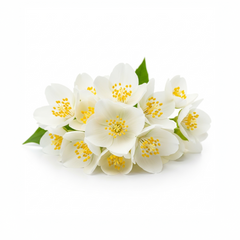
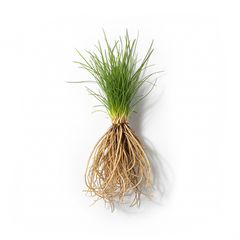
A balanced salt ambergris accord typically includes Salt Ambergris 30-35%, Ambroxan 20-25%, Jasmine 15-20%, and Vetiver 20-25%. Salt Ambergris provides the salty, musky, and warm animalic core through ambrein and related molecules. Ambroxan enhances the woody, clean ambergris facets, stabilizing the accord. Jasmine introduces a floral brightness that complements the marine saltiness via shared lactones, while vetiver adds an earthy, green depth that balances the warmth and lifts the composition.

35%

Salt Ambergris

30–35% of blend

Provides the salty, musky, and warm animalic core due to ambrein and marine oxidation products.

25%

Ambroxan

20–25% of blend

Enhances woody, clean ambergris facets and improves longevity and diffusion.

20%

Jasmine

15–20% of blend

Adds floral brightness and complements salt ambergris via shared lactones.

25%

Vetiver

20–25% of blend

Contributes earthy, green depth that balances warmth and lifts the accord.

The Olfactory Layers

How Salt Ambergris Evolves on Skin

Salt Ambergris evolves over hours from an initial subtle marine saltiness to a warm, musky, and animalic heart, finally settling into a rich, woody, and tobacco-like base. Its low volatility compounds such as ambrein and related triterpenes evaporate slowly, providing lasting depth and fixative qualities.

I
Top notes
0–15 min
Salty Marine Breeze

The opening reveals a fresh, salty marine facet derived from volatile oxidation products and residual seawater minerals, creating a crisp, oceanic impression.

SaltyMarineFresh
II
Heart notes
20–60 min
Warm Musky Tobacco

The heart develops warm, musky, and slightly sweet tobacco-like aromas from ambrein and related molecules, blending with subtle animalic and powdery nuances.

MuskyWarmAnimalic
III
Base notes
Several hours
Woody Earthy Warmth

The base is characterized by deep woody, leathery, and earthy tobacco notes, sustained by low volatility triterpenes and fixative compounds that prolong sillage.

WoodyLeatheryEarthy
TOP NOTES Salty Marine Breeze 0–15 minutes HEART NOTES Warm Musky Tobacco 20–60 minutes BASE NOTES Woody Earthy Warmth Several hours
Through the Ages

The Story of Salt Ambergris in Perfumery

Salt Ambergris has a rich history in perfumery, from ancient incense use to modern synthetic alternatives. Its evolving role reflects advances in chemistry, ethics, and fragrance artistry.

Antiquity

Ambergris used as incense in Ancient Egypt

Ambergris was burned as incense and valued for its mysterious aroma in Egyptian rituals, marking one of the earliest recorded uses of this material.

15th Century

Ambergris trade expands in Europe

Ambergris became a highly prized commodity in European perfumery and medicine, with trade routes established from coastal regions to major cities.

1850s

Identification of ambergris source

Whaling industry confirms ambergris originates from sperm whales, ending centuries of speculation about its origins.

1950

Development of Ambroxan synthetic

Ambroxan, a synthetic molecule mimicking ambergris's scent, was developed from sclareol, providing a sustainable alternative.

2015

Baccarat Rouge 540 popularizes ambergris note

Francis Kurkdjian's Baccarat Rouge 540 brought ambergris to mainstream luxury perfumery, showcasing its radiant and musky qualities.

The Art of Layering

How to Layer Salt Ambergris

Understanding how to layer salt ambergris involves molecular compatibility and olfactory synergy. Its marine and musky compounds blend well with florals, woods, and spices to create balanced, complex fragrances.

01

Enhance Freshness

Layer salt ambergris with citrus or aquatic notes like bergamot or calone. The shared volatile aldehydes and ozonic molecules create a crisp, fresh opening that contrasts ambergris's warm base, as seen in fragrances like Creed Green Irish Tweed.

02

Add Depth

Combine ambergris with woody notes such as sandalwood or vetiver. The lactones and terpenes in these woods complement ambergris's animalic warmth, producing a rich, grounded accord exemplified by Yves Saint Laurent Tuxedo.

03

Lighten the Glow

Pair ambergris with soft florals like jasmine or iris, which share lactones and powdery compounds. This layering softens ambergris's animalic edge while adding brightness, as demonstrated in Maison Francis Kurkdjian Baccarat Rouge 540.

Wear It Right

How to Wear Salt Ambergris Like a Pro

Seasonal Guide

Fall & Winter

Cooler temperatures slow evaporation, emphasizing ambergris's warm, musky, and tobacco-like base notes. Apply more liberally for cozy, enveloping scent.

Spring

Moderate temperatures balance marine freshness and warmth. Layer with florals or light woods for a fresh yet grounded effect.

Summer

Heat increases volatility, highlighting salty marine and fresh top notes. Use lighter application and pair with citrus or aquatic notes to maintain freshness.

Year-Round Tip

Adjust layering and application based on climate: combine with vanilla or musk in cold months, and with citrus or green notes in warm months for optimal balance.

Application Points

Strategic application enhances salt ambergris's projection and longevity by leveraging body heat and pulse points.

1

Neck

Pulse points at the neck provide warmth that helps ambergris's low-volatility molecules diffuse slowly, enhancing sillage.

2

Behind the Ears

This area offers moderate heat and proximity to the nose, allowing subtle marine and musky notes to be perceived intimately.

3

Inner Wrists

Wrists generate heat and movement, activating ambergris's layered scent profile and projecting warmth.

4

Hair

Hair fibers hold fragrance longer and release ambergris's softer, powdery facets gradually with natural movement.

Pro Tip

Layer ambergris-based fragrances with complementary notes on clothing or skin to extend longevity and create personalized scent blends.

Mood Architecture™

Top Salt Ambergris Fragrances by Mood Score

These Salt Ambergris-based fragrances scored highest on the MEI™ Mood Architecture Framework — measuring how a scent may influence your emotional state.

Highest MEI Score
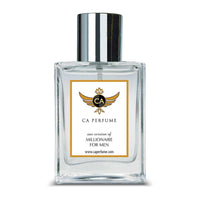
Millionaire For Men — One Million Alternative Cologne
7.2
MEI™
Primary Romantic
Secondary Confident
Confidence
7.11
Presence
7.18
Mood Lift
7.43
Identity
6.99
Warmth
8.5
Social Ease
6.59
Energy
4.4
" I am beautiful.
View full mood profile →
HumanSafe™

Top Salt Ambergris Fragrances by HumanSafe™ Score

These Salt Ambergris-based fragrances have the highest product-level HumanSafe™ scores in this ingredient collection.

Highest HumanSafe™ Score
Millionaire For Men — One Million Alternative Cologne
A-
HumanSafe™ Score Generally Safe
Safest Evaluated Ingredients EDP
AQUA Solvent / Carrier ISS 10.0
7-OCTEN-2-OL, 2,6-DIMETHYL- Evaluated ingredient ISS 9.0
3-BUTEN-2-ONE, 3-METHYL-4-(2,6,6-TRIMETHYL-2- Evaluated ingredient ISS 8.0
2H-1-BENZOPYRAN-2-ONE Evaluated ingredient ISS 8.0
2-HEXENE, 6,6-DIMETHOXY-2,5,5-TRIMETHYL- Evaluated ingredient ISS 8.0
N° TURKISH REACH: 01-0000453802-44- Evaluated ingredient ISS 7.0
View full safety profile →
Expert Voices

What Masters Say About Salt Ambergris

Ambergris is a pheromone molecule, traditionally used in perfumery for its transformative properties that exalt other aromatics without overpowering them.
Abdussalaam Attar, Perfumer
Ambergris reveals a shimmering quality, reflecting light with its smell. It's like an olfactory gemstone with salty, musky, and warm nuances.
Mandy Aftel, Perfumer and Author
Common Questions

Frequently Asked Questions

Answers to common questions about salt ambergris in perfumery.

Salt ambergris in perfume smells salty, musky, and warm with subtle tobacco and woody undertones. Fresh ambergris initially has a marine, animalic scent that matures over years into a smooth, radiant note. It adds depth and longevity to fragrances, often blending with skin chemistry to create a unique, skin-like warmth. Notable perfumes featuring salt ambergris include Baccarat Rouge 540 and Green Irish Tweed.

Salt ambergris functions primarily as a base note in fragrance compositions. Its low volatility and fixative properties allow it to anchor the scent, enhancing longevity and diffusion. It typically appears in the base at concentrations of 0.1% to 0.5%, providing warm, musky, and marine nuances that emerge after the more volatile top and heart notes dissipate.

Salt ambergris is favored in niche perfumery for its complex, multi-dimensional scent profile that combines marine saltiness, musky warmth, and subtle animalic facets. Its rarity and unique olfactory character allow perfumers to craft distinctive, long-lasting compositions with natural depth and sensuality. Additionally, ambergris's fixative qualities enhance the overall fragrance experience, making it a prized ingredient despite its cost.

Salt ambergris fragrance uses benefit from pairing with marine notes like calone, floral notes such as jasmine or iris, woody notes like sandalwood and vetiver, and spicy or leathery accords. These combinations create balanced compositions where ambergris's salty, musky facets harmonize with complementary molecules, enhancing freshness, warmth, or depth depending on the blend.

Yes, salt ambergris perfumes can be suitable for summer, especially when blended with fresh, citrus, or aquatic notes that highlight its marine facets. However, due to increased volatility in heat, lighter application is recommended to maintain balance. Ambergris's salty freshness can provide a cooling effect, making it versatile across seasons when formulated appropriately.

Salt ambergris fragrances typically last between 6 to 12 hours or more, depending on concentration and formulation. Its low volatility and fixative properties contribute to extended longevity and sillage, allowing the warm, musky, and woody base notes to persist well after top and heart notes fade.

Yes, layering salt ambergris perfume with other fragrances is effective for creating unique scent profiles. It pairs well with florals, woods, spices, and marine notes. Layering enhances molecular synergy, such as shared lactones or masking effects, allowing for personalized blends that highlight ambergris's salty, musky character.

For beginners, perfumes like Maison Francis Kurkdjian Baccarat Rouge 540, Creed Green Irish Tweed, and Yves Saint Laurent Tuxedo offer accessible introductions to salt ambergris. These fragrances balance ambergris with familiar notes and provide a well-rounded experience of its marine, musky, and warm facets.

Choosing the right salt ambergris fragrance involves considering your preference for marine freshness, musky warmth, or animalic depth. CA Perfume offers detailed scent descriptions and layering advice to help match ambergris fragrances to your style and occasion. Sampling and exploring complementary notes can guide your selection.

Salt ambergris primarily smells salty and musky with subtle sweet undertones from ambrein, often accompanied by tobacco and woody notes. It is not inherently spicy but can be blended with spices to add complexity. Its sweetness is nuanced and balanced by marine and animalic facets.

Musk, Amber, Animalic Smells Collection

Explore Our Top Salt Ambergris Fragrances

Discover a curated selection of fragrances featuring salt ambergris's unique salty, musky warmth.

Shop all salt ambergris fragrances at CA Perfume →

Where Salt Ambergris Comes From — Origin & Extraction

Salt Ambergris is a natural secretion formed in the digestive system of the sperm whale (Physeter macrocephalus), a marine mammal found in oceans worldwide. It originates as a protective substance around indigestible squid beaks, eventually expelled by the whale and hardened by years of exposure to seawater, sunlight, and air. This maturation process transforms the initially foul-smelling, blackish mass into a fragrant, waxy material with complex olfactory properties. Major sources of naturally found ambergris include coastal regions of New Zealand, Madagascar, the Bahamas, and parts of the Indian and Atlantic Oceans. The rarity of ambergris is underscored by the fact that only about 5% of sperm whales produce it, and large, high-quality pieces are extremely uncommon. Extraction for perfumery involves collecting ambergris pieces washed ashore or found floating at sea, followed by careful curing and aging to enhance scent quality. The material is then processed into tinctures or absolutes via solvent extraction using ethanol or hexane, preserving delicate aromatic compounds like ambrein. Yields vary widely depending on the grade and age of the ambergris. Due to the high cost and ethical concerns surrounding natural ambergris, synthetic alternatives such as ambroxan and cetalox are widely used. Natural ambergris can cost upwards of $20,000 to $50,000 per kilogram, whereas synthetic substitutes are available at $50 to $200 per kilogram. Sustainability considerations include strict regulations on whale protection and legal restrictions on ambergris trade in various countries.

Famous Fragrances That Define Salt Ambergris in Perfumery

Salt ambergris has been a foundational note in many iconic fragrances, valued for its ability to impart depth, warmth, and a subtle marine muskiness. Maison Francis Kurkdjian's Baccarat Rouge 540 (2015), crafted by Francis Kurkdjian, prominently features ambergris as a radiant, musky base note paired with saffron and jasmine, creating a luminous and long-lasting scent. Creed's Green Irish Tweed (1985), by perfumer Olivier Creed, uses ambergris to add a fresh yet warm underpinning to its green, citrus, and floral accords. Yves Saint Laurent's Tuxedo (2016), designed by Sonia Constant, employs ambergris as a warm, animalic foundation alongside patchouli and spices, enhancing the fragrance's sensuality. Other notable examples include Byredo's Bal d'Afrique (2009), where ambergris adds a subtle salty warmth, and Lattafa Perfumes' Atlas, which uses ambergris to anchor its oriental woody composition. These fragrances demonstrate salt ambergris's versatility across olfactive families, from fresh fougères to oriental ambers. CA Perfume's collection respects this lineage by offering fragrances that explore ambergris's nuanced character without compromising ethical sourcing.

Natural vs Synthetic Salt Ambergris in Perfumery

Natural salt ambergris is prized for its complex, multi-faceted scent profile, including salty, musky, tobacco, and woody nuances. Its key molecule, ambrein (CAS 6790-58-5), is responsible for the warm, animalic facets. However, natural ambergris is rare, expensive, and subject to legal restrictions due to sperm whale protection laws. Synthetic ambergris substitutes, primarily ambroxan (CAS 6790-58-5) and cetalox, replicate the dry, woody, musky aspects of natural ambergris with greater consistency, stability, and ethical acceptability. Ambroxan is synthesized from sclareol, a natural diterpene extracted from clary sage (Salvia sclarea). These synthetics offer superior longevity and diffusion in fragrance compositions and cost significantly less. Famous fragrances like Maison Francis Kurkdjian's Baccarat Rouge 540 use ambroxan to mimic ambergris's radiant qualities, while some niche perfumers still incorporate natural ambergris in limited editions. The HumanSafe™ platform ensures transparency in ingredient sourcing, supporting ethical use and consumer awareness. CA Perfume approaches salt ambergris with a preference for synthetic molecules to balance olfactory authenticity with sustainability and regulatory compliance.