Ingredient Guide · Gourmand
Gourmand Family · Perfumery Note

Roasted Coffee Beans

Aromatic warmth, nutty richness, and comforting depth in every drop.

Roasted Coffee Beans are a base-to-heart note in perfumery, prized for their deep, toasty, and nutty aroma. Their defining quality is a complex molecular profile—rich in pyrazines and furans—that delivers a signature roasted warmth at concentrations under 3%.

Roasted Coffee Beans
Ingredient Profile

Roasted Coffee Beans

Gourmand Family
Family Gourmand
Note Position Heart Note
Usage Level <3%
Key Origins Brazil, Colombia, Ethiopia
Iconic In Black Opium, Intense Café
The Ingredient

What does Roasted Coffee Beans smell like and why is it a cornerstone of modern gourmand perfumery?

Roasted Coffee Beans, derived from Coffea arabica and Coffea canephora seeds, present a scent profile dominated by roasted, nutty, and slightly bitter facets. The aroma is shaped by a complex interplay of volatile compounds, including 2-furfurylthiol (responsible for the signature coffee aroma), pyrazines (nutty, roasted notes), and furans (caramelized, sweet undertones). What does roasted coffee beans smell like? The scent is immediately recognizable: warm, toasty, with hints of dark chocolate, caramel, and a subtle earthiness. This complexity is why roasted coffee beans in perfumery are so valued for their ability to evoke comfort and sophistication. In perfumery, roasted coffee beans are typically classified as a heart or base note due to their low volatility and tenacious character. They are used at concentrations below 3%, as their intense aroma can easily dominate a blend. The note interacts dynamically with skin chemistry—on warmer, more acidic skin, the roasted and bitter facets are accentuated, while on drier or more alkaline skin, the creamy, nutty, and chocolate-like nuances become more prominent. This variability makes roasted coffee beans in perfumery a versatile tool for perfumers seeking both projection and depth. Notable fragrances that exemplify the use of roasted coffee beans include Yves Saint Laurent Black Opium (2014, perfumers Nathalie Lorson, Marie Salamagne, Olivier Cresp, and Honorine Blanc), where coffee is paired with vanilla and white florals for a modern gourmand effect, and Montale Intense Café (2013), which blends coffee with rose and vanilla for a photorealistic coffeehouse accord. These examples illustrate how the roasted coffee beans scent profile can anchor, enrich, or even define a fragrance composition.

<3%
Typical maximum concentration of roasted coffee beans absolute in fine fragrance. Higher levels can overpower a blend due to the note’s intensity.
4–6 Hours
Average longevity of roasted coffee beans as a dominant note in EDP formulations, depending on skin chemistry and environmental factors.
$3,000–6,000/kg
Market price for natural roasted coffee beans absolute, reflecting low extraction yield and high demand for authentic gourmand notes.
Origin & Extraction

Where Roasted Coffee Beans Comes From — Origin & Extraction

The terroir of coffee-growing regions—soil, altitude, rainfall—directly shapes the aromatic profile of roasted coffee beans used in perfumery.

Roasted Coffee Beans used in perfumery are primarily sourced from Coffea arabica (approx. 60% of global production) and Coffea canephora (Robusta, 30–40%), with Brazil, Colombia, and Ethiopia as the leading producers. Brazil alone accounts for roughly 35% of global coffee output, with annual production exceeding 3 million metric tons. Colombian beans, especially from the Eje Cafetero region, are hand-harvested on steep volcanic slopes, resulting in a nuanced, caramel-sweet aroma. Ethiopian coffees, particularly from Yirgacheffe, are prized for their floral and fruity complexity. Extraction for perfumery typically involves solvent extraction (using hexane or ethanol) or supercritical CO₂ extraction, both of which preserve the delicate volatile compounds responsible for coffee’s aroma. Steam distillation is less common, as high temperatures can degrade key molecules such as 2-furfurylthiol and methylpyrazines. Yields are low—producing 1 kg of coffee absolute may require up to 100 kg of roasted beans, contributing to a cost of $3,000–6,000/kg for natural extracts. Synthetic analogs (e.g., 2-furfurylthiol, methylpyrazine) are significantly less expensive, at $50–200/kg. Sustainability is a concern: coffee cultivation is associated with deforestation and high water usage. However, shade-grown and Rainforest Alliance-certified coffees are increasingly used for natural extraction, and CO₂ extraction is favored for its lower environmental impact and solvent-free residue.

BR

Brazil

Minas Gerais and São Paulo are leading regions, producing beans with nutty, chocolatey notes due to low-acidity soils and consistent rainfall. Brazil accounts for 35% of global coffee production, with large-scale, sun-dried processing yielding smooth, full-bodied aromas.

CO

Colombia

Eje Cafetero’s volcanic soils and high altitudes yield beans with caramel sweetness and bright acidity. Manual harvesting ensures high quality, and Colombia holds a 10–12% global market share. The region’s coffee is often Rainforest Alliance-certified.

ET

Ethiopia

Yirgacheffe and Sidamo regions are renowned for floral, fruity, and wine-like notes. High elevations and heirloom varieties create unique aromatic complexity. Ethiopia produces about 4% of the world’s coffee, with traditional wet-processing methods.

VN

Vietnam

Central Highlands, especially Dak Lak, are major Robusta producers. Volcanic soils and humid climate yield beans with bold, earthy, and bitter profiles. Vietnam is the world’s largest Robusta exporter, with over 1.5 million tons annually.

Chemistry

Natural vs Synthetic Roasted Coffee Beans in Perfumery

Natural roasted coffee beans absolute is chemically complex, containing hundreds of volatile compounds such as 2-furfurylthiol (CAS 98-02-2), methylpyrazine (CAS 109-08-0), and guaiacol (CAS 90-05-1). These contribute to the rich, evolving aroma but also introduce batch variability and limited stability. Natural extracts are costly ($3,000–6,000/kg), have moderate longevity, and can be inconsistent due to agricultural factors. Synthetic substitutes, including 2-furfurylthiol, methylpyrazine, and furfuryl acetate (CAS 623-14-3), offer greater olfactory consistency, enhanced stability, and lower cost ($50–200/kg). They are widely used in mainstream perfumery for their ability to replicate the roasted, nutty, and caramelized facets of coffee. Notable fragrances such as Yves Saint Laurent Black Opium and Maison Martin Margiela Coffee Break utilize synthetic coffee notes for projection and reliability. Sustainability is improved with synthetics, as they reduce pressure on coffee agriculture and allow for vegan, allergen-controlled formulations. The HumanSafe™ platform at CA Perfume ensures full traceability and transparency for both natural and synthetic coffee notes, with IFRA compliance and allergen disclosure.

Natural
Roasted Coffee Beans Absolute
Cost $3,000–6,000/kg
Method Solvent / CO₂
Character Complex, variable
vs
Synthetic
Safranal & Analogues
Cost $50–200/kg
Method Lab synthesis
Character Consistent, stable
Hall of Fame

Famous Fragrances That Define Roasted Coffee Beans in Perfumery

2014
dominant note

Black Opium

Yves Saint Laurent
by Nathalie Lorson, Marie Salamagne, Olivier Cresp, Honorine Blanc
vanillawhite floralscedarwood
2013
dominant note

Intense Café

Montale
rosevanillaamber
2019
bridge note

Coffee Break

Maison Martin Margiela
by Jacques Cavallier
lavendertonka beancedarwood
2014
accent

Intoxicated

By Kilian
by Calice Becker
cardamomnutmegcinnamon
2018
dominant note

Awake

Akro
by Olivier Cresp
hazelnutcardamomsandalwood

Roasted coffee beans have become a signature note in both niche and designer perfumery, often anchoring gourmand, woody, and oriental compositions. In Yves Saint Laurent Black Opium (2014, perfumers Nathalie Lorson, Marie Salamagne, Olivier Cresp, Honorine Blanc), coffee is the heart of a modern gourmand, paired with vanilla and white florals for a creamy, addictive effect. Montale Intense Café (2013) uses a photorealistic coffee note blended with rose and vanilla, creating a rich, enveloping sillage. Maison Martin Margiela Coffee Break (2019, perfumer Jacques Cavallier) explores a creamy, lactonic coffee accord with lavender and tonka bean, evoking the comfort of a café au lait. By Kilian Intoxicated (2014, Calice Becker) showcases a spicy, cardamom-laced coffee accord, while Akro Awake (2018, Olivier Cresp) is a minimalist, hyper-realistic espresso with hazelnut and cardamom. In the indie sphere, Strangers Parfumerie Roasted Coffee Cigarette Whisky (2020, Prin Lomros) layers coffee with tobacco, whiskey, and suede for a smoky, atmospheric effect. These fragrances demonstrate the versatility of roasted coffee beans as both a dominant and supporting note, often paired with vanilla, rose, amber, or spices. CA Perfume’s collection draws inspiration from this lineage, offering both classic and contemporary interpretations.

The Accord

How is a captivating Roasted Coffee Beans accord crafted?

A roasted coffee beans accord balances the deep, nutty bitterness of coffee with creamy, sweet, and resinous notes. Typical proportions: Roasted Coffee Beans 25–30%, Vanilla 20–25%, Benzoin 15–20%, Cacao 25–30%. Each ingredient is selected for molecular compatibility: vanilla’s vanillin softens bitterness, benzoin’s balsamic sweetness enhances creaminess, and cacao’s pyrazines amplify the roasted facet.

30%

Roasted Coffee Beans

25–30% of blend

Provides the core roasted, nutty, and slightly bitter aroma via pyrazines and furans, anchoring the accord with depth and warmth.

25%

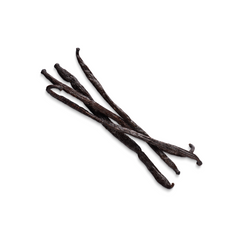
Vanilla

20–25% of blend

Vanillin and related compounds mask coffee’s bitterness and add creamy sweetness, enhancing the overall comfort and longevity.

20%

Benzoin

15–20% of blend

Benzoin’s benzyl benzoate and vanillin-like molecules contribute balsamic, creamy facets, rounding the edges of the coffee note.

30%

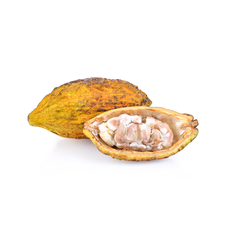
Cacao

25–30% of blend

Cacao’s pyrazines and theobromine reinforce the roasted, chocolatey aspects, creating a seamless gourmand bridge with coffee.

The Olfactory Layers

How Roasted Coffee Beans Evolves on Skin

Roasted coffee beans evolve from a sharp, roasted opening to a creamy, lingering base. High-volatility pyrazines dominate the top, while heavier lactones and phenolics anchor the drydown.

I
Top notes
0–15 min
Toasted Bittersweet

The initial impression is dominated by high-volatility pyrazines and furans, delivering a sharp, toasty, and slightly bitter aroma reminiscent of freshly ground beans. These molecules evaporate quickly, providing immediate impact.

toastybitteraromatic
II
Heart notes
20–60 min
Nutty Creaminess

As the top fades, mid-weight compounds like guaiacol and methylfurans emerge, adding creamy, nutty, and chocolate-like nuances. The scent becomes rounder and more gourmand, with subtle caramel undertones.

nuttycreamygourmand
III
Base notes
Several hours
Lingering Warmth

The drydown is anchored by heavier phenolics and lactones, which impart a lingering warmth and subtle sweetness. The roasted character persists, softened by vanilla, amber, or woods if present in the composition.

warmsweetlingering
TOP NOTES Toasted Bittersweet 0–15 minutes HEART NOTES Nutty Creaminess 20–60 minutes BASE NOTES Lingering Warmth Several hours
Through the Ages

The Story of Roasted Coffee Beans in Perfumery

Roasted coffee beans have transitioned from culinary staple to perfumery icon, with key milestones marking their evolution in scent design.

19th Century

Early Use of Coffee Extracts

Coffee tinctures and infusions appear in apothecary records in France and Italy, primarily for medicinal and flavoring purposes rather than fine fragrance.

1996

Mugler A*Men Launches

Thierry Mugler’s A*Men (Jacques Huclier) introduces a bold coffee note in mainstream perfumery, paired with patchouli and caramel, setting a precedent for gourmand scents.

2013

Montale Intense Café Debuts

Montale’s Intense Café becomes a cult favorite, using a photorealistic coffee and rose accord. It influences a wave of niche coffee fragrances.

2014

YSL Black Opium Redefines Gourmand

Black Opium (Nathalie Lorson et al.) makes coffee a mainstream signature, blending it with vanilla and florals for mass appeal.

2020s

Niche and Indie Expansion

Indie brands and niche houses, such as Strangers Parfumerie and Akro, explore coffee’s darker, smokier, and more experimental facets, often using natural absolutes and CO₂ extracts.

The Art of Layering

How to Layer Roasted Coffee Beans

Understanding how to layer roasted coffee beans is key to creating a multidimensional scent. Molecular compatibility—such as shared pyrazines with cacao or vanillin with vanilla—enables seamless blending and olfactory masking.

01

Enhance Sweetness

Layer roasted coffee beans with vanilla or tonka bean fragrances. Vanillin and coumarin molecules mask bitterness and amplify creamy, dessert-like facets. Montale Intense Café and By Kilian Intoxicated demonstrate this synergy.

02

Add Depth

Combine with woody or spicy notes—such as sandalwood, cedar, or cardamom. Lignin-derived molecules in woods and terpenes in spices create a rich, complex base. Akro Awake (coffee and cardamom) exemplifies this pairing.

03

Lighten the Blend

Pair with florals (rose, orange blossom) or citrus (bergamot) to lift the heaviness of coffee. Shared aldehydes and esters create a bright, uplifting contrast, as seen in Maison Martin Margiela Coffee Break.

Wear It Right

How to Wear Roasted Coffee Beans Like a Pro

Seasonal Guide

Fall & Winter

Cooler temperatures suppress volatility, allowing the creamy, nutty, and chocolate-like facets to linger. Apply to pulse points under clothing for a cozy, enveloping effect. Layer with vanilla or amber for added warmth.

Spring

Mild weather enhances the balance between roasted bitterness and sweet undertones. Apply lightly to wrists and neck; consider pairing with florals or citrus for a fresh, uplifting twist.

Summer

Heat increases volatility, amplifying the sharp, roasted top notes and reducing longevity. Use sparingly and focus on lighter concentrations (EDT or body mist). Layer with citrus or aquatic notes for a refreshing contrast.

Year-Round Tip

Adjust application and layering based on climate and skin type. In humid conditions, the scent projects more strongly; in dry environments, moisturize skin beforehand to extend longevity.

Application Points

Strategic application enhances the evolution and projection of roasted coffee beans in fragrance.

1

Neck

Pulse points on the neck radiate heat, accelerating the transition from bitter top notes to creamy heart notes. Ideal for maximizing projection in cooler weather.

2

Behind the Ears

This area is slightly warmer and less exposed, allowing the scent to develop gradually and preserving the gourmand drydown.

3

Inner Wrists

Frequent movement and warmth here amplify the roasted opening, while skin chemistry reveals nuanced sweetness over time.

4

Hair

Spraying lightly on hair extends longevity, as hair fibers trap heavier molecules, releasing the scent slowly throughout the day.

Pro Tip

Layer with a vanilla or benzoin body lotion to enhance creamy facets and extend the coffee note’s presence, especially in dry climates.

Mood Architecture™

Top Roasted Coffee Beans Fragrances by Mood Score

These Roasted Coffee Beans-based fragrances scored highest on the MEI™ Mood Architecture Framework — measuring how a scent may influence your emotional state.

Highest MEI Score
Sensual Instinct — Montale Sensual Instinct Alternative Perfume
7.82
MEI™
Primary Romantic
Secondary Confident
Confidence
7.51
Presence
7.87
Mood Lift
8.27
Identity
7.83
Warmth
8.69
Social Ease
7.75
Energy
3.4
" I am beautiful.
View full mood profile →
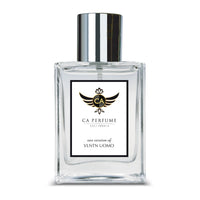
Vlntn Uomo — Uomo Alternative Cologne
#2
Vlntn Uomo — Uomo Alternative Cologne
Starting from $14.99
7.08
MEI™
Primary Fresh
Secondary Romantic
Confidence
6.61
Presence
6.97
Mood Lift
7.93
Identity
7.1
Warmth
7.69
Social Ease
6.85
Energy
3.8
" I am radiant.
View full mood profile →
HumanSafe™

Top Roasted Coffee Beans Fragrances by HumanSafe™ Score

These Roasted Coffee Beans-based fragrances have the highest product-level HumanSafe™ scores in this ingredient collection.

Highest HumanSafe™ Score
Vlntn Uomo — Uomo Alternative Cologne
#1
Vlntn Uomo — Uomo Alternative Cologne
Starting from $14.99
A-
HumanSafe™ Score Generally Safe
Safest Evaluated Ingredients EDP
AQUA Solvent / Carrier ISS 10.0
1H-3A,7-METHANOAZULEN-6-OL, OCTAHYDRO-3,6,8,8- Evaluated ingredient ISS 9.0
3-BUTEN-2-ONE, 3-METHYL-4-(2,6,6-TRIMETHYL-2- Evaluated ingredient ISS 8.0
2H-1-BENZOPYRAN-2-ONE Evaluated ingredient ISS 8.0
2-HEXENE, 6,6-DIMETHOXY-2,5,5-TRIMETHYL- Evaluated ingredient ISS 8.0
LINALYL ACETATE Evaluated ingredient ISS 7.0
View full safety profile →
Sensual Instinct — Montale Sensual Instinct Alternative Perfume
A-
HumanSafe™ Score Generally Safe
Safest Evaluated Ingredients EDP
AQUA Solvent / Carrier ISS 10.0
HEXYL SALICYLATE Evaluated ingredient ISS 9.0
AMBROXIDE Evaluated ingredient ISS 9.0
BENZOIC ACID, 2,4-DIHYDROXY-3,6-DIMETHYL-, METHYL Evaluated ingredient ISS 7.0
View full safety profile →
Expert Voices

What Masters Say About Roasted Coffee Beans

The coffee note in Black Opium is a modern icon—its roasted, bitter edge is softened by vanilla and white florals, creating a new standard for gourmand fragrances.
CA Perfume Editorial
Roasted coffee beans absolute is a complex, variable material—no two batches are identical, and that’s part of its olfactory charm.
CA Perfume Editorial
Common Questions

Frequently Asked Questions

Answers to common questions about roasted coffee beans in perfumery.

Roasted coffee beans in perfume smell rich, toasty, and nutty, with pronounced bitterness and subtle chocolate and caramel undertones. The aroma is shaped by pyrazines, furans, and phenolic compounds, delivering an authentic café-like experience. Notable examples include Montale Intense Café and YSL Black Opium, where the coffee note anchors the composition and evolves from sharp bitterness to creamy sweetness.

Roasted coffee beans are typically used as a heart or base note due to their low volatility and tenacity. Their heavy molecular weight allows them to persist for hours, anchoring lighter top notes and providing depth. In some compositions, the coffee note is detectable in the opening, but its true character emerges as the fragrance develops.

Niche perfumery values roasted coffee beans for their complexity, versatility, and ability to evoke comfort and sophistication. The note’s molecular richness allows perfumers to create photorealistic, gourmand, or smoky effects, often paired with vanilla, rose, or woods. Its distinctive aroma appeals to consumers seeking unique, memorable scent experiences.

Roasted coffee beans fragrance uses include pairing with vanilla, cacao, benzoin, amber, sandalwood, and rose. These notes share molecular affinities—such as vanillin, pyrazines, and phenolics—that create harmonious, multidimensional accords. Spices like cardamom and nutmeg also complement coffee’s warmth.

While roasted coffee beans are often associated with fall and winter, they can be worn in summer when paired with lighter notes like citrus or florals. In hot weather, the note’s volatility increases, so apply sparingly and consider using EDT concentrations for a fresher effect.

A fragrance with roasted coffee beans as a dominant note typically lasts 4–6 hours in EDP format, depending on concentration, skin chemistry, and environmental conditions. Oil-based and extrait formats may extend longevity, while lighter concentrations evolve more quickly.

Yes, roasted coffee beans can be layered with vanilla, amber, woods, or florals to create custom blends. Molecular compatibility—such as shared pyrazines and vanillin—ensures smooth transitions and enhances both sweetness and depth. Apply the coffee fragrance first, then layer complementary notes for best results.

Beginner-friendly options include YSL Black Opium (creamy, sweet coffee), Montale Intense Café (coffee and rose), and Maison Martin Margiela Coffee Break (creamy, lactonic coffee). These fragrances balance the coffee note with accessible gourmand or floral elements.

Consider your preferred style—gourmand, woody, or floral—and look for blends where roasted coffee beans are paired with notes you enjoy. CA Perfume offers a range of options, each with detailed scent pyramids and ingredient transparency via the HumanSafe™ platform.

Roasted coffee beans can smell both sweet and bitter, depending on the blend. The initial impression is often bitter and toasty due to pyrazines, but as the fragrance evolves, sweet, creamy, and chocolate-like facets emerge, especially when paired with vanilla or benzoin.

Gourmand Collection

Explore Our Top Roasted Coffee Beans Fragrances

Discover best-selling perfumes featuring roasted coffee beans, from creamy gourmands to smoky, woody blends.

Shop all roasted coffee beans fragrances at CA Perfume →

Where Roasted Coffee Beans Comes From — Origin & Extraction

Roasted Coffee Beans used in perfumery are primarily sourced from Coffea arabica (approx. 60% of global production) and Coffea canephora (Robusta, 30–40%), with Brazil, Colombia, and Ethiopia as the leading producers. Brazil alone accounts for roughly 35% of global coffee output, with annual production exceeding 3 million metric tons. Colombian beans, especially from the Eje Cafetero region, are hand-harvested on steep volcanic slopes, resulting in a nuanced, caramel-sweet aroma. Ethiopian coffees, particularly from Yirgacheffe, are prized for their floral and fruity complexity. Extraction for perfumery typically involves solvent extraction (using hexane or ethanol) or supercritical CO₂ extraction, both of which preserve the delicate volatile compounds responsible for coffee’s aroma. Steam distillation is less common, as high temperatures can degrade key molecules such as 2-furfurylthiol and methylpyrazines. Yields are low—producing 1 kg of coffee absolute may require up to 100 kg of roasted beans, contributing to a cost of $3,000–6,000/kg for natural extracts. Synthetic analogs (e.g., 2-furfurylthiol, methylpyrazine) are significantly less expensive, at $50–200/kg. Sustainability is a concern: coffee cultivation is associated with deforestation and high water usage. However, shade-grown and Rainforest Alliance-certified coffees are increasingly used for natural extraction, and CO₂ extraction is favored for its lower environmental impact and solvent-free residue.

Famous Fragrances That Define Roasted Coffee Beans in Perfumery

Roasted coffee beans have become a signature note in both niche and designer perfumery, often anchoring gourmand, woody, and oriental compositions. In Yves Saint Laurent Black Opium (2014, perfumers Nathalie Lorson, Marie Salamagne, Olivier Cresp, Honorine Blanc), coffee is the heart of a modern gourmand, paired with vanilla and white florals for a creamy, addictive effect. Montale Intense Café (2013) uses a photorealistic coffee note blended with rose and vanilla, creating a rich, enveloping sillage. Maison Martin Margiela Coffee Break (2019, perfumer Jacques Cavallier) explores a creamy, lactonic coffee accord with lavender and tonka bean, evoking the comfort of a café au lait. By Kilian Intoxicated (2014, Calice Becker) showcases a spicy, cardamom-laced coffee accord, while Akro Awake (2018, Olivier Cresp) is a minimalist, hyper-realistic espresso with hazelnut and cardamom. In the indie sphere, Strangers Parfumerie Roasted Coffee Cigarette Whisky (2020, Prin Lomros) layers coffee with tobacco, whiskey, and suede for a smoky, atmospheric effect. These fragrances demonstrate the versatility of roasted coffee beans as both a dominant and supporting note, often paired with vanilla, rose, amber, or spices. CA Perfume’s collection draws inspiration from this lineage, offering both classic and contemporary interpretations.

Natural vs Synthetic Roasted Coffee Beans in Perfumery

Natural roasted coffee beans absolute is chemically complex, containing hundreds of volatile compounds such as 2-furfurylthiol (CAS 98-02-2), methylpyrazine (CAS 109-08-0), and guaiacol (CAS 90-05-1). These contribute to the rich, evolving aroma but also introduce batch variability and limited stability. Natural extracts are costly ($3,000–6,000/kg), have moderate longevity, and can be inconsistent due to agricultural factors. Synthetic substitutes, including 2-furfurylthiol, methylpyrazine, and furfuryl acetate (CAS 623-14-3), offer greater olfactory consistency, enhanced stability, and lower cost ($50–200/kg). They are widely used in mainstream perfumery for their ability to replicate the roasted, nutty, and caramelized facets of coffee. Notable fragrances such as Yves Saint Laurent Black Opium and Maison Martin Margiela Coffee Break utilize synthetic coffee notes for projection and reliability. Sustainability is improved with synthetics, as they reduce pressure on coffee agriculture and allow for vegan, allergen-controlled formulations. The HumanSafe™ platform at CA Perfume ensures full traceability and transparency for both natural and synthetic coffee notes, with IFRA compliance and allergen disclosure.