Ingredient Guide · Woody Aromatic
Woody Aromatic Family · Perfumery Note

Precious Woods

A natural blend of woods inspired by Indian forests

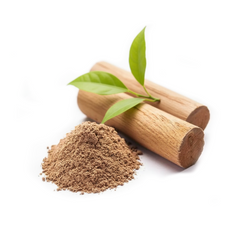
Precious Woods in perfumery is a woody, creamy, and resinous note combining sandalwood, cedarwood, vetiver, and pine. It typically appears as a heart or base note at 1-5% concentration.

Precious Woods
Ingredient Profile

Precious Woods

Woody Aromatic Family
Family Woody Aromatic
Note Position Base Note
Usage Level 1–5%
Key Origins India, New Caledonia, United States (Virginia)
Iconic In Precious Woods, Precious Woods
The Ingredient

What does Precious Woods smell like and why is it significant in perfumery?

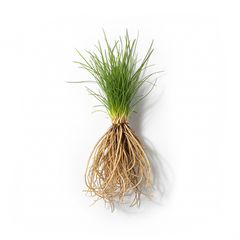
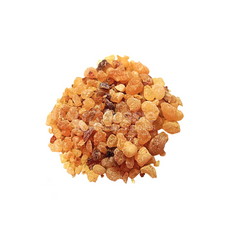
Precious Woods in perfumery refers to a complex blend of high-value wood notes including sandalwood (Santalum spp.), cedarwood (Cedrus spp.), vetiver (Chrysopogon zizanioides), pine (Pinus spp.), and sometimes agarwood (Aquilaria spp.). The scent profile is characterized by creamy, milky, and soft woody facets from sandalwood, sharp and resinous freshness from cedarwood, earthy and smoky depth from vetiver, and crisp resinous pine notes. These molecular characteristics arise from compounds such as santalol in sandalwood, cedrol in cedarwood, vetiveryl acetate in vetiver, and pinene in pine. In perfumery, Precious Woods are primarily used as heart and base notes, typically at concentrations ranging from 1% to 5% in compositions. Their rich, grounding aroma interacts variably with skin chemistry, often evolving over hours from creamy and soft to more resinous and dry woody nuances. This complexity makes them valuable for creating sophisticated woody accords. Notable fragrances exemplifying Precious Woods include April Aromatics' Precious Woods (2012) by Tanja Bochnig, which captures an Indian forest after rain with sandalwood, cedarwood, myrrh, pine, and vetiver; and The Merchant of Venice's Precious Woods (2018) by Maurizio Cerizza, featuring incense, birch, labdanum, and cypriol alongside sandalwood and vetiver. These perfumes demonstrate the versatility and depth Precious Woods bring to both unisex and gender-specific scents.

1–5%
Typical concentration range of Precious Woods oils in Eau de Parfum formulations, balancing richness and wearability.
4–6 Hours
Average longevity of natural Precious Woods perfumes on skin, influenced by oil quality and skin chemistry.
3–5%
Essential oil yield from Indian sandalwood heartwood, reflecting its rarity and cost.
Origin & Extraction

Where Precious Woods Comes From — Origin & Extraction

Precious Woods derive from diverse geographic regions, each contributing unique olfactory characteristics influenced by soil, climate, and harvesting practices. These origins shape the scent profile and quality of the woods used in perfumery.

Precious Woods in perfumery are derived from several botanical sources. Sandalwood primarily comes from Santalum album (Indian sandalwood) and Santalum austrocaledonicum (New Caledonian sandalwood). Indian sandalwood is historically the most prized, but its export is now restricted by the Indian government due to conservation efforts. New Caledonian sandalwood offers a similar creamy profile. Cedarwood is sourced from Cedrus deodara in the Himalayas and Cedrus virginiana in the USA (Virginia), both valued for their sharp, resinous aroma. Vetiver is extracted from the roots of Chrysopogon zizanioides, with Bourbon vetiver from Reunion Island and Indian vetiver being the most esteemed for perfumery due to their rich, earthy, and smoky qualities. Pine notes are obtained from various Pinus species through steam distillation of needles and twigs, yielding a fresh, resinous oil. Extraction methods for these woods include steam distillation for vetiver and pine, solvent extraction or CO2 extraction for sandalwood and cedarwood to preserve delicate aromatic compounds. Yields vary: sandalwood oil yields are low, approximately 3-5% from heartwood, making it expensive (up to $3,000–6,000/kg). Vetiver oil yields around 1-2%, cedarwood oil is more abundant and less costly. Sustainability concerns are significant, especially for Indian sandalwood and agarwood, leading to increased use of plantation-grown woods and synthetic substitutes. Synthetic molecules such as santalol analogs and cedrol derivatives are used to supplement natural extracts, ensuring supply stability and environmental responsibility.

IN

India

India is the primary source of Santalum album (Indian sandalwood), prized for its creamy, milky aroma. Indian sandalwood grows in dry, deciduous forests with sandy soil, mainly in Karnataka and Tamil Nadu. Production is tightly regulated due to conservation efforts, with annual exports limited. The wood is hand-harvested after 30-50 years of growth, yielding 3-5% essential oil.

NC

New Caledonia

New Caledonia produces Santalum austrocaledonicum, a sandalwood species with a softer, less pungent profile than Indian sandalwood. Grown in tropical, humid climates with volcanic soil, it offers sustainable plantation harvesting. Oil yields are similar but slightly lower, with a creamy woody scent favored in niche perfumery.

US

United States (Virginia)

Virginia cedarwood (Juniperus virginiana) grows in temperate forests with well-drained soils. It produces a sharp, pencil-lead-like woody aroma. The wood is harvested sustainably, with steam distillation yielding cedarwood oil used for its fresh, resinous notes.

RE

Reunion Island

Reunion Island is a key producer of Bourbon vetiver (Chrysopogon zizanioides), known for its rich, earthy, and smoky root oil. The tropical volcanic soil and humid climate contribute to the oil's complexity. Vetiver roots are harvested after 18-24 months, with steam distillation yielding 1-2% oil.

Chemistry

Natural vs Synthetic Precious Woods in Perfumery

Natural Precious Woods oils, such as sandalwood, cedarwood, vetiver, and pine, provide complex, evolving scent profiles with subtle nuances that synthetic molecules often struggle to replicate fully. Natural sandalwood oil contains α- and β-santalol (CAS 126-58-9), which impart creamy, milky, and balsamic notes. Cedarwood oil is rich in cedrol (CAS 77-53-2), contributing woody, slightly resinous facets. Vetiver oil contains vetiveryl acetate (CAS 32388-55-9), offering earthy and smoky aromas. Synthetic substitutes include Sandalore and Polysantol for sandalwood, which enhance longevity and projection but can lack the depth of natural oils. Synthetic cedrol analogs provide sharper, cleaner woody notes with greater stability. Vetiveryl acetate is sometimes synthesized to ensure consistent quality. Cost differentials are notable: natural sandalwood oil can cost $3,000–6,000/kg, while synthetics range $50–200/kg. Natural oils often have shorter longevity and softer diffusion compared to synthetics, which are engineered for performance. Famous fragrances like April Aromatics' Precious Woods use 100% natural oils, embracing the fleeting, intimate nature of natural perfumery. In contrast, many designer fragrances blend natural and synthetic woods for balance. CA Perfume's approach prioritizes transparency through the HumanSafe™ platform, ensuring ingredient sourcing, safety, and environmental impact are clearly communicated.

Natural
Precious Woods Absolute
Cost $3,000–6,000/kg
Method Solvent / CO₂
Character Complex, variable
vs
Synthetic
Safranal & Analogues
Cost $50–200/kg
Method Lab synthesis
Character Consistent, stable
Hall of Fame

Famous Fragrances That Define Precious Woods in Perfumery

2012
dominant note

Precious Woods

April Aromatics
by Tanja Bochnig
MyrrhPineVetiverCedarwoodSandalwood
2018
base note

Precious Woods

The Merchant of Venice
by Maurizio Cerizza
IncenseBirchLabdanumCypriolPatchouliVetiverSandalwood
2019
heart note

Kalan

Parfums de Marly
RoseVanilla
2015
base note

Larmes du Désert

Atelier des Ors
AmberResins
2015
supporting note

By the Fireplace

Maison Martin Margiela
by Dominique Ropion
Smoky WoodChestnutVanilla

Precious Woods has been a defining note in several landmark fragrances, showcasing its versatility and depth. April Aromatics' Precious Woods (2012), crafted by Tanja Bochnig, is a natural perfume that evokes the scent of an Indian forest after rain with prominent sandalwood, cedarwood, pine, myrrh, and vetiver notes. It serves as a dominant note, creating a rich, grounding woody aromatic experience. The Merchant of Venice's Precious Woods (2018), by Maurizio Cerizza, features a complex blend of incense, birch, sandalwood, labdanum, cypriol, patchouli, and vetiver. Here, Precious Woods acts as a warm, enveloping base note, paired with spicy saffron and resinous olibanum. Parfums de Marly's Kalan (2019) uses precious woods to add a creamy, woody heart, blending with rose and vanilla. Atelier des Ors' Larmes du Désert (2015) incorporates woody notes to evoke desert landscapes, with precious woods providing a dry, resinous base. Maison Martin Margiela's Replica By the Fireplace (2015) uses woody accords to simulate smoky warmth, with precious woods enhancing the cozy effect. CA Perfume recognizes these fragrances as exemplars of precious woods' role in creating sophisticated, multi-layered woody accords.

The Accord

How is a captivating Precious Woods accord crafted?

A Precious Woods accord typically blends 25-30% Sandalwood for its creamy, milky softness, 20-25% Cedarwood to add sharpness and resinous freshness, 15-20% Vetiver for earthy depth and smokiness, and 20-25% Pine to provide crisp, resinous brightness. This combination balances softness and sharpness, with sandalwood's santalol molecules harmonizing with cedarwood's cedrol and vetiver's vetiveryl acetate, while pine's pinene adds volatility and lift. The accord totals 90-100% of the blend, creating a complex, layered woody fragrance foundation.

30%

Sandalwood

25–30% of blend

Provides creamy, milky, and soft woody richness due to high santalol content, forming the accord's warm core.

25%

Cedarwood

20–25% of blend

Adds sharp, clean, and resinous facets from cedrol molecules, enhancing freshness and structure.

20%

Vetiver

15–20% of blend

Contributes earthy, smoky depth through vetiveryl acetate, grounding the accord with complexity.

25%

Pine

20–25% of blend

Introduces crisp, resinous brightness and volatility via pinene, balancing the accord's weight.

The Olfactory Layers

How Precious Woods Evolves on Skin

Precious Woods evolve through a layered olfactory pyramid, beginning with volatile pine and cedarwood notes that evaporate within 15 minutes, followed by a heart of creamy sandalwood and earthy vetiver lasting up to an hour, and concluding with a base of resinous myrrh and patchouli that can persist for several hours, providing depth and longevity.

I
Top notes
0–15 min
Fresh Resinous Opening

The initial impression features high-volatility compounds like α-pinene from pine and cedrol from cedarwood, delivering fresh, resinous, and slightly sharp woody aromas that provide brightness and lift.

FreshResinousBright
II
Heart notes
20–60 min
Creamy and Earthy Core

Mid-volatility molecules such as santalol from sandalwood and vetiveryl acetate from vetiver emerge, creating a creamy, milky, and earthy woody character that forms the accord's core complexity.

CreamyEarthyWoody
III
Base notes
Several hours
Warm Resinous Drydown

Low-volatility resins and balsams like myrrh and patchouli provide a warm, rich, and slightly sweet woody foundation that anchors the fragrance and extends its longevity.

WarmRichLong-lasting
TOP NOTES Fresh Resinous Opening 0–15 minutes HEART NOTES Creamy and Earthy Core 20–60 minutes BASE NOTES Warm Resinous Drydown Several hours
Through the Ages

The Story of Precious Woods in Perfumery

The history of Precious Woods in perfumery spans from ancient uses of sandalwood and cedarwood in religious and medicinal contexts to modern niche and luxury fragrance applications, highlighting key milestones in extraction and composition.

Antiquity

Ancient Use of Sandalwood and Cedarwood

Sandalwood and cedarwood were used in ancient India and Egypt for religious ceremonies, incense, and medicinal purposes, establishing their early aromatic significance.

1929

First Recorded Use of Precious Woods Note in Modern Perfumery

Precious Woods began appearing as a distinct note in perfumery compositions, marking the start of its formal olfactory classification.

1959

Guerlain's Vetiver Launch

Guerlain introduced Vetiver (1959), a fragrance that prominently featured vetiver root oil, elevating woody notes in mainstream perfumery.

2012

Launch of April Aromatics' Precious Woods

Tanja Bochnig created Precious Woods, a natural perfume capturing the essence of an Indian forest, showcasing the complexity of precious wood notes.

2018

The Merchant of Venice Precious Woods Release

Maurizio Cerizza crafted Precious Woods for The Merchant of Venice, blending classic raw materials like sandalwood, birch, and labdanum in a modern oriental woody fragrance.

The Art of Layering

How to Layer Precious Woods

Understanding how to layer Precious Woods involves molecular compatibility and olfactory synergy. Layering enhances complexity and personalizes scent expression.

01

Enhance Sweetness

Pair Precious Woods with vanilla or tonka bean. Vanillin masks sandalwood's slight bitterness, softening the woody edge and creating a warm, gourmand effect. This combination is seen in Parfums de Marly's Kalan.

02

Add Depth

Layer with incense or myrrh to deepen resinous facets. The shared balsamic compounds create a seamless transition, enriching the base and evoking sacred wood smoke, as in The Merchant of Venice's Precious Woods.

03

Lighten the Glow

Combine with citrus notes like bergamot or grapefruit. The fresh top notes brighten the heavy woods, balancing volatility and adding a sparkling lift, useful for spring and summer wear.

Wear It Right

How to Wear Precious Woods Like a Pro

Seasonal Guide

Fall & Winter

Cooler temperatures slow evaporation, enhancing the creamy and resinous base notes of sandalwood and myrrh. Apply moderately for a warm, enveloping effect that suits cold weather.

Spring

Mild temperatures allow balanced diffusion of fresh pine and cedarwood top notes with the creamy heart. Layer with light florals or citrus for freshness.

Summer

Heat increases volatility, emphasizing sharper pine and cedar facets. Use sparingly to avoid overpowering freshness; layering with aquatic or citrus notes can temper the warmth.

Year-Round Tip

Layer Precious Woods with complementary notes like rose or vanilla to modulate intensity and create versatile seasonal wear.

Application Points

Strategic application enhances Precious Woods' olfactory impact and longevity.

1

Neck

Pulse points at the neck provide warmth that activates woody molecules, enhancing projection and scent evolution.

2

Behind the Ears

This area offers subtle diffusion with moderate heat, ideal for intimate sillage of creamy sandalwood and vetiver.

3

Inner Wrists

Wrists allow for easy reapplication and moderate heat, supporting the fresh pine and cedar top notes.

4

Hair

Hair fibers hold fragrance longer, releasing woody notes gradually with movement and warmth.

★

Pro Tip

Apply Precious Woods on moisturized skin to enhance longevity and soften sharper woody edges.

Mood Architecture™

Top Precious Woods Fragrances by Mood Score

These Precious Woods-based fragrances scored highest on the MEI™ Mood Architecture Framework — measuring how a scent may influence your emotional state.

Highest MEI Score
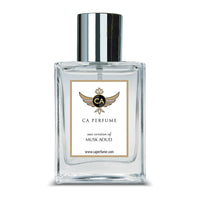
Musk Aoud — Roja Dove Musk Aoud Alternative Perfume
7.8
MEI™
Primary Romantic
Secondary Confident
Confidence
7.35
Presence
8.1
Mood Lift
8.1
Identity
7.75
Warmth
9.5
Social Ease
7.44
Energy
3.95
" I am beautiful.
View full mood profile →
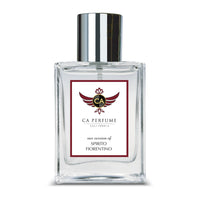
Spirito Fiorentino — Tiziana Terenzi Spirito Fiorentino Alternative Perfume
7.0
MEI™
Primary Romantic
Secondary Confident
Confidence
6.9
Presence
7.75
Mood Lift
7.08
Identity
7.2
Warmth
7.75
Social Ease
6.55
Energy
3.5
" I am beautiful.
View full mood profile →
La Libella — Lalibela Alternative Perfume
6.3
MEI™
Primary Romantic
Secondary Confident
Confidence
5.95
Presence
6.7
Mood Lift
6.83
Identity
6.32
Warmth
6.78
Social Ease
6.25
Energy
2.25
" I am beautiful.
View full mood profile →
HumanSafe™

Top Precious Woods Fragrances by HumanSafe™ Score

These Precious Woods-based fragrances have the highest product-level HumanSafe™ scores in this ingredient collection.

Highest HumanSafe™ Score
Spirito Fiorentino — Tiziana Terenzi Spirito Fiorentino Alternative Perfume
A-
HumanSafe™ Score Generally Safe
Safest Evaluated Ingredients EDP
AQUA Solvent / Carrier ISS 10.0
CYCLOHEXANEPROPANOL, 2,2,6-TRIMETHYL-.ALPHA.-PROPYL- Evaluated ingredient ISS 7.0
BENZOIC ACID, 2,4-DIHYDROXY-3,6-DIMETHYL-, METHYL Evaluated ingredient ISS 7.0
ALCOHOL DENAT. Solvent / Carrier ISS 7.0
1-[(2-TERT-BUTYL)CYCLOHEXYLOXY]-2-BUTANOL Evaluated ingredient ISS 7.0
D-LIMONENE Evaluated ingredient ISS 6.8
View full safety profile →
Musk Aoud — Roja Dove Musk Aoud Alternative Perfume
A-
HumanSafe™ Score Generally Safe
Safest Evaluated Ingredients EDP
OXACYCLOHEPTADEC-10-EN-2-ONE Evaluated ingredient ISS 10.0
AQUA Solvent / Carrier ISS 10.0
1,4-DIOXACYCLOHEPTADECANE-5,17-DIONE Evaluated ingredient ISS 10.0
3-HEPTEN-2-ONE, 3,4,5,6,6-PENTAMETHYL- Evaluated ingredient ISS 9.0
3-BUTEN-2-ONE, 3-METHYL-4-(2,6,6-TRIMETHYL-2- Evaluated ingredient ISS 8.0
LINALOOL Evaluated ingredient ISS 7.0
View full safety profile →
La Libella — Lalibela Alternative Perfume
A-
HumanSafe™ Score Generally Safe
Safest Evaluated Ingredients EDP
AQUA Solvent / Carrier ISS 10.0
BENZYL SALICYLATE Evaluated ingredient ISS 9.0
1,6,10-DODECATRIEN-3-OL, 3,7,11-TRIMETHYL- Evaluated ingredient ISS 8.0
LINALOOL Evaluated ingredient ISS 7.0
ALCOHOL DENAT. Solvent / Carrier ISS 7.0
2,6-DI-TERT-BUTYL-P-CRESOL Evaluated ingredient ISS 7.0
View full safety profile →
Expert Voices

What Masters Say About Precious Woods

“
Precious Woods is a woody perfume lover’s dream come true. It envelops you in a warm and earthy cloud of bliss, inspired by the smell of a deep forest after a rainstorm, with true sandalwood and rich cedarwood from the Himalayas and Virginia.
John Riesinger, Senior Editor, CaFleureBon
“
Precious Woods blends sandalwood, cedarwood, vetiver, and pine to create a complex, grounding fragrance that evolves subtly over time, much like walking repeatedly through the same forest and discovering new olfactory details.
CA Perfume Editorial
Common Questions

Frequently Asked Questions

Frequently asked questions about Precious Woods in perfumery.

Precious Woods in perfume smells like a complex blend of creamy sandalwood, sharp cedarwood, earthy vetiver, and resinous pine. It evokes the scent of a lush forest after rain, combining milky softness with fresh resinous and smoky undertones. Notable perfumes like April Aromatics' Precious Woods (2012) exemplify this natural woody aroma.

Precious Woods typically functions as a heart or base note in fragrances. The initial fresh pine and cedarwood facets may appear in the top notes but the creamy sandalwood and earthy vetiver form the heart, while resins and patchouli create a lasting base, providing depth and longevity.

Precious Woods are favored in niche perfumery for their natural complexity, evolving scent profile, and ability to convey authenticity. Their rich, grounding aroma creates sophisticated woody accords that appeal to connoisseurs seeking depth and natural ingredients, as seen in April Aromatics' offerings.

Precious Woods fragrance uses pair well with vanilla and tonka bean to soften woody edges, incense and myrrh to deepen resinous facets, and citrus notes like bergamot to brighten the composition. These combinations enhance molecular synergy and olfactory balance.

Precious Woods can be worn in summer, but heat increases volatility, emphasizing sharper pine and cedar notes. Light application or layering with fresh citrus or aquatic notes helps temper intensity, making it suitable for warmer climates.

Natural Precious Woods perfumes generally last 4 to 6 hours on skin, with longevity influenced by oil quality, concentration, and individual skin chemistry. Parfum and oil formats extend wear time compared to Eau de Toilette.

Yes, layering Precious Woods with complementary notes like rose, vanilla, or incense enhances complexity and personalizes scent expression. Layering techniques consider molecular compatibility to avoid olfactory clashes.

April Aromatics' Precious Woods (2012) offers a natural, approachable woody scent with balanced complexity. The Merchant of Venice's Precious Woods (2018) provides a richer, resinous experience. Both are excellent entry points to woody niche perfumes.

Consider your preference for natural versus blended woods, desired intensity, and seasonal wear. CA Perfume's HumanSafe™ platform provides transparency on ingredient sourcing and concentration to help select fragrances that match your olfactory and ethical preferences.

Precious Woods primarily smells woody and creamy with subtle sweet undertones from sandalwood and balsamic resins. Spicy facets may appear when combined with saffron or cypriol but are not dominant in pure precious wood accords.

Woody Aromatic Collection

Explore Our Top Precious Woods Fragrances

Discover expertly crafted perfumes featuring precious woods, blending natural and synthetic notes for rich, woody experiences.

Shop all precious woods fragrances at CA Perfume →

Where Precious Woods Comes From — Origin & Extraction

Precious Woods in perfumery are derived from several botanical sources. Sandalwood primarily comes from Santalum album (Indian sandalwood) and Santalum austrocaledonicum (New Caledonian sandalwood). Indian sandalwood is historically the most prized, but its export is now restricted by the Indian government due to conservation efforts. New Caledonian sandalwood offers a similar creamy profile. Cedarwood is sourced from Cedrus deodara in the Himalayas and Cedrus virginiana in the USA (Virginia), both valued for their sharp, resinous aroma. Vetiver is extracted from the roots of Chrysopogon zizanioides, with Bourbon vetiver from Reunion Island and Indian vetiver being the most esteemed for perfumery due to their rich, earthy, and smoky qualities. Pine notes are obtained from various Pinus species through steam distillation of needles and twigs, yielding a fresh, resinous oil. Extraction methods for these woods include steam distillation for vetiver and pine, solvent extraction or CO2 extraction for sandalwood and cedarwood to preserve delicate aromatic compounds. Yields vary: sandalwood oil yields are low, approximately 3-5% from heartwood, making it expensive (up to $3,000–6,000/kg). Vetiver oil yields around 1-2%, cedarwood oil is more abundant and less costly. Sustainability concerns are significant, especially for Indian sandalwood and agarwood, leading to increased use of plantation-grown woods and synthetic substitutes. Synthetic molecules such as santalol analogs and cedrol derivatives are used to supplement natural extracts, ensuring supply stability and environmental responsibility.

Famous Fragrances That Define Precious Woods in Perfumery

Precious Woods has been a defining note in several landmark fragrances, showcasing its versatility and depth. April Aromatics' Precious Woods (2012), crafted by Tanja Bochnig, is a natural perfume that evokes the scent of an Indian forest after rain with prominent sandalwood, cedarwood, pine, myrrh, and vetiver notes. It serves as a dominant note, creating a rich, grounding woody aromatic experience. The Merchant of Venice's Precious Woods (2018), by Maurizio Cerizza, features a complex blend of incense, birch, sandalwood, labdanum, cypriol, patchouli, and vetiver. Here, Precious Woods acts as a warm, enveloping base note, paired with spicy saffron and resinous olibanum. Parfums de Marly's Kalan (2019) uses precious woods to add a creamy, woody heart, blending with rose and vanilla. Atelier des Ors' Larmes du Désert (2015) incorporates woody notes to evoke desert landscapes, with precious woods providing a dry, resinous base. Maison Martin Margiela's Replica By the Fireplace (2015) uses woody accords to simulate smoky warmth, with precious woods enhancing the cozy effect. CA Perfume recognizes these fragrances as exemplars of precious woods' role in creating sophisticated, multi-layered woody accords.

Natural vs Synthetic Precious Woods in Perfumery

Natural Precious Woods oils, such as sandalwood, cedarwood, vetiver, and pine, provide complex, evolving scent profiles with subtle nuances that synthetic molecules often struggle to replicate fully. Natural sandalwood oil contains α- and β-santalol (CAS 126-58-9), which impart creamy, milky, and balsamic notes. Cedarwood oil is rich in cedrol (CAS 77-53-2), contributing woody, slightly resinous facets. Vetiver oil contains vetiveryl acetate (CAS 32388-55-9), offering earthy and smoky aromas. Synthetic substitutes include Sandalore and Polysantol for sandalwood, which enhance longevity and projection but can lack the depth of natural oils. Synthetic cedrol analogs provide sharper, cleaner woody notes with greater stability. Vetiveryl acetate is sometimes synthesized to ensure consistent quality. Cost differentials are notable: natural sandalwood oil can cost $3,000–6,000/kg, while synthetics range $50–200/kg. Natural oils often have shorter longevity and softer diffusion compared to synthetics, which are engineered for performance. Famous fragrances like April Aromatics' Precious Woods use 100% natural oils, embracing the fleeting, intimate nature of natural perfumery. In contrast, many designer fragrances blend natural and synthetic woods for balance. CA Perfume's approach prioritizes transparency through the HumanSafe™ platform, ensuring ingredient sourcing, safety, and environmental impact are clearly communicated.