Ingredient Guide · Woody Aromatic
Woody Aromatic Family · Perfumery Note

Pine Tree

Sharp, resinous, and turpentine-bright pine aroma

Pine Tree in perfumery is a heart note with a fresh, woody, and resinous character derived mainly from Pinus sylvestris needles. Its alpha-pinene content ranges from 7% to 42%, producing a sharp, solvent-like freshness.

Pine Tree
Ingredient Profile

Pine Tree

Woody Aromatic Family
Family Woody Aromatic
Note Position Heart Note
Usage Level 0.25%–1.0%
Key Origins Russia, Canada, France
Iconic In Original Pino Silvestre, Vert d'Encens
The Ingredient

What does Pine Tree smell like and why is it significant in perfumery?

Pine Tree's scent is characterized by a sharp, resinous, turpentine-like aroma primarily due to alpha-pinene (7–42%) and camphene, which contribute a bitter-woody, mineral edge. This produces a fresh, clean, and almost solvent-sharp fragrance reminiscent of freshly scored bark weeping sap in summer heat. The pine scent profile is distinct from other conifers, being drier and more angular. In perfumery, pine tree is classified as a heart note, typically used at concentrations ranging from 0.1% to 1.0% in compositions. Extracted mainly via steam distillation from needles and twigs of Pinus sylvestris and related species, the essential oil's yield varies with needle age and season. Pine oil interacts with skin chemistry by imparting a fresh, resinous warmth that evolves over hours, influenced by body heat and pH. Notable fragrances featuring pine include Creed's Erolfa (2019), where pine blends with bergamot and cyclamen to create a fresh green heart, and Tom Ford's Vert d'Encens (2016), which pairs pine with incense and benzoin for a resinous depth. These examples demonstrate pine's versatility in both fresh and warm fragrance families.

0.25%–1.0%
Typical yield range of pine essential oil from steam distillation of needles and twigs, influenced by needle age and season.
7%–42%
Range of alpha-pinene content in pine essential oil, the primary compound responsible for its sharp, resinous scent.
1%
Maximum IFRA concentration limit for pine essential oil in fine fragrances to minimize sensitization risk.
Origin & Extraction

Where Pine Tree Comes From — Origin & Extraction

Pine essential oil production spans Asia, Europe, and North America, with distinct regional profiles influenced by soil, climate, and species. These geographic factors shape the pine's resin composition and scent character.

Pine Tree essential oil is primarily derived from Scots pine (Pinus sylvestris), though maritime pine (P. pinaster), stone pine (P. pinea), and longleaf pine (P. palustris) also contribute distinct regional variants. The oil is obtained by steam distillation of needles and twigs, with yields ranging from 0.25% to 1.0% depending on needle age, season, and drying conditions. Mature Scots pine woodlands produce approximately 17 kg of essential oil per hectare. The main producing regions include Asia, Europe, and North America, with Canada and Russia being prominent suppliers. The essential oil appears as a pale yellow to amber viscous liquid with medium odor strength. Extraction involves steam distillation at controlled temperatures to preserve volatile terpenes such as alpha-pinene (7–42%), delta-3-carene (5–16%), beta-pinene, camphene, and limonene. Pine oleoresin, tapped from bark incisions, yields turpentine oil rich in alpha-pinene (35–44%) and rosin. Natural pine oil prices vary widely based on purity and origin, with therapeutic-grade oils commanding premium prices. Synthetic pine-derived aroma chemicals like alpha-pinene are produced industrially for perfumery and fragrance synthesis. Sustainability concerns focus on responsible forestry and yield optimization.

RU

Russia

Siberian pine (Pinus sibirica) dominates, producing oil with woody, earthy, and slightly smoky notes. Cold climate and acidic soils yield a resin rich in alpha-pinene (up to 42%). Russia is a major global supplier, with extensive pine forests harvested sustainably.

CA

Canada

Home to Scots pine (Pinus sylvestris) and other species, Canadian pine oil is noted for its fresh, resinous, and clean character. Boreal forest conditions and careful steam distillation yield high-quality essential oil with balanced terpene profiles.

FR

France

Maritime pine (Pinus pinaster) from southwestern France produces balsamic, resinous oils with subtle sweetness. The region's temperate climate and sandy soils influence the oil's softer, warmer facets. French pine oils are prized for perfumery.

US

United States

Longleaf pine (Pinus palustris) and other southern species contribute pine oils with distinct resinous and woody notes. Varied climates and forest management practices impact oil yield and aroma complexity.

Chemistry

Natural vs Synthetic Pine Tree in Perfumery

Natural pine essential oil is extracted from Pinus sylvestris needles and twigs via steam distillation, containing a complex mixture of terpenes such as alpha-pinene (7–42%), delta-3-carene, camphene, and limonene. This natural oil provides authentic resinous, fresh, and woody facets with moderate odor strength and medium volatility. Synthetic pine aroma chemicals include alpha-pinene (CAS 80-56-8), delta-3-carene (CAS 13466-78-9), and alpha-terpineol (CAS 98-55-5). These synthetics offer consistent quality, enhanced stability, and cost-effectiveness, with prices significantly lower than natural oils. Synthetic molecules also provide longer-lasting diffusion and improved formulation flexibility. Famous fragrances like Creed Erolfa and Tom Ford Vert d'Encens utilize natural pine oil, while synthetic pine derivatives are common in industrial and commercial fragrances for their reliability. CA Perfume employs the HumanSafe™ platform to ensure transparency in sourcing and formulation, balancing natural authenticity with synthetic innovation to optimize performance and sustainability.

Natural
Pine Tree Absolute
Cost $3,000–6,000/kg
Method Solvent / CO₂
Character Complex, variable
vs
Synthetic
Safranal & Analogues
Cost $50–200/kg
Method Lab synthesis
Character Consistent, stable
Hall of Fame

Famous Fragrances That Define Pine Tree in Perfumery

1955
dominant note

Original Pino Silvestre

Pino Silvestre
juniper berrieslavendermusk
2016
bridge note

Vert d'Encens

Tom Ford
by Rodrigo Flores-Roux
incensebenzoinpine
2019
heart note

Erolfa

Creed
by Olivier Creed
bergamotcyclamengreen notes
2022
accent

Paradiso

Roberto Cavalli
citrusfloralspine
base note

Enchanted Forest

The Vagabond Prince
pine pitchbalsamwoody notes

Pine Tree has been a distinctive note in several landmark fragrances, showcasing its versatility from fresh green accords to resinous woody depths. 1. Pino Silvestre Original (1955) by Pino Silvestre is a cult classic where pine is the dominant note, paired with juniper berries and lavender to evoke a dense forest atmosphere. 2. Vert d'Encens (2016) by Tom Ford, perfumer Rodrigo Flores-Roux, uses pine as a bridge note alongside incense and benzoin, adding resinous complexity. 3. Erolfa (2019) by Creed, perfumer Olivier Creed, features pine in the heart, blended with bergamot and cyclamen, creating a fresh green character. 4. Paradiso (2022) by Roberto Cavalli incorporates pine with citrus and floral notes, offering a festive, refreshing pine scent. 5. Enchanted Forest (The Vagabond Prince) uses pine pitch as a base note, contributing woody, balsamic, and slightly smoky facets. These fragrances illustrate pine's adaptability across fragrance families and its enduring appeal. CA Perfume's collection reflects this lineage with nuanced pine accords suitable for diverse olfactory preferences.

The Accord

How is a captivating Pine Tree accord crafted?

A balanced pine accord typically blends Pine Needle Oil (40-50%) for sharp resinous freshness, Cedarwood (20-25%) to add woody depth and fixative qualities, Bergamot (15-20%) to introduce bright citrus top notes that soften pine's sharpness, and Lavender (15-20%) for aromatic herbal complexity. The alpha-pinene in pine and bornyl acetate in cedarwood create molecular synergy enhancing the resinous woody character. Bergamot's limonene content masks pine's solvent facets, while lavender's linalool complements pine's terpene profile, resulting in a fresh yet rounded accord.

50%

Pine Needle Oil

40–50% of blend

Provides the sharp, resinous, turpentine-like freshness due to high alpha-pinene content, forming the accord's backbone.

25%

Cedarwood

20–25% of blend

Adds woody depth and fixative properties with bornyl acetate, complementing pine's resinous facets.

20%

Bergamot

15–20% of blend

Introduces bright citrus top notes with limonene, softening pine's sharpness through olfactory masking.

20%

Lavender

15–20% of blend

Contributes aromatic herbal complexity with linalool, harmonizing with pine's terpene profile for balance.

The Olfactory Layers

How Pine Tree Evolves on Skin

Pine Tree's olfactory evolution begins with a sharp, turpentine-like top impression dominated by volatile alpha-pinene molecules evaporating within the first 15 minutes. The heart phase reveals deeper resinous and woody facets as camphene and bornyl acetate emerge over 20 to 60 minutes. Base notes develop over several hours with balsamic and slightly sweet undertones from minor esters and resin acids, providing longevity and a warm, natural finish.

I
Top notes
0–15 min
Sharp Resinous Freshness

The initial impression is bright, sharp, and resinous due to high volatility of alpha-pinene and limonene. This produces a fresh, almost solvent-like aroma reminiscent of pine sap and freshly cut needles.

SharpResinousFresh
II
Heart notes
20–60 min
Woody Mineral Depth

Camphene and beta-pinene contribute bitter-woody and mineral nuances, while bornyl acetate adds a softer, more rounded woody character. The scent feels more resinous and less harsh, evoking forest air and pine bark.

WoodyBitterResinous
III
Base notes
Several hours
Balsamic Warmth

Long-lasting balsamic esters and resin acids provide warmth and subtle sweetness. These compounds act as natural fixatives, extending the pine accord's presence on skin with a dry, woody, and slightly powdery finish.

BalsamicWarmDry
TOP NOTES Sharp Resinous Freshness 0–15 minutes HEART NOTES Woody Mineral Depth 20–60 minutes BASE NOTES Balsamic Warmth Several hours
Through the Ages

The Story of Pine Tree in Perfumery

Pine Tree's use in perfumery and aromatic applications spans ancient to modern times, evolving from medicinal and ritual uses to refined fragrance ingredients.

Antiquity

Ancient Egyptian and Greek Use

Egyptians used pine essential oils in mummification rituals, while Greeks employed pine resin medicinally for its antiseptic properties, marking early aromatic applications.

17th Century

Turpentine Distillation Emerges

The distillation of pine oleoresin to produce turpentine oil became industrialized in Europe, linking pine scent chemistry to solvent production.

19th Century

Pine Oil in Perfume and Industry

Steam distillation of pine needles for essential oil gained prominence, with pine oils used in soaps, disinfectants, and early fragrance compositions.

1955

Launch of Pino Silvestre Original

This fragrance popularized pine as a dominant note in perfumery, combining it with aromatic and woody accords to evoke forest landscapes.

2016

Tom Ford's Vert d'Encens

Pine was innovatively used as a bridge note with incense and benzoin, showcasing resinous complexity in modern niche perfumery.

The Art of Layering

How to Layer Pine Tree

Understanding how to layer pine tree is essential for crafting harmonious compositions. Pine's alpha-pinene shares molecular similarities with citrus terpenes, allowing smooth blending with bergamot or lemon, where limonene masks pine's sharpness. Woody notes like cedarwood contain bornyl acetate, which complements pine's resinous facets through synergistic fixative effects. Herbal notes such as lavender provide linalool, which harmonizes with pine's terpene profile, balancing freshness and warmth. These molecular compatibilities enable layered accords that evolve seamlessly on skin.

01

Enhance Freshness

Layer pine with citrus notes like bergamot to soften pine's sharp alpha-pinene through limonene masking, creating a bright, invigorating blend. Example: Creed Erolfa.

02

Add Depth

Combine pine with cedarwood to leverage bornyl acetate's woody warmth, enhancing resinous complexity and fixative properties. Example: Tom Ford Vert d'Encens.

03

Lighten the Glow

Pair pine with lavender's linalool-rich aroma to introduce herbal softness, balancing pine's resinous sharpness and adding aromatic complexity. Example: Paradiso by Roberto Cavalli.

Wear It Right

How to Wear Pine Tree Like a Pro

Seasonal Guide

Fall & Winter

Cooler temperatures slow terpene evaporation, enhancing pine's resinous warmth and longevity. Apply more liberally for pronounced sillage and cozy forest vibes.

Spring

Moderate warmth balances pine's fresh and woody facets. Layer with floral or citrus notes to complement pine's natural brightness.

Summer

Heat increases volatility, emphasizing sharp, fresh pine top notes but reducing longevity. Use lighter application or blend with aquatic accords for freshness.

Year-Round Tip

Adjust application based on climate; layering pine with complementary notes can modulate intensity and enhance wearability.

Application Points

Strategic application of pine fragrances maximizes olfactory impact and longevity.

1

Neck

Pulse points here emit heat that intensifies pine's volatile terpenes, enhancing projection and freshness.

2

Behind the Ears

Warmth in this area helps pine's resinous heart notes evolve naturally over time.

3

Inner Wrists

Frequent movement increases diffusion, releasing pine's sharp top notes effectively.

4

Hair

Hair fibers retain fragrance oils, allowing pine's scent to linger subtly with natural movement.

Pro Tip

Layer pine fragrances with moisturizers to slow evaporation and enhance scent longevity.

Mood Architecture™

Top Pine Tree Fragrances by Mood Score

These Pine Tree-based fragrances scored highest on the MEI™ Mood Architecture Framework — measuring how a scent may influence your emotional state.

Highest MEI Score
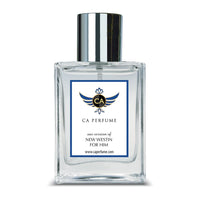
New Westin For Him — New West For Him Alternative Cologne
8.18
MEI™
Primary Magnetic
Secondary Confident
Confidence
8.74
Presence
9.44
Mood Lift
7.75
Identity
8.92
Warmth
8.29
Social Ease
7.34
Energy
5.6
" I am bold.
View full mood profile →
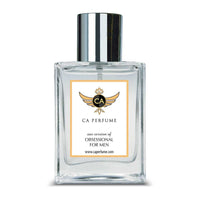
Obsessional For Men — Obsession Alternative Cologne
7.77
MEI™
Primary Romantic
Secondary Confident
Confidence
7.45
Presence
7.38
Mood Lift
8.34
Identity
7.12
Warmth
9.5
Social Ease
7.16
Energy
4.1
" I am beautiful.
View full mood profile →
Royal Mayfair — Creed Royal Mayfair Alternative Perfume
7.06
MEI™
Primary Fresh
Secondary Energizing
Confidence
6.77
Presence
6.69
Mood Lift
8.53
Identity
6.17
Warmth
5.63
Social Ease
7.34
Energy
6.0
" I am radiant.
View full mood profile →
Couturier Parfumeur Granville — La Collection Couturier Parfumeur Granville Alternative Perfume
6.4
MEI™
Primary Fresh
Secondary Confident
Confidence
6.51
Presence
6.56
Mood Lift
7.17
Identity
5.5
Warmth
5.96
Social Ease
5.87
Energy
5.9
" I am radiant.
View full mood profile →
HumanSafe™

Top Pine Tree Fragrances by HumanSafe™ Score

These Pine Tree-based fragrances have the highest product-level HumanSafe™ scores in this ingredient collection.

Highest HumanSafe™ Score
Royal Mayfair — Creed Royal Mayfair Alternative Perfume
A-
HumanSafe™ Score Generally Safe
Safest Evaluated Ingredients EDP
AQUA Solvent / Carrier ISS 10.0
AMBROXID Evaluated ingredient ISS 10.0
BENZOIC ACID, 2-HYDROXY-, METHYL ESTER Evaluated ingredient ISS 9.0
2-OXABICYCLO[2.2.2]OCTANE, 1,3,3-TRIMETHYL- Evaluated ingredient ISS 9.0
LINALYL ACETATE Evaluated ingredient ISS 7.0
LINALOOL Evaluated ingredient ISS 7.0
View full safety profile →
Rouge — Red Alternative Cologne
#2
Rouge — Red Alternative Cologne
Starting from $14.99
A-
HumanSafe™ Score Generally Safe
Safest Evaluated Ingredients EDP
AQUA Solvent / Carrier ISS 10.0
BENZENEPROPANAL, 4-METHOXY-.ALPHA.-METHYL- Evaluated ingredient ISS 9.0
7-OCTEN-2-OL, 2,6-DIMETHYL- Evaluated ingredient ISS 9.0
3-CYCLOPENTENE-1-ACETALDEHYDE, 2,2,3-TRIMETHYL-, Evaluated ingredient ISS 9.0
LINALYL ACETATE Evaluated ingredient ISS 7.0
LINALOOL Evaluated ingredient ISS 7.0
View full safety profile →
Obsessional For Men — Obsession Alternative Cologne
A-
HumanSafe™ Score Generally Safe
Safest Evaluated Ingredients EDP
AQUA Solvent / Carrier ISS 10.0
1,4-DIOXACYCLOHEPTADECANE-5,17-DIONE Evaluated ingredient ISS 10.0
7-OCTEN-2-OL, 2,6-DIMETHYL- CAT. 3 Evaluated ingredient ISS 9.0
1H-3A,7-METHANOAZULEN-6-OL, OCTAHYDRO-3,6,8,8- Evaluated ingredient ISS 9.0
OCTANAL, 2-(PHENYLMETHYLENE)- Evaluated ingredient ISS 8.0
2H-1-BENZOPYRAN-2-ONE Evaluated ingredient ISS 8.0
View full safety profile →
New Westin For Him — New West For Him Alternative Cologne
A-
HumanSafe™ Score Generally Safe
Safest Evaluated Ingredients EDP
AQUA Solvent / Carrier ISS 10.0
3-CYCLOHEXENE-1-CARBOXALDEHYDE, 1-METHYL-4-(4- Evaluated ingredient ISS 10.0
7-OCTEN-2-OL, 2,6-DIMETHYL- CAT. 3 Evaluated ingredient ISS 9.0
BENZENEPROPANAL, 4-ETHYL-.ALPHA.,.ALPHA.-DIMETHYL- Evaluated ingredient ISS 8.0
LINALYL ACETATE Evaluated ingredient ISS 7.0
LINALOOL Evaluated ingredient ISS 7.0
View full safety profile →
Expert Voices

What Masters Say About Pine Tree

Pine and fir resins are mostly favored in synthetic scents, while natural resins like frankincense and labdanum dominate natural perfumes. Pine's resinous sharpness and turpentine facets make it a challenging but rewarding note to work with.
Alpha Aromatics Editorial
The alpha-pinene in pine essential oil is the primary feedstock for synthesizing linalool, terpineol, camphor, and geraniol, which are key aroma chemicals in perfumery worldwide.
Première Peau Editorial
Common Questions

Frequently Asked Questions

Frequently asked questions about Pine Tree in perfumery, addressing scent, usage, layering, and seasonal suitability.

Pine Tree in perfume smells fresh, resinous, and woody with a sharp turpentine-like quality primarily due to alpha-pinene. It evokes the scent of freshly cut pine needles and resin, often accompanied by bitter-woody and balsamic undertones. Notable perfumes like Creed Erolfa and Tom Ford Vert d'Encens showcase pine's fresh and resinous facets.

Pine Tree is typically used as a heart (middle) note in perfumery. Its volatility and chemical composition position it between the bright top notes and the long-lasting base notes, providing a fresh, resinous core that evolves over time.

Pine Tree offers a distinctive, naturalistic resinous freshness that evokes forest landscapes and outdoor environments. Its complex terpene profile allows perfumers to craft unique green and woody accords, making it popular in niche perfumery for authentic and adventurous scent experiences.

Pine Tree fragrance uses often include pairing with cedarwood, bergamot, lavender, sandalwood, and balsamic notes like benzoin or incense. These combinations balance pine's sharp resinous facets with woody depth, citrus brightness, and aromatic herbal nuances.

Yes, Pine Tree perfumes can be suitable for summer due to their fresh and resinous character. However, heat increases volatility, emphasizing sharp top notes and reducing longevity. Light application or blending with aquatic and citrus accords can enhance summer wearability.

Pine Tree fragrances typically last 4 to 6 hours depending on concentration and formulation. The balsamic and resinous base notes extend longevity, while the volatile terpenes provide an initial fresh burst that fades within the first hour.

Yes, layering pine with complementary notes like citrus (bergamot), woody (cedarwood), or herbal (lavender) fragrances enhances its complexity and wearability. Understanding how to layer pine at a molecular level improves harmony and scent evolution.

For beginners, fragrances like Creed Erolfa and Tom Ford Vert d'Encens offer approachable pine notes balanced with familiar citrus and woody accords. These provide a well-rounded pine experience without overwhelming sharpness.

Consider your preference for fresh versus resinous pine facets, desired concentration, and complementary notes. CA Perfume offers a curated selection with detailed descriptions to help match pine fragrances to your olfactory profile and occasion.

Pine Tree in fragrance exhibits both fresh and woody characteristics. The alpha-pinene imparts a fresh, sharp resinous scent, while camphene and bornyl acetate contribute woody, balsamic depth, creating a complex duality.

Woody Aromatic Collection

Explore Our Top Pine Tree Fragrances

Discover curated pine tree scents that capture fresh resinous and woody nuances for every occasion.

Shop all pine tree fragrances at CA Perfume →

Where Pine Tree Comes From — Origin & Extraction

Pine Tree essential oil is primarily derived from Scots pine (Pinus sylvestris), though maritime pine (P. pinaster), stone pine (P. pinea), and longleaf pine (P. palustris) also contribute distinct regional variants. The oil is obtained by steam distillation of needles and twigs, with yields ranging from 0.25% to 1.0% depending on needle age, season, and drying conditions. Mature Scots pine woodlands produce approximately 17 kg of essential oil per hectare. The main producing regions include Asia, Europe, and North America, with Canada and Russia being prominent suppliers. The essential oil appears as a pale yellow to amber viscous liquid with medium odor strength. Extraction involves steam distillation at controlled temperatures to preserve volatile terpenes such as alpha-pinene (7–42%), delta-3-carene (5–16%), beta-pinene, camphene, and limonene. Pine oleoresin, tapped from bark incisions, yields turpentine oil rich in alpha-pinene (35–44%) and rosin. Natural pine oil prices vary widely based on purity and origin, with therapeutic-grade oils commanding premium prices. Synthetic pine-derived aroma chemicals like alpha-pinene are produced industrially for perfumery and fragrance synthesis. Sustainability concerns focus on responsible forestry and yield optimization.

Famous Fragrances That Define Pine Tree in Perfumery

Pine Tree has been a distinctive note in several landmark fragrances, showcasing its versatility from fresh green accords to resinous woody depths. 1. Pino Silvestre Original (1955) by Pino Silvestre is a cult classic where pine is the dominant note, paired with juniper berries and lavender to evoke a dense forest atmosphere. 2. Vert d'Encens (2016) by Tom Ford, perfumer Rodrigo Flores-Roux, uses pine as a bridge note alongside incense and benzoin, adding resinous complexity. 3. Erolfa (2019) by Creed, perfumer Olivier Creed, features pine in the heart, blended with bergamot and cyclamen, creating a fresh green character. 4. Paradiso (2022) by Roberto Cavalli incorporates pine with citrus and floral notes, offering a festive, refreshing pine scent. 5. Enchanted Forest (The Vagabond Prince) uses pine pitch as a base note, contributing woody, balsamic, and slightly smoky facets. These fragrances illustrate pine's adaptability across fragrance families and its enduring appeal. CA Perfume's collection reflects this lineage with nuanced pine accords suitable for diverse olfactory preferences.

Natural vs Synthetic Pine Tree in Perfumery

Natural pine essential oil is extracted from Pinus sylvestris needles and twigs via steam distillation, containing a complex mixture of terpenes such as alpha-pinene (7–42%), delta-3-carene, camphene, and limonene. This natural oil provides authentic resinous, fresh, and woody facets with moderate odor strength and medium volatility. Synthetic pine aroma chemicals include alpha-pinene (CAS 80-56-8), delta-3-carene (CAS 13466-78-9), and alpha-terpineol (CAS 98-55-5). These synthetics offer consistent quality, enhanced stability, and cost-effectiveness, with prices significantly lower than natural oils. Synthetic molecules also provide longer-lasting diffusion and improved formulation flexibility. Famous fragrances like Creed Erolfa and Tom Ford Vert d'Encens utilize natural pine oil, while synthetic pine derivatives are common in industrial and commercial fragrances for their reliability. CA Perfume employs the HumanSafe™ platform to ensure transparency in sourcing and formulation, balancing natural authenticity with synthetic innovation to optimize performance and sustainability.