Ingredient Guide · Spicy
Spicy Family · Perfumery Note

Pimento Leaf

A warm, spicy, and slightly green note that adds depth to fragrances.

Pimento leaf, derived from the Pimenta dioica tree, offers a warm, spicy, and slightly green scent profile. Its essential oil is extracted through steam distillation of the dried leaves, capturing its unique aroma. In perfumery, pimento leaf serves as a heart note, contributing depth and complexity to compositions, particularly in oriental and woody fragrances.

Pimento Leaf
Ingredient Profile

Pimento Leaf

Spicy Family
Family Spicy
Usage Level 1–5%
The Ingredient

What does Pimento Leaf smell like and why is it significant in perfumery?

Pimento leaf, also known as allspice leaf, is derived from the Pimenta dioica tree native to the Caribbean, Mexico, and Central America. The essential oil is extracted through steam distillation of the dried leaves, capturing its warm, spicy, and slightly green aroma. This scent profile is attributed to compounds such as eugenol, which imparts a clove-like warmth, and caryophyllene, contributing to its spicy character. In perfumery, pimento leaf is typically used as a heart note, often at concentrations of 1–5%, to add depth and complexity to compositions. It interacts with skin chemistry by releasing its volatile compounds upon application, which can vary based on individual skin pH and temperature, potentially altering the perceived intensity and longevity of the fragrance. Notable fragrances featuring pimento leaf include Givenchy's L'Interdit Eau de Parfum Rouge (2021), where it adds a spicy warmth to the composition, and Memo Paris's Oriental Leather (2019), where it enhances the oriental character of the scent.

1–5%
Typical concentration of pimento leaf in fragrance compositions, serving as a heart note to add depth and complexity.
20–25%
Percentage of pimento leaf in a crafted accord, contributing to a warm, spicy, and slightly green aroma.
1–2 hours
Approximate duration of pimento leaf's scent in the top notes before it evolves into the heart and base notes.
Origin & Extraction

Where Pimento Leaf Comes From — Origin & Extraction

Pimento leaf is primarily sourced from the Caribbean, Mexico, and Central America, regions where the Pimenta dioica tree thrives. The specific climatic conditions of these areas, including warm temperatures and high humidity, are ideal for the cultivation of pimento trees, resulting in leaves with a rich and complex aroma. Sustainable harvesting practices are essential to ensure the conservation of the Pimenta dioica species and the preservation of its natural habitat.

Pimento leaf is sourced from the Pimenta dioica tree, native to the Caribbean, Mexico, and Central America. The essential oil is obtained through steam distillation of the dried leaves, capturing its warm, spicy, and slightly green aroma. This extraction method preserves the integrity of the volatile compounds, such as eugenol and caryophyllene, which contribute to its distinctive scent profile. The production of pimento leaf oil is limited due to the specific climatic conditions required for the Pimenta dioica tree, making it a relatively rare and valuable ingredient in perfumery. Sustainability considerations include the need for responsible harvesting practices to ensure the conservation of the Pimenta dioica species and the preservation of its natural habitat.

Chemistry

Natural vs Synthetic Pimento Leaf in Perfumery

The primary natural source of pimento leaf in perfumery is the essential oil extracted from the dried leaves of the Pimenta dioica tree. Synthetic alternatives aim to replicate the warm, spicy, and slightly green aroma of pimento leaf but may lack the complexity and depth of the natural oil. These synthetics are typically used to ensure consistency and cost-effectiveness in fragrance formulations. However, the use of synthetic pimento leaf is less common due to the challenge in replicating its unique scent profile. In terms of performance, natural pimento leaf offers a more nuanced and evolving scent experience, whereas synthetic versions may provide a more stable but less dynamic aroma. The cost of natural pimento leaf oil is higher, reflecting its limited availability and the labor-intensive extraction process. Sustainability considerations include the environmental impact of harvesting practices and the importance of supporting sustainable sourcing to preserve the Pimenta dioica species.

Natural
Pimento Leaf Absolute
Cost $3,000–6,000/kg
Method Solvent / CO₂
Character Complex, variable
vs
Synthetic
Safranal & Analogues
Cost $50–200/kg
Method Lab synthesis
Character Consistent, stable
Hall of Fame

Famous Fragrances That Define Pimento Leaf in Perfumery

Pimento leaf has been a notable ingredient in several fragrances, adding depth and a spicy warmth to compositions. For instance, Givenchy's L'Interdit Eau de Parfum Rouge (2021) incorporates pimento leaf to enhance its oriental character, while Memo Paris's Oriental Leather (2019) utilizes it to add a warm, spicy nuance to the scent. These fragrances exemplify the use of pimento leaf as a heart note, contributing to the overall complexity and richness of the compositions.

The Accord

How is a captivating Pimento Leaf accord crafted?

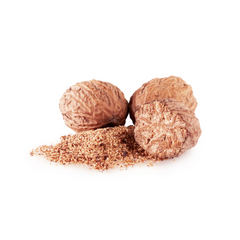
A Pimento Leaf accord can be crafted by blending the following ingredients: - Pimento Leaf: 20–25% of blend - Cinnamon Leaf: 15–20% of blend - Clove Bud: 25–30% of blend - Nutmeg: 25–30% of blend Each ingredient contributes to the accord's spicy and warm profile. Pimento leaf provides the foundational spicy warmth, cinnamon leaf adds a sweet and aromatic nuance, clove bud introduces a rich, warm spiciness, and nutmeg imparts a sweet, nutty warmth. Together, these components create a harmonious and complex accord that embodies the essence of pimento leaf.

The Olfactory Layers

How Pimento Leaf Evolves on Skin

The olfactory evolution of pimento leaf in a fragrance typically progresses as follows: - Top Notes (0–15 minutes): The initial impression is a fresh, green spiciness, attributed to the high volatility of certain compounds. - Heart Notes (20–60 minutes): The scent deepens into a warm, spicy aroma, with the characteristic warmth of cloves and cinnamon becoming more prominent. - Base Notes (Several hours): The fragrance settles into a rich, spicy warmth, with the depth of nutmeg and the subtle sweetness of the leaf lingering on the skin. This progression is influenced by the volatility and evaporation rates of the constituent compounds, leading to a dynamic and evolving scent experience.

Through the Ages

The Story of Pimento Leaf in Perfumery

The Art of Layering

How to Layer Pimento Leaf

Layering fragrances with pimento leaf can create complex and harmonious scent profiles. Understanding how to layer pimento leaf is essential for achieving the desired olfactory experience.

01

Enhance Warmth

Pairing pimento leaf with cinnamon and nutmeg can amplify its spicy warmth, creating a rich and inviting fragrance. This combination is often used in oriental and gourmand compositions.

02

Add Depth

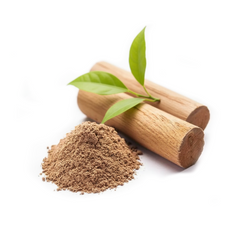
Combining pimento leaf with woody notes like sandalwood or cedar can add depth and complexity, balancing its spiciness with earthy undertones.

03

Lighten the Glow

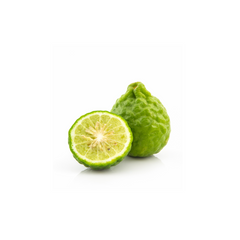
Blending pimento leaf with citrus notes like bergamot or lemon can brighten its warmth, adding a fresh and uplifting element to the fragrance.

Wear It Right

How to Wear Pimento Leaf Like a Pro

Seasonal Guide

Fall & Winter

Pimento leaf's warm, spicy aroma complements the cooler temperatures, adding depth and comfort to fragrances. It's ideal for evening wear and formal occasions during these seasons.

Spring

In spring, pimento leaf adds a spicy warmth to floral compositions, balancing the freshness of the season with its depth. It's suitable for transitional weather and evening events.

Summer

While pimento leaf's warmth may be intense in hot weather, it can be used sparingly in summer evenings to add a touch of spice without overwhelming the senses.

Year-Round Tip

Pimento leaf's versatility allows it to be incorporated into fragrances year-round, especially in compositions where a warm, spicy note is desired to add depth and complexity.

Application Points

Strategic application of pimento leaf-based fragrances can enhance their impact and longevity.

1

Neck

Applying fragrance to the neck allows the warmth of the skin to diffuse the scent, enhancing its projection and longevity.

2

Behind the Ears

The area behind the ears is a pulse point, where the warmth of the body can amplify the fragrance, making it more noticeable.

3

Inner Wrists

Applying fragrance to the inner wrists allows for easy reapplication and the scent to be released with movement.

4

Hair

Spraying fragrance on hair can create a lingering scent trail, as hair retains fragrance well and releases it gradually.

★

Pro Tip

To enhance the longevity of pimento leaf-based fragrances, apply them to moisturized skin, as hydrated skin retains scent molecules more effectively.

Mood Architecture™

Top Pimento Leaf Fragrances by Mood Score

These Pimento Leaf-based fragrances scored highest on the MEI™ Mood Architecture Framework — measuring how a scent may influence your emotional state.

Highest MEI Score
Interdict Rouge — L'interdit Rouge Alternative Perfume
7.1
MEI™
Primary Fresh
Secondary Confident
Confidence
7.03
Presence
7.75
Mood Lift
8.12
Identity
7.2
Warmth
7.23
Social Ease
6.17
Energy
3.53
" I am radiant.
View full mood profile →
HumanSafe™

Top Pimento Leaf Fragrances by HumanSafe™ Score

These Pimento Leaf-based fragrances have the highest product-level HumanSafe™ scores in this ingredient collection.

Highest HumanSafe™ Score
Interdict Rouge — L'interdit Rouge Alternative Perfume
A-
HumanSafe™ Score Generally Safe
Safest Evaluated Ingredients EDP
AQUA Solvent / Carrier ISS 10.0
1,4-DIOXACYCLOHEPTADECANE-5,17-DIONE Evaluated ingredient ISS 10.0
BENZYL SALICYLATE Evaluated ingredient ISS 9.0
4H-INDEN-4-ONE, 1,2,3,5,6,7-HEXAHYDRO-1,1,2,3,3- Evaluated ingredient ISS 9.0
3-CYCLOPENTENE-1-ACETALDEHYDE, 2,2,3-TRIMETHYL-, Evaluated ingredient ISS 9.0
LINALYL ACETATE Evaluated ingredient ISS 7.0
View full safety profile →
Expert Voices

What Masters Say About Pimento Leaf

“
Pimento leaf adds a warm, spicy, and slightly green touch to fragrances, enhancing their depth and complexity.
CA Perfume Editorial
“
The unique aroma of pimento leaf, reminiscent of cloves, cinnamon, and nutmeg, makes it a valuable ingredient in oriental and woody compositions.
CA Perfume Editorial
Common Questions

Frequently Asked Questions

Frequently asked questions about pimento leaf in perfumery.

Pimento leaf imparts a warm, spicy, and slightly green aroma to perfumes, reminiscent of cloves, cinnamon, and nutmeg. This complex scent profile adds depth and complexity to fragrance compositions, particularly in oriental and woody blends.

Pimento leaf is typically used as a heart note in fragrances, contributing depth and complexity to the composition. Its warm, spicy aroma bridges the top and base notes, enhancing the overall scent profile.

Pimento leaf's unique and complex scent profile adds depth and warmth to niche perfumes, making it a favorite among perfumers seeking to create rich and sophisticated compositions. Its versatility allows it to blend well with various other notes, enhancing the overall fragrance experience.

Pimento leaf pairs well with other spices such as cinnamon, clove, and nutmeg, as well as woody notes like sandalwood and cedarwood. It also complements citrus notes like bergamot and lemon, adding a fresh element to its warm spiciness.

While pimento leaf's warm, spicy aroma is more commonly associated with cooler weather, it can be used in summer fragrances when blended with lighter notes to create a balanced and refreshing scent profile.

The longevity of a pimento leaf fragrance depends on its concentration and the composition of the perfume. As a heart note, it typically lasts several hours, contributing to the fragrance's depth and complexity over time.

Yes, pimento leaf can be layered with other fragrances to create a personalized scent profile. It blends well with spices, woods, and florals, allowing for creative combinations that enhance its warm, spicy aroma.

For those new to pimento leaf fragrances, Givenchy's L'Interdit Eau de Parfum Rouge (2021) and Memo Paris's Oriental Leather (2019) are excellent choices, showcasing the note's versatility and depth in well-crafted compositions.

At CA Perfume, you can explore a curated selection of fragrances featuring pimento leaf. Consider your personal scent preferences and the desired intensity of the pimento leaf note to find a fragrance that suits your taste.

Pimento leaf imparts a warm, spicy aroma with slight sweet undertones, reminiscent of cloves, cinnamon, and nutmeg. This complex scent profile adds depth and complexity to fragrance compositions.

Spicy Collection

Explore Our Top Pimento Leaf Fragrances

Discover a curated selection of fragrances featuring pimento leaf, each offering a unique interpretation of this warm, spicy note.

Shop all pimento leaf fragrances at CA Perfume →

Where Pimento Leaf Comes From — Origin & Extraction

Pimento leaf is sourced from the Pimenta dioica tree, native to the Caribbean, Mexico, and Central America. The essential oil is obtained through steam distillation of the dried leaves, capturing its warm, spicy, and slightly green aroma. This extraction method preserves the integrity of the volatile compounds, such as eugenol and caryophyllene, which contribute to its distinctive scent profile. The production of pimento leaf oil is limited due to the specific climatic conditions required for the Pimenta dioica tree, making it a relatively rare and valuable ingredient in perfumery. Sustainability considerations include the need for responsible harvesting practices to ensure the conservation of the Pimenta dioica species and the preservation of its natural habitat.

Famous Fragrances That Define Pimento Leaf in Perfumery

Pimento leaf has been a notable ingredient in several fragrances, adding depth and a spicy warmth to compositions. For instance, Givenchy's L'Interdit Eau de Parfum Rouge (2021) incorporates pimento leaf to enhance its oriental character, while Memo Paris's Oriental Leather (2019) utilizes it to add a warm, spicy nuance to the scent. These fragrances exemplify the use of pimento leaf as a heart note, contributing to the overall complexity and richness of the compositions.

Natural vs Synthetic Pimento Leaf in Perfumery

The primary natural source of pimento leaf in perfumery is the essential oil extracted from the dried leaves of the Pimenta dioica tree. Synthetic alternatives aim to replicate the warm, spicy, and slightly green aroma of pimento leaf but may lack the complexity and depth of the natural oil. These synthetics are typically used to ensure consistency and cost-effectiveness in fragrance formulations. However, the use of synthetic pimento leaf is less common due to the challenge in replicating its unique scent profile. In terms of performance, natural pimento leaf offers a more nuanced and evolving scent experience, whereas synthetic versions may provide a more stable but less dynamic aroma. The cost of natural pimento leaf oil is higher, reflecting its limited availability and the labor-intensive extraction process. Sustainability considerations include the environmental impact of harvesting practices and the importance of supporting sustainable sourcing to preserve the Pimenta dioica species.