Ingredient Guide · Woody Aromatic
Woody Aromatic Family · Perfumery Note

Olive Tree

A nuanced heart note evoking sunlit groves and mineral-rich soil.

Olive Tree is a heart note in perfumery, valued for its green, woody, and mineral character that bridges freshness and earthiness. Its scent profile is reconstructed through a blend of herbal, woody, and mineral notes, capturing the complexity of Olea europaea.

Olive Tree
Ingredient Profile

Olive Tree

Woody Aromatic Family
Family Woody Aromatic
Note Position Heart Note
Usage Level 0.5–2% of formula
Key Origins Spain, Italy, Greece
Iconic In Versace Versense, Gucci Pour Homme II
The Ingredient

What does Olive Tree smell like and why is it prized in perfumery?

Olive Tree (Olea europaea) in perfumery is celebrated for a scent profile that is both green and woody, with subtle mineral and herbal facets. The olfactory character is not derived from a single extract, but rather a fantasy accord that reconstructs the aromatic impression of olive leaves, bark, and unripe fruit. The green aspect is attributed to molecules such as oleuropein (from the leaves) and hexenal, which impart a bitter, slightly smoky greenness. The woody dimension is dry and angular, reminiscent of the tree’s gnarled trunk, while a faintly oily, fruity nuance hints at the olive fruit itself. This complexity makes the olive tree scent profile unique among woody-green notes. In perfumery, olive tree is most often employed as a heart note, though its fresh facets can appear in the top, and its woody-mineral aspects can anchor the base. Typical usage concentrations range from 0.5–2% of the formula, depending on the desired intensity and context. The note’s moderate volatility allows it to bridge lighter citrus or herbal top notes with deeper woods and resins. On skin, olive tree’s green and mineral facets interact with individual pH and moisture, sometimes amplifying the herbal bitterness or softening into a more subdued woody background. Notable fragrances that showcase olive tree in perfumery include Hermès Un Jardin à Cythère (2023, perfumer Christine Nagel), which pairs olive wood with pistachio and citrus for a sunlit Mediterranean effect, and Versace Versense (2009, perfumer Alberto Morillas), where olive tree provides a green, slightly creamy bridge between citrus and woods. In Hugo Boss Boss Bottled Infinite (2019), olive tree is used to impart a dry, aromatic backbone, supporting apple and sage. These examples illustrate the versatility and subtlety of olive tree as a perfume note.

0.5–2% of formula
Typical concentration of olive tree accord in fine fragrance, balancing green freshness and woody depth without overpowering the composition.
95% Mediterranean origin
Over 95% of the world’s olive trees are cultivated in Mediterranean countries, shaping the note’s terroir and olfactory character.
4–6 hours longevity
Olive tree accords provide moderate persistence, with green facets fading after 30 minutes and woody-mineral notes lingering up to 6 hours.
Origin & Extraction

Where Olive Tree Comes From — Origin & Extraction

Mediterranean geography shapes olive tree’s scent profile through mineral-rich soils, sun exposure, and dry climates. These factors yield leaves and wood with pronounced green, woody, and mineral notes, varying by region.

The olive tree (Olea europaea) is native to the Mediterranean basin and parts of Asia Minor, with cultivation dating back over 7,000 years. Today, more than 95% of the world’s olive trees are found in Mediterranean countries, with Spain, Italy, Greece, and Turkey being the largest producers. Spain alone accounts for approximately 40% of global olive production, with over 2.5 million hectares under cultivation. Olive trees thrive in well-drained, mineral-rich soils and require a warm, dry climate with moderate rainfall. In perfumery, there is no standardized essential oil or absolute derived from olive wood or leaves. Olive leaf extract can be obtained via solvent extraction (using ethanol or supercritical CO2), but this is rarely used in mainstream fragrance due to low yield and limited olfactory impact. Olive wood oil is not commercially available. Instead, the olive tree note is typically constructed as an accord, blending natural extracts (such as olive leaf, thyme, rosemary, and vetiver) with synthetic aroma chemicals to evoke the full sensory impression of the tree. Key molecules include oleuropein (from leaves), hexenal (green), and supporting woody notes from cedarwood and vetiver. The CAS number for olive oil is 8001-25-0, but this material is not used for fragrance due to its low volatility and fatty odor profile. Natural olive leaf extract is significantly more expensive than synthetic reconstructions, with prices ranging from $800–1,200/kg compared to $50–200/kg for synthetic green-woody aroma chemicals. Sustainability concerns include the impact of large-scale olive farming on soil health and biodiversity, as well as the threat of Xylella fastidiosa disease in southern Europe. However, the use of synthetic accords reduces pressure on agricultural resources and allows for consistent quality and supply.

ES

Spain

Andalusia is the world’s largest olive-producing region, with over 1.5 million hectares. The hot, dry climate and calcareous soils yield olive leaves with a pronounced mineral-green scent, and wood with a dry, slightly smoky aroma. Spain accounts for about 40% of global production.

IT

Italy

Puglia and Tuscany are renowned for centuries-old groves. Puglian olive trees grow in red clay soils, producing leaves with a slightly bitter, herbal aroma. Tuscany’s higher altitude and limestone soils yield wood with a drier, more austere scent. Italy holds around 15% of global production.

GR

Greece

Crete and Kalamata are key regions, with rocky, sun-drenched terrain. Greek olive leaves are known for their intense, slightly smoky bitterness, while the wood is dense and aromatic. Greece produces about 10% of the world’s olives.

TR

Turkey

The Aegean coast, especially around Izmir, features ancient groves in mineral-rich soils. Turkish olive trees yield leaves with a softer, more herbal-green aroma and wood with a subtle, resinous undertone. Turkey is a major producer, supplying both domestic and export markets.

Chemistry

Natural vs Synthetic Olive Tree in Perfumery

The olive tree note in perfumery is almost always a synthetic reconstruction, as no commercially viable essential oil or absolute exists from olive wood or leaves. Key synthetic molecules used to evoke the olive tree’s character include cis-3-hexenol (CAS 928-96-1) for green-leafy freshness, octanal (CAS 124-13-0) for subtle fruitiness, and vetiveryl acetate (CAS 141-02-6) for dry woody depth. These compounds are blended with natural herbal extracts (such as thyme or rosemary) to create a realistic Mediterranean impression. Synthetic olive tree accords offer superior performance in terms of longevity, diffusion, and batch consistency compared to rare natural extracts. The cost differential is substantial: synthetic green-woody aroma chemicals cost $50–200/kg, while natural olive leaf extracts (when available) can exceed $1,000/kg. Most mainstream and niche fragrances use synthetic olive tree notes for both economic and sustainability reasons. Hermès Un Jardin à Cythère (2023) and Hugo Boss Boss Bottled Infinite (2019) both utilize synthetic olive wood accords. From a sustainability perspective, synthetic production reduces agricultural impact and ensures supply chain stability, especially as Mediterranean olive groves face disease and climate threats. The HumanSafe™ platform at CA Perfume provides full transparency on the sourcing and safety of both natural and synthetic materials, ensuring compliance with IFRA guidelines and minimizing allergen risk.

Natural
Olive Tree Absolute
Cost $3,000–6,000/kg
Method Solvent / CO₂
Character Complex, variable
vs
Synthetic
Safranal & Analogues
Cost $50–200/kg
Method Lab synthesis
Character Consistent, stable
Hall of Fame

Famous Fragrances That Define Olive Tree in Perfumery

2009
bridge note

Versace Versense

Versace
by Alberto Morillas
citruscardamomcedarwood
2007
base note

Gucci Pour Homme II

Gucci
by Karine Dubreuil
violet leafbergamotcinnamon
2023
dominant note

Hermès Un Jardin à Cythère

Hermès
by Christine Nagel
pistachiocitrusgrasses
2019
supporting note

Hugo Boss Boss Bottled Infinite

Hugo Boss
applesagepatchouli
2015
dominant note

Jeanne en Provence Bois d'Olivier & Cade

Jeanne en Provence
cadecitrusherbs

Olive tree has become a signature note in modern Mediterranean-inspired fragrances, often serving as a bridge between fresh top notes and deeper woody or resinous bases. One of the earliest prominent uses is Versace Versense (2009, perfumer Alberto Morillas), where olive tree provides a green, creamy accent that connects citrus and woods. Gucci Pour Homme II (2007, Karine Dubreuil) employs olive wood in the base, lending a relaxed, subtly creamy dryness to the composition. Hermès Un Jardin à Cythère (2023, Christine Nagel) features olive wood as a central theme, paired with pistachio and citrus for a sunlit, mineral effect. Hugo Boss Boss Bottled Infinite (2019) uses olive tree as a dry, aromatic backbone alongside apple and sage. In niche perfumery, Acqua del Garda Itinerary II (2022) explores the pairing of olive and fig leaves, with woody and milky nuances, while Jeanne en Provence Bois d'Olivier & Cade (2015) highlights the Mediterranean landscape through olive wood and cade. These fragrances demonstrate the versatility of olive tree as a note that can be dominant, supportive, or serve as a bridge. CA Perfume’s collection draws inspiration from this lineage, focusing on the authentic Mediterranean character and the interplay of green, woody, and mineral facets.

The Accord

How is a captivating Olive Tree accord crafted?

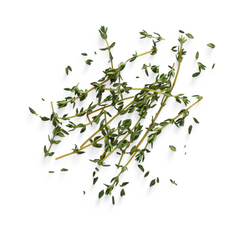
A Mediterranean olive tree accord balances green, woody, and mineral elements. Olive leaf (25–30%) provides a bitter-green, slightly leathery freshness via oleuropein and cis-3-hexenol. Cedarwood (25–30%) adds dry, linear woodiness through cedrol and thujopsene. Thyme (20–25%) introduces herbal sharpness and linalool, echoing the Mediterranean landscape. Vetiver (20–25%) supplies earthy, mineral depth with vetiverol and vetiveryl acetate. Together, these notes reconstruct the full olfactory impression of an olive grove.

30%

Olive Leaf

25–30% of blend

Provides a bitter-green, slightly leathery freshness via oleuropein and cis-3-hexenol, capturing the essence of olive foliage.

30%

Cedarwood

25–30% of blend

Adds dry, linear woodiness through cedrol and thujopsene, supporting the structural backbone of the accord.

25%

Thyme

20–25% of blend

Introduces herbal sharpness and linalool, echoing the aromatic plants found in Mediterranean olive groves.

25%

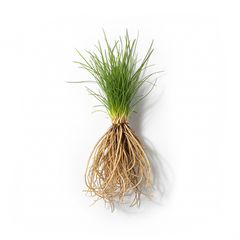
Vetiver

20–25% of blend

Supplies earthy, mineral depth with vetiverol and vetiveryl acetate, reinforcing the dry soil and rooty undertones.

The Olfactory Layers

How Olive Tree Evolves on Skin

Olive tree’s olfactory evolution begins with green, herbal top notes (cis-3-hexenol, hexenal), transitions to a woody, mineral heart (cedrol, vetiveryl acetate), and dries down to a subtle, earthy base. Volatility is moderate, with the green notes evaporating within 15 minutes, while woody and mineral facets persist for several hours.

I
Top notes
0–15 min
Green Canopy

The opening is marked by a burst of green, herbal freshness, primarily from cis-3-hexenol and hexenal, which are highly volatile and impart a cut-leaf, slightly bitter aroma. This stage is invigorating and fleeting, setting a lively Mediterranean tone.

greenherbalfresh
II
Heart notes
20–60 min
Woody Backbone

The heart reveals the dry, woody character of olive tree, with cedrol and vetiveryl acetate providing structure. Herbal nuances from thyme and rosemary persist, while a faint mineral quality emerges, evoking sun-warmed soil and aged wood.

woodymineralherbal
III
Base notes
Several hours
Earthy Mineral

The drydown is subtle and earthy, with the woody-mineral accord lingering on skin. Vetiverol and soft musky notes provide depth, while the green bitterness recedes, leaving a gentle, grounding finish.

earthysubtlegrounding
TOP NOTES Green Canopy 0–15 minutes HEART NOTES Woody Backbone 20–60 minutes BASE NOTES Earthy Mineral Several hours
Through the Ages

The Story of Olive Tree in Perfumery

The olive tree’s aromatic legacy spans from ancient Mediterranean rituals to contemporary perfumery, with each era contributing to its symbolic and olfactory significance.

Bronze Age (ca. 3000–1200 BCE)

Cult Rituals and Early Perfumes

Olive oil was used in cult practices and as a base for scented oils in the ancient Mediterranean, notably in Minoan Crete and Mycenaean Greece. Archaeological evidence from Delos and Crete shows olive oil as a carrier for aromatic botanicals.

Classical Antiquity (ca. 700 BCE–200 CE)

Symbol of Peace and Abundance

The olive tree became a symbol of peace and prosperity in Greek and Roman culture. Olive branches crowned Olympic victors, and olive oil was a prized commodity, used in personal fragrance and ritual anointing.

19th Century

Industrialization and Olive Farming

Advances in agriculture and extraction led to mass production of olive oil and byproducts. Olive wood and leaves began to appear in artisanal soaps and colognes, especially in southern Europe.

2007–2009

Modern Perfumery Embraces Olive Tree

Fragrances like Gucci Pour Homme II (2007) and Versace Versense (2009) introduced olive wood and leaf accords to a global audience, highlighting their green-woody complexity.

2023

Contemporary Mediterranean Accords

Hermès Un Jardin à Cythère (2023) and other niche releases use advanced synthetic accords to evoke the full sensory impression of Mediterranean olive groves, blending green, woody, and mineral notes.

The Art of Layering

How to Layer Olive Tree

Understanding how to layer olive tree is key to maximizing its Mediterranean complexity. The note’s green, woody, and mineral facets interact with other ingredients at a molecular level, allowing for both harmony and contrast.

01

Enhance Freshness

Layer olive tree with citrus notes (bergamot, lemon) to amplify the green, zesty facets. Both share high concentrations of aldehydes and monoterpenes, creating a seamless, uplifting effect. Hermès Un Jardin à Cythère demonstrates this synergy.

02

Deepen Earthiness

Pair olive tree with vetiver or patchouli to emphasize mineral and earthy undertones. Vetiverol and patchoulol interact with olive’s woody molecules, producing a grounded, persistent base. Gucci Pour Homme II uses this approach for a creamy-dry finish.

03

Add Aromatic Lift

Combine olive tree with herbal notes like thyme, rosemary, or sage. Shared terpenoids (linalool, thymol) create an aromatic bridge, enhancing the Mediterranean character. Versace Versense layers olive with cardamom and herbs for a balanced, modern fougère.

Wear It Right

How to Wear Olive Tree Like a Pro

Seasonal Guide

Fall & Winter

In cooler months, olive tree’s woody and mineral facets become more pronounced, as lower temperatures suppress the volatility of green top notes. Apply to pulse points and layer with resinous or spicy notes for added warmth and longevity.

Spring

Spring’s moderate temperatures allow the green, herbal aspects of olive tree to shine. Layer with citrus or floral notes to enhance freshness and evoke a Mediterranean landscape in bloom.

Summer

High heat increases the volatility of green and herbal molecules, resulting in a brighter, more diffusive scent. Apply lightly to avoid overwhelming projection, and pair with aquatic or citrus notes for a refreshing effect.

Year-Round Tip

Olive tree’s balanced profile makes it suitable for year-round wear. Adjust application and layering partners based on climate: more woody and resinous in cold, more green and citrus in heat.

Application Points

Strategic application maximizes olive tree’s nuanced evolution and projection.

1

Neck

Applying to the neck leverages body heat to enhance the diffusion of green and herbal top notes, creating an immediate impression of freshness.

2

Behind the Ears

This area is slightly cooler, allowing the woody-mineral facets to develop more slowly and persist longer, especially in close encounters.

3

Inner Wrists

Pulse points on the wrists accelerate the evaporation of volatile green notes, making the heart and base more prominent as the fragrance evolves.

4

Hair

Spraying on hair provides a gentle, lingering trail of the woody and mineral notes, as hair retains scent molecules longer than skin.

Pro Tip

Layer olive tree-based fragrances with a touch of citrus or herbal cologne on clothing for extended freshness and a multidimensional effect.

Mood Architecture™

Top Olive Tree Fragrances by Mood Score

These Olive Tree-based fragrances scored highest on the MEI™ Mood Architecture Framework — measuring how a scent may influence your emotional state.

Highest MEI Score
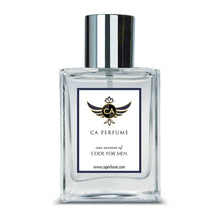
Code For Men — Code Alternative Cologne
8.18
MEI™
Primary Magnetic
Secondary Confident
Confidence
8.32
Presence
9.5
Mood Lift
8.21
Identity
8.91
Warmth
8.59
Social Ease
7.36
Energy
4.5
" I am bold.
View full mood profile →
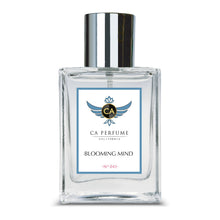
Blooming Mind —CA Perfume Originals Cologne for Men
7.83
MEI™
Primary Romantic
Secondary Confident
Confidence
7.34
Presence
7.26
Mood Lift
8.29
Identity
7.01
Warmth
9.5
Social Ease
7.78
Energy
4.4
" I am beautiful.
View full mood profile →
HumanSafe™

Top Olive Tree Fragrances by HumanSafe™ Score

These Olive Tree-based fragrances have the highest product-level HumanSafe™ scores in this ingredient collection.

Highest HumanSafe™ Score
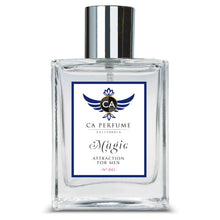
Magic Attraction For Men Perfume Spray
#1
Magic Attraction For Men Perfume Spray
Starting from $24.99
A-
HumanSafe™ Score Generally Safe
Safest Evaluated Ingredients EDP
AQUA Solvent / Carrier ISS 10.0
1,4-DIOXACYCLOHEPTADECANE-5,17-DIONE Evaluated ingredient ISS 10.0
7-OCTEN-2-OL, 2,6-DIMETHYL- Evaluated ingredient ISS 9.0
LINALYL ACETATE Evaluated ingredient ISS 7.0
LINALOOL Evaluated ingredient ISS 7.0
ALCOHOL DENAT. Solvent / Carrier ISS 7.0
View full safety profile →
Code For Men — Code Alternative Cologne
A-
HumanSafe™ Score Generally Safe
Safest Evaluated Ingredients EDP
AQUA Evaluated ingredient ISS 10.0
BENZYL SALICYLATE Evaluated ingredient ISS 8.5
TETRAHYDRO-METHYL-METHYLPROPYL)-PYRAN-4-OL Evaluated ingredient ISS 7.0
LINALOOL Evaluated ingredient ISS 7.0
FORMALDEHYDE CYCLODECYL ETHYL ACETAL Evaluated ingredient ISS 7.0
View full safety profile →
Blooming Mind —CA Perfume Originals Cologne for Men
A-
HumanSafe™ Score Generally Safe
Safest Evaluated Ingredients EDP
AQUA Solvent / Carrier ISS 10.0
1,4-DIOXACYCLOHEPTADECANE-5,17-DIONE Evaluated ingredient ISS 10.0
7-OCTEN-2-OL, 2,6-DIMETHYL- Evaluated ingredient ISS 9.0
LINALYL ACETATE Evaluated ingredient ISS 7.0
LINALOOL Evaluated ingredient ISS 7.0
ALCOHOL DENAT. Solvent / Carrier ISS 7.0
View full safety profile →
Magic Attraction For Men The Original Pheromone Perfume for Men
B
HumanSafe™ Score Use With Caution
Safest Evaluated Ingredients EDP
No ingredient-level HSS scores found for this product.
View full safety profile →
Expert Voices

What Masters Say About Olive Tree

Even though olive tree may not be as distinctively fragrant as other species, one can perceive the subtle dry woody aroma given off by its rough bark, and the green-herbal smell of its graceful elongated leaves mixed with the intensely greasy and fruity scent coming from the picked olives.
Lucia Remigi, Fragrantica.it
Olive tree in perfumery is an atmospheric accord evoking the complete sensory impression of Olea europaea: the leathery, silver-green leaves, the dry and gnarled wood, the bitter-green unripe fruit, and the warm, mineral soil beneath.
CA Perfume Editorial
Common Questions

Frequently Asked Questions

Frequently asked questions about olive tree as a perfume note.

Olive tree in perfume offers a green, woody, and subtly mineral scent profile. The note is constructed from a blend of herbal, woody, and mineral materials to evoke the impression of olive leaves, bark, and fruit. It is less sweet than fig, less resinous than pine, and features a distinctive bitterness and dryness. Notable examples include Hermès Un Jardin à Cythère and Versace Versense.

Olive tree is most commonly used as a heart note, bridging fresh top notes and deeper woody or resinous bases. Its moderate volatility allows it to persist through the heart and into the base, providing structure and complexity to Mediterranean-inspired compositions.

Olive tree is valued in niche perfumery for its ability to evoke Mediterranean landscapes and add a unique green-woody complexity. Its versatility allows it to function as a bridge, dominant, or accent note, and its subtle mineral and herbal facets appeal to those seeking authenticity and sophistication.

Olive tree fragrance uses include pairing with citrus (bergamot, lemon), aromatic herbs (thyme, rosemary, sage), and woody notes (cedarwood, vetiver). These combinations enhance its green, herbal, and mineral facets, as seen in fragrances like Hermès Un Jardin à Cythère and Gucci Pour Homme II.

Yes, olive tree’s green and herbal facets are well-suited to summer, as heat increases the volatility of these molecules, resulting in a brighter, more diffusive scent. Lighter concentrations and pairing with citrus or aquatic notes can enhance its refreshing qualities.

Olive tree accords generally provide moderate longevity, with green and herbal notes lasting 30–60 minutes and woody-mineral facets persisting for 4–6 hours. Longevity may vary depending on concentration and skin chemistry.

Yes, olive tree can be layered with citrus, herbal, or woody fragrances. Molecular compatibility (shared terpenoids and aldehydes) allows for harmonious blends, while contrasting with earthy or resinous notes can add depth. Test combinations on skin to find your preferred balance.

Recommended entry points include Versace Versense (2009), Hermès Un Jardin à Cythère (2023), and Hugo Boss Boss Bottled Infinite (2019). These fragrances showcase olive tree’s green-woody complexity in approachable, balanced compositions.

Consider your preferred balance of green, woody, and mineral facets. If you enjoy freshness, look for blends with citrus and herbs; for depth, seek out those with vetiver or patchouli. CA Perfume’s collection offers a range of Mediterranean-inspired options, with full ingredient transparency.

Olive tree’s scent is primarily clean, green, and woody, with only a subtle smokiness from the bark and leaves. The overall impression is fresh and mineral rather than overtly smoky, making it suitable for both modern and classic compositions.

Woody Aromatic Collection

Explore Our Top Olive Tree Fragrances

Discover Mediterranean-inspired scents that highlight olive tree’s unique green-woody complexity. Each fragrance is selected for its authentic, nuanced portrayal of this iconic note.

Shop all olive tree fragrances at CA Perfume →

Where Olive Tree Comes From — Origin & Extraction

The olive tree (Olea europaea) is native to the Mediterranean basin and parts of Asia Minor, with cultivation dating back over 7,000 years. Today, more than 95% of the world’s olive trees are found in Mediterranean countries, with Spain, Italy, Greece, and Turkey being the largest producers. Spain alone accounts for approximately 40% of global olive production, with over 2.5 million hectares under cultivation. Olive trees thrive in well-drained, mineral-rich soils and require a warm, dry climate with moderate rainfall. In perfumery, there is no standardized essential oil or absolute derived from olive wood or leaves. Olive leaf extract can be obtained via solvent extraction (using ethanol or supercritical CO2), but this is rarely used in mainstream fragrance due to low yield and limited olfactory impact. Olive wood oil is not commercially available. Instead, the olive tree note is typically constructed as an accord, blending natural extracts (such as olive leaf, thyme, rosemary, and vetiver) with synthetic aroma chemicals to evoke the full sensory impression of the tree. Key molecules include oleuropein (from leaves), hexenal (green), and supporting woody notes from cedarwood and vetiver. The CAS number for olive oil is 8001-25-0, but this material is not used for fragrance due to its low volatility and fatty odor profile. Natural olive leaf extract is significantly more expensive than synthetic reconstructions, with prices ranging from $800–1,200/kg compared to $50–200/kg for synthetic green-woody aroma chemicals. Sustainability concerns include the impact of large-scale olive farming on soil health and biodiversity, as well as the threat of Xylella fastidiosa disease in southern Europe. However, the use of synthetic accords reduces pressure on agricultural resources and allows for consistent quality and supply.

Famous Fragrances That Define Olive Tree in Perfumery

Olive tree has become a signature note in modern Mediterranean-inspired fragrances, often serving as a bridge between fresh top notes and deeper woody or resinous bases. One of the earliest prominent uses is Versace Versense (2009, perfumer Alberto Morillas), where olive tree provides a green, creamy accent that connects citrus and woods. Gucci Pour Homme II (2007, Karine Dubreuil) employs olive wood in the base, lending a relaxed, subtly creamy dryness to the composition. Hermès Un Jardin à Cythère (2023, Christine Nagel) features olive wood as a central theme, paired with pistachio and citrus for a sunlit, mineral effect. Hugo Boss Boss Bottled Infinite (2019) uses olive tree as a dry, aromatic backbone alongside apple and sage. In niche perfumery, Acqua del Garda Itinerary II (2022) explores the pairing of olive and fig leaves, with woody and milky nuances, while Jeanne en Provence Bois d'Olivier & Cade (2015) highlights the Mediterranean landscape through olive wood and cade. These fragrances demonstrate the versatility of olive tree as a note that can be dominant, supportive, or serve as a bridge. CA Perfume’s collection draws inspiration from this lineage, focusing on the authentic Mediterranean character and the interplay of green, woody, and mineral facets.

Natural vs Synthetic Olive Tree in Perfumery

The olive tree note in perfumery is almost always a synthetic reconstruction, as no commercially viable essential oil or absolute exists from olive wood or leaves. Key synthetic molecules used to evoke the olive tree’s character include cis-3-hexenol (CAS 928-96-1) for green-leafy freshness, octanal (CAS 124-13-0) for subtle fruitiness, and vetiveryl acetate (CAS 141-02-6) for dry woody depth. These compounds are blended with natural herbal extracts (such as thyme or rosemary) to create a realistic Mediterranean impression. Synthetic olive tree accords offer superior performance in terms of longevity, diffusion, and batch consistency compared to rare natural extracts. The cost differential is substantial: synthetic green-woody aroma chemicals cost $50–200/kg, while natural olive leaf extracts (when available) can exceed $1,000/kg. Most mainstream and niche fragrances use synthetic olive tree notes for both economic and sustainability reasons. Hermès Un Jardin à Cythère (2023) and Hugo Boss Boss Bottled Infinite (2019) both utilize synthetic olive wood accords. From a sustainability perspective, synthetic production reduces agricultural impact and ensures supply chain stability, especially as Mediterranean olive groves face disease and climate threats. The HumanSafe™ platform at CA Perfume provides full transparency on the sourcing and safety of both natural and synthetic materials, ensuring compliance with IFRA guidelines and minimizing allergen risk.