Ingredient Guide · Gourmand
Gourmand Family · Perfumery Note

Mexican Chocolate

Warm cocoa, cinnamon, and chili — a multi-sensory gourmand experience.

Mexican chocolate is a heart note in the gourmand family, prized for its rich cocoa character layered with cinnamon and subtle chili. Its defining quality comes from the interplay of theobromine, vanillin, and spice-derived molecules, typically used at concentrations below 5% in fine fragrance.

Mexican Chocolate
Ingredient Profile

Mexican Chocolate

Gourmand Family
Family Gourmand
Note Position Heart Note
Usage Level <5%
Key Origins Mexico, Peru, Ecuador
Iconic In Anima Dulcis, Black Orchid
The Ingredient

What does Mexican chocolate smell like and why is it a gourmand icon?

Mexican chocolate in perfumery is defined by a complex scent profile that combines the deep, bittersweet aroma of high-quality cacao (Theobroma cacao) with layers of cinnamon (cinnamaldehyde), subtle chili (capsaicin), and sometimes hints of vanilla (vanillin) and almond (benzaldehyde). The result is a multifaceted fragrance note that is both comforting and dynamic, evoking the traditional spiced chocolate drinks of Mesoamerica. What does Mexican chocolate smell like? It is not simply sweet; it balances creamy cocoa with a dry, spicy warmth, and a faint earthy undertone, making it distinct from standard chocolate notes. In perfumery, Mexican chocolate is classified as a heart note, typically used at concentrations below 5%. Its molecular complexity allows it to bridge top citrus or spice notes and deep, resinous or woody bases. The presence of methylxanthines (theobromine, caffeine), cinnamaldehyde, and trace capsaicinoids means it interacts strongly with skin chemistry, sometimes amplifying warmth or sweetness depending on individual pH and moisture. This adaptability makes it a versatile ingredient in both gourmand and spicy oriental compositions. Mexican chocolate in perfumery is exemplified in fragrances such as Arquiste Anima Dulcis (2012, Rodrigo Flores-Roux & Yann Vasnier), where cocoa absolute is paired with Mexican vanilla and chili infusion, and Tom Ford Black Orchid (2006, David Appel & Pierre Negrin), which uses chocolate and truffle notes to create a dark, opulent heart. These examples showcase how the note can be dominant or serve as a nuanced accent, always lending a signature warmth and depth.

2–3 Sprays
This dosage is sufficient to achieve a noticeable yet refined chocolate presence, as higher concentrations can easily overwhelm due to the intensity of cocoa absolute and spice volatiles.
4–6 Hours
Typical longevity for Mexican chocolate fragrances in EDP format, as theobromine and vanillin persist while lighter spices fade. Oil-based formats may last longer.
<5%
Mexican chocolate is usually used at concentrations below 5% in fine fragrance, balancing its powerful aroma with other notes to avoid dominance.
Origin & Extraction

Where Mexican Chocolate Comes From — Origin & Extraction

The terroir of Mexican cacao imparts a unique aromatic complexity to chocolate, shaped by volcanic soils, tropical rainfall, and traditional post-harvest fermentation. Regional differences in climate and processing yield chocolate with varying degrees of spice, nuttiness, and earthiness.

Mexican chocolate as a perfumery ingredient originates from cacao beans (Theobroma cacao), primarily sourced from southern Mexican states such as Tabasco, Chiapas, and Oaxaca. Mexico contributes approximately 2% of global cacao production, but its criollo and trinitario varieties are prized for their nuanced flavor and aroma, which include natural spicy and nutty facets. The traditional preparation of Mexican chocolate involves grinding roasted cacao with cinnamon, sometimes chili, and unrefined cane sugar (piloncillo), resulting in a complex aromatic profile. For perfumery, the key extract is cacao absolute, obtained via solvent extraction (typically with ethanol or hexane) or supercritical CO₂ extraction. The process operates at temperatures below 60°C to preserve volatile aroma compounds such as theobromine, vanillin, and pyrazines. Yields are low: approximately 1–2 kg of absolute per 100 kg of dried beans. The cost of natural Mexican chocolate absolute ranges from $3,000 to $6,000 per kg, reflecting both the labor-intensive process and the limited supply of high-quality Mexican cacao. Synthetic chocolate notes are produced using molecules such as vanillin (CAS 121-33-5), ethyl vanillin (CAS 121-32-4), and methylpyrazine (CAS 109-08-0), which replicate the creamy, nutty, and roasted facets. These cost $50–200 per kg and offer greater batch-to-batch consistency. Sustainability concerns include deforestation and fair labor practices in cacao farming; solvent extraction also raises environmental questions. However, CO₂ extraction and synthetic alternatives reduce solvent waste and support more transparent supply chains.

MX

Mexico

Chiapas and Tabasco produce most of Mexico’s cacao, with volcanic soils and high humidity yielding beans rich in pyrazines and spicy undertones. Annual production is ~28,000 metric tons. Traditional stone-grinding and inclusion of cinnamon and chili create a distinctive, layered aroma.

PE

Peru

Peruvian cacao from San Martín and Cusco regions is known for its floral and fruity nuances, resulting from high-altitude cultivation and diverse microclimates. Peru supplies ~75,000 metric tons annually, with a focus on fine-flavor criollo and trinitario varieties.

EC

Ecuador

Ecuador’s Arriba Nacional cacao, grown in the Guayas basin, is prized for its floral, nutty, and slightly spicy profile. Ecuador is among the world’s top fine-flavor cacao exporters, producing over 300,000 metric tons per year.

GH

Ghana

Ghanaian cacao, while not Mexican, is widely used in global chocolate production for its robust, classic cocoa aroma. Ghana’s beans are processed for consistency, with annual output exceeding 800,000 metric tons.

Chemistry

Natural vs Synthetic Mexican Chocolate in Perfumery

Natural Mexican chocolate absolute is derived from solvent or CO₂ extraction of cacao beans, capturing a broad spectrum of volatile and non-volatile compounds, including theobromine, vanillin, and pyrazines. This results in a complex, variable aroma that can shift subtly depending on the cacao origin and harvest year. In contrast, synthetic chocolate notes rely on molecules such as vanillin (CAS 121-33-5), ethyl vanillin (CAS 121-32-4), and 2,3,5-trimethylpyrazine (CAS 14667-55-1) to reproduce the creamy, roasted, and nutty aspects of chocolate with high consistency and stability. Performance-wise, synthetics offer greater longevity and projection, especially in compositions where chocolate is not the dominant note. Natural absolutes may be less stable, with a tendency to fade or shift on skin due to oxidation of unsaturated fatty acids. Cost is a major differentiator: natural absolute commands $3,000–6,000/kg, while synthetics are $50–200/kg. Notable fragrances using natural cacao absolute include Arquiste Anima Dulcis and Hilde Soliani CiocoSpesizissimo; synthetics are favored in large-scale releases such as Tom Ford Black Orchid and Demeter Chococat. Sustainability is a growing concern: natural extraction can impact biodiversity and local economies, while synthetics reduce pressure on cacao farms but may rely on petrochemical feedstocks. The HumanSafe™ platform at CA Perfume emphasizes ingredient transparency and batch-level safety, ensuring both natural and synthetic chocolate notes are responsibly sourced and IFRA-compliant.

Natural
Mexican Chocolate Absolute
Cost $3,000–6,000/kg
Method Solvent / CO₂
Character Complex, variable
vs
Synthetic
Safranal & Analogues
Cost $50–200/kg
Method Lab synthesis
Character Consistent, stable
Hall of Fame

Famous Fragrances That Define Mexican Chocolate in Perfumery

2012
dominant note

Anima Dulcis

Arquiste
by Rodrigo Flores-Roux & Yann Vasnier
Mexican vanillacinnamonchili infusion
2006
bridge note

Black Orchid

Tom Ford
by David Appel & Pierre Negrin
trufflepatchouliincenseorchid
2010
dominant note

CiocoSpesizissimo

Hilde Soliani
by Hilde Soliani
white chocolatepepperbasilwoody notes
2010
accent

Chococat

Demeter Fragrance
cherry
2008
heart note

Mexican Cocoa

Pacifica
cinnamonnutmegbitter almondvanilla
2025
base note

Suger Cacao

ARO-FAC Aroma Factory
patchoulivanillaincensesandalwood

Mexican chocolate has become a signature note in modern gourmand and spicy oriental perfumery. One of the earliest and most influential uses is in Arquiste Anima Dulcis (2012, Rodrigo Flores-Roux & Yann Vasnier), which reconstructs a 17th-century Mexican convent recipe with cocoa absolute, Mexican vanilla, cinnamon, and chili infusion, placing chocolate as the dominant heart note. Tom Ford Black Orchid (2006, David Appel & Pierre Negrin) employs chocolate and truffle for a decadent, earthy heart, paired with patchouli and incense, demonstrating chocolate’s ability to anchor dark florals and spices. Hilde Soliani CiocoSpesizissimo (2010, Hilde Soliani) explores the bitter, peppery side of Mexican chocolate, blending it with basil, pepper, and woody notes for a textured, powdery effect. Demeter Chococat (2010) uses a synthetic Mexican chocolate note with cherry for a playful, linear gourmand. Pacifica Mexican Cocoa (2008) balances chocolate with cinnamon, nutmeg, and vanilla, creating a warm, spicy comfort scent. More recently, ARO-FAC Aroma Factory Suger Cacao (2025) features Mexican chocolate in the base, paired with patchouli and vanilla for a modern, layered gourmand. These fragrances illustrate the versatility of Mexican chocolate as both a dominant and supporting note, often paired with vanilla, spices, woods, and resins. CA Perfume’s collection draws inspiration from this lineage, offering compositions that highlight both the traditional and contemporary facets of Mexican chocolate.

The Accord

How is a captivating Mexican Chocolate accord crafted?

A Mexican chocolate accord is constructed by blending cocoa absolute (25–30%) for its rich, bittersweet core, cinnamon (15–20%) for spicy warmth, vanilla (20–25%) for creamy sweetness, and benzoin (25–30%) for balsamic depth. Cocoa provides the main gourmand character via theobromine and pyrazines. Cinnamon introduces cinnamaldehyde, which amplifies warmth and complexity. Vanilla adds vanillin, softening bitterness and enhancing roundness. Benzoin’s benzoic acid esters extend longevity and reinforce the resinous, sweet undertone. Together, these ingredients create a multidimensional, enduring chocolate signature.

30%

Mexican Chocolate (Cocoa Absolute)

25–30% of blend

Cocoa absolute delivers the core chocolate aroma, rich in theobromine and pyrazines, providing depth and a bittersweet, earthy facet.

20%

Cinnamon

15–20% of blend

Cinnamaldehyde in cinnamon introduces spicy warmth and complexity, echoing traditional Mexican chocolate recipes.

25%

Vanilla

20–25% of blend

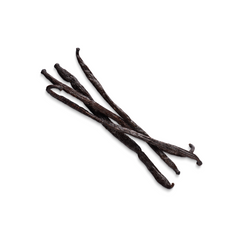
Vanillin softens cocoa’s bitterness and enhances sweetness, creating a creamy, enveloping effect in the accord.

30%

Benzoin

25–30% of blend

Benzoin’s balsamic, resinous sweetness extends the accord’s longevity and reinforces the warm, gourmand undertone.

The Olfactory Layers

How Mexican Chocolate Evolves on Skin

Mexican chocolate fragrances evolve from bright, spicy top notes to a creamy, bittersweet heart, and finally to a warm, resinous base. Volatile compounds like cinnamaldehyde and vanillin evaporate quickly, while heavier pyrazines and balsamic resins linger, shaping the scent’s progression.

I
Top notes
0–15 min
Spiced Prelude

Initial impressions are dominated by volatile spices—cinnamaldehyde from cinnamon and eugenol from nutmeg—creating a lively, warm opening. Subtle citrus or almond nuances may appear if present, but the chocolate is not yet fully perceptible. Rapid evaporation of these light molecules gives way to the heart.

SpicyWarmLively
II
Heart notes
20–60 min
Bittersweet Heart

The core chocolate character emerges as cocoa absolute’s theobromine and pyrazines become dominant. Vanilla’s vanillin and benzoin’s benzoic esters round out the heart, creating a creamy, bittersweet, and slightly earthy profile. The interplay of spice and chocolate is most pronounced here.

ChocolateCreamyBittersweet
III
Base notes
Several hours
Resinous Embrace

As lighter molecules fade, the base reveals balsamic, resinous, and woody facets from benzoin, sandalwood, and patchouli. Cocoa’s heavier components linger, imparting a subtle, dry earthiness. The overall effect is warm, comforting, and persistent, with moderate sillage.

BalsamicWoodyComforting
TOP NOTES Spiced Prelude 0–15 minutes HEART NOTES Bittersweet Heart 20–60 minutes BASE NOTES Resinous Embrace Several hours
Through the Ages

The Story of Mexican Chocolate in Perfumery

Mexican chocolate’s journey in perfumery spans from ancient Mesoamerican rituals to its modern role as a gourmand signature. Its evolution reflects advances in extraction, global trade, and the rise of edible-inspired fragrance trends.

Antiquity

Cacao in Mesoamerican Rituals

Cacao was consumed as a spiced, unsweetened beverage by the Olmec, Maya, and Aztec civilizations. The term ‘xocoatl’ referred to a bitter chocolate drink flavored with chili and vanilla, laying the foundation for chocolate’s complex scent profile.

16th Century

Chocolate Introduced to Europe

Spanish colonists brought cacao and Mexican chocolate traditions to Europe, where sugar and cinnamon were added. The aroma of spiced chocolate became associated with luxury and celebration.

Late 20th Century

Chocolate Enters Modern Perfumery

Advances in solvent extraction enabled the creation of cacao absolute, allowing perfumers to use authentic chocolate notes in fragrance. Early examples appeared in niche and experimental compositions.

2006

Gourmand Boom: Black Orchid

Tom Ford’s Black Orchid (2006) popularized chocolate as a bridge note in luxury perfumery, blending it with truffle and patchouli for a dark, opulent effect.

2012

Anima Dulcis: Mexican Chocolate as Centerpiece

Arquiste’s Anima Dulcis (2012) placed Mexican chocolate at the heart of a composition inspired by 17th-century convent recipes, using cocoa absolute, vanilla, and chili.

2025

Contemporary Layering and Niche Trends

Mexican chocolate is now featured in both niche and mainstream fragrances, often paired with spices, woods, and florals. Layering and customization have become key trends, with chocolate notes used to add warmth and complexity.

The Art of Layering

How to Layer Mexican Chocolate

Understanding how to layer Mexican chocolate is key to customizing its scent profile. Molecular compatibility with vanilla, woods, and spices allows for creative blending that enhances or tempers its gourmand character.

01

Enhance Sweetness

Layering Mexican chocolate with vanilla or honeyed fragrances amplifies vanillin and lactone content, increasing perceived sweetness and creaminess. This olfactory masking effect softens any bitterness from cocoa or spice. Fragrances like Pacifica Mexican Cocoa and Demeter Chococat demonstrate this pairing.

02

Add Depth

Combining with woody or resinous notes such as sandalwood or patchouli introduces sesquiterpenes and benzoic esters, extending longevity and adding earthy, balsamic undertones. Tom Ford Black Orchid uses patchouli and incense to deepen the chocolate heart.

03

Brighten with Spice

Pairing with citrus or ginger notes leverages shared aldehydes and terpenes, creating a lively, uplifting top accord that contrasts and balances the chocolate’s richness. Arquiste Anima Dulcis uses chili and cinnamon to add vibrancy to the cocoa core.

Wear It Right

How to Wear Mexican Chocolate Like a Pro

Seasonal Guide

Fall & Winter

Cooler temperatures suppress volatility, allowing the chocolate and balsamic base notes to linger. Apply to pulse points under clothing for a cozy, enveloping effect. The spicy warmth and creamy sweetness are especially comforting in cold weather.

Spring

Moderate warmth enhances the interplay of spice and chocolate, with increased projection. Lighter application is recommended to avoid overwhelming the senses. Layer with floral or citrus notes for a fresh, uplifting twist.

Summer

High temperatures increase volatility, causing top spices and vanillin to project strongly but fade quickly. Apply sparingly to avoid cloying sweetness. Pair with green or citrus notes to balance richness and maintain freshness.

Year-Round Tip

Adjust application based on humidity and personal skin chemistry. In humid climates, chocolate notes may become more pronounced and creamy. Experiment with layering to adapt the scent to changing conditions.

Application Points

Strategic application maximizes the longevity and evolution of Mexican chocolate’s complex aroma.

1

Neck

Pulse points on the neck provide warmth, accelerating the release of spicy top notes and allowing the chocolate heart to emerge as the fragrance settles.

2

Behind the Ears

This area offers moderate heat and is less exposed to air, slowing evaporation and allowing the creamy, balsamic facets to linger.

3

Inner Wrists

Frequent movement and warmth here enhance projection, but friction may cause lighter molecules to dissipate quickly. Ideal for experiencing the full evolution.

4

Hair

Hair retains scent molecules well, extending the chocolate note’s presence and allowing for subtle diffusion throughout the day.

Pro Tip

Layer over unscented moisturizer to slow evaporation and intensify the chocolate note’s longevity, especially in dry climates.

Mood Architecture™

Top Mexican Chocolate Fragrances by Mood Score

These Mexican Chocolate-based fragrances scored highest on the MEI™ Mood Architecture Framework — measuring how a scent may influence your emotional state.

Highest MEI Score
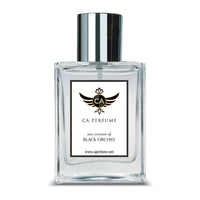
Black Orchid — Tom Ford Black Orchid Alternative Perfume
8.33
MEI™
Primary Romantic
Secondary Confident
Confidence
7.84
Presence
8.66
Mood Lift
8.87
Identity
8.98
Warmth
9.5
Social Ease
7.93
Energy
3.7
" I am beautiful.
View full mood profile →
HumanSafe™

Top Mexican Chocolate Fragrances by HumanSafe™ Score

These Mexican Chocolate-based fragrances have the highest product-level HumanSafe™ scores in this ingredient collection.

Highest HumanSafe™ Score
Black Orchid — Tom Ford Black Orchid Alternative Perfume
A-
HumanSafe™ Score Generally Safe
Safest Evaluated Ingredients EDP
AQUA Solvent / Carrier ISS 10.0
ACETIC ACID, PHENYLMETHYL ESTER Evaluated ingredient ISS 10.0
3-CYCLOPENTENE-1-ACETALDEHYDE, 2,2,3-TRIMETHYL-, Evaluated ingredient ISS 9.0
BUTANOIC ACID, 1,1-DIMETHYL-2-PHENYLETHYL ESTER Evaluated ingredient ISS 8.0
LINALOOL Evaluated ingredient ISS 7.0
ALCOHOL DENAT. Solvent / Carrier ISS 7.0
View full safety profile →
Expert Voices

What Masters Say About Mexican Chocolate

Mexican chocolate is crafted from high-quality cacao beans, characterized by a unique combination of richness and spiciness that makes it a sought-after ingredient in various culinary and perfumery traditions.
CA Perfume Editorial
The scent of exotic spices floats throughout the halls of the Royal Convent of Jesus Maria, where a group of nuns prepares a Baroque recipe of Cocoa infused with an assortment of chilies. After centuries of obscurity, the convent’s secrets are exposed in a rich experience for the senses.
Arquiste Anima Dulcis, Fragrance Inspiration
Common Questions

Frequently Asked Questions

Answers to common questions about Mexican chocolate in perfumery.

Mexican chocolate in perfume is defined by a bittersweet cocoa core, layered with spicy cinnamon, subtle chili warmth, and creamy vanilla undertones. The scent profile is multifaceted: it opens with lively spice, evolves into a rich, comforting chocolate heart, and settles into a warm, balsamic base. Notable fragrances such as Arquiste Anima Dulcis and Tom Ford Black Orchid demonstrate how this note can be both dominant and nuanced, lending depth and complexity to gourmand and spicy compositions.

Mexican chocolate is typically used as a heart note in perfumery. Its molecular weight and volatility place it between lighter top notes (such as citrus or spice) and heavier base notes (like woods and resins). This allows it to bridge the initial brightness of a fragrance with the lasting warmth of the base, providing a rich, enduring presence in the composition.

Niche perfumers favor Mexican chocolate for its complex, authentic aroma and cultural resonance. Its combination of cocoa, spice, and earthy undertones offers a unique sensory experience that stands out from generic sweet or synthetic chocolate notes. Additionally, its versatility allows for creative pairings with florals, woods, and resins, making it a popular choice for innovative, artisanal fragrances.

Mexican chocolate fragrance uses often include pairing with vanilla, cinnamon, benzoin, patchouli, sandalwood, and rose. These ingredients share molecular affinities—such as vanillin, cinnamaldehyde, and benzoic esters—that enhance the chocolate’s warmth, sweetness, and longevity. Woody and resinous notes add depth, while florals can brighten and balance the gourmand character.

Mexican chocolate can be worn in summer, but high temperatures increase the volatility of its spicy and sweet components, causing them to project more strongly and fade faster. For hot weather, lighter application and pairing with citrus or green notes help maintain freshness and prevent the scent from becoming cloying. Oil-based or low-concentration formats are also recommended for better control.

A Mexican chocolate fragrance in Eau de Parfum format typically lasts 4–6 hours, with the heart and base notes persisting as lighter top notes fade. Longevity depends on concentration, fixative content, and individual skin chemistry. Oil-based or Parfum formats may extend wear to 8+ hours, especially when layered over moisturizer.

Yes, Mexican chocolate is highly compatible with a range of notes. Layering with vanilla or honey increases sweetness, while woods and resins add depth. Spices and citrus can brighten the profile. Molecular interactions—such as vanillin masking cocoa’s bitterness or benzoin extending longevity—allow for creative customization. Notable examples include Pacifica Mexican Cocoa layered with ginger or citrus scents.

Beginner-friendly Mexican chocolate perfumes include Pacifica Mexican Cocoa (2008), which balances chocolate with cinnamon and vanilla, and Demeter Chococat (2010), a playful, linear gourmand with cherry. For a more complex experience, Arquiste Anima Dulcis (2012) offers a sophisticated blend of cocoa, vanilla, and chili. These fragrances showcase the note’s versatility and approachability.

Choosing the right Mexican chocolate fragrance depends on your preferred balance of sweetness, spice, and depth. CA Perfume’s collection features options that highlight different facets—some emphasize creamy vanilla and cinnamon, while others explore earthy or woody pairings. Consider your seasonal needs, layering preferences, and desired longevity. The HumanSafe™ platform provides ingredient transparency and safety data for informed selection.

Mexican chocolate is less overtly sweet than standard chocolate notes, thanks to its inclusion of spice, earthy, and sometimes nutty facets. Its balanced profile makes it suitable for everyday wear, especially when paired with woods, resins, or florals that temper sweetness. Application technique and concentration also influence wearability, allowing for subtle or bold expression as desired.

Gourmand Collection

Explore Our Top Mexican Chocolate Fragrances

Discover CA Perfume’s curated selection of Mexican chocolate scents, each highlighting the ingredient’s rich, spiced, and comforting facets.

Shop all mexican chocolate fragrances at CA Perfume →

Where Mexican Chocolate Comes From — Origin & Extraction

Mexican chocolate as a perfumery ingredient originates from cacao beans (Theobroma cacao), primarily sourced from southern Mexican states such as Tabasco, Chiapas, and Oaxaca. Mexico contributes approximately 2% of global cacao production, but its criollo and trinitario varieties are prized for their nuanced flavor and aroma, which include natural spicy and nutty facets. The traditional preparation of Mexican chocolate involves grinding roasted cacao with cinnamon, sometimes chili, and unrefined cane sugar (piloncillo), resulting in a complex aromatic profile. For perfumery, the key extract is cacao absolute, obtained via solvent extraction (typically with ethanol or hexane) or supercritical CO₂ extraction. The process operates at temperatures below 60°C to preserve volatile aroma compounds such as theobromine, vanillin, and pyrazines. Yields are low: approximately 1–2 kg of absolute per 100 kg of dried beans. The cost of natural Mexican chocolate absolute ranges from $3,000 to $6,000 per kg, reflecting both the labor-intensive process and the limited supply of high-quality Mexican cacao. Synthetic chocolate notes are produced using molecules such as vanillin (CAS 121-33-5), ethyl vanillin (CAS 121-32-4), and methylpyrazine (CAS 109-08-0), which replicate the creamy, nutty, and roasted facets. These cost $50–200 per kg and offer greater batch-to-batch consistency. Sustainability concerns include deforestation and fair labor practices in cacao farming; solvent extraction also raises environmental questions. However, CO₂ extraction and synthetic alternatives reduce solvent waste and support more transparent supply chains.

Famous Fragrances That Define Mexican Chocolate in Perfumery

Mexican chocolate has become a signature note in modern gourmand and spicy oriental perfumery. One of the earliest and most influential uses is in Arquiste Anima Dulcis (2012, Rodrigo Flores-Roux & Yann Vasnier), which reconstructs a 17th-century Mexican convent recipe with cocoa absolute, Mexican vanilla, cinnamon, and chili infusion, placing chocolate as the dominant heart note. Tom Ford Black Orchid (2006, David Appel & Pierre Negrin) employs chocolate and truffle for a decadent, earthy heart, paired with patchouli and incense, demonstrating chocolate’s ability to anchor dark florals and spices. Hilde Soliani CiocoSpesizissimo (2010, Hilde Soliani) explores the bitter, peppery side of Mexican chocolate, blending it with basil, pepper, and woody notes for a textured, powdery effect. Demeter Chococat (2010) uses a synthetic Mexican chocolate note with cherry for a playful, linear gourmand. Pacifica Mexican Cocoa (2008) balances chocolate with cinnamon, nutmeg, and vanilla, creating a warm, spicy comfort scent. More recently, ARO-FAC Aroma Factory Suger Cacao (2025) features Mexican chocolate in the base, paired with patchouli and vanilla for a modern, layered gourmand. These fragrances illustrate the versatility of Mexican chocolate as both a dominant and supporting note, often paired with vanilla, spices, woods, and resins. CA Perfume’s collection draws inspiration from this lineage, offering compositions that highlight both the traditional and contemporary facets of Mexican chocolate.

Natural vs Synthetic Mexican Chocolate in Perfumery

Natural Mexican chocolate absolute is derived from solvent or CO₂ extraction of cacao beans, capturing a broad spectrum of volatile and non-volatile compounds, including theobromine, vanillin, and pyrazines. This results in a complex, variable aroma that can shift subtly depending on the cacao origin and harvest year. In contrast, synthetic chocolate notes rely on molecules such as vanillin (CAS 121-33-5), ethyl vanillin (CAS 121-32-4), and 2,3,5-trimethylpyrazine (CAS 14667-55-1) to reproduce the creamy, roasted, and nutty aspects of chocolate with high consistency and stability. Performance-wise, synthetics offer greater longevity and projection, especially in compositions where chocolate is not the dominant note. Natural absolutes may be less stable, with a tendency to fade or shift on skin due to oxidation of unsaturated fatty acids. Cost is a major differentiator: natural absolute commands $3,000–6,000/kg, while synthetics are $50–200/kg. Notable fragrances using natural cacao absolute include Arquiste Anima Dulcis and Hilde Soliani CiocoSpesizissimo; synthetics are favored in large-scale releases such as Tom Ford Black Orchid and Demeter Chococat. Sustainability is a growing concern: natural extraction can impact biodiversity and local economies, while synthetics reduce pressure on cacao farms but may rely on petrochemical feedstocks. The HumanSafe™ platform at CA Perfume emphasizes ingredient transparency and batch-level safety, ensuring both natural and synthetic chocolate notes are responsibly sourced and IFRA-compliant.