Ingredient Guide · Green Floral
Green Floral Family · Perfumery Note

Marigold

A pungent, apple-green note with honeyed depth.

Marigold is a heart note in perfumery, prized for its green, herbaceous, and slightly fruity character. Its defining scent comes from tagetenone and ocimene, with typical usage at 0.2–1% for a distinctive, lingering effect.

Marigold
Ingredient Profile

Marigold

Green Floral Family
Family Green Floral
Note Position Heart Note
Usage Level 0.2–1% in formula
Key Origins India, South Africa, Egypt
Iconic In Jasmine Sambac & Marigold, Romance
The Ingredient

What does Marigold smell like and why is it significant in perfumery?

Marigold, botanically known as Tagetes (not to be confused with Calendula), is a genus in the Asteraceae family native to Central and South America. In perfumery, marigold is valued for its complex scent profile: a pungent, green, and herbaceous aroma with pronounced apple-like, bitter, and honeyed undertones. The primary odorant molecules are tagetenone, ocimene, and limonene, which together create a scent that is both sharp and slightly fruity. This unique combination gives marigold a recognizable olfactory signature that stands apart from more conventional florals. Marigold in perfumery is most often classified as a heart note, though its volatility allows it to bridge top and middle accords. Typical concentrations in fine fragrance range from 0.2% to 1%, as higher levels can overpower a blend due to its intense, almost medicinal pungency. The note interacts strongly with skin chemistry: on acidic skin, the green facets are amplified, while on warmer, alkaline skin, the honeyed and fruity aspects become more pronounced. This dynamic makes marigold a versatile modifier, able to add brightness or depth depending on the composition. Marigold’s use in perfumery is exemplified by Jo Malone Jasmine Sambac & Marigold (2018), where marigold’s green sharpness contrasts with creamy jasmine, and by Ralph Lauren Romance (1998), in which marigold’s apple-green facet is paired with white violet and ginger for a fresh, modern floral. In both, marigold’s distinctive scent profile provides a vivid, memorable signature. The question "what does marigold smell like" is central to understanding its role in perfumery: it is not simply floral, but a complex interplay of green, fruity, and honeyed notes that can transform a fragrance’s character.

0.2–1% in formula
Marigold is typically used at 0.2–1% concentration in fine fragrance compositions. Higher levels can dominate a blend due to its pungency.
4–6 hours longevity
In Eau de Parfum format, marigold’s scent persists for 4–6 hours, with the green top notes fading quickly and the earthy base lingering.
0.05–0.1% extraction yield
Steam distillation of marigold yields 0.05–0.1% essential oil by weight, making it a relatively low-yield but potent ingredient.
Origin & Extraction

Where Marigold Comes From — Origin & Extraction

Marigold’s scent character is shaped by climate and soil. Warm, semi-arid regions yield oil with heightened green and fruity notes, while cooler, high-altitude areas produce more subtle, honeyed facets.

Marigold used in perfumery is primarily derived from Tagetes species, especially Tagetes minuta (also known as khakibush or huacatay) and Tagetes erecta (African marigold). The plant is native to Mexico and Central America, but is now widely cultivated in India, South Africa, Egypt, and France. India is the largest producer of marigold flowers, with annual production exceeding 1.2 million metric tons, much of which is used for pigment extraction and essential oil. Extraction for perfumery is typically performed via steam distillation of the fresh flowering tops, yielding tagetes oil. The process involves distilling at 100°C for 2–3 hours, with yields ranging from 0.05% to 0.1% by weight. The oil is rich in tagetenone, limonene, and ocimene, which are responsible for its characteristic green and fruity aroma. Solvent extraction may also be used to produce marigold absolute, though this is less common due to cost and complexity. The price of natural tagetes oil ranges from $200–$400/kg, while synthetic substitutes can be produced for $50–$100/kg. Sustainability considerations include the relatively low land and water requirements for marigold cultivation, and the use of byproducts in animal feed and natural colorants. However, large-scale extraction can impact local ecosystems if not managed responsibly. Synthetic tagetes aroma chemicals, such as tagetenone (CAS 67801-64-1), are increasingly used to reduce pressure on wild and cultivated stocks.

IN

India

Karnataka and Tamil Nadu are leading regions, with well-drained red soils and high sunlight intensity. Indian marigold oil is noted for its intense green, pungent aroma. India produces over 1.2 million metric tons annually, with much of the crop used for pigment and essential oil extraction.

ZA

South Africa

Eastern Cape’s warm, semi-arid valleys yield marigold with a fruitier, softer scent. The region’s sandy soils and hand-harvesting methods produce oil prized for its clarity and subtlety. South Africa supplies a significant share of global tagetes oil for perfumery.

EG

Egypt

Upper Egypt’s Nile Valley, with its alluvial soils and high temperatures, produces marigold oil with pronounced honeyed and herbal facets. Egypt is a major exporter, with strict quality standards for essential oil purity.

FR

France

Grasse cultivates marigold for niche perfumery, focusing on solvent extraction for absolute. The region’s limestone soils and Mediterranean climate yield oil with a balanced green and floral profile, though production volume is limited.

Chemistry

Natural vs Synthetic Marigold in Perfumery

Natural marigold oil is composed primarily of tagetenone (CAS 67801-64-1), (E)-ocimene (CAS 13877-91-3), and limonene (CAS 138-86-3). Synthetic versions of these molecules are widely available and are used to replicate the green, fruity, and slightly bitter facets of natural marigold. Synthetic tagetenone offers greater batch-to-batch consistency, improved stability, and reduced risk of allergenic impurities compared to natural oil. Performance-wise, synthetic marigold aroma chemicals tend to have longer-lasting diffusion and are less prone to oxidation, making them suitable for modern formulations that require stability over time. Cost is a significant factor: natural tagetes oil can cost $200–$400/kg, while synthetic tagetenone and ocimene are typically $50–$100/kg. Notable fragrances using natural marigold include Jo Malone Jasmine Sambac & Marigold, while many contemporary mass-market scents employ synthetic analogs for consistency and sustainability. From a supply chain perspective, synthetic marigold molecules reduce the environmental impact associated with large-scale flower cultivation and extraction. The HumanSafe™ platform at CA Perfume provides transparency on ingredient sourcing, ensuring both natural and synthetic marigold components are traceable and compliant with IFRA standards. Other key aroma chemicals used to recreate marigold’s scent include methyl anthranilate (CAS 134-20-3) and dihydromyrcenol (CAS 928-96-1), which help modulate the green and fruity aspects.

Natural
Marigold Absolute
Cost $3,000–6,000/kg
Method Solvent / CO₂
Character Complex, variable
vs
Synthetic
Safranal & Analogues
Cost $50–200/kg
Method Lab synthesis
Character Consistent, stable
Hall of Fame

Famous Fragrances That Define Marigold in Perfumery

2018
bridge note

Jasmine Sambac & Marigold

Jo Malone
by Mathilde Bijaoui
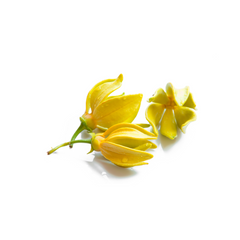
jasmine sambacylang-ylangbenzoin
1998
accent

Romance

Ralph Lauren
by Harry Fremont
white violetgingerroseoakmoss
1995
supporting note

Burberry for Men

Burberry
by Creations Aromatiques
lavendermintcedarwood
2006
top note

Juicy Couture

Juicy Couture
by Harry Fremont
tuberoselilywatermelon
dominant note

Flower Marigold

Tommy Hilfiger
white floralscitrusmusk

Marigold has been featured in a range of influential fragrances, often as a green, fruity, or honeyed accent. In Jo Malone Jasmine Sambac & Marigold (2018, perfumer Mathilde Bijaoui), marigold provides a crisp, green counterpoint to creamy jasmine and ylang-ylang, creating a luminous floral heart. Ralph Lauren Romance (1998, Harry Fremont) uses marigold as a bridge note, linking white violet, ginger, and rose for a fresh, modern floral bouquet. Burberry for Men (1995, Creations Aromatiques) incorporates marigold as a supporting note, adding a sharp, herbal twist to lavender, mint, and cedarwood. Juicy Couture (2006, Harry Fremont) features marigold in the top notes, paired with tuberose and lily for a vibrant, youthful opening. Tommy Hilfiger Flower Marigold (2000s, perfumer unknown) centers marigold as the dominant note, celebrating its apple-green and honeyed facets alongside white florals. In each of these compositions, marigold’s unique scent profile is used to add freshness, complexity, or a touch of pungency. CA Perfume’s marigold-inspired collection draws on this lineage, offering interpretations that highlight the ingredient’s versatility in both modern and classic contexts.

The Accord

How is a captivating Marigold accord crafted?

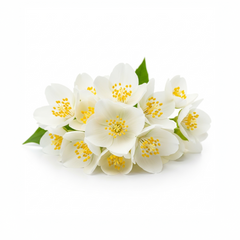
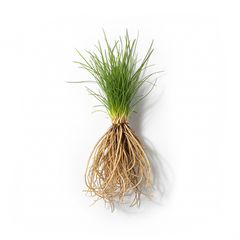
A marigold accord balances green, fruity, and honeyed facets. Marigold absolute (25–30%) provides the pungent, apple-like core. Green apple (20–25%) amplifies the fruity sharpness via hexyl acetate. Jasmine (20–25%) adds floral roundness through benzyl acetate and indole. Vetiver (25–30%) grounds the accord with earthy, woody depth from vetiverol and vetiveryl acetate. This blend creates a multidimensional, long-lasting marigold effect.

30%

Marigold Absolute

25–30% of blend

Provides the core pungent, green, and apple-like scent via tagetenone and ocimene. Essential for the signature marigold effect.

25%

Green Apple

20–25% of blend

Hexyl acetate and (E)-2-hexenal amplify the fruity, crisp facets, enhancing marigold’s natural sharpness.

25%

Jasmine

20–25% of blend

Benzyl acetate and indole from jasmine round out the accord, adding floral smoothness and complexity.

30%

Vetiver

25–30% of blend

Vetiverol and vetiveryl acetate introduce earthy, woody depth, anchoring the volatile green notes of marigold.

The Olfactory Layers

How Marigold Evolves on Skin

Marigold’s olfactory evolution begins with a burst of green, apple-like sharpness, softening into honeyed florals and finishing with earthy, herbal warmth. High-volatility molecules evaporate quickly, while heavier components linger.

I
Top notes
0–15 min
Green Burst

The initial impression is dominated by (E)-ocimene and limonene, producing a sharp, green, and slightly citrusy aroma. These high-volatility molecules evaporate rapidly, creating a vivid, almost medicinal freshness that quickly transitions to the heart.

GreenSharpFruity
II
Heart notes
20–60 min
Honeyed Herb

Tagetenone and methyl anthranilate emerge, lending a honeyed, apple-like, and slightly bitter character. The scent becomes rounder and more floral, with the pungency mellowing as the heavier molecules persist.

HoneyedAppleFloral
III
Base notes
Several hours
Earthy Warmth

As the fragrance dries down, earthy and herbal undertones from sesquiterpenes and vetiverol become prominent. The base is warm, slightly woody, and retains a subtle green bitterness, providing longevity and depth.

EarthyHerbalWarm
TOP NOTES Green Burst 0–15 minutes HEART NOTES Honeyed Herb 20–60 minutes BASE NOTES Earthy Warmth Several hours
Through the Ages

The Story of Marigold in Perfumery

Marigold’s journey in perfumery spans ancient ritual use to modern niche fragrance, with key milestones in extraction and formulation.

Pre-Columbian Era

Ritual Use in Mesoamerica

Marigold (Tagetes erecta) is cultivated by the Aztecs for ceremonial and medicinal purposes. Its scent and color are believed to guide spirits during Day of the Dead rituals in Mexico.

16th Century

Introduction to Europe

Spanish explorers bring marigold seeds from Mexico to Spain, where the plant is cultivated in monastery gardens and later spread throughout Europe for ornamental and medicinal use.

19th Century

First Use in Perfumery

Marigold essential oil is first extracted in Grasse, France, using steam distillation. Early perfumers experiment with tagetes oil as a green modifier in floral compositions.

1998

Modern Floral Accents

Ralph Lauren Romance (Harry Fremont) brings marigold to prominence as an accent note, pairing it with white violet and ginger for a fresh, contemporary floral scent.

2018

Niche and Luminous Florals

Jo Malone Jasmine Sambac & Marigold (Mathilde Bijaoui) showcases marigold as a bridge note, balancing green sharpness with creamy white florals in a modern, luminous composition.

The Art of Layering

How to Layer Marigold

Understanding how to layer marigold involves molecular compatibility: green, fruity, and honeyed notes can be enhanced or softened by specific pairings. Layering marigold with complementary ingredients creates new olfactory dimensions.

01

Enhance Freshness

Pair marigold with citrus notes such as bergamot or grapefruit. Both share high levels of limonene and ocimene, which amplify the green, crisp facets. Jo Malone Jasmine Sambac & Marigold demonstrates this synergy, where citrus top notes brighten the marigold heart.

02

Add Depth

Combine marigold with earthy or woody notes like vetiver or patchouli. Vetiverol and patchoulol molecules interact with marigold’s tagetenone, grounding the sharpness and extending the scent’s longevity. Ralph Lauren Romance uses this technique, blending marigold with oakmoss and patchouli.

03

Soften the Pungency

Layer marigold with creamy florals such as jasmine or ylang-ylang. Benzyl acetate and indole in these florals mask marigold’s bitterness, creating a smoother, more balanced accord. This approach is evident in Juicy Couture, where marigold is paired with lily and tuberose.

Wear It Right

How to Wear Marigold Like a Pro

Seasonal Guide

Fall & Winter

In cooler months, marigold’s earthy and honeyed base notes become more pronounced as lower temperatures suppress the volatility of lighter molecules. Apply to pulse points under clothing to maximize warmth-driven diffusion. The herbal facets add complexity to spicy, woody blends.

Spring

Spring’s mild temperatures accentuate marigold’s green, apple-like top notes. The scent feels crisp and invigorating, pairing well with other florals and citrus. Apply lightly to avoid overwhelming the senses, as increased humidity can amplify projection.

Summer

High heat increases the volatility of marigold’s lighter molecules, making the green and fruity notes more prominent but shorter-lived. Use sparingly and consider layering with aquatic or citrus notes to maintain freshness. Reapply as needed for sustained effect.

Year-Round Tip

Marigold’s adaptability makes it suitable for layering in any season. Adjust application based on temperature and humidity: more in winter for depth, less in summer for freshness. Always test on skin to gauge projection and evolution.

Application Points

Strategic application enhances marigold’s olfactory evolution and projection. Focus on pulse points and areas with moderate warmth.

1

Neck

Applying marigold fragrances to the neck leverages body heat for optimal diffusion of volatile green notes, ensuring the scent projects naturally as you move.

2

Behind the Ears

This area is slightly cooler, allowing marigold’s heart and base notes to develop gradually. It also minimizes risk of phototoxicity from sun exposure.

3

Inner Wrists

Pulse points on the wrists accelerate evaporation of top notes, highlighting marigold’s sharp, green facets. Avoid rubbing to preserve molecular integrity.

4

Hair

Spraying marigold fragrances on hair provides a slow, sustained release of scent. The oil in hair holds volatile molecules, extending the green and fruity impression.

Pro Tip

Layer marigold with a fixative-rich base (such as vetiver or sandalwood) on skin to anchor the volatile top notes and enhance longevity.

Mood Architecture™

Top Marigold Fragrances by Mood Score

These Marigold-based fragrances scored highest on the MEI™ Mood Architecture Framework — measuring how a scent may influence your emotional state.

Highest MEI Score
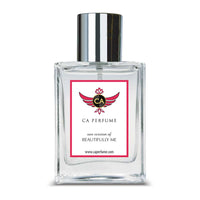
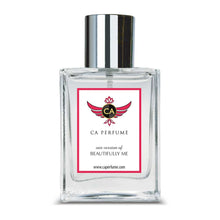
Beautifully Me — Estee Lauder Beautiful Alternative Perfume
8.56
MEI™
Primary Romantic
Secondary Confident
Confidence
7.87
Presence
8.75
Mood Lift
9.5
Identity
8.27
Warmth
9.49
Social Ease
8.35
Energy
4.5
" I am beautiful.
View full mood profile →
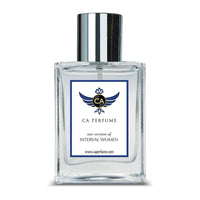
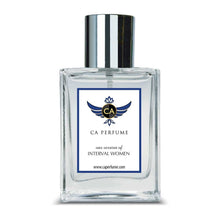
Interval Women — Interlude Women Alternative Perfume
7.45
MEI™
Primary Romantic
Secondary Confident
Confidence
7.29
Presence
8.02
Mood Lift
7.62
Identity
7.83
Warmth
8.8
Social Ease
6.51
Energy
4.8
" I am beautiful.
View full mood profile →
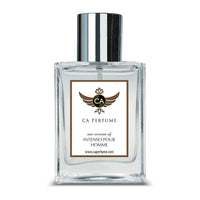
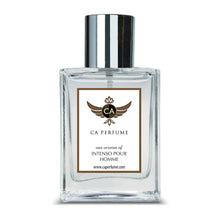
Intenso Pour Homme — Intenso Alternative Cologne
6.97
MEI™
Primary Romantic
Secondary Grounding
Confidence
6.51
Presence
6.89
Mood Lift
7.28
Identity
6.77
Warmth
8.06
Social Ease
6.75
Energy
5.6
" I am beautiful.
View full mood profile →
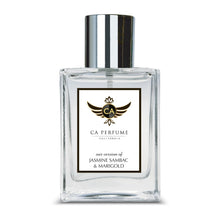
Jasmine Sambac & Marigold — Jo Malone Jasmine Sambac & Marigold Alternative Perfume
5.78
MEI™
Primary Fresh
Secondary Romantic
Confidence
5.02
Presence
5.53
Mood Lift
6.75
Identity
5.16
Warmth
6.53
Social Ease
6.05
Energy
2.2
" I am radiant.
View full mood profile →
HumanSafe™

Top Marigold Fragrances by HumanSafe™ Score

These Marigold-based fragrances have the highest product-level HumanSafe™ scores in this ingredient collection.

Highest HumanSafe™ Score
Jasmine Sambac & Marigold — Jo Malone Jasmine Sambac & Marigold Alternative Perfume
A-
HumanSafe™ Score Generally Safe
Safest Evaluated Ingredients EDP
AQUA Solvent / Carrier ISS 10.0
ACETIC ACID, PHENYLMETHYL ESTER Evaluated ingredient ISS 10.0
HEXYL SALICYLATE Evaluated ingredient ISS 9.0
BENZYL SALICYLATE Evaluated ingredient ISS 9.0
4H-INDEN-4-ONE, 1,2,3,5,6,7-HEXAHYDRO-1,1,2,3,3- Evaluated ingredient ISS 9.0
View full safety profile →
Interval Women — Interlude Women Alternative Perfume
A-
HumanSafe™ Score Generally Safe
Safest Evaluated Ingredients EDP
AQUA Solvent / Carrier ISS 10.0
LINALYL ACETATE Evaluated ingredient ISS 7.0
LINALOOL Evaluated ingredient ISS 7.0
ALCOHOL DENAT. Solvent / Carrier ISS 7.0
1,3,4,6,7,8-HEXAHYDRO-4,6,6,7,8,8- Evaluated ingredient ISS 7.0
D-LIMONENE Evaluated ingredient ISS 6.8
View full safety profile →
Intenso Pour Homme — Intenso Alternative Cologne
A-
HumanSafe™ Score Generally Safe
Safest Evaluated Ingredients EDP
AQUA Solvent / Carrier ISS 10.0
1,4-DIOXACYCLOHEPTADECANE-5,17-DIONE Evaluated ingredient ISS 10.0
7-OCTEN-2-OL, 2,6-DIMETHYL- Evaluated ingredient ISS 9.0
3-CYCLOPENTENE-1-ACETALDEHYDE, 2,2,3-TRIMETHYL-, Evaluated ingredient ISS 9.0
2H-1-BENZOPYRAN-2-ONE Evaluated ingredient ISS 8.0
LINALYL ACETATE Evaluated ingredient ISS 7.0
View full safety profile →
Beautifully Me — Estee Lauder Beautiful Alternative Perfume
A-
HumanSafe™ Score Generally Safe
Safest Evaluated Ingredients EDP
OXACYCLOHEPTADEC-10-EN-2-ONE Evaluated ingredient ISS 10.0
AQUA Solvent / Carrier ISS 10.0
ACETIC ACID, PHENYLMETHYL ESTER Evaluated ingredient ISS 10.0
1,4-DIOXACYCLOHEPTADECANE-5,17-DIONE Evaluated ingredient ISS 10.0
3-CYCLOPENTENE-1-ACETALDEHYDE, 2,2,3-TRIMETHYL-, Evaluated ingredient ISS 9.0
1H-3A,7-METHANOAZULEN-6-OL, OCTAHYDRO-3,6,8,8- Evaluated ingredient ISS 9.0
View full safety profile →
Expert Voices

What Masters Say About Marigold

Marigold’s scent is a unique blend of green, apple, and bitter herbal facets, making it a challenging yet rewarding ingredient for perfumers.
CA Perfume Editorial
The pungency of marigold can dominate a composition if not balanced, but in the right hands, it adds a luminous, memorable signature.
CA Perfume Editorial
Common Questions

Frequently Asked Questions

Answers to common questions about marigold in perfumery.

Marigold in perfume smells green, herbaceous, and apple-like, with a pungent, honeyed undertone. The scent is driven by tagetenone and ocimene, which create a sharp, almost medicinal opening that softens into a sweet, earthy base. Marigold’s complex aroma makes it both distinctive and versatile, used to add freshness or depth in floral, green, and woody compositions.

Marigold is most commonly used as a heart (middle) note in perfumery, though its volatility allows it to bridge top and heart accords. Its green, sharp facets appear early in the fragrance evolution, while the honeyed and earthy aspects persist into the base. The note’s placement depends on the composition and desired effect.

Marigold is favored in niche perfumery for its unique, instantly recognizable scent profile. Its pungent green and apple-like notes add complexity and freshness, while its honeyed undertones provide depth. Niche perfumers value marigold for its ability to create memorable, unconventional accords that stand out from mainstream florals.

Marigold fragrance uses often involve pairing with citrus (bergamot, lemon), florals (jasmine, ylang-ylang), and earthy notes (vetiver, patchouli). These combinations balance marigold’s pungency, enhance its fruity facets, or ground its sharpness. Successful pairings are found in fragrances like Jo Malone Jasmine Sambac & Marigold and Ralph Lauren Romance.

Yes, marigold’s green, fresh facets make it well-suited for summer and hot weather. Its volatile molecules project more strongly in heat, creating a crisp, invigorating effect. However, the scent may dissipate faster, so lighter application or layering with citrus notes is recommended for longevity and freshness.

A marigold fragrance in Eau de Parfum format typically lasts 4–6 hours. The green top notes fade within 30 minutes, while the honeyed and earthy base can linger for several hours, especially when anchored by fixatives like vetiver or sandalwood.

Yes, marigold can be layered with citrus, floral, or woody fragrances to create new olfactory effects. Layering with citrus enhances freshness, while pairing with creamy florals or earthy woods can soften marigold’s pungency and add depth. Always test combinations on skin to ensure molecular compatibility.

For beginners, Jo Malone Jasmine Sambac & Marigold offers a balanced introduction, blending marigold with creamy jasmine and ylang-ylang. Ralph Lauren Romance uses marigold as an accent in a fresh floral bouquet. Both showcase marigold’s signature without overwhelming the wearer.

Explore CA Perfume’s marigold-inspired collection by sampling different formats and concentrations. Consider whether you prefer marigold’s green, fruity, or honeyed facets, and test on skin to observe how the note evolves with your body chemistry. The HumanSafe™ platform provides ingredient transparency for informed selection.

Marigold’s scent is primarily green and herbaceous, with apple-like sweetness and a subtle honeyed undertone. While not overtly spicy, its pungency can add a sharp, almost peppery edge in some compositions. The sweetness is more pronounced in the heart and base notes, especially when paired with creamy florals or fruits.

Green Floral Collection

Explore Our Top Marigold Fragrances

Discover marigold’s unique scent profile in CA Perfume’s curated collection, featuring green, fruity, and honeyed interpretations for every season.

Shop all marigold fragrances at CA Perfume →

Where Marigold Comes From — Origin & Extraction

Marigold used in perfumery is primarily derived from Tagetes species, especially Tagetes minuta (also known as khakibush or huacatay) and Tagetes erecta (African marigold). The plant is native to Mexico and Central America, but is now widely cultivated in India, South Africa, Egypt, and France. India is the largest producer of marigold flowers, with annual production exceeding 1.2 million metric tons, much of which is used for pigment extraction and essential oil. Extraction for perfumery is typically performed via steam distillation of the fresh flowering tops, yielding tagetes oil. The process involves distilling at 100°C for 2–3 hours, with yields ranging from 0.05% to 0.1% by weight. The oil is rich in tagetenone, limonene, and ocimene, which are responsible for its characteristic green and fruity aroma. Solvent extraction may also be used to produce marigold absolute, though this is less common due to cost and complexity. The price of natural tagetes oil ranges from $200–$400/kg, while synthetic substitutes can be produced for $50–$100/kg. Sustainability considerations include the relatively low land and water requirements for marigold cultivation, and the use of byproducts in animal feed and natural colorants. However, large-scale extraction can impact local ecosystems if not managed responsibly. Synthetic tagetes aroma chemicals, such as tagetenone (CAS 67801-64-1), are increasingly used to reduce pressure on wild and cultivated stocks.

Famous Fragrances That Define Marigold in Perfumery

Marigold has been featured in a range of influential fragrances, often as a green, fruity, or honeyed accent. In Jo Malone Jasmine Sambac & Marigold (2018, perfumer Mathilde Bijaoui), marigold provides a crisp, green counterpoint to creamy jasmine and ylang-ylang, creating a luminous floral heart. Ralph Lauren Romance (1998, Harry Fremont) uses marigold as a bridge note, linking white violet, ginger, and rose for a fresh, modern floral bouquet. Burberry for Men (1995, Creations Aromatiques) incorporates marigold as a supporting note, adding a sharp, herbal twist to lavender, mint, and cedarwood. Juicy Couture (2006, Harry Fremont) features marigold in the top notes, paired with tuberose and lily for a vibrant, youthful opening. Tommy Hilfiger Flower Marigold (2000s, perfumer unknown) centers marigold as the dominant note, celebrating its apple-green and honeyed facets alongside white florals. In each of these compositions, marigold’s unique scent profile is used to add freshness, complexity, or a touch of pungency. CA Perfume’s marigold-inspired collection draws on this lineage, offering interpretations that highlight the ingredient’s versatility in both modern and classic contexts.

Natural vs Synthetic Marigold in Perfumery

Natural marigold oil is composed primarily of tagetenone (CAS 67801-64-1), (E)-ocimene (CAS 13877-91-3), and limonene (CAS 138-86-3). Synthetic versions of these molecules are widely available and are used to replicate the green, fruity, and slightly bitter facets of natural marigold. Synthetic tagetenone offers greater batch-to-batch consistency, improved stability, and reduced risk of allergenic impurities compared to natural oil. Performance-wise, synthetic marigold aroma chemicals tend to have longer-lasting diffusion and are less prone to oxidation, making them suitable for modern formulations that require stability over time. Cost is a significant factor: natural tagetes oil can cost $200–$400/kg, while synthetic tagetenone and ocimene are typically $50–$100/kg. Notable fragrances using natural marigold include Jo Malone Jasmine Sambac & Marigold, while many contemporary mass-market scents employ synthetic analogs for consistency and sustainability. From a supply chain perspective, synthetic marigold molecules reduce the environmental impact associated with large-scale flower cultivation and extraction. The HumanSafe™ platform at CA Perfume provides transparency on ingredient sourcing, ensuring both natural and synthetic marigold components are traceable and compliant with IFRA standards. Other key aroma chemicals used to recreate marigold’s scent include methyl anthranilate (CAS 134-20-3) and dihydromyrcenol (CAS 928-96-1), which help modulate the green and fruity aspects.