Ingredient Guide · Woody Aromatic
Woody Aromatic Family · Perfumery Note

Haitian Vetiver

Woody, green, and clean — the signature of Haitian Vetiver.

Haitian Vetiver is a cornerstone base note in perfumery, renowned for its earthy, woody, and subtly smoky character. Its defining scent arises from sesquiterpenes like khusimol and vetivones, with typical usage at 2–5% in compositions.

Haitian Vetiver
Ingredient Profile

Haitian Vetiver

Woody Aromatic Family
Family Woody Aromatic
Note Position Base Note
Usage Level 2–5%
Key Origins Haiti, Indonesia, India
Iconic In Vetiver, Sycomore
The Ingredient

What does Haitian Vetiver smell like and why is it prized in perfumery?

Haitian Vetiver, derived from the roots of Chrysopogon zizanioides, is celebrated in perfumery for its complex, earthy, and woody aroma. The scent profile is defined by a blend of deep, root-like earthiness, subtle smokiness, and a clean, green freshness. This olfactory signature is primarily due to its high content of sesquiterpene alcohols and ketones, notably khusimol, α-vetivone, and β-vetivone. These molecules impart a resinous, slightly sweet undertone, while also contributing to the oil’s remarkable persistence and fixative power. Compared to Indonesian or Javanese vetiver, which leans smoky and leathery, Haitian Vetiver is cleaner, greener, and more transparent, with less bitterness and a pronounced clarity that perfumers value for its versatility. In perfumery, Haitian Vetiver is almost exclusively used as a base note, where it anchors compositions and extends the longevity of more volatile ingredients. Typical concentrations in fine fragrance range from 2–5%, but in vetiver-centric soliflores, it may reach as high as 15%. Its molecular weight and low volatility ensure that it remains detectable on skin for many hours, evolving gradually as lighter notes dissipate. The ingredient interacts with skin chemistry by amplifying earthy and woody facets on warmer, more acidic skin, while on drier or alkaline skin, its green and powdery aspects may be more pronounced. Iconic fragrances that showcase Haitian Vetiver’s character include Guerlain Vetiver (1959, Jean-Paul Guerlain), which set the standard for the note’s use in masculine perfumery, and Chanel Sycomore (2008, Jacques Polge and Christopher Sheldrake), where Haitian Vetiver is paired with sandalwood and cypress for a refined, smoky-woody effect. More contemporary examples include Tom Ford Grey Vetiver (2009, Harry Fremont), which highlights the clean, citrusy facets of Haitian Vetiver, and Ermenegildo Zegna Haitian Vetiver (2014), which uses carrot seed and iris to accentuate its grassy and rooty nuances. These fragrances exemplify how Haitian Vetiver in perfumery can serve as both a dominant theme and a subtle supporting note, depending on the composition.

2–5%
Typical concentration of Haitian Vetiver oil in fine fragrance compositions, ensuring both fixative power and olfactory presence.
7–12 hours
Average longevity of Haitian Vetiver’s base notes on skin, attributed to high molecular weight sesquiterpenes like khusimol and vetivones.
80–100 metric tons
Estimated annual global production of Haitian Vetiver oil, with Haiti accounting for 80–90% of the world’s supply.
Origin & Extraction

Where Haitian Vetiver Comes From — Origin & Extraction

Haitian Vetiver’s scent is shaped by the island’s unique terroir—volcanic soils, tropical rainfall, and artisanal harvesting in Les Cayes yield a cleaner, greener, and more transparent oil than other origins.

Haitian Vetiver is sourced from the roots of Chrysopogon zizanioides (formerly Vetiveria zizanioides), a perennial grass native to India but now cultivated extensively in southwestern Haiti, particularly in the Les Cayes region. Haiti is the world’s leading producer, accounting for approximately 80–90% of global vetiver oil exports, with annual production estimated at 80–100 metric tons. The roots are harvested after 12–18 months of growth, then washed, dried, and cut before extraction. The primary extraction method is steam distillation, a process that can last up to 24 hours per batch. The roots are soaked prior to distillation to maximize yield, which ranges from 1–1.5% of the root’s dry weight. The resulting essential oil is a viscous, golden-brown liquid with a high concentration of sesquiterpenes. The chemical complexity of Haitian Vetiver oil is notable, with over 100 identified constituents, including khusimol, α-vetivone, β-vetivone, and vetivenyl vetivenate. The cost of natural Haitian Vetiver oil fluctuates with global demand and supply chain stability, typically ranging from $250–350 per kilogram for export-grade oil. In contrast, synthetic substitutes such as vetiveryl acetate or methyl cedryl ketone are significantly less expensive, often $30–60 per kilogram, but lack the full olfactory complexity of the natural product. Sustainability is a key consideration in Haitian Vetiver production. The plant’s extensive root system helps prevent soil erosion and supports biodiversity, making it an environmentally beneficial crop. Many producers are adopting organic farming practices and fair-trade certification to ensure long-term viability and equitable economic impact. However, the industry faces challenges from climate change, fluctuating demand, and infrastructure limitations. Despite these issues, Haitian Vetiver remains a vital agricultural export and a cornerstone of the global fragrance industry.

HT

Haiti

Les Cayes region produces 80–90% of global vetiver oil. Volcanic soils, high rainfall, and artisanal steam distillation yield a clean, green, and transparent scent. Annual output: ~80–100 metric tons.

ID

Indonesia

Java and Sumatra regions produce vetiver oil with a smoky, leathery, and bitter profile due to different soil minerals and older copper stills. Annual production: ~80 metric tons.

IN

India

North Indian plains (wild 'khus') yield a balsamic, woody oil with pronounced earthy depth. Harvested from wild and cultivated roots; output: ~20 metric tons.

RE

Réunion (Bourbon)

Bourbon vetiver is rare, with a roseate, sweet, and soft woody profile. Grown on volcanic slopes; now less than 1 metric ton/year, prized for niche perfumery.

Chemistry

Natural vs Synthetic Haitian Vetiver in Perfumery

Natural Haitian Vetiver oil is prized for its depth, complexity, and fixative power, attributes that are difficult to fully replicate with synthetics. The primary aroma chemicals responsible for its scent are khusimol (CAS 2462-96-6), α-vetivone (CAS 110-05-4), and β-vetivone (CAS 110-03-2). Synthetic alternatives such as vetiveryl acetate (CAS 110-05-4), methyl cedryl ketone (CAS 32388-55-9, IFF Vertofix Coeur), and isobutyl ionone are used to mimic certain facets of vetiver’s woody, earthy, or grapefruit-like notes. While synthetics offer greater consistency, stability, and cost efficiency—often priced at $30–60/kg compared to $250–350/kg for natural oil—they lack the multi-layered evolution and subtlety of the genuine article. Performance-wise, natural vetiver oil provides superior longevity and diffusion due to its complex mixture of high molecular weight sesquiterpenes. Synthetics, though stable and reliable, may not deliver the same nuanced evolution on skin. Notable fragrances such as Guerlain Vetiver and Chanel Sycomore rely on high-quality Haitian Vetiver oil, while some modern compositions use vetiveryl acetate or Vertofix Coeur to achieve a cleaner, more linear effect. Sustainability is a growing concern: natural vetiver supports rural economies and environmental stewardship in Haiti, but is subject to supply chain volatility. Synthetic vetiver molecules, while more sustainable in terms of resource use, do not provide the same community benefits. CA Perfume’s HumanSafe™ platform ensures full transparency and traceability for both natural and synthetic vetiver ingredients, prioritizing safety, sustainability, and ethical sourcing.

Natural
Haitian Vetiver Absolute
Cost $3,000–6,000/kg
Method Solvent / CO₂
Character Complex, variable
vs
Synthetic
Safranal & Analogues
Cost $50–200/kg
Method Lab synthesis
Character Consistent, stable
Hall of Fame

Famous Fragrances That Define Haitian Vetiver in Perfumery

1959
dominant note

Vetiver

Guerlain
by Jean-Paul Guerlain
citrusspicestobacco
2008
dominant note

Sycomore

Chanel
by Jacques Polge & Christopher Sheldrake
sandalwoodcypressviolet
2009
dominant note

Grey Vetiver

Tom Ford
by Harry Fremont
grapefruitorange blossomsage
2014
dominant note

Haitian Vetiver

Ermenegildo Zegna
carrot seedirisbergamotneroli
2023
dominant note

Vetiver Haiti

The Merchant of Venice
by Yann Vasnier
precious woods

Haitian Vetiver has been a defining note in perfumery for over a century, with its clean, earthy, and woody facets shaping both classic and contemporary compositions. Guerlain Vetiver (1959, Jean-Paul Guerlain) is a landmark fragrance that established the archetype for vetiver-centric scents, using a high proportion of Haitian Vetiver oil to create a fresh, grassy, and slightly smoky base. Chanel Sycomore (2008, Jacques Polge and Christopher Sheldrake) reinterprets the note with a refined blend of Haitian Vetiver, sandalwood, and cypress, emphasizing its smoky-woody elegance. Tom Ford Grey Vetiver (2009, Harry Fremont) highlights the clean, citrusy aspects of Haitian Vetiver, pairing it with grapefruit and orange blossom for a modern, luminous effect. Ermenegildo Zegna Haitian Vetiver (2014) showcases the ingredient’s grassy and rooty nuances, using carrot seed and iris to accentuate its earthy depth. The Merchant of Venice Vetiver Haiti (2023, Yann Vasnier) is a recent example that pairs Haitian Vetiver with precious woods for a smooth, resinous finish. These fragrances demonstrate the versatility of Haitian Vetiver as both a dominant and supporting note. In each case, the ingredient serves as a bridge between fresh top notes and deeper woody or amber bases, providing structure and longevity. CA Perfume’s collection draws inspiration from this lineage, offering Haitian Vetiver compositions that reflect both tradition and innovation.

The Accord

How is a captivating Haitian Vetiver accord crafted?

A balanced Haitian Vetiver accord blends 35–40% Haitian Vetiver, 20–25% citrus (grapefruit or bergamot), 20–25% iris or carrot seed, and 20–25% sandalwood. Citrus top notes enhance the green clarity of vetiver via shared aldehydes, while iris and carrot seed add powdery, rooty nuances through ionones and carotol. Sandalwood provides a creamy, woody base, smoothing vetiver’s earthy intensity via santalols.

40%

Haitian Vetiver

35–40% of blend

Provides the core earthy, woody, and green facets through khusimol and vetivones, anchoring the accord with lasting depth.

25%

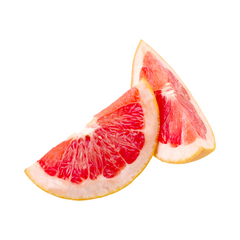
Grapefruit

20–25% of blend

Adds a bright, zesty lift via nootkatone and limonene, enhancing vetiver’s green freshness and volatility.

25%

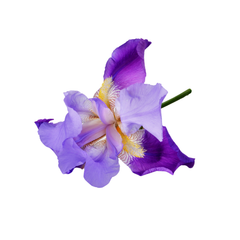
Iris

20–25% of blend

Contributes powdery, rooty, and slightly sweet nuances through irones, complementing the earthy root facets of vetiver.

25%

Sandalwood

20–25% of blend

Provides creamy, woody smoothness via santalols, rounding and softening the sharper edges of vetiver’s earthiness.

The Olfactory Layers

How Haitian Vetiver Evolves on Skin

Haitian Vetiver’s olfactory evolution unfolds over hours. Initial green, citrusy facets (from lighter terpenes and aldehydes) dissipate in 15 minutes, revealing earthy, rooty heart notes as sesquiterpenes emerge. The base persists for 7–12 hours, dominated by khusimol and vetivones, providing woody, smoky, and resinous depth.

I
Top notes
0–15 min
Green Freshness

Bright, green, and slightly citrusy impressions emerge from volatile terpenes and aldehydes, including nootkatone and limonene. These molecules evaporate quickly, providing a fleeting freshness that transitions rapidly to the heart.

GreenCitrusyFresh
II
Heart notes
20–60 min
Earthy Depth

The core earthy, rooty, and woody character develops as sesquiterpenes like khusimol and vetivones dominate. These molecules have lower volatility, lending a persistent, resinous, and subtly smoky depth.

EarthyWoodyRooty
III
Base notes
Several hours
Smoky Musk

Long-lasting, smoky, and slightly sweet nuances persist due to high molecular weight sesquiterpenes and ketones. The scent becomes smoother and more resinous, with powdery undertones and a musky, clean finish.

SmokyResinousMusky
TOP NOTES Green Freshness 0–15 minutes HEART NOTES Earthy Depth 20–60 minutes BASE NOTES Smoky Musk Several hours
Through the Ages

The Story of Haitian Vetiver in Perfumery

Haitian Vetiver’s journey in perfumery spans from ancient medicinal use in India to its modern status as a cornerstone of luxury fragrance, shaped by both tradition and innovation.

Antiquity

Early Use in India

Vetiver roots (khus) used in India for cooling mats, incense, and traditional medicine. The aromatic roots were prized for their refreshing and insect-repellent properties.

1930s

Introduction to Haiti

Vetiver cultivation begins in southwestern Haiti, particularly Les Cayes, establishing the region as a future global leader in vetiver oil production.

1959

Guerlain Vetiver Launch

Jean-Paul Guerlain creates Guerlain Vetiver, setting the standard for vetiver-centric fragrances and cementing Haitian Vetiver’s role in modern perfumery.

2008

Chanel Sycomore Debuts

Chanel Sycomore, composed by Jacques Polge and Christopher Sheldrake, highlights the clean, smoky elegance of Haitian Vetiver in a luxury context.

2014

Ermenegildo Zegna Haitian Vetiver

Zegna releases Haitian Vetiver, focusing on the ingredient’s grassy, rooty nuances and reinforcing its reputation for purity and complexity.

2020s

Sustainable Vetiver Initiatives

Haitian producers adopt organic, fair-trade, and renewable energy practices, ensuring the long-term viability and ethical sourcing of vetiver oil for global perfumery.

The Art of Layering

How to Layer Haitian Vetiver

Understanding how to layer Haitian Vetiver involves molecular compatibility—pairing with notes that share or complement its sesquiterpenes and aldehydes enhances complexity and wearability.

01

Brighten with Citrus

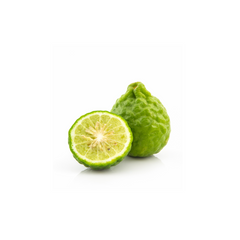
Layering Haitian Vetiver with grapefruit or bergamot leverages shared aldehydes (e.g., nootkatone), amplifying green freshness and moderating earthiness. Tom Ford Grey Vetiver demonstrates this synergy, resulting in a luminous, modern profile.

02

Soften with Iris

Combining Haitian Vetiver with iris or carrot seed introduces ionones and carotol, which mask vetiver’s smokier facets and add powdery, rooty softness. Ermenegildo Zegna Haitian Vetiver uses this pairing for a refined, grassy effect.

03

Deepen with Woods

Layering with sandalwood or cedarwood provides a creamy, woody base via santalols and cedrol, smoothing vetiver’s intensity and enhancing longevity. Chanel Sycomore exemplifies this molecular bridge.

Wear It Right

How to Wear Haitian Vetiver Like a Pro

Seasonal Guide

Fall & Winter

In cooler months, Haitian Vetiver’s smoky, resinous base becomes more pronounced as lower temperatures suppress volatility. Apply to pulse points and layer with amber or leather notes for a richer, longer-lasting effect.

Spring

Spring’s moderate humidity and mild warmth highlight Haitian Vetiver’s green, fresh facets. Pair with citrus or floral notes to accentuate its uplifting character. Apply lightly to avoid overwhelming lighter seasonal scents.

Summer

High temperatures increase molecular diffusion, making the green and citrusy top notes more prominent but shortening longevity. Use EDT or lighter EDP concentrations, and reapply as needed for a refreshing, clean presence.

Year-Round Tip

For consistent performance, apply Haitian Vetiver to well-moisturized skin and consider layering with complementary notes (e.g., grapefruit, iris, sandalwood) to adapt to changing weather and personal style.

Application Points

Strategic application of Haitian Vetiver maximizes its earthy, woody evolution and ensures balanced projection throughout the day.

1

Neck

Applying to the neck allows body heat to enhance the diffusion of top green and citrus notes, while the base develops gradually as the skin warms.

2

Behind the Ears

Pulse points behind the ears provide sustained warmth, helping vetiver’s smoky, musky facets emerge and linger close to the skin.

3

Inner Wrists

The inner wrists offer a direct, intimate experience of vetiver’s evolution; frequent movement aids volatilization of lighter terpenes.

4

Hair

Spraying lightly on hair or clothing enables slow, even release of vetiver’s heavier molecules, prolonging the woody, earthy base throughout the day.

Pro Tip

Layer Haitian Vetiver with citrus or iris-based fragrances on pulse points to modulate its intensity and highlight specific facets according to personal preference.

HumanSafe™

Haitian Vetiver Safety Profile in Our Fragrances

No ingredient collection was found for haitian-vetiver.

Create or connect a collection with the same handle as this ingredient, then add products that contain this ingredient.

Expert Voices

What Masters Say About Haitian Vetiver

Haitian vetiver is considered the world’s finest, prized for its purity, complexity, and rich olfactory depth.
CreoleSizzle Editorial
Haitian Vetiver’s scent profile is defined by khusimol, α-vetivone, and β-vetivone, which together create its signature earthy, woody, and clean aroma.
CA Perfume Editorial
Common Questions

Frequently Asked Questions

Answers to common questions about Haitian Vetiver in perfumery.

Haitian Vetiver in perfume is characterized by an earthy, woody, and clean scent profile, with subtle green and smoky undertones. The aroma is shaped by key molecules such as khusimol and vetivones, which provide depth and persistence. Compared to other vetiver origins, Haitian Vetiver is less bitter and smoky, offering a more transparent, refined, and versatile base note. It is widely used in both classic and modern fragrances for its fixative power and olfactory clarity.

Haitian Vetiver is almost exclusively used as a base note in perfumery. Its high molecular weight sesquiterpenes and low volatility ensure that it anchors compositions and provides long-lasting depth. While some green or citrusy facets may appear in the opening, the core earthy and woody character persists for hours, making it an essential fixative and structural element in fragrance pyramids.

Haitian Vetiver is favored in niche perfumery for its purity, complexity, and versatility. Its clean, green, and earthy profile allows it to serve as both a dominant theme and a supporting note, bridging fresh and woody accords. The ingredient’s artisanal production in Haiti, along with its environmental and economic benefits, also appeals to brands seeking authenticity and sustainability.

Haitian Vetiver fragrance uses often involve pairing with citrus (grapefruit, bergamot), iris, sandalwood, cedarwood, and amber. These notes complement or enhance specific facets of vetiver’s scent profile—citrus brightens, iris softens, and woods deepen the earthy base. Classic examples include Tom Ford Grey Vetiver (citrus), Chanel Sycomore (woods), and Ermenegildo Zegna Haitian Vetiver (iris, carrot seed).

Yes, Haitian Vetiver’s clean, green, and slightly smoky profile makes it well-suited for warm weather. High temperatures enhance its fresh, citrusy top notes and promote molecular diffusion, resulting in a crisp, refreshing presence. Lighter concentrations (EDT or EDP) are recommended for summer, while layering with citrus or floral notes can further optimize wearability.

Haitian Vetiver’s base notes typically last 7–12 hours on skin, thanks to its high content of persistent sesquiterpenes like khusimol and vetivones. Longevity can vary with concentration, skin chemistry, and environmental factors, but the ingredient’s fixative properties ensure that its earthy, woody character remains detectable long after lighter notes have faded.

Yes, Haitian Vetiver is highly compatible for layering due to its molecular complexity and fixative power. It pairs well with citrus, iris, sandalwood, and amber notes, allowing you to customize the scent’s brightness, softness, or depth. Layering techniques can highlight specific facets or adapt the fragrance to different seasons and occasions.

Recommended entry points include Guerlain Vetiver (1959), Tom Ford Grey Vetiver (2009), and Chanel Sycomore (2008). These fragrances showcase Haitian Vetiver’s versatility, balancing green freshness, woody depth, and subtle smokiness. Each offers a different interpretation, making them accessible for those new to the note.

Explore CA Perfume’s collection by considering your preferred scent profile—whether you favor green, citrusy, woody, or smoky facets. Review fragrance pyramids and note pairings to identify compositions that match your style. Sampling multiple options is recommended to experience how Haitian Vetiver evolves on your skin.

Haitian Vetiver is known for its clean, green, and earthy scent, with only subtle smoky undertones. Compared to Indonesian or Javanese vetiver, which can be intensely smoky and leathery, Haitian Vetiver offers a more refined, transparent, and versatile aroma. The balance of these facets depends on extraction method, blending, and concentration.

Woody Aromatic Collection

Explore Our Top Haitian Vetiver Fragrances

Discover CA Perfume’s curated selection of Haitian Vetiver fragrances, each highlighting the note’s earthy, woody, and green facets.

Shop all Haitian Vetiver fragrances at CA Perfume →

Where Haitian Vetiver Comes From — Origin & Extraction

Haitian Vetiver is sourced from the roots of Chrysopogon zizanioides (formerly Vetiveria zizanioides), a perennial grass native to India but now cultivated extensively in southwestern Haiti, particularly in the Les Cayes region. Haiti is the world’s leading producer, accounting for approximately 80–90% of global vetiver oil exports, with annual production estimated at 80–100 metric tons. The roots are harvested after 12–18 months of growth, then washed, dried, and cut before extraction. The primary extraction method is steam distillation, a process that can last up to 24 hours per batch. The roots are soaked prior to distillation to maximize yield, which ranges from 1–1.5% of the root’s dry weight. The resulting essential oil is a viscous, golden-brown liquid with a high concentration of sesquiterpenes. The chemical complexity of Haitian Vetiver oil is notable, with over 100 identified constituents, including khusimol, α-vetivone, β-vetivone, and vetivenyl vetivenate. The cost of natural Haitian Vetiver oil fluctuates with global demand and supply chain stability, typically ranging from $250–350 per kilogram for export-grade oil. In contrast, synthetic substitutes such as vetiveryl acetate or methyl cedryl ketone are significantly less expensive, often $30–60 per kilogram, but lack the full olfactory complexity of the natural product. Sustainability is a key consideration in Haitian Vetiver production. The plant’s extensive root system helps prevent soil erosion and supports biodiversity, making it an environmentally beneficial crop. Many producers are adopting organic farming practices and fair-trade certification to ensure long-term viability and equitable economic impact. However, the industry faces challenges from climate change, fluctuating demand, and infrastructure limitations. Despite these issues, Haitian Vetiver remains a vital agricultural export and a cornerstone of the global fragrance industry.

Famous Fragrances That Define Haitian Vetiver in Perfumery

Haitian Vetiver has been a defining note in perfumery for over a century, with its clean, earthy, and woody facets shaping both classic and contemporary compositions. Guerlain Vetiver (1959, Jean-Paul Guerlain) is a landmark fragrance that established the archetype for vetiver-centric scents, using a high proportion of Haitian Vetiver oil to create a fresh, grassy, and slightly smoky base. Chanel Sycomore (2008, Jacques Polge and Christopher Sheldrake) reinterprets the note with a refined blend of Haitian Vetiver, sandalwood, and cypress, emphasizing its smoky-woody elegance. Tom Ford Grey Vetiver (2009, Harry Fremont) highlights the clean, citrusy aspects of Haitian Vetiver, pairing it with grapefruit and orange blossom for a modern, luminous effect. Ermenegildo Zegna Haitian Vetiver (2014) showcases the ingredient’s grassy and rooty nuances, using carrot seed and iris to accentuate its earthy depth. The Merchant of Venice Vetiver Haiti (2023, Yann Vasnier) is a recent example that pairs Haitian Vetiver with precious woods for a smooth, resinous finish. These fragrances demonstrate the versatility of Haitian Vetiver as both a dominant and supporting note. In each case, the ingredient serves as a bridge between fresh top notes and deeper woody or amber bases, providing structure and longevity. CA Perfume’s collection draws inspiration from this lineage, offering Haitian Vetiver compositions that reflect both tradition and innovation.

Natural vs Synthetic Haitian Vetiver in Perfumery

Natural Haitian Vetiver oil is prized for its depth, complexity, and fixative power, attributes that are difficult to fully replicate with synthetics. The primary aroma chemicals responsible for its scent are khusimol (CAS 2462-96-6), α-vetivone (CAS 110-05-4), and β-vetivone (CAS 110-03-2). Synthetic alternatives such as vetiveryl acetate (CAS 110-05-4), methyl cedryl ketone (CAS 32388-55-9, IFF Vertofix Coeur), and isobutyl ionone are used to mimic certain facets of vetiver’s woody, earthy, or grapefruit-like notes. While synthetics offer greater consistency, stability, and cost efficiency—often priced at $30–60/kg compared to $250–350/kg for natural oil—they lack the multi-layered evolution and subtlety of the genuine article. Performance-wise, natural vetiver oil provides superior longevity and diffusion due to its complex mixture of high molecular weight sesquiterpenes. Synthetics, though stable and reliable, may not deliver the same nuanced evolution on skin. Notable fragrances such as Guerlain Vetiver and Chanel Sycomore rely on high-quality Haitian Vetiver oil, while some modern compositions use vetiveryl acetate or Vertofix Coeur to achieve a cleaner, more linear effect. Sustainability is a growing concern: natural vetiver supports rural economies and environmental stewardship in Haiti, but is subject to supply chain volatility. Synthetic vetiver molecules, while more sustainable in terms of resource use, do not provide the same community benefits. CA Perfume’s HumanSafe™ platform ensures full transparency and traceability for both natural and synthetic vetiver ingredients, prioritizing safety, sustainability, and ethical sourcing.