Ingredient Guide · Resins and Balsams
Resins and Balsams Family · Perfumery Note

Elemi

A resin that bridges freshness and depth in modern perfumery.

Elemi is a resinous note in perfumery, prized for its fresh, peppery-citrus character and unique ability to bridge top and base notes. Its signature aroma is shaped by limonene, elemol, and α-phellandrene, and it is typically used at 0.2–1% in formulas for both lift and fixation.

Elemi
Ingredient Profile

Elemi

Resins and Balsams Family
Family Resins and Balsams
Note Position Heart Note
Usage Level 0.2–1% in formula
Key Origins Philippines, Indonesia (Moluccas), Malaysia
Iconic In Eau des Merveilles, Eau Duelle Eau de Toilette
The Ingredient

What does Elemi smell like and why is it a structural note in perfumery?

Elemi, derived from the resin of Canarium luzonicum, is classified as a resinous-balsamic note with a distinctive scent profile shaped by its high content of limonene, elemol, and α-phellandrene. What does elemi smell like? Its aroma is immediately fresh, with a sharp, lemony-citrus brightness, underpinned by spicy-peppery and piney facets. The presence of terpenic compounds gives elemi a clean, almost medicinal edge, while the drydown reveals woody, balsamic, and faintly honeyed undertones. This complexity means the elemi scent profile is simultaneously uplifting and grounding, making it unique among resins. In perfumery, elemi is typically classified as a heart note or a bridging note, but its volatility allows it to function across the pyramid. Used at concentrations of 0.2–1% in most compositions, elemi acts as a natural fixative, extending the life of volatile citrus and spice notes while smoothing transitions into woody or balsamic bases. Its molecular structure, rich in both volatile monoterpenes and heavier resin acids, allows it to interact dynamically with skin chemistry. On acidic skin, elemi’s citrus and green facets are heightened, while alkaline skin tends to emphasize its balsamic and peppery aspects. Elemi in perfumery is exemplified in fragrances such as Diptyque Eau Duelle Eau de Toilette (2010, Fabrice Pellegrin), where it bridges vanilla and spices, and Hermès Eau des Merveilles (2004, Ralf Schwieger & Nathalie Feisthauer), where elemi’s lemony-peppery lift animates the opening before settling into ambergris and woods. In Dior Homme Sport 2021, elemi’s resinous freshness supports the citrus top, while in Amouage Portrayal Woman, it lends a modern, clean resinous character. These examples illustrate how elemi fragrance uses span from cologne structures to incense and amber compositions.

0.2–1% in formula
Elemi is typically used at 0.2–1% of a fragrance formula. This range allows it to act as a fixative and bridge note without overpowering the composition, leveraging its high volatility and complex aroma.
5–7 hours
The average longevity of elemi’s scent on skin is 5–7 hours, with the citrus-peppery top lasting 30–60 minutes and the woody-balsamic base persisting for several hours, depending on concentration and skin chemistry.
90%+ from Philippines
Over 90% of the world’s elemi resin is sourced from the Philippines, primarily the Bicol and Luzon regions. This concentration of production shapes the global aromatic profile and supply chain.
Origin & Extraction

Where Elemi Comes From — Origin & Extraction

Elemi’s scent character is closely tied to its Philippine origin, where volcanic soils and tropical rainfall yield resin with pronounced citrus-peppery brightness. Minor production in the Moluccas and Southeast Asia offers subtle variations in aromatic profile due to climate and soil differences.

Elemi is the oleoresin exudate of Canarium luzonicum (Burseraceae), a tropical evergreen native to the Philippines, with minor production in the Moluccas and parts of Southeast Asia. The Philippines accounts for over 90% of global elemi resin supply, with annual harvests estimated at several hundred metric tons. The resin is tapped by making incisions in the bark during the rainy season, yielding a pale yellow, semi-solid mass that hardens on exposure to air. After collection, the resin is sorted and cleaned to remove bark and debris. The primary extraction method for perfumery-grade elemi is steam distillation, which yields elemi essential oil at a rate of 10–20% by weight. This process operates at temperatures of 100–110°C, vaporizing the volatile terpenes and condensing them into a colorless to pale yellow oil. Solvent extraction (using ethanol or acetone) produces elemi resinoid or absolute, which is richer in oxygenated compounds and offers a deeper, more balsamic profile. Supercritical CO₂ extraction is also used for a more complete aromatic spectrum, though it is less common due to higher costs. Natural elemi oil is priced at $300–500/kg for essential oil and $400–700/kg for resinoid, while synthetic substitutes (based on limonene or terpenic fractions) cost $30–60/kg. Sustainability concerns center on overharvesting and habitat loss, but wild harvesting remains the norm, with some initiatives for managed cultivation. The resin’s rapid regeneration allows for repeated tapping, but improper methods can damage trees. CAS numbers: essential oil 8023-89-0, resinoid 9000-75-3.

PH

Philippines

The Bicol and Luzon regions are the primary sources, producing over 90% of global elemi. Volcanic soils, high humidity, and seasonal rainfall yield resin with intense lemony-peppery freshness and high limonene content. Wild harvesting is the norm, with annual production estimated at 500–700 metric tons.

ID

Indonesia (Moluccas)

The Moluccas (Spice Islands) produce smaller quantities of elemi with a slightly softer, more balsamic profile. Resin is harvested from wild Canarium species, and the region’s lower altitude and maritime climate result in a resin with milder citrus and pronounced woody undertones.

MY

Malaysia

Limited production occurs in Sabah and Sarawak, where elemi is harvested from wild trees in lowland rainforests. The resin here is noted for a greener, slightly herbal nuance, attributed to higher levels of α-phellandrene and terpineol.

Chemistry

Natural vs Synthetic Elemi in Perfumery

Natural elemi oil is a complex mixture dominated by limonene (CAS 138-86-3), α-phellandrene (CAS 99-83-2), and elemol (CAS 639-99-6). These compounds provide the characteristic citrus, terpenic, and peppery facets. Synthetic approaches focus on isolating or replicating these molecules, with limonene and α-phellandrene produced via fractional distillation of citrus oils or petrochemical synthesis. Elemol, though less commonly synthesized, is available as a pure aroma chemical for fine-tuning resinous accords. Performance-wise, natural elemi offers greater olfactory complexity and a dynamic evolution on skin, while synthetic blends provide consistency, stability, and cost efficiency. Synthetic elemi fractions are often used in mass-market perfumery for their lower allergen content and batch-to-batch uniformity. Notable fragrances such as Dior Homme Sport 2021 and Hermès Eau des Merveilles use natural elemi for its nuanced transitions, while some modern colognes employ synthetic terpenic blends for clarity and longevity. Sustainability is a key consideration: natural elemi harvesting, if unmanaged, can threaten wild populations, whereas synthetics reduce pressure on native forests. The HumanSafe™ platform ensures full traceability and IFRA compliance for both natural and synthetic elemi, with transparency on sourcing and allergen content. CA Perfume prioritizes HumanSafe™ verified elemi, balancing olfactory authenticity with environmental responsibility.

Natural
Elemi Absolute
Cost $3,000–6,000/kg
Method Solvent / CO₂
Character Complex, variable
vs
Synthetic
Safranal & Analogues
Cost $50–200/kg
Method Lab synthesis
Character Consistent, stable
Hall of Fame

Famous Fragrances That Define Elemi in Perfumery

2004
bridge note

Eau des Merveilles

Hermès
by Ralf Schwieger & Nathalie Feisthauer
orangelemonambergrisoakcedar
2010
bridge note

Eau Duelle Eau de Toilette

Diptyque
by Fabrice Pellegrin
vanillaspicesblack teacardamom
2021
supporting note

Dior Homme Sport 2021

Dior
by François Demachy
citruspink pepperwoods
2019
dominant note

Portrayal Woman

Amouage
by Annick Menardo
tobaccovanillajasmine
2021
accent

Stronger With You Absolutely

Emporio Armani
by Cécile Matton
rumlavenderchestnutvanilla

Elemi has played a pivotal role in both classic and contemporary perfumery, valued for its ability to bridge fresh and resinous structures. In Hermès Eau des Merveilles (2004, Ralf Schwieger & Nathalie Feisthauer), elemi’s lemony-peppery brightness animates the opening, supporting a composition built on ambergris, cedar, and oak. Diptyque Eau Duelle Eau de Toilette (2010, Fabrice Pellegrin) uses elemi as a bridge between vanilla and spices, lending clarity and lift to the heart. Dior Homme Sport 2021 (François Demachy) features elemi in the heart, where its resinous freshness extends the citrus top and smooths the transition to woods. In Amouage Portrayal Woman (2019, Annick Menardo), elemi is paired with tobacco and vanilla, providing a clean, modern resinous character that avoids heaviness. Emporio Armani Stronger With You Absolutely (2021, Cécile Matton) employs elemi as a supporting note, enhancing the spicy-amber structure and prolonging the radiance of top notes. These fragrances illustrate the versatility of elemi fragrance uses: as a dominant note, bridge, or fixative, often paired with citrus, vanilla, woods, and other resins. CA Perfume’s collection draws inspiration from this lineage, offering elemi-forward compositions that showcase its structural role.

The Accord

How is a captivating Elemi accord crafted?

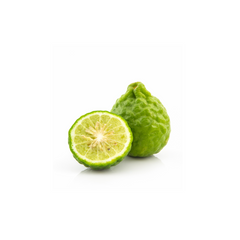
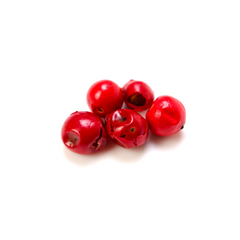
A balanced elemi accord typically blends Elemi (25–30%), Bergamot (20–25%), Pink Pepper (20–25%), and Cedarwood (25–30%). Elemi provides the citrus-peppery resinous core. Bergamot’s high limonene content amplifies elemi’s brightness and volatility. Pink Pepper introduces a spicy, terpenic top note that synergizes with elemi’s α-phellandrene. Cedarwood anchors the accord, reinforcing the woody-balsamic drydown and extending longevity. This structure creates a seamless transition from sparkling top to resinous base.

30%

Elemi

25–30% of blend

Provides the citrus-peppery, resinous core via limonene, elemol, and α-phellandrene. Essential for bridging freshness and depth.

25%

Bergamot

20–25% of blend

High in limonene, bergapten, and linalyl acetate, bergamot amplifies elemi’s brightness and enhances top-note volatility.

25%

Pink Pepper

20–25% of blend

Adds a terpenic, spicy lift through α-phellandrene and limonene, creating synergy with elemi’s peppery facets.

30%

Cedarwood

25–30% of blend

Anchors the accord with sesquiterpenes (cedrol, thujopsene), reinforcing woody-balsamic depth and extending longevity.

The Olfactory Layers

How Elemi Evolves on Skin

Elemi’s olfactory evolution is defined by its high volatility and complex terpene content. The top notes (0–15 minutes) are dominated by limonene and α-phellandrene, creating a sparkling citrus-peppery opening. As these evaporate, the heart reveals resinous, woody, and green facets, while the base settles into a soft balsamic-woody drydown, supported by elemol and resin acids.

I
Top notes
0–15 min
Citrus-Pepper Spark

The initial impression is a burst of lemony-citrus, green, and peppery freshness, driven by limonene (up to 60% of the oil), α-phellandrene, and terpineol. These highly volatile monoterpenes evaporate rapidly, producing a clean, airy effect reminiscent of pine needles and citrus zest.

citrus-brightpepperyterpenic
II
Heart notes
20–60 min
Resinous Bridge

As the top fades, elemi’s heart reveals a resinous, woody-green character. Elemol and β-eudesmol provide peppery, slightly floral warmth, while residual limonene maintains freshness. This stage bridges citrus and balsamic, creating a seamless transition in the fragrance pyramid.

resinouswoody-greenfloral-warm
III
Base notes
Several hours
Balsamic Veil

The drydown is softly balsamic and woody, anchored by heavier resin acids and sesquiterpenes. Elemol and resinous fixatives provide gentle persistence, with a faint honeyed sweetness and subtle smokiness. The base lingers as a clean, modern resinous veil.

balsamicwoodyhoneyed
TOP NOTES Citrus-Pepper Spark 0–15 minutes HEART NOTES Resinous Bridge 20–60 minutes BASE NOTES Balsamic Veil Several hours
Through the Ages

The Story of Elemi in Perfumery

Elemi’s history in perfumery spans ancient ritual use to modern niche fragrance, evolving from sacred incense to a structural note prized for its versatility.

Ancient Egypt

Mummification and Ritual Use

Elemi resin was used in embalming mixtures and incense, valued for its preservative and aromatic properties. Its lemony-peppery scent was believed to purify and protect, as documented in temple rituals and tombs.

17th Century

Introduction to European Apothecaries

Physicians such as J.J. Wecker popularized elemi in Europe for wound healing and ointments. The resin’s aroma gained favor in medicinal balms and early cologne formulas.

1966

Eau Sauvage by Dior

François Demachy’s reinterpretation of the classic Eau Sauvage included elemi in the 2017 Parfum edition, showcasing its ability to bridge citrus and woody notes in a modern structure.

2004

Eau des Merveilles by Hermès

Ralf Schwieger and Nathalie Feisthauer used elemi to animate the opening, setting a new standard for resinous freshness in contemporary perfumery.

2010s–2020s

Niche and Modern Natural Perfumery

Elemi becomes a staple in niche fragrances, valued for its bridging role and clean, modern resinous profile. Its use expands in both natural and hybrid formulas, reflecting consumer demand for botanical complexity and traceable sourcing.

The Art of Layering

How to Layer Elemi

Understanding how to layer elemi is key to maximizing its bridging potential. At a molecular level, elemi’s terpenes interact with citrus, woods, and spices to create seamless transitions and enhanced complexity.

01

Enhance Freshness

Layering elemi with bergamot or lemon amplifies the limonene content, resulting in a sparkling, radiant opening. This synergy extends the freshness of both notes, as seen in Hermès Eau des Merveilles and Diptyque Eau Duelle. The shared terpenic backbone ensures a cohesive, uplifting effect.

02

Add Depth

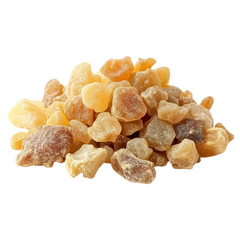
Pairing elemi with incense or frankincense leverages their shared resin acids and α-phellandrene, creating a complex, multi-layered resin accord. This combination is exemplified in Amouage Portrayal Woman, where elemi’s clean resinous lift balances the depth of tobacco and vanilla.

03

Soften the Edge

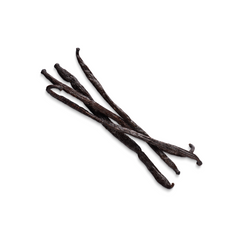
Combining elemi with vanilla or tonka bean introduces vanillin, which masks elemi’s sharper terpenic facets through olfactory suppression. This produces a smoother, more rounded drydown, as demonstrated in Emporio Armani Stronger With You Absolutely.

Wear It Right

How to Wear Elemi Like a Pro

Seasonal Guide

Fall & Winter

Cooler temperatures slow the evaporation of elemi’s volatile terpenes, allowing its woody-balsamic base to linger. Apply to pulse points and under clothing to maximize warmth and projection. Layer with amber or incense notes for added depth and persistence.

Spring

Moderate temperatures highlight elemi’s citrus-peppery freshness. Apply lightly to exposed skin for a clean, uplifting effect. Pair with green or floral notes to accentuate the resin’s natural brightness and create a seamless transition into warmer weather.

Summer

Heat increases elemi’s volatility, intensifying the initial citrus-peppery burst but shortening its duration. Apply sparingly to cooler areas (inner wrists, behind ears) and avoid direct sunlight to prevent rapid evaporation. Layer with citrus or aquatic notes for a refreshing, airy effect.

Year-Round Tip

Humidity enhances elemi’s projection and sillage. In high humidity, use minimal application to avoid overwhelming freshness. In dry climates, moisturize skin before application to prolong the woody-balsamic base. Elemi’s versatility makes it suitable for daily wear in any season.

Application Points

Strategic application of elemi-based fragrances maximizes both freshness and longevity. Pulse points and hair offer different diffusion profiles.

1

Neck

Applying elemi to the neck leverages body heat to accelerate the release of volatile terpenes, enhancing the initial citrus-peppery lift. This area ensures moderate projection and a dynamic scent evolution.

2

Behind the Ears

Behind the ears is a cooler pulse point, allowing elemi’s top notes to linger slightly longer before transitioning to the woody-balsamic base. Ideal for subtle, close-to-skin diffusion.

3

Inner Wrists

The inner wrists provide warmth and movement, intensifying elemi’s opening and facilitating a rapid evolution through the fragrance pyramid. Avoid rubbing to preserve the integrity of the top notes.

4

Hair

Spraying elemi-based fragrance on hair offers sustained, gentle diffusion. The resinous and woody facets persist, while the citrus-peppery top is subtly refreshed with each movement.

Pro Tip

Layer elemi with a moisturizer or unscented oil base to slow evaporation and enhance longevity, especially in dry climates. This technique preserves both the fresh and balsamic aspects.

Mood Architecture™

Top Elemi Fragrances by Mood Score

These Elemi-based fragrances scored highest on the MEI™ Mood Architecture Framework — measuring how a scent may influence your emotional state.

Highest MEI Score
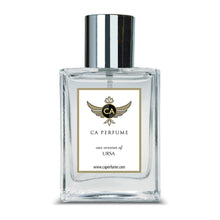
Ursa — Tiziana Terenzi Ursa Alternative Perfume
7.64
MEI™
Primary Magnetic
Secondary Confident
Confidence
8.69
Presence
9.5
Mood Lift
6.82
Identity
9.5
Warmth
8.23
Social Ease
5.92
Energy
3.1
" I am bold.
View full mood profile →
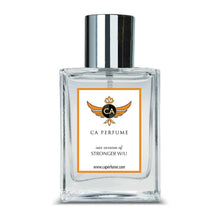
Stronger W / U — Stronger With You Alternative Cologne
6.96
MEI™
Primary Romantic
Secondary Grounding
Confidence
5.83
Presence
5.99
Mood Lift
7.63
Identity
6.02
Warmth
8.69
Social Ease
7.65
Energy
4.5
" I am beautiful.
View full mood profile →
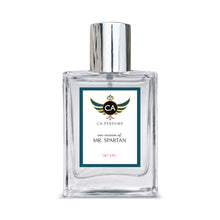
Mr. Spartan — Sauvage Alternative Cologne
6.69
MEI™
Primary Fresh
Secondary Confident
Confidence
6.52
Presence
6.75
Mood Lift
7.54
Identity
5.92
Warmth
6.19
Social Ease
6.92
Energy
3.8
" I am radiant.
View full mood profile →
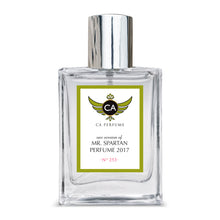
Mr. Spartan Perfume 2017 — Eau Sauvage Parfum 2017 Alternative Cologne
6.48
MEI™
Primary Fresh
Secondary Confident
Confidence
6.25
Presence
6.5
Mood Lift
7.33
Identity
5.96
Warmth
6.16
Social Ease
6.58
Energy
3.8
" I am radiant.
View full mood profile →
HumanSafe™

Top Elemi Fragrances by HumanSafe™ Score

These Elemi-based fragrances have the highest product-level HumanSafe™ scores in this ingredient collection.

Highest HumanSafe™ Score
Ursa — Tiziana Terenzi Ursa Alternative Perfume
A-
HumanSafe™ Score Generally Safe
Safest Evaluated Ingredients EDP
AQUA Solvent / Carrier ISS 10.0
1,4-DIOXACYCLOHEPTADECANE-5,17-DIONE Evaluated ingredient ISS 10.0
3-BUTEN-2-ONE, 3-METHYL-4-(2,6,6-TRIMETHYL-2- Evaluated ingredient ISS 8.0
CYCLOHEXANEPROPANOL, 2,2,6-TRIMETHYL-.ALPHA.-PROPYL- Evaluated ingredient ISS 7.0
CEDROL Evaluated ingredient ISS 7.0
ALPHA-CEDRENE Evaluated ingredient ISS 7.0
View full safety profile →
Stronger W / U — Stronger With You Alternative Cologne
A-
HumanSafe™ Score Generally Safe
Safest Evaluated Ingredients EDP
AQUA Solvent / Carrier ISS 10.0
1,4-DIOXACYCLOHEPTADECANE-5,17-DIONE Evaluated ingredient ISS 10.0
HEXYL SALICYLATE Evaluated ingredient ISS 9.0
AMBROXIDE Evaluated ingredient ISS 9.0
View full safety profile →
Mr. Spartan Perfume 2017 — Eau Sauvage Parfum 2017 Alternative Cologne
A-
HumanSafe™ Score Generally Safe
Safest Evaluated Ingredients EDP
AQUA Solvent / Carrier ISS 10.0
7-OCTEN-2-OL, 2,6-DIMETHYL- Evaluated ingredient ISS 9.0
2H-1-BENZOPYRAN-2-ONE Evaluated ingredient ISS 8.0
2-HEXENE, 6,6-DIMETHOXY-2,5,5-TRIMETHYL- Evaluated ingredient ISS 8.0
LINALYL ACETATE Evaluated ingredient ISS 7.0
LINALOOL Evaluated ingredient ISS 7.0
View full safety profile →
Mr. Spartan — Sauvage Alternative Cologne
A-
HumanSafe™ Score Generally Safe
Safest Evaluated Ingredients EDP
AQUA Solvent / Carrier ISS 10.0
7-OCTEN-2-OL, 2,6-DIMETHYL- Evaluated ingredient ISS 9.0
4H-INDEN-4-ONE, 1,2,3,5,6,7-HEXAHYDRO-1,1,2,3,3- Evaluated ingredient ISS 9.0
2-HEXENE, 6,6-DIMETHOXY-2,5,5-TRIMETHYL- Evaluated ingredient ISS 8.0
LINALYL ACETATE Evaluated ingredient ISS 7.0
LINALOOL Evaluated ingredient ISS 7.0
View full safety profile →
Expert Voices

What Masters Say About Elemi

Elemi has a very fresh spicy piney balsamic smell with citrus facet.
Fragrantica Editorial
Elemi’s olfactory profile is shaped by limonene, α-phellandrene, and elemol, creating a unique bridge between citrus and resinous notes in modern perfumery.
CA Perfume Editorial
Common Questions

Frequently Asked Questions

Answers to common questions about elemi’s scent, use, and performance in perfumery.

Elemi in perfume smells fresh, citrusy, and peppery, with a distinctive resinous undertone. The top notes are dominated by limonene, giving a lemony brightness, while α-phellandrene and elemol provide piney, terpenic, and balsamic facets. The result is a clean, modern resin aroma that bridges freshness and depth, as seen in fragrances like Hermès Eau des Merveilles and Diptyque Eau Duelle.

Elemi is most often classified as a heart or bridging note, but its high volatility allows it to function across the fragrance pyramid. Its citrus-peppery top is prominent in the opening, while its resinous and woody facets persist into the base. This versatility makes elemi valuable for connecting top and base notes in complex compositions.

Elemi is favored in niche perfumery for its ability to create seamless transitions between fresh and resinous elements. Its molecular complexity, combining volatile terpenes and heavier resin acids, allows it to act as both a fixative and a freshness agent. Niche brands value its traceable origin, botanical richness, and capacity to add both lift and depth without synthetic shortcuts.

Elemi fragrance uses include pairing with citrus (bergamot, lemon), woods (cedarwood, sandalwood), spices (pink pepper, cardamom), and other resins (frankincense, myrrh). These combinations leverage shared terpenic and resinous molecules, creating harmonious, multi-dimensional accords that are both fresh and long-lasting.

Yes, elemi’s high volatility and citrus-peppery freshness make it well-suited for summer and hot weather. The top notes project more intensely in heat, providing an uplifting, clean effect. However, the scent may dissipate faster, so lighter application and layering with citrus or aquatic notes are recommended for optimal performance.

A typical elemi fragrance lasts 5–7 hours on skin. The citrus-peppery top endures for 30–60 minutes, while the woody-balsamic base persists for several hours, especially in Eau de Parfum or oil-based formats. Longevity varies with concentration, skin chemistry, and environmental conditions.

Yes, elemi is highly versatile for layering due to its bridging molecular structure. It pairs well with citrus for added freshness, with woods for depth, and with vanilla or amber for a smoother, more rounded drydown. Layering enhances both projection and complexity, as demonstrated in Hermès Eau des Merveilles and Amouage Portrayal Woman.

For those new to elemi, recommended fragrances include Hermès Eau des Merveilles (2004), Diptyque Eau Duelle Eau de Toilette (2010), and Dior Homme Sport 2021. These compositions showcase elemi’s fresh, resinous character in accessible, balanced structures, making them ideal entry points for exploring this note.

To choose the right elemi fragrance at CA Perfume, consider your preferred scent profile—whether you favor citrus-fresh, woody, or balsamic compositions. Review the fragrance pyramid and note pairings in each product description. Sampling is recommended, as elemi’s evolution can vary with skin chemistry and season.

Elemi is primarily perceived as clean, fresh, and citrus-peppery, with only a subtle smoky undertone in the base. Its high limonene and terpenic content create a sparkling, modern resin profile, while the balsamic drydown may carry a faint hint of smoke, especially when paired with incense or woods.

Resins and Balsams Collection

Explore Our Top Elemi Fragrances

Discover CA Perfume’s curated selection of elemi-forward fragrances, each showcasing the resin’s unique ability to bridge freshness and depth in modern compositions.

Shop all elemi fragrances at CA Perfume →

Where Elemi Comes From — Origin & Extraction

Elemi is the oleoresin exudate of Canarium luzonicum (Burseraceae), a tropical evergreen native to the Philippines, with minor production in the Moluccas and parts of Southeast Asia. The Philippines accounts for over 90% of global elemi resin supply, with annual harvests estimated at several hundred metric tons. The resin is tapped by making incisions in the bark during the rainy season, yielding a pale yellow, semi-solid mass that hardens on exposure to air. After collection, the resin is sorted and cleaned to remove bark and debris. The primary extraction method for perfumery-grade elemi is steam distillation, which yields elemi essential oil at a rate of 10–20% by weight. This process operates at temperatures of 100–110°C, vaporizing the volatile terpenes and condensing them into a colorless to pale yellow oil. Solvent extraction (using ethanol or acetone) produces elemi resinoid or absolute, which is richer in oxygenated compounds and offers a deeper, more balsamic profile. Supercritical CO₂ extraction is also used for a more complete aromatic spectrum, though it is less common due to higher costs. Natural elemi oil is priced at $300–500/kg for essential oil and $400–700/kg for resinoid, while synthetic substitutes (based on limonene or terpenic fractions) cost $30–60/kg. Sustainability concerns center on overharvesting and habitat loss, but wild harvesting remains the norm, with some initiatives for managed cultivation. The resin’s rapid regeneration allows for repeated tapping, but improper methods can damage trees. CAS numbers: essential oil 8023-89-0, resinoid 9000-75-3.

Famous Fragrances That Define Elemi in Perfumery

Elemi has played a pivotal role in both classic and contemporary perfumery, valued for its ability to bridge fresh and resinous structures. In Hermès Eau des Merveilles (2004, Ralf Schwieger & Nathalie Feisthauer), elemi’s lemony-peppery brightness animates the opening, supporting a composition built on ambergris, cedar, and oak. Diptyque Eau Duelle Eau de Toilette (2010, Fabrice Pellegrin) uses elemi as a bridge between vanilla and spices, lending clarity and lift to the heart. Dior Homme Sport 2021 (François Demachy) features elemi in the heart, where its resinous freshness extends the citrus top and smooths the transition to woods. In Amouage Portrayal Woman (2019, Annick Menardo), elemi is paired with tobacco and vanilla, providing a clean, modern resinous character that avoids heaviness. Emporio Armani Stronger With You Absolutely (2021, Cécile Matton) employs elemi as a supporting note, enhancing the spicy-amber structure and prolonging the radiance of top notes. These fragrances illustrate the versatility of elemi fragrance uses: as a dominant note, bridge, or fixative, often paired with citrus, vanilla, woods, and other resins. CA Perfume’s collection draws inspiration from this lineage, offering elemi-forward compositions that showcase its structural role.

Natural vs Synthetic Elemi in Perfumery

Natural elemi oil is a complex mixture dominated by limonene (CAS 138-86-3), α-phellandrene (CAS 99-83-2), and elemol (CAS 639-99-6). These compounds provide the characteristic citrus, terpenic, and peppery facets. Synthetic approaches focus on isolating or replicating these molecules, with limonene and α-phellandrene produced via fractional distillation of citrus oils or petrochemical synthesis. Elemol, though less commonly synthesized, is available as a pure aroma chemical for fine-tuning resinous accords. Performance-wise, natural elemi offers greater olfactory complexity and a dynamic evolution on skin, while synthetic blends provide consistency, stability, and cost efficiency. Synthetic elemi fractions are often used in mass-market perfumery for their lower allergen content and batch-to-batch uniformity. Notable fragrances such as Dior Homme Sport 2021 and Hermès Eau des Merveilles use natural elemi for its nuanced transitions, while some modern colognes employ synthetic terpenic blends for clarity and longevity. Sustainability is a key consideration: natural elemi harvesting, if unmanaged, can threaten wild populations, whereas synthetics reduce pressure on native forests. The HumanSafe™ platform ensures full traceability and IFRA compliance for both natural and synthetic elemi, with transparency on sourcing and allergen content. CA Perfume prioritizes HumanSafe™ verified elemi, balancing olfactory authenticity with environmental responsibility.