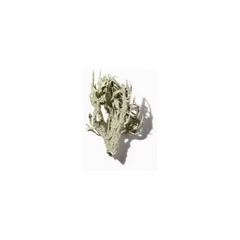
Cypress (Cupressus sempervirens) in perfumery is defined by its dry, woody-green, and coniferous scent profile, underpinned by key molecules such as α-pinene, δ-3-carene, and cedrol. The essential oil, derived from the needles and twigs, opens with a crisp, terpenic freshness—brighter and drier than pine, less sweet than cedarwood, and with a faintly smoky, mineral undertone. This aromatic complexity is what gives cypress its distinctive olfactory signature, often described as evoking Mediterranean landscapes and sun-baked woodlands. The 'what does cypress smell like' question is best answered as: dry, green, resinous, and slightly spicy, with a persistent, tenacious woody backbone.
In perfumery, cypress is classified as a top-to-heart note, though its tenacity allows it to persist into the base of many compositions. Used typically at concentrations of 0.5–3% in the formula, cypress acts as a structural modifier—providing verticality and aromatic lift, especially in fougère, chypre, and fresh woody blends. Its interaction with skin chemistry is notable: the high terpene content (especially α-pinene) can amplify freshness on warmer, more acidic skin, while the cedrol and sesquiterpenes lend a subtle warmth and persistence. Cypress in perfumery is rarely the dominant note; instead, it bridges citrus top notes and deeper woods, enhancing clarity and structure.
Iconic fragrances that exemplify cypress’s role include Lalique Encre Noire (2006, Nathalie Lorson), where cypress forms the aromatic backbone alongside vetiver and musk, and Tom Ford Costa Azzurra (2021, Yann Vasnier), which uses cypress to evoke Mediterranean coastlines, pairing it with oud, vetiver, and citrus. Jo Malone London Cypress & Grapevine Cologne Intense (2020, Sophie Labbé) demonstrates cypress’s ability to bring a dry, green, and elegant freshness to woody compositions.