Ingredient Guide · Floral
Floral Family · Perfumery Note

Costus

A complex base note with woody and violet nuances

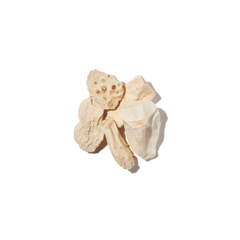
Costus is a base note in perfumery derived from the roots of Saussurea costus, known for its animalic, woody, and violet facets. Key molecules include costunolide and dehydrocostus lactone, used at trace levels below 0.1%.

Costus
Ingredient Profile

Costus

Floral Family
Family Floral
Note Position Base Note
Usage Level 0.01–0.1%
Key Origins India, China, Pakistan
Iconic In Chypre Palatin, A Taste of Heaven
The Ingredient

What does Costus smell like and why is it significant in perfumery?

Costus in perfumery is derived from the roots of Saussurea costus (syn. Aucklandia costus, Saussurea lappa), a plant native to the Himalayas. The scent is intensely animalic, characterized by warm, fatty, and hairy nuances with woody and violet-orris undertones. Key chemical constituents responsible for this profile are sesquiterpene lactones such as costunolide (C15H20O2) and dehydrocostus lactone (C15H18O2), which impart the distinctive creamy, nutty, and slightly green facets. The odor is often described as reminiscent of unwashed hair, damp animal fur, or human scalp warmed by the sun, producing a primal, skin-warm intimacy. In perfumery, costus functions primarily as a base note and fixative, used at very low concentrations typically between 0.01% and 0.1% due to its potent and polarizing character. It bridges clean florals and raw animalics, enhancing oriental, chypre, and leather accords without the fecal or overly sweet edges of civet or musk. Costus interacts with skin chemistry by evolving from a strong animalic intensity at full concentration to a softer, violet-powdery warmth when diluted, which contributes to its complexity and longevity. Notable fragrances featuring costus include MDCI Parfums' Chypre Palatin (2012), where it acts as a daring animalic accent in a chypre structure, and Kilian's A Taste of Heaven, which uses costus to add a warm, fur-like depth. Other examples are Jean Paul Gaultier's Le Male Essence de Parfum (2016) and Francesca Bianchi's Under My Skin (2017), demonstrating costus's versatility in modern niche and oriental compositions.

0.01–0.1%
Typical concentration range of costus in perfume formulations to balance potency and wearability.
316 hours
Substantivity of costus essential oil at 100% concentration as recorded by TGSC, indicating exceptional longevity.
0.3–1%
Commercial yield range of costus essential oil from steam distillation of dried roots.
Origin & Extraction

Where Costus Comes From — Origin & Extraction

Costus originates primarily from the Himalayan regions where altitude, soil pH, and climate influence its aromatic profile. The plant thrives in cool, shaded environments with well-drained, slightly acidic soils, contributing to the root's complex, animalic, and woody scent.

Costus is extracted from the dried roots of Saussurea costus (syn. Aucklandia costus, Saussurea lappa), a perennial plant native to the western Himalayas, including regions of Kashmir, Himachal Pradesh, and Uttarakhand in India, as well as parts of China (Yunnan) and Pakistan. The plant grows at high altitudes between 2,500 and 3,500 meters, thriving in slightly acidic to neutral soils (pH 6.0–7.0) with good drainage and partial shade. The essential oil is primarily obtained through steam distillation of dried, chopped roots, which are often macerated in warm water before distillation. Commercial yields range from 0.3% to 1%, with some controlled studies reporting yields as low as 0.02% (v/w). Solvent extraction produces costus root absolute, a darker, thicker, and smoother material with enhanced lactone creaminess and reduced aldehydic sharpness. Supercritical CO2 extraction is also documented but less common. Due to overharvesting and habitat loss, Saussurea costus is listed under CITES Appendix I since 1985, severely restricting international trade of wild-harvested material. Sustainable cultivation programs have been established in India and China to meet demand under strict regulatory compliance. Natural costus essential oil is expensive, with prices significantly higher than synthetic substitutes, reflecting the labor-intensive harvesting and low extraction yields. The cost per kilogram can range from several thousand dollars for natural absolute, while synthetics cost substantially less. Sustainability efforts focus on controlled cultivation and fair trade practices to preserve wild populations.

IN

India

Regions such as Kashmir, Himachal Pradesh, and Uttarakhand cultivate Saussurea costus at altitudes of 2,500–3,500m. The roots develop a distinct animalic and woody aroma due to the cool climate and soil conditions. India is a principal producer with sustainable cultivation programs to comply with CITES regulations.

CN

China

Yunnan province grows costus under controlled conditions to meet international trade restrictions. The region's climate and altitude contribute to a slightly sweeter and smoother aromatic profile in the extracted oil.

PK

Pakistan

Certain Himalayan areas in Pakistan produce costus roots with a robust, earthy scent. Harvesting methods and altitude influence the oil yield and chemical composition.

Chemistry

Natural vs Synthetic Costus in Perfumery

Natural costus essential oil and absolute contain complex mixtures dominated by sesquiterpene lactones such as costunolide (CAS 465-16-7) and dehydrocostus lactone (CAS 465-17-8), which confer the characteristic animalic, woody, and violet nuances. These natural materials offer exceptional tenacity, with TGSC recording substantivity of over 300 hours at 100% concentration. However, natural costus is restricted by IFRA due to sensitizing compounds and is listed under CITES Appendix I, limiting its availability and use in perfumery. Consequently, perfumers often rely on synthetic substitutes to replicate its unique facets. Key synthetic aroma chemicals include costusol, rhuboflor, jasmorange, and lactoscatone, which emphasize the warm lactone character and animalic nuances without the regulatory and sustainability constraints. Synthetic costus substitutes provide greater consistency, stability, and cost-effectiveness, with prices ranging from $50 to $200 per kilogram compared to thousands for natural absolute. They also enable perfumers to avoid allergenic and environmental issues linked to natural costus. Famous fragrances like SP Parfums Cologne (Sven Pritzkoleit) use synthetic costus to achieve a soft animalic effect, while natural costus remains prized in niche compositions such as MDCI Parfums Chypre Palatin. CA Perfume supports transparency and sustainability by sourcing natural costus materials verified through the HumanSafe™ platform and employing synthetic alternatives where appropriate.

Natural
Costus Absolute
Cost $3,000–6,000/kg
Method Solvent / CO₂
Character Complex, variable
vs
Synthetic
Safranal & Analogues
Cost $50–200/kg
Method Lab synthesis
Character Consistent, stable
Hall of Fame

Famous Fragrances That Define Costus in Perfumery

2012
accent

Chypre Palatin

MDCI Parfums
oakmosscastoreumflorals
—
supporting note

A Taste of Heaven

Kilian
floralsoriental notes
2016
supporting note

Le Male Essence de Parfum

Jean Paul Gaultier
vanillaspices
2017
dominant note

Under My Skin

Francesca Bianchi
muskswoods
2016
supporting note

Karasu

Apoteker Tepe
by Holladay Saltz
woody notescardamomhinoki

Costus has been a distinctive ingredient in several landmark fragrances, valued for its animalic depth and fixative properties. MDCI Parfums' Chypre Palatin (2012) uses costus as a bold accent within a chypre accord, enhancing the animalic and woody facets alongside oakmoss and castoreum. Kilian's A Taste of Heaven employs costus to add a warm, fur-like quality that bridges floral and oriental notes. Jean Paul Gaultier's Le Male Essence de Parfum (2016) features costus as a supporting note, contributing to the composition's sensuality by blending with vanilla and spices. Francesca Bianchi's Under My Skin (2017) showcases costus as a dominant base note, providing a primal, skin-warm intimacy that complements musks and woods. Other notable uses include Apoteker Tepe's Karasu (2016), where costus root oil adds a complex, animalic layer to woody and spicy notes, and Meo Fusciuni's Last Season (2024), which integrates costus for its warm, slightly grainy character. CA Perfume's collection reflects this lineage by incorporating costus-inspired accords that emphasize its animalic and woody nuances without compromising modern sensibilities.

The Accord

How is a captivating Costus accord crafted?

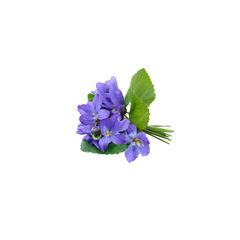
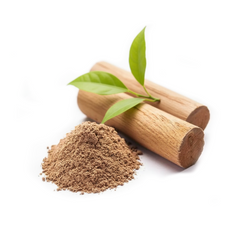
A typical costus accord balances the animalic, woody, and violet facets to create a warm, complex base. Costus absolute or reconstitution forms 20-25% of the blend, providing the core animalic and lactone character. Violet leaf or orris root (15-20%) introduces powdery, floral nuances that soften the intensity. Sandalwood (25-30%) adds creamy, smooth woody depth, enhancing longevity and warmth. Patchouli (25-30%) contributes earthy, slightly grainy undertones that complement costus's rooty facets, creating a rich, multi-dimensional accord.

25%

Costus Absolute

20–25% of blend

Provides the animalic, fatty, and lactone-rich core of the accord, essential for its primal warmth and tenacity.

20%

Violet Leaf

15–20% of blend

Adds powdery, floral facets that soften costus's intensity and introduce a violet-orris nuance.

30%

Sandalwood

25–30% of blend

Contributes creamy, smooth woody depth that enhances the accord's warmth and longevity.

30%

Patchouli

25–30% of blend

Provides earthy, slightly grainy undertones that complement the rooty facets of costus.

The Olfactory Layers

How Costus Evolves on Skin

Costus unfolds over hours, starting with a strong animalic and fatty impression from high-boiling sesquiterpene lactones. As it evaporates slowly, the scent reveals woody and violet powdery nuances, stabilizing into a warm, creamy base that lingers for many hours due to its low volatility and fixative properties.

I
Top notes
0–15 min
Primal Animalic Impact

At initial application, costus emits a sharp, intense animalic aroma dominated by costunolide and dehydrocostus lactone molecules. These high-volatility compounds create a primal, skin-like impression reminiscent of damp fur and warm scalp oils.

AnimalicFattyPrimal
II
Heart notes
20–60 min
Woody-Violet Transition

As the top notes subside, costus softens into woody and violet-orris facets. The lactone compounds interact with orris-related molecules, producing a creamy, powdery floral heart that balances the initial intensity.

WoodyVioletPowdery
III
Base notes
Several hours
Warm Earthy Drydown

In the base, costus settles into a warm, earthy, and slightly grainy woody accord. The low volatility of sesquiterpene lactones ensures long-lasting substantivity, anchoring the fragrance with a sensual, animalic depth.

WarmEarthyLong-lasting
TOP NOTES Primal Animalic Impact 0–15 minutes HEART NOTES Woody-Violet Transition 20–60 minutes BASE NOTES Warm Earthy Drydown Several hours
Through the Ages

The Story of Costus in Perfumery

The history of costus in perfumery spans from ancient medicinal uses to modern niche applications, reflecting evolving botanical classifications and extraction techniques.

Antiquity

Ancient Use of Costus Roots

Ancient Greeks and Romans recognized costus (κόστος) as a medicinal powder from dried roots, valued for its scent and therapeutic properties. Pliny the Elder documented its burnt taste and refined aroma.

19th Century

Botanical Classification by de Candolle

Augustin Pyramus de Candolle classified Saussurea costus, naming the genus after Swiss botanists Horace and Nicolas-Théodore de Saussure, advancing botanical understanding of the plant.

1985

CITES Appendix I Listing

Due to overharvesting, Saussurea costus was listed under CITES Appendix I, restricting international trade of wild-harvested material and prompting sustainable cultivation efforts.

2012

Chypre Palatin Launch

MDCI Parfums released Chypre Palatin, showcasing costus as a daring animalic accent in a modern chypre fragrance, reviving interest in this rare ingredient.

2016

Karasu by Apoteker Tepe

Karasu incorporated costus root oil to create a complex, animalic woody-spicy fragrance, highlighting the ingredient's versatility in niche perfumery.

The Art of Layering

How to Layer Costus

Understanding how to layer costus at a molecular level enhances its olfactory harmony and wearability.

01

Enhance Sweetness

Layering costus with vanilla softens its animalic edge through olfactory masking, where vanillin's sweet threshold overrides costus's sharp lactones. This creates a warm, creamy accord as seen in Jean Paul Gaultier's Le Male Essence de Parfum.

02

Add Depth

Combining costus with patchouli and sandalwood leverages shared woody and earthy molecules, reinforcing the base's complexity and longevity. This synergy is evident in MDCI Parfums Chypre Palatin.

03

Lighten the Glow

Pairing costus with violet leaf or orris introduces powdery floral molecules that soften the animalic facets, creating a balanced, elegant scent profile. Kilian's A Taste of Heaven exemplifies this layering.

Wear It Right

How to Wear Costus Like a Pro

Seasonal Guide

Fall & Winter

Cooler temperatures slow evaporation, tempering costus's animalic sharpness and enhancing its warm, woody facets. Apply moderately for a rich, comforting aura suitable for cold weather.

Spring

Mild temperatures allow costus to reveal its powdery violet and floral heart while maintaining animalic warmth. Layer with fresh florals for balanced wear.

Summer

Heat increases volatility, potentially making costus's animalic facets overpowering. Use sparingly or in oil form to avoid excessive intensity and maintain freshness.

Year-Round Tip

Adjust application based on temperature and humidity; layering costus with lighter, fresh notes can moderate its intensity in warmer months.

Application Points

Strategic application of costus enhances its olfactory impact and longevity.

1

Neck

Pulse points like the neck generate heat that activates costus's volatile lactones, enhancing projection and warmth.

2

Behind the Ears

This discreet area allows costus to diffuse subtly, creating an intimate aura without overwhelming.

3

Inner Wrists

Movement and warmth at the wrists help release costus's complex facets gradually throughout the day.

4

Hair

Hair holds scent molecules longer; applying costus here extends its presence and adds a natural, skin-like trail.

★

Pro Tip

Layer costus with complementary florals or woods on clothing to balance its intensity and enhance diffusion.

HumanSafe™

Costus Safety Profile in Our Fragrances

No ingredient collection was found for costus.

Create or connect a collection with the same handle as this ingredient, then add products that contain this ingredient.

Expert Voices

What Masters Say About Costus

“
Costus's animalic nuances contributed to an impression of a barnyard depicted in Animalis. It provides a warm, fur-like animalic depth prized in oriental and chypre compositions.
Matvey Yudov, Perfume Raw Materials Expert
“
Costus is a polarizing material in perfumery, with a dominant character that is warm, fatty, and almost hair-like, with undertones of violet, orris, and dried herbs.
CA Perfume Editorial
Common Questions

Frequently Asked Questions

Frequently asked questions about costus in perfumery.

Costus in perfume smells intensely animalic, warm, and woody with violet and orris undertones. It evokes the scent of unwashed hair or damp animal fur warmed by the sun. At low concentrations (0.01-0.1%), it provides a soft, powdery warmth that enhances oriental and chypre fragrances, as seen in MDCI Parfums Chypre Palatin and Kilian's A Taste of Heaven.

Costus is primarily used as a base note in perfumery due to its low volatility and long-lasting animalic and woody character. It functions as a fixative, enhancing the longevity and depth of compositions, especially in oriental, chypre, and leather accords.

Costus is favored in niche perfumery for its unique animalic warmth and complexity that synthetic materials cannot fully replicate. Its polarizing scent adds depth and naturalness to compositions, making it a prized ingredient despite regulatory restrictions and high cost.

Costus fragrance uses include pairing with violet leaf, orris, sandalwood, patchouli, amber, musk, frankincense, myrrh, and ylang-ylang. These combinations balance its animalic intensity with powdery, woody, floral, and resinous nuances, creating rich and multi-dimensional accords.

Costus can be overpowering in hot weather due to increased volatility of its animalic lactones. It is best worn sparingly or in oil formats during summer. Layering with fresh or floral notes can moderate its intensity for warmer seasons.

Costus has exceptional longevity, with substantivity recorded at over 300 hours at full concentration. In typical perfume formulations (0.01-0.1%), it contributes to long-lasting base notes that can persist for many hours, anchoring the fragrance.

Yes, layering costus with complementary notes like vanilla, patchouli, sandalwood, or violet leaf enhances its warmth, depth, and powdery facets. Understanding how to layer costus at a molecular level allows for balanced, personalized scent profiles.

Beginner-friendly costus perfumes include Jean Paul Gaultier's Le Male Essence de Parfum and Francesca Bianchi's Under My Skin, which use costus at moderate levels blended with familiar notes like vanilla and musk to soften its intensity.

At CA Perfume, selecting a costus fragrance involves considering your preference for animalic intensity and complementary notes. Our collection offers balanced accords that highlight costus's warmth and complexity with transparency on sourcing and formulation.

Costus primarily smells animalic and woody rather than sweet or spicy. Its lactone compounds provide a creamy, nutty, and slightly green aroma with violet powdery undertones, contributing to its unique, primal character.

Floral Collection

Explore Our Top Costus Fragrances

Discover curated selections featuring costus's unique animalic and woody character.

Shop all costus fragrances at CA Perfume →

Where Costus Comes From — Origin & Extraction

Costus is extracted from the dried roots of Saussurea costus (syn. Aucklandia costus, Saussurea lappa), a perennial plant native to the western Himalayas, including regions of Kashmir, Himachal Pradesh, and Uttarakhand in India, as well as parts of China (Yunnan) and Pakistan. The plant grows at high altitudes between 2,500 and 3,500 meters, thriving in slightly acidic to neutral soils (pH 6.0–7.0) with good drainage and partial shade. The essential oil is primarily obtained through steam distillation of dried, chopped roots, which are often macerated in warm water before distillation. Commercial yields range from 0.3% to 1%, with some controlled studies reporting yields as low as 0.02% (v/w). Solvent extraction produces costus root absolute, a darker, thicker, and smoother material with enhanced lactone creaminess and reduced aldehydic sharpness. Supercritical CO2 extraction is also documented but less common. Due to overharvesting and habitat loss, Saussurea costus is listed under CITES Appendix I since 1985, severely restricting international trade of wild-harvested material. Sustainable cultivation programs have been established in India and China to meet demand under strict regulatory compliance. Natural costus essential oil is expensive, with prices significantly higher than synthetic substitutes, reflecting the labor-intensive harvesting and low extraction yields. The cost per kilogram can range from several thousand dollars for natural absolute, while synthetics cost substantially less. Sustainability efforts focus on controlled cultivation and fair trade practices to preserve wild populations.

Famous Fragrances That Define Costus in Perfumery

Costus has been a distinctive ingredient in several landmark fragrances, valued for its animalic depth and fixative properties. MDCI Parfums' Chypre Palatin (2012) uses costus as a bold accent within a chypre accord, enhancing the animalic and woody facets alongside oakmoss and castoreum. Kilian's A Taste of Heaven employs costus to add a warm, fur-like quality that bridges floral and oriental notes. Jean Paul Gaultier's Le Male Essence de Parfum (2016) features costus as a supporting note, contributing to the composition's sensuality by blending with vanilla and spices. Francesca Bianchi's Under My Skin (2017) showcases costus as a dominant base note, providing a primal, skin-warm intimacy that complements musks and woods. Other notable uses include Apoteker Tepe's Karasu (2016), where costus root oil adds a complex, animalic layer to woody and spicy notes, and Meo Fusciuni's Last Season (2024), which integrates costus for its warm, slightly grainy character. CA Perfume's collection reflects this lineage by incorporating costus-inspired accords that emphasize its animalic and woody nuances without compromising modern sensibilities.

Natural vs Synthetic Costus in Perfumery

Natural costus essential oil and absolute contain complex mixtures dominated by sesquiterpene lactones such as costunolide (CAS 465-16-7) and dehydrocostus lactone (CAS 465-17-8), which confer the characteristic animalic, woody, and violet nuances. These natural materials offer exceptional tenacity, with TGSC recording substantivity of over 300 hours at 100% concentration. However, natural costus is restricted by IFRA due to sensitizing compounds and is listed under CITES Appendix I, limiting its availability and use in perfumery. Consequently, perfumers often rely on synthetic substitutes to replicate its unique facets. Key synthetic aroma chemicals include costusol, rhuboflor, jasmorange, and lactoscatone, which emphasize the warm lactone character and animalic nuances without the regulatory and sustainability constraints. Synthetic costus substitutes provide greater consistency, stability, and cost-effectiveness, with prices ranging from $50 to $200 per kilogram compared to thousands for natural absolute. They also enable perfumers to avoid allergenic and environmental issues linked to natural costus. Famous fragrances like SP Parfums Cologne (Sven Pritzkoleit) use synthetic costus to achieve a soft animalic effect, while natural costus remains prized in niche compositions such as MDCI Parfums Chypre Palatin. CA Perfume supports transparency and sustainability by sourcing natural costus materials verified through the HumanSafe™ platform and employing synthetic alternatives where appropriate.