Where Chinese Jasmine Comes From — Origin & Extraction
Chinese Jasmine (Jasminum sambac) is a species native to South and East Asia, particularly China, India, and Southeast Asia. In China, the largest cultivation areas are in Guangxi Province, with Heng County recognized as the primary production base for both jasmine flowers and jasmine tea. Annual production in Guangxi exceeds 80,000 tons of fresh flowers, accounting for over 80% of the global market for jasmine used in tea and perfumery. The plant thrives in warm, humid climates with well-drained, slightly acidic soils, and is typically harvested from late spring through early autumn.
Extraction of jasmine’s aromatic compounds is performed via solvent extraction, most commonly using hexane. Freshly picked flowers are processed within hours to preserve the delicate volatiles. The hexane extraction yields a waxy concrete, which is then washed with ethanol to produce jasmine absolute. The yield is extremely low: approximately 800 kg of fresh flowers are required to produce 1 kg of concrete, which further yields about 600 g of absolute. The process is conducted at temperatures below 40°C to prevent degradation of sensitive molecules such as indole and methyl anthranilate. Enfleurage, an ancient method using fat, is now largely obsolete but still practiced by some artisan producers. Steam distillation is unsuitable for jasmine due to thermal instability of its key odorants.
Natural jasmine absolute commands a high price, ranging from $10,000 to $15,000 per kg, depending on origin and purity. Synthetic substitutes, such as hedione (methyl dihydrojasmonate, CAS 24851-98-7), cost $50–200 per kg and are widely used to extend or replace natural jasmine in commercial perfumery. Sustainability challenges include high labor intensity, water use, and the need for pesticide management. Recent initiatives in Guangxi and India focus on integrated pest management and organic cultivation to reduce environmental impact. The discovery of hedione by Firmenich in 1962 revolutionized jasmine’s use in perfumery, making its scent more accessible and consistent.
Famous Fragrances That Define Chinese Jasmine in Perfumery
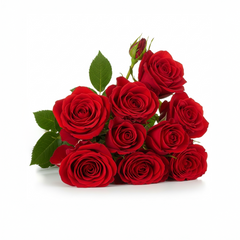
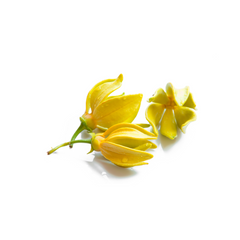
Chinese Jasmine has shaped the character of numerous iconic fragrances, both in Western and Asian perfumery. Chanel No. 5 (1921, Ernest Beaux) famously used jasmine from Grasse, but modern perfumery increasingly sources from China and India due to scale and cost. Dior J’adore (1999, Calice Becker) features Chinese Jasmine sambac at its heart, paired with ylang-ylang and rose for a luminous floral bouquet. Gucci Bloom (2017, Alberto Morillas) is a contemporary benchmark, highlighting Chinese Jasmine sambac alongside tuberose and Rangoon creeper for a creamy, radiant floralcy. Tom Ford Jasmin Rouge (2011, Rodrigo Flores-Roux) explores the spicy, animalic, and creamy facets of jasmine sambac, contrasted with clary sage and spices. In niche perfumery, One Day Jasmine Tea (2021, Michael Wong) and Black Paw Jasmine Tea 龙珠茉莉 (2020s) both foreground Chinese Jasmine’s tea-like and green nuances, blending it with green tea, honeysuckle, and musk for a modern, gender-neutral interpretation. CA Perfume’s collection draws inspiration from these global classics, offering jasmine-centered fragrances that reflect both traditional and innovative approaches.
Natural vs Synthetic Chinese Jasmine in Perfumery
Natural Chinese Jasmine absolute is a complex mixture of over 250 identified compounds, including indole (CAS 120-72-9), methyl anthranilate (CAS 134-20-3), benzyl acetate (CAS 140-11-4), and cis-jasmone (CAS 488-10-8). The absolute provides a rich, evolving scent with creamy, green, and slightly animalic nuances, but is expensive and subject to batch variability due to climate and soil differences. Synthetic jasmine notes are primarily constructed from molecules such as hedione (methyl dihydrojasmonate, CAS 24851-98-7), which imparts a luminous, airy floralcy; jasmolactone (CAS 104-50-7), which adds creamy, lactonic facets; and methyl jasmonate (CAS 39924-52-2), which enhances the radiance and diffusion of the floral accord.
Performance-wise, synthetics offer greater stability, longevity, and batch consistency, with hedione extending the heart note’s diffusion for up to 8–12 hours. Natural jasmine absolute, while more nuanced, can be less stable and may degrade if exposed to light or heat. Cost differences are significant: natural absolute ranges from $10,000–$15,000/kg, while hedione and other synthetics are $50–$200/kg. Iconic fragrances such as Dior Eau Sauvage (1966, Edmond Roudnitska) pioneered the use of hedione, while Tom Ford Jasmin Rouge (2011) and Gucci Bloom (2017) employ both natural and synthetic jasmine materials for complexity and projection.
Sustainability is a key consideration: synthetic jasmine molecules reduce pressure on agricultural land and labor, but their production involves petrochemical feedstocks. The HumanSafe™ platform enables traceability and transparency for both natural and synthetic jasmine ingredients, ensuring compliance with IFRA safety standards and responsible sourcing.