Ingredient Guide · Woody Musky
Woody Musky Family · Perfumery Note

Cashmeran

A modern molecule blending woody, musky, and powdery warmth.

Cashmeran is a synthetic base note in perfumery, prized for its warm, musky-woody, and powdery scent profile. Its defining quality comes from the polycyclic ketone structure (C14H22O, CAS 33704-61-9), which enables persistent, skin-like diffusion at concentrations from trace amounts up to 2%.

Cashmeran
Ingredient Profile

Cashmeran

Woody Musky Family
Family Woody Musky
Note Position Base Note
Usage Level <2%
Key Origins United States, Germany, China
Iconic In Lou Lou, Dans Tes Bras
The Ingredient

What does Cashmeran smell like and why is it significant in perfumery?

Cashmeran is a synthetic aroma chemical (6,7-dihydro-1,1,2,3,3-pentamethyl-4(5H)-indanone, CAS 33704-61-9) developed by IFF in the late 1960s. Its scent profile is complex and multifaceted: warm, musky, woody, and powdery, with pronounced spicy, ambery, and mineral nuances. Many describe it as reminiscent of cashmere wool—soft, enveloping, and textured. The molecule’s structure, a polycyclic ketone, imparts both diffusion and longevity, while subtle coniferous, vanillic, and fruity undertones emerge at different concentrations. This unique molecular arrangement allows Cashmeran to bridge the gap between musks, woods, and ambers, making it a versatile ingredient in modern perfumery. In perfumery, Cashmeran is classified as a base note due to its low volatility and high tenacity. It is typically used at concentrations ranging from trace amounts up to 2%, though overdoses up to 25% have been documented in avant-garde compositions. Cashmeran’s interaction with skin chemistry is notable: its moderate polarity enables it to cling to skin and hair, providing a persistent, skin-like warmth that evolves over hours. Its powdery, mineral, and slightly salty facets can become more pronounced depending on the wearer’s skin pH and moisture, sometimes evoking the scent of sun-warmed skin or even wet asphalt. Cashmeran in perfumery is exemplified by its use in fragrances such as Frederic Malle Dans Tes Bras (2008, Maurice Roucel), where it forms the backbone of a salty, mineral, and woody composition, and Maison Martin Margiela By the Fireplace (2015, Marie Salamagne), where nearly 7% Cashmeran delivers a smoky, woody, and musky drydown. Other notable examples include Calvin Klein Reveal (2014, Jean-Marc Chaillan, Bruno Jovanovic, IFF) and Nasomatto Duro (2007, Alessandro Gualtieri), both of which showcase Cashmeran’s ability to create warmth, texture, and diffusion in diverse olfactory contexts.

<2%
Typical use level of Cashmeran in fine fragrance compositions, as higher concentrations can overwhelm other notes. IFRA restricts finished product concentration to 3.8%.
8–12 Hours
Average longevity of Cashmeran on skin, due to its low volatility and strong skin adhesion. On fabric or hair, the scent can persist for up to 50 hours.
$80–$200/kg
Approximate cost of Cashmeran, making it accessible for both niche and mainstream perfumery. This is significantly less expensive than natural musks or sandalwood.
Origin & Extraction

Where Cashmeran Comes From — Origin & Extraction

Cashmeran is manufactured globally, but its scent character is independent of geography, as it is a synthetic molecule. Production facilities in the US, Europe, and Asia ensure consistent quality and supply. The molecule’s performance is unaffected by soil or climate, but batch purity and process control can subtly influence odor nuances.

Cashmeran is a fully synthetic aroma chemical, first synthesized in 1969 by Dr. John B. Hall at International Flavors & Fragrances (IFF). Its IUPAC name is 6,7-dihydro-1,1,2,3,3-pentamethyl-4(5H)-indanone, and its CAS number is 33704-61-9. There is no botanical or natural source—Cashmeran is produced via multi-step organic synthesis, typically starting from petrochemical precursors such as acetone and ethylene. The process involves cyclization, alkylation, and oxidation steps to construct the polycyclic indanone core. Manufacturing is global, with major production facilities in the United States, Europe, and Asia. As a synthetic, Cashmeran is not subject to agricultural variability, and its supply is stable year-round. The cost of Cashmeran is moderate relative to other specialty aroma chemicals, typically ranging from $80–$200 per kilogram depending on purity and volume. This is significantly less expensive than natural musks or sandalwood oil, which can exceed $2,000/kg. Sustainability considerations for Cashmeran focus on its synthetic origin: it is not derived from endangered species or overharvested botanicals, and its bioconcentration factor (156) is much lower than traditional polycyclic musks, reducing environmental persistence. Cashmeran is regulated by IFRA, with typical use levels in fine fragrance up to 2% and a maximum of 3.8% in finished consumer products. Its consistent quality and absence of animal or plant sourcing make it a preferred choice for sustainable and cruelty-free perfumery.

US

United States

IFF’s US facilities pioneered Cashmeran’s synthesis in the late 1960s. American production is characterized by high purity and strict quality control, ensuring a clean, diffusive, and consistent odor profile. US output represents a significant share of global supply.

DE

Germany

German manufacturers, including Symrise and BASF, produce Cashmeran with rigorous process optimization. German batches are known for their technical precision and are widely used in European fine fragrance and functional products.

CN

China

China has emerged as a major producer of synthetic aroma chemicals, including Cashmeran. Chinese output is growing, with competitive pricing and increasing quality standards, supplying both domestic and international markets.

FR

France

French facilities, especially in Grasse and Lyon, focus on high-end, IFRA-compliant Cashmeran for luxury perfumery. French production emphasizes traceability and strict adherence to EU safety and sustainability standards.

Chemistry

Natural vs Synthetic Cashmeran in Perfumery

Cashmeran is entirely synthetic—there is no natural counterpart. The molecule was first synthesized by Dr. John B. Hall at IFF in 1969 (US Patent 3,773,836) and commercialized in the late 1970s. Its structure (C14H22O) is unique among aroma chemicals, with no direct analog in nature. Other synthetic molecules with similar woody-musky-amber profiles include Iso E Super (CAS 54464-57-2), Ambroxan (CAS 6790-58-5), and Galaxolide (CAS 1222-05-5). Cashmeran is prized for its stability, longevity, and ability to impart texture at low concentrations—qualities that are difficult to achieve with natural materials. Performance-wise, Cashmeran offers moderate diffusion and exceptional skin cling, lasting up to 50 hours on a smelling strip and 8–12 hours on skin. Its cost ($80–$200/kg) is far lower than natural musks or sandalwood, and its batch-to-batch consistency is superior. Many iconic fragrances—such as Frederic Malle Dans Tes Bras (2008), Maison Martin Margiela By the Fireplace (2015), and Calvin Klein Reveal (2014)—rely on Cashmeran for their signature warmth and texture. From a sustainability perspective, Cashmeran avoids the ecological and ethical concerns associated with animal-derived musks or slow-growing woods. It does not meet PBT (persistent, bioaccumulative, toxic) criteria under EU REACH, and its IFRA-regulated use ensures consumer safety. At CA Perfume, all Cashmeran-containing formulas are HumanSafe™ platform verified, ensuring full ingredient transparency and compliance with global safety standards.

Natural
Cashmeran Absolute
Cost $3,000–6,000/kg
Method Solvent / CO₂
Character Complex, variable
vs
Synthetic
Safranal & Analogues
Cost $50–200/kg
Method Lab synthesis
Character Consistent, stable
Hall of Fame

Famous Fragrances That Define Cashmeran in Perfumery

1987
dominant note

Lou Lou

Cacharel
by Jean Guichard
incensetiare flowervanillairis
2008
dominant note

Dans Tes Bras

Frederic Malle
by Maurice Roucel
violetheliotropesalicylatesmusk
2015
bridge note

By the Fireplace

Maison Martin Margiela
by Marie Salamagne
guaiac woodvanillaclovechestnut
2014
dominant note

Reveal

Calvin Klein
by Jean-Marc Chaillan, Bruno Jovanovic (IFF)
irispink peppersandalwoodambergris
2007
dominant note

Duro

Nasomatto
by Alessandro Gualtieri
leatherspiceswoodsJavanol

Cashmeran has become a cornerstone of modern perfumery, appearing in a wide range of compositions from the 1980s to the present. One of the earliest and most influential uses was in Cacharel Lou Lou (1987, Jean Guichard), where Cashmeran provided a powdery, musky-woody base supporting floral and incense notes. In Frederic Malle Dans Tes Bras (2008, Maurice Roucel), Cashmeran constitutes nearly 25% of the formula, creating a mineral, salty, and skin-like warmth that is both abstract and intimate. Maison Martin Margiela By the Fireplace (2015, Marie Salamagne) employs Cashmeran at nearly 7%, blending it with smoky woods and vanilla for a signature cozy effect. Calvin Klein Reveal (2014, Jean-Marc Chaillan, Bruno Jovanovic, IFF) uses a high dose of Cashmeran to evoke the sensation of sun-warmed skin and salty air, paired with iris, pink pepper, and sandalwood. In Nasomatto Duro (2007, Alessandro Gualtieri), Cashmeran is overdosed (up to 25%) to create a powerful, spicy-leathery woody accord. More recently, Mugler Alien (2005, Dominique Ropion, Laurent Bruyère) and BDK Parfums Crème de Cuir (2018, Violaine Collas) have showcased Cashmeran’s ability to expand floral and leather notes, while Escentric Molecules Molecule 05 (2020, Geza Schoen) is a minimalist solinote featuring pure Cashmeran. CA Perfume’s collection draws inspiration from these landmark uses, offering contemporary interpretations that highlight Cashmeran’s versatility across fragrance families.

The Accord

How is a captivating Cashmeran accord crafted?

A Cashmeran accord typically blends Cashmeran (30–35%) for its velvety, musky-woody warmth; Sandalwood (20–25%) for creamy, lactonic smoothness via santalols; Iso E Super (20–25%) for transparent, diffusive woodiness; and Ambroxan (20–25%) for ambergris-like radiance and fixative power. Each ingredient is chosen for molecular synergy: Sandalwood’s santalols reinforce Cashmeran’s soft woodiness, Iso E Super amplifies diffusion, and Ambroxan adds longevity and a mineral-amber undertone.

35%

Cashmeran

30–35% of blend

Provides the core velvety, musky, woody-powdery warmth via its polycyclic ketone structure, diffusing and texturizing the accord.

25%

Sandalwood

20–25% of blend

Rich in santalols, it adds creamy, lactonic smoothness and enhances Cashmeran’s soft woodiness through shared woody-lactone facets.

25%

Iso E Super

20–25% of blend

A transparent, diffusive woody-amber molecule (CAS 54464-57-2) that amplifies projection and creates a seamless, airy structure.

25%

Ambroxan

20–25% of blend

Adds ambergris-like radiance, mineral warmth, and fixative properties, extending the accord’s longevity and enhancing the musky-amber base.

The Olfactory Layers

How Cashmeran Evolves on Skin

Cashmeran’s olfactory evolution is defined by its slow evaporation rate and persistent diffusion. In the first 15 minutes, high-volatility traces reveal powdery, mineral, and slightly spicy facets. Between 20–60 minutes, the molecule’s musky-woody core expands, while the base lingers for hours as a soft, skin-like warmth due to its polycyclic structure and low volatility.

I
Top notes
0–15 min
Powdered Mineral

The initial impression is a gentle, powdery-mineral freshness, with subtle spicy and coniferous nuances. These effects are due to the most volatile fractions of Cashmeran, which quickly evaporate and provide a fleeting, airy opening reminiscent of clean fabric and warm stone.

PowderyMineralSpicy
II
Heart notes
20–60 min
Velvety Musk

As volatility decreases, the musky-woody and ambery facets emerge. The molecule’s core structure diffuses a velvety, textured warmth, blending seamlessly with floral or leather notes. This stage is marked by a tactile, skin-like sensation and a persistent, enveloping softness.

MuskyWoodyVelvety
III
Base notes
Several hours
Amber Cream

In the drydown, Cashmeran’s low volatility ensures a long-lasting, intimate presence. The scent becomes creamy, powdery, and slightly balsamic, with hints of vanilla, amber, and mineral warmth. This stage is dominated by the molecule’s fixative power and skin-clinging character.

PowderyAmberSkin-like
TOP NOTES Powdered Mineral 0–15 minutes HEART NOTES Velvety Musk 20–60 minutes BASE NOTES Amber Cream Several hours
Through the Ages

The Story of Cashmeran in Perfumery

Cashmeran’s history in perfumery spans from its invention in the late 1960s to its current ubiquity in modern fragrance design. Its unique molecular structure and olfactory profile have shaped both niche and mainstream perfumery.

1969

Synthesis and Patent by IFF

Dr. John B. Hall at International Flavors & Fragrances files US Patent 3,773,836 for a family of indanone derivatives, including Cashmeran. The molecule is created as a potential alternative to animal musks and rare woods.

Late 1970s

Commercial Launch

IFF introduces Cashmeran to the market under its trade name. Initially used in detergents and fabric softeners due to its tenacity and clean, soft scent.

1987

Breakthrough in Fine Fragrance

Cacharel Lou Lou (Jean Guichard) becomes one of the first major perfumes to feature Cashmeran as a dominant note, showcasing its powdery-woody-musk profile in a floral-incense context.

2008

Modern Niche Icon

Frederic Malle Dans Tes Bras (Maurice Roucel) uses Cashmeran at nearly 25% of the formula, establishing it as a signature molecule for mineral, salty, and skin-like effects in niche perfumery.

2015–Present

Mainstream and Niche Ubiquity

Cashmeran appears in a wide range of contemporary fragrances, including Maison Martin Margiela By the Fireplace, Calvin Klein Reveal, and Escentric Molecules Molecule 05, cementing its status as a modern perfumery staple.

The Art of Layering

How to Layer Cashmeran

Understanding how to layer Cashmeran is key to maximizing its molecular compatibility. The molecule’s musky, woody, and powdery facets blend seamlessly with florals, resins, and ambers, creating complex, multi-dimensional accords.

01

Enhance Florals

Layering Cashmeran with jasmine or iris exploits shared powdery and musky molecules (e.g., ionones, hedione), expanding the floral’s diffusion and adding tactile warmth. Frederic Malle Dans Tes Bras demonstrates this synergy, where violet and heliotrope are amplified by Cashmeran’s skin-like softness.

02

Amplify Amber

Pairing Cashmeran with Ambroxan or labdanum leverages their shared ambery, mineral, and balsamic facets. In Maison Martin Margiela By the Fireplace, Cashmeran’s powdery warmth merges with vanilla and guaiac wood, creating a smoky-amber drydown with exceptional persistence.

03

Add Mineral Depth

Combine Cashmeran with vetiver or Iso E Super to highlight mineral, woody, and slightly salty nuances. Calvin Klein Reveal uses this approach, blending Cashmeran with iris and sandalwood for a sun-warmed, mineral skin effect.

Wear It Right

How to Wear Cashmeran Like a Pro

Seasonal Guide

Fall & Winter

Cooler temperatures slow Cashmeran’s evaporation, enhancing its powdery, musky, and woody facets. The scent remains close to the skin, creating a cozy, enveloping effect ideal for layering with heavier notes like amber, leather, or vanilla. Apply to pulse points and clothing for extended warmth.

Spring

Mild temperatures allow Cashmeran’s mineral and floral nuances to emerge, pairing well with fresh florals and green notes. Moderate application on wrists and neck provides balanced projection without overwhelming lighter compositions.

Summer

Heat increases Cashmeran’s volatility, amplifying its diffusive, mineral, and slightly salty facets. The scent projects more strongly and may become more pronounced on skin. Use sparingly and focus on areas with less direct sun exposure to avoid overprojection.

Year-Round Tip

Cashmeran’s versatility allows it to adapt to any climate. Adjust application based on humidity and temperature—higher humidity enhances sillage, while dry air emphasizes its powdery, woody character. Layer with citrus or aquatic notes for freshness, or with resins for added depth.

Application Points

Strategic application of Cashmeran maximizes its skin-like warmth and longevity. Focus on pulse points and areas with natural movement.

1

Neck

The neck’s warmth accelerates Cashmeran’s diffusion, allowing its musky and powdery facets to envelop the wearer and those nearby. Ideal for a soft, intimate sillage.

2

Behind the Ears

This area retains scent due to natural oils and limited exposure, helping Cashmeran’s low-volatility molecules persist and evolve gradually throughout the day.

3

Inner Wrists

Pulse points on the wrists enhance projection and allow for easy reapplication. The skin’s movement and warmth help Cashmeran’s musky-woody core develop fully.

4

Hair

Hair fibers trap Cashmeran’s molecules, providing a long-lasting, diffusive trail. The scent is released with movement, enhancing the tactile, enveloping effect.

Pro Tip

Layer Cashmeran-based fragrances with unscented lotion to increase longevity and diffusion. Apply to fabric for a persistent, skin-like aura that lasts beyond skin wear.

Mood Architecture™

Top Cashmeran Fragrances by Mood Score

These Cashmeran-based fragrances scored highest on the MEI™ Mood Architecture Framework — measuring how a scent may influence your emotional state.

Highest MEI Score
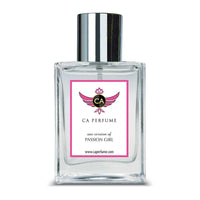
Passion Girl — Poison Girl Alternative Perfume
8.16
MEI™
Primary Romantic
Secondary Grounding
Confidence
6.96
Presence
6.74
Mood Lift
9.34
Identity
7.14
Warmth
9.5
Social Ease
8.93
Energy
5.3
" I am beautiful.
View full mood profile →
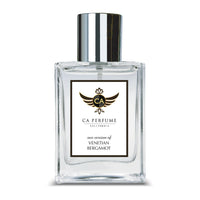
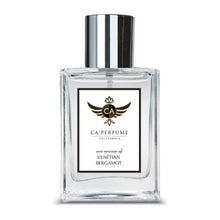
Venetian Bergamot — Tom Ford Venetian Bergamot Alternative Perfume
7.9
MEI™
Primary Fresh
Secondary Romantic
Confidence
6.95
Presence
7.78
Mood Lift
9.26
Identity
7.17
Warmth
8.53
Social Ease
8.15
Energy
3.6
" I am radiant.
View full mood profile →
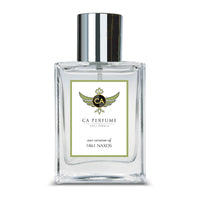
1861 Naxos — Xerjoff 1861 Naxos Alternative Perfume
7.77
MEI™
Primary Romantic
Secondary Grounding
Confidence
6.77
Presence
6.96
Mood Lift
8.59
Identity
6.95
Warmth
9.5
Social Ease
8.13
Energy
4.4
" I am beautiful.
View full mood profile →
By The Fireplace — Maison Martin Margiela By the Fireplace Impression Alternative Perfume
7.71
MEI™
Primary Romantic
Secondary Confident
Confidence
7.23
Presence
7.13
Mood Lift
7.89
Identity
7.07
Warmth
9.5
Social Ease
7.8
Energy
4.7
" I am beautiful.
View full mood profile →
HumanSafe™

Top Cashmeran Fragrances by HumanSafe™ Score

These Cashmeran-based fragrances have the highest product-level HumanSafe™ scores in this ingredient collection.

Highest HumanSafe™ Score
Venetian Bergamot — Tom Ford Venetian Bergamot Alternative Perfume
A-
HumanSafe™ Score Generally Safe
Safest Evaluated Ingredients EDP
AQUA Solvent / Carrier ISS 10.0
2-BUTEN-1-OL, 2-METHYL-4-(2,2,3-TRIMETHYL-3- Evaluated ingredient ISS 10.0
BENZYL SALICYLATE Evaluated ingredient ISS 9.0
3-BUTEN-2-ONE, 3-METHYL-4-(2,6,6-TRIMETHYL-2- Evaluated ingredient ISS 8.0
LINALYL ACETATE Evaluated ingredient ISS 7.0
View full safety profile →
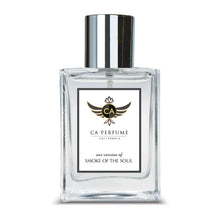
Smoke Of The Soul — Smoke For The Soul Alternative Perfume
A-
HumanSafe™ Score Generally Safe
Safest Evaluated Ingredients EDP
AQUA Solvent / Carrier ISS 10.0
4H-INDEN-4-ONE, 1,2,3,5,6,7-HEXAHYDRO-1,1,2,3,3- Evaluated ingredient ISS 9.0
2-OXABICYCLO[2.2.2]OCTANE, 1,3,3-TRIMETHYL- Evaluated ingredient ISS 9.0
CEDROL Evaluated ingredient ISS 7.0
ALPHA-CEDRENE Evaluated ingredient ISS 7.0
ALCOHOL DENAT. Solvent / Carrier ISS 7.0
View full safety profile →
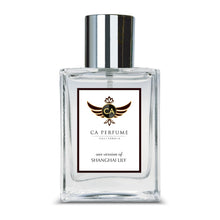
Shanghai Lily — Tom Ford Impression Shanghai Lily Alternative Perfume
A-
HumanSafe™ Score Generally Safe
Safest Evaluated Ingredients EDP
AQUA Solvent / Carrier ISS 10.0
BENZYL SALICYLATE EYE IRRITATION - CAT. 2B [H320] Evaluated ingredient ISS 9.0
4H-INDEN-4-ONE, 1,2,3,5,6,7-HEXAHYDRO-1,1,2,3,3- Evaluated ingredient ISS 9.0
1H-3A,7-METHANOAZULENE, OCTAHYDRO-6-METHOXY-3,6,8,8- Evaluated ingredient ISS 9.0
OCTANAL, 2-(PHENYLMETHYLENE)- Evaluated ingredient ISS 8.0
LINALYL ACETATE Evaluated ingredient ISS 7.0
View full safety profile →
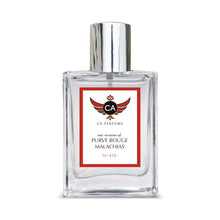
Purve Rouge Malachias — Prive Rouge Malachite Alternative Perfume
A-
HumanSafe™ Score Generally Safe
Safest Evaluated Ingredients EDP
AQUA Solvent / Carrier ISS 10.0
1,4-DIOXACYCLOHEPTADECANE-5,17-DIONE Evaluated ingredient ISS 10.0
HEXYL SALICYLATE Evaluated ingredient ISS 9.0
BENZYL SALICYLATE Evaluated ingredient ISS 9.0
4H-INDEN-4-ONE, 1,2,3,5,6,7-HEXAHYDRO-1,1,2,3,3- Evaluated ingredient ISS 9.0
View full safety profile →
Expert Voices

What Masters Say About Cashmeran

Cashmeran smells like the memory of warmth. Not fire, not spice, not wool—warmth itself, abstracted from any source, as if someone distilled the sensation of pulling a blanket over your shoulders and poured it into a bottle.
Raphaël Dumont, Perfume Writer
Cashmeran’s polycyclic structure produces a warm, diffusive, velvety scent that defies clean categorization—simultaneously musky, woody, spicy, and powdery.
CA Perfume Editorial
Common Questions

Frequently Asked Questions

Technical answers to the most common Cashmeran questions in perfumery.

Cashmeran in perfume smells warm, musky, woody, and powdery, with subtle spicy, ambery, and mineral undertones. Its scent is often compared to cashmere wool—soft, enveloping, and tactile. The molecule’s structure imparts a complex, skin-like warmth that evolves from powdery-mineral freshness to creamy, ambery depth. Notable fragrances such as Frederic Malle Dans Tes Bras and Maison Martin Margiela By the Fireplace showcase its multifaceted profile.

Cashmeran is classified as a base note due to its low volatility and high tenacity. It provides long-lasting warmth and texture, forming the foundation of many modern fragrances. Its persistence allows it to anchor lighter, more volatile notes and extend the overall longevity of the composition.

Cashmeran’s unique molecular structure enables it to bridge musky, woody, and powdery facets, creating a tactile, skin-like warmth that is highly valued in niche perfumery. Its ability to expand floral, leather, and amber accords, combined with its stability and batch consistency, makes it a versatile tool for innovative fragrance design.

Cashmeran fragrance uses often involve pairing with sandalwood, Iso E Super, Ambroxan, vanilla, iris, and vetiver. These ingredients share molecular or olfactory affinities, enhancing Cashmeran’s warmth, diffusion, and complexity. For example, pairing with jasmine or iris amplifies powdery and musky facets, while Ambroxan and labdanum reinforce amber and mineral depth.

Cashmeran performs well in summer, as heat increases its volatility and amplifies its mineral, salty, and diffusive facets. However, its strong projection means it should be applied sparingly in hot weather. The scent can evoke sun-warmed skin and is often used in summer-oriented compositions like Calvin Klein Reveal.

Cashmeran’s low volatility and strong skin adhesion result in excellent longevity—typically 8–12 hours on skin and up to 50 hours on fabric or hair. Its fixative properties help anchor other notes, extending the overall wear time of the fragrance.

Yes, Cashmeran is highly compatible for layering due to its molecular versatility. It blends seamlessly with florals, ambers, woods, and musks, enhancing both diffusion and complexity. Layering with jasmine, iris, or vanilla can amplify powdery and musky warmth, while pairing with Ambroxan or Iso E Super increases projection and mineral depth.

Beginner-friendly Cashmeran perfumes include Maison Martin Margiela By the Fireplace (2015), Calvin Klein Reveal (2014), and Escentric Molecules Molecule 05 (2020). These fragrances showcase Cashmeran’s warmth and texture in accessible, versatile compositions suitable for daily wear.

To select the right Cashmeran fragrance at CA Perfume, consider your preferred scent profile—whether you favor woody, musky, powdery, or amber compositions. Review the fragrance pyramid and note pairings to find a blend that matches your style. CA Perfume’s collection includes both minimalist and complex Cashmeran-centric scents, all HumanSafe™ platform verified for ingredient transparency.

Cashmeran’s scent is primarily warm, musky, and woody, with subtle powdery and mineral undertones. While it can display faint spicy and vanillic aspects, especially in the drydown, it is not overtly sweet. The molecule’s complexity allows it to support both spicy and sweet notes in a balanced, nuanced manner.

Woody Musky Collection

Explore Our Top Cashmeran Fragrances

Discover CA Perfume’s curated selection of Cashmeran-based scents, each highlighting the molecule’s signature warmth, texture, and versatility across fragrance families.

Shop all cashmeran fragrances at CA Perfume →

Where Cashmeran Comes From — Origin & Extraction

Cashmeran is a fully synthetic aroma chemical, first synthesized in 1969 by Dr. John B. Hall at International Flavors & Fragrances (IFF). Its IUPAC name is 6,7-dihydro-1,1,2,3,3-pentamethyl-4(5H)-indanone, and its CAS number is 33704-61-9. There is no botanical or natural source—Cashmeran is produced via multi-step organic synthesis, typically starting from petrochemical precursors such as acetone and ethylene. The process involves cyclization, alkylation, and oxidation steps to construct the polycyclic indanone core. Manufacturing is global, with major production facilities in the United States, Europe, and Asia. As a synthetic, Cashmeran is not subject to agricultural variability, and its supply is stable year-round. The cost of Cashmeran is moderate relative to other specialty aroma chemicals, typically ranging from $80–$200 per kilogram depending on purity and volume. This is significantly less expensive than natural musks or sandalwood oil, which can exceed $2,000/kg. Sustainability considerations for Cashmeran focus on its synthetic origin: it is not derived from endangered species or overharvested botanicals, and its bioconcentration factor (156) is much lower than traditional polycyclic musks, reducing environmental persistence. Cashmeran is regulated by IFRA, with typical use levels in fine fragrance up to 2% and a maximum of 3.8% in finished consumer products. Its consistent quality and absence of animal or plant sourcing make it a preferred choice for sustainable and cruelty-free perfumery.

Famous Fragrances That Define Cashmeran in Perfumery

Cashmeran has become a cornerstone of modern perfumery, appearing in a wide range of compositions from the 1980s to the present. One of the earliest and most influential uses was in Cacharel Lou Lou (1987, Jean Guichard), where Cashmeran provided a powdery, musky-woody base supporting floral and incense notes. In Frederic Malle Dans Tes Bras (2008, Maurice Roucel), Cashmeran constitutes nearly 25% of the formula, creating a mineral, salty, and skin-like warmth that is both abstract and intimate. Maison Martin Margiela By the Fireplace (2015, Marie Salamagne) employs Cashmeran at nearly 7%, blending it with smoky woods and vanilla for a signature cozy effect. Calvin Klein Reveal (2014, Jean-Marc Chaillan, Bruno Jovanovic, IFF) uses a high dose of Cashmeran to evoke the sensation of sun-warmed skin and salty air, paired with iris, pink pepper, and sandalwood. In Nasomatto Duro (2007, Alessandro Gualtieri), Cashmeran is overdosed (up to 25%) to create a powerful, spicy-leathery woody accord. More recently, Mugler Alien (2005, Dominique Ropion, Laurent Bruyère) and BDK Parfums Crème de Cuir (2018, Violaine Collas) have showcased Cashmeran’s ability to expand floral and leather notes, while Escentric Molecules Molecule 05 (2020, Geza Schoen) is a minimalist solinote featuring pure Cashmeran. CA Perfume’s collection draws inspiration from these landmark uses, offering contemporary interpretations that highlight Cashmeran’s versatility across fragrance families.

Natural vs Synthetic Cashmeran in Perfumery

Cashmeran is entirely synthetic—there is no natural counterpart. The molecule was first synthesized by Dr. John B. Hall at IFF in 1969 (US Patent 3,773,836) and commercialized in the late 1970s. Its structure (C14H22O) is unique among aroma chemicals, with no direct analog in nature. Other synthetic molecules with similar woody-musky-amber profiles include Iso E Super (CAS 54464-57-2), Ambroxan (CAS 6790-58-5), and Galaxolide (CAS 1222-05-5). Cashmeran is prized for its stability, longevity, and ability to impart texture at low concentrations—qualities that are difficult to achieve with natural materials. Performance-wise, Cashmeran offers moderate diffusion and exceptional skin cling, lasting up to 50 hours on a smelling strip and 8–12 hours on skin. Its cost ($80–$200/kg) is far lower than natural musks or sandalwood, and its batch-to-batch consistency is superior. Many iconic fragrances—such as Frederic Malle Dans Tes Bras (2008), Maison Martin Margiela By the Fireplace (2015), and Calvin Klein Reveal (2014)—rely on Cashmeran for their signature warmth and texture. From a sustainability perspective, Cashmeran avoids the ecological and ethical concerns associated with animal-derived musks or slow-growing woods. It does not meet PBT (persistent, bioaccumulative, toxic) criteria under EU REACH, and its IFRA-regulated use ensures consumer safety. At CA Perfume, all Cashmeran-containing formulas are HumanSafe™ platform verified, ensuring full ingredient transparency and compliance with global safety standards.