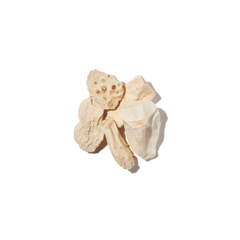
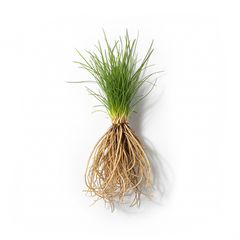
Carrot seeds (Daucus carota) in perfumery are renowned for a scent profile that is earthy, powdery, woody, and faintly sweet, with a distinctive iris-like dryness. The primary odorant, carotol (C15H26O), comprises 30–70% of the essential oil and imparts the rooty, powdery, and subtly sweet nuances. Supporting molecules such as daucol, daucene, and monoterpenes (α-pinene, sabinene, geranyl acetate) contribute green, spicy, and camphoraceous facets. Despite their botanical origin, carrot seeds smell nothing like the orange vegetable; instead, they evoke freshly turned soil, dried roots, and a refined powderiness reminiscent of orris root (iris rhizome).
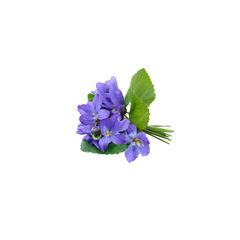
In perfumery, carrot seed oil is classified as a heart note due to its moderate volatility and tenacious drydown. Typical usage concentrations range from 0.1% to 1% in the composition, though traces can have a marked effect. Carrot seeds are valued for their ability to reinforce violet, iris, and mimosa accords, lending naturalistic depth and a soft, powdery texture. On skin, the scent’s evolution is shaped by individual pH and moisture, with the powdery-woody facets lingering for hours. The note’s moderate diffusion and medium sillage make it ideal for both skin scents and more expansive floral or chypre structures.
Notable examples of carrot seeds in perfumery include Hermès Un Jardin sur le Nil (2005, Jean-Claude Ellena), where the note bridges green mango and lotus with a powdery-earthy heart, and Serge Lutens Iris Silver Mist (1994, Maurice Roucel), where carrot seed amplifies the orris root’s powdery, rooty facets. Tom Ford Santal Blush (2011, Yann Vasnier) uses carrot seed to add creamy, spicy depth to sandalwood, while Diptyque Volutes (2012, Fabrice Pellegrin) employs it for a tobacco-iris effect. In each, carrot seeds in perfumery serve as a technical and creative tool for nuanced, textured compositions.