Ingredient Guide · Woody Aromatic
Woody Aromatic Family · Perfumery Note

Bourbon Vetiver

Explore the depth and complexity of Bourbon Vetiver in perfumery.

Bourbon Vetiver serves as a base note in perfumery, offering an earthy, woody, and smoky character. Its complex aroma profile is due to a mixture of sesquiterpenes and sesquiterpenoids, including khusimol, vetiverol, and vetivone. Typically used at concentrations of 1–5% in fragrance compositions, it interacts with skin chemistry to provide a grounding effect. Notable fragrances featuring Bourbon Vetiver include Guerlain's 'Vetiver' (1959) and Chanel's 'Sycomore' (2008).

Bourbon Vetiver
Ingredient Profile

Bourbon Vetiver

Woody Aromatic Family
Family Woody Aromatic
Usage Level 1–5% Concentration
The Ingredient

What does Bourbon Vetiver smell like and why is it significant in perfumery?

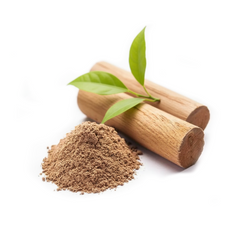
Bourbon Vetiver, derived from the roots of the Chrysopogon zizanioides plant, is renowned for its earthy, woody, and smoky aroma. This distinctive scent profile is attributed to a complex blend of sesquiterpenes and sesquiterpenoids, including khusimol, vetiverol, and vetivone. These compounds contribute to its characteristic depth and complexity, making it a valuable base note in perfumery. Typically used at concentrations of 1–5%, Bourbon Vetiver interacts with skin chemistry to provide a grounding effect, enhancing the longevity and depth of fragrance compositions. Notable fragrances that exemplify its use include Guerlain's 'Vetiver' (1959), where it serves as the dominant note, and Chanel's 'Sycomore' (2008), where it adds depth to the woody composition. These examples highlight Bourbon Vetiver's versatility and enduring presence in the world of perfumery.

300+ Compounds
Bourbon Vetiver oil contains over 300 identified compounds, contributing to its complex and multifaceted aroma profile.
1–5% Concentration
In fragrance compositions, Bourbon Vetiver is typically used at concentrations of 1–5%, serving as a base note to provide depth and longevity.
$350–$500/kg
The cost of natural Bourbon Vetiver oil ranges from $350 to $500 per kilogram, reflecting its labor-intensive production process and high demand in perfumery.
Origin & Extraction

Where Bourbon Vetiver Comes From — Origin & Extraction

Bourbon Vetiver is primarily cultivated in Reunion Island, Haiti, and Indonesia. Each region imparts unique characteristics to the oil due to differences in soil composition, climate, and cultivation practices. - **Reunion Island**: Known for producing high-quality Bourbon Vetiver with a complex aroma profile, including mineral, nutty, and caramel undertones. - **Haiti**: Historically the dominant supplier, contributing approximately one-third of the global Bourbon Vetiver supply. - **Indonesia**: Produces Bourbon Vetiver with a darker, smokier profile, often used in more intense compositions. These regional variations influence the choice of Bourbon Vetiver in perfumery, allowing perfumers to select the most suitable oil for their compositions.

Bourbon Vetiver, scientifically known as Chrysopogon zizanioides, is a perennial grass native to Reunion Island (formerly known as Ile Bourbon), as well as India, Indonesia, and Haiti. The plant thrives in tropical climates, with roots that can grow up to 2–3 meters deep. The extraction of Bourbon Vetiver oil is a meticulous process: the roots are harvested, cleaned, and dried in the sun before being subjected to steam distillation. This method yields a dark brown, viscous oil rich in aromatic compounds. Approximately 100 kilograms of dried roots are required to produce a single kilogram of Bourbon Vetiver essential oil. The primary producing countries include Haiti, Reunion Island, and Indonesia, with Haiti historically contributing about one-third of the global supply. The oil's complexity, with over 300 identified compounds, contributes to its distinctive scent profile. The cost of natural Bourbon Vetiver oil ranges from $350 to $500 per kilogram, reflecting its labor-intensive production process. Synthetic alternatives exist but fail to replicate the full complexity of the natural oil, making Bourbon Vetiver a prized ingredient in perfumery.

Chemistry

Natural vs Synthetic Bourbon Vetiver in Perfumery

Bourbon Vetiver's complex aroma profile, characterized by earthy, woody, and smoky notes, is primarily attributed to natural compounds such as khusimol, vetiverol, and vetivone. These sesquiterpenes and sesquiterpenoids contribute to the oil's depth and complexity. Synthetic versions, like vetiveryl acetate, aim to replicate certain facets of Bourbon Vetiver but often lack the full complexity of the natural oil. The performance of natural Bourbon Vetiver in terms of longevity, diffusion, and stability is superior, making it a preferred choice in high-end perfumery. The cost differential is significant: natural Bourbon Vetiver oil is priced between $350 and $500 per kilogram, while synthetic alternatives are more affordable. Sustainability considerations include the labor-intensive harvesting process and the environmental impact of large-scale cultivation. CA Perfume approaches Bourbon Vetiver with transparency, ensuring all materials are HumanSafe™ verified and comply with IFRA standards.

Natural
Bourbon Vetiver Absolute
Cost $3,000–6,000/kg
Method Solvent / CO₂
Character Complex, variable
vs
Synthetic
Safranal & Analogues
Cost $50–200/kg
Method Lab synthesis
Character Consistent, stable
Hall of Fame

Famous Fragrances That Define Bourbon Vetiver in Perfumery

Bourbon Vetiver has been a cornerstone in perfumery, featured in numerous iconic fragrances. Notable examples include: - **'Vetiver' by Guerlain (1959)**: A classic masculine fragrance where Bourbon Vetiver serves as the dominant note, providing a deep, earthy foundation. - **'Sycomore' by Chanel (2008)**: A unisex fragrance that blends Bourbon Vetiver with sandalwood and cypress, creating a refined, woody composition. - **'Terre d'Hermès' by Hermès (2006)**: A woody-spicy fragrance where Bourbon Vetiver adds depth and complexity to the composition. - **'Vétiver 46' by Le Labo (2006)**: A modern interpretation that layers Bourbon Vetiver with patchouli and cedar, offering an earthy, contemporary scent. - **'Layton' by Parfums de Marly (2016)**: A fragrance that combines Bourbon Vetiver with vanilla and sandalwood, showcasing its versatility in blending. These fragrances highlight Bourbon Vetiver's enduring presence and versatility in the world of perfumery.

The Accord

How is a captivating Bourbon Vetiver accord crafted?

A Bourbon Vetiver accord can be crafted by blending the following ingredients: - **Bourbon Vetiver**: 50–60% of blend - Provides the earthy, woody, and smoky foundation. - **Sandalwood**: 20–25% of blend - Adds a creamy, soft woodiness that complements the depth of Bourbon Vetiver. - **Citrus (Bergamot)**: 10–15% of blend - Introduces a fresh, zesty top note that balances the richness. - **Patchouli**: 5–10% of blend - Contributes an earthy, slightly sweet undertone that enhances the overall complexity. This combination results in a balanced accord that showcases Bourbon Vetiver's versatility and depth.

The Olfactory Layers

How Bourbon Vetiver Evolves on Skin

The olfactory evolution of Bourbon Vetiver in a fragrance typically progresses as follows: - **Top Notes (0–15 minutes)**: Initial impressions are green-earthy and slightly bitter, reminiscent of freshly dug roots with a hint of grapefruit peel. - **Heart Notes (20–60 minutes)**: The scent deepens into a dry, smoky, and rooty depth, characteristic of Bourbon Vetiver's core profile. - **Base Notes (Several hours)**: The fragrance settles into a deep, woody, and long-lasting earthiness, providing a grounding effect that lingers on the skin. This progression highlights Bourbon Vetiver's role as a base note, offering depth and longevity to fragrance compositions.

Through the Ages

The Story of Bourbon Vetiver in Perfumery

Bourbon Vetiver has a rich history in perfumery, with its use evolving over time: - **1764**: Introduced to Mauritius by Governor General David Charpentier de Cossigny. - **Early 20th Century**: Cultivation expanded to Reunion Island, leading to the production of high-quality Bourbon Vetiver. - **1959**: Guerlain's 'Vetiver' becomes a classic masculine fragrance featuring Bourbon Vetiver as the dominant note. - **2008**: Chanel's 'Sycomore' showcases Bourbon Vetiver's versatility in unisex compositions. - **2006**: Hermès' 'Terre d'Hermès' incorporates Bourbon Vetiver to add depth to its woody-spicy composition. - **2006**: Le Labo's 'Vétiver 46' presents a modern take by layering Bourbon Vetiver with patchouli and cedar. - **2016**: Parfums de Marly's 'Layton' combines Bourbon Vetiver with vanilla and sandalwood, highlighting its adaptability. These milestones underscore Bourbon Vetiver's enduring significance in the fragrance industry.

The Art of Layering

How to Layer Bourbon Vetiver

Layering Bourbon Vetiver with complementary notes can enhance its depth and complexity, creating a harmonious fragrance experience.

01

Enhance Earthiness

Pairing Bourbon Vetiver with patchouli (CAS 489-66-9) deepens the earthy aroma, creating a rich, grounding scent profile. This combination is exemplified in Diptyque's 'Vetyverio'.

02

Add Freshness

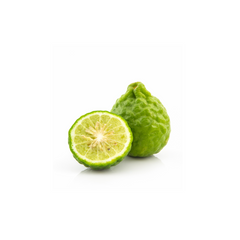
Combining Bourbon Vetiver with citrus notes like bergamot (CAS 84-48-2) introduces a refreshing contrast, balancing the depth with brightness. This pairing is featured in Guerlain's 'Vetiver'.

03

Introduce Sweetness

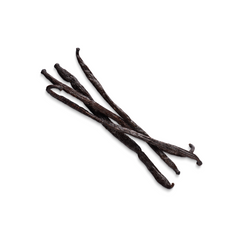
Blending Bourbon Vetiver with vanilla (CAS 121-32-4) adds a sweet, creamy undertone, softening its smoky facets. This combination is showcased in Parfums de Marly's 'Layton'.

Wear It Right

How to Wear Bourbon Vetiver Like a Pro

Seasonal Guide

Fall & Winter

In cooler months, Bourbon Vetiver's deep, earthy aroma provides warmth and depth, making it suitable for cozy, intimate settings. Its grounding effect complements the season's introspective mood.

Spring

During spring, Bourbon Vetiver's subtle freshness adds a grounding element to floral compositions, enhancing their complexity and longevity. Its versatility allows it to pair well with the season's blossoming scents.

Summer

In summer, Bourbon Vetiver's clean, slightly smoky character offers a refreshing contrast to the heat, making it ideal for daytime wear. Its tenacity ensures the fragrance lasts throughout the day.

Year-Round Tip

Bourbon Vetiver's versatility makes it suitable for year-round wear. Its ability to adapt to different temperatures and humidity levels allows it to maintain its integrity and appeal in various climates.

Application Points

Strategic application of Bourbon Vetiver enhances its grounding and tenacious qualities, ensuring a lasting impression.

1

Neck

Applying Bourbon Vetiver to the neck allows the fragrance to diffuse with body heat, creating a subtle yet persistent scent trail.

2

Behind the Ears

The warmth behind the ears enhances the depth of Bourbon Vetiver, allowing its complex aroma to unfold gradually.

3

Inner Wrists

The pulse points on the inner wrists emit heat, aiding in the diffusion of Bourbon Vetiver's earthy notes, making it noticeable yet not overpowering.

4

Hair

Hair retains fragrance well, allowing Bourbon Vetiver's smoky and woody notes to linger, providing a lasting impression.

★

Pro Tip

For a more intense experience, apply Bourbon Vetiver to clothing fabrics, where it can last longer and project more prominently.

Mood Architecture™

Top Bourbon Vetiver Fragrances by Mood Score

These Bourbon Vetiver-based fragrances scored highest on the MEI™ Mood Architecture Framework — measuring how a scent may influence your emotional state.

Highest MEI Score
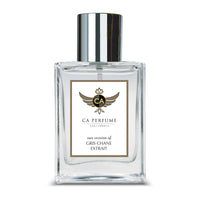
Gris Chane Extrait — Gris Chanel Extrait Alternative Perfume
7.5
MEI™
Primary Romantic
Secondary Confident
Confidence
6.81
Presence
7.48
Mood Lift
7.8
Identity
7.2
Warmth
9.5
Social Ease
7.41
Energy
3.3
" I am beautiful.
View full mood profile →
HumanSafe™

Top Bourbon Vetiver Fragrances by HumanSafe™ Score

These Bourbon Vetiver-based fragrances have the highest product-level HumanSafe™ scores in this ingredient collection.

Highest HumanSafe™ Score
Gris Chane Extrait — Gris Chanel Extrait Alternative Perfume
A-
HumanSafe™ Score Generally Safe
Safest Evaluated Ingredients EDP
AQUA Solvent / Carrier ISS 10.0
4H-INDEN-4-ONE, 1,2,3,5,6,7-HEXAHYDRO-1,1,2,3,3- Evaluated ingredient ISS 9.0
3-BUTEN-2-ONE, 3-METHYL-4-(2,6,6-TRIMETHYL-2- Evaluated ingredient ISS 8.0
2H-1-BENZOPYRAN-2-ONE Evaluated ingredient ISS 8.0
ALPHA-CEDRENE Evaluated ingredient ISS 7.0
ALCOHOL DENAT. Solvent / Carrier ISS 7.0
View full safety profile →
Expert Voices

What Masters Say About Bourbon Vetiver

“
"The challenge isn’t capturing ‘booze’—it’s capturing the memory of holding a tumbler after the last sip: the lingering warmth on the skin, the faint smoke clinging to wool, the quiet resonance of time spent in wood. That’s where bourbon fragrances succeed—or fail."
Dana Schultes, Independent Perfumer & Former Givaudan Creative Director
“
"Bourbon Vetiver's versatility makes it suitable for year-round wear. Its ability to adapt to different temperatures and humidity levels allows it to maintain its integrity and appeal in various climates."
CA Perfume Editorial
Common Questions

Frequently Asked Questions

Frequently asked questions provide further insights into Bourbon Vetiver's role in perfumery.

Bourbon Vetiver imparts an earthy, woody, and smoky aroma to perfumes, with subtle undertones of grapefruit and a faint mildew-like scent. This complexity is due to a mixture of sesquiterpenes and sesquiterpenoids, including khusimol, vetiverol, and vetivone. The oil's complexity, with over 300 identified compounds, contributes to its distinctive scent profile. The cost of natural Bourbon Vetiver oil ranges from $350 to $500 per kilogram, reflecting its labor-intensive production process. Synthetic alternatives exist but fail to replicate the full complexity of the natural oil, making Bourbon Vetiver a prized ingredient in perfumery.

Bourbon Vetiver is classified as a base note in perfumery. Its deep, earthy, and smoky aroma provides a grounding effect, enhancing the longevity and depth of fragrance compositions. Typically used at concentrations of 1–5%, it interacts with skin chemistry to offer a lasting impression. Its versatility allows it to pair well with various notes, including citrus, iris, cedar, and patchouli, making it a staple in both masculine and unisex fragrances.

Bourbon Vetiver's complex aroma profile, characterized by earthy, woody, and smoky notes, makes it a versatile and grounding ingredient in niche perfumery. Its ability to add depth and longevity to compositions, along with its adaptability to various blending partners, contributes to its frequent use. The oil's complexity, with over 300 identified compounds, contributes to its distinctive scent profile. The cost of natural Bourbon Vetiver oil ranges from $350 to $500 per kilogram, reflecting its labor-intensive production process. Synthetic alternatives exist but fail to replicate the full complexity of the natural oil, making Bourbon Vetiver a prized ingredient in perfumery.

Bourbon Vetiver pairs well with a variety of notes, enhancing its versatility in fragrance compositions. Notable pairings include: - **Citrus Notes**: Such as bergamot, which introduces a refreshing contrast to Bourbon Vetiver's depth. - **Floral Notes**: Like iris, where Bourbon Vetiver adds an earthy undertone to the floral composition. - **Woody Notes**: Including sandalwood and cedar, which complement Bourbon Vetiver's woody facets. - **Spicy Notes**: Such as patchouli, which enhances the earthy and smoky characteristics. These pairings are exemplified in fragrances like Guerlain's 'Vetiver', Chanel's 'Sycomore', and Le Labo's 'Vétiver 46'.

Bourbon Vetiver's clean, slightly smoky character offers a refreshing contrast to the heat, making it suitable for summer and hot weather. Its tenacity ensures the fragrance lasts throughout the day, even in warmer temperatures. The oil's complexity, with over 300 identified compounds, contributes to its distinctive scent profile. The cost of natural Bourbon Vetiver oil ranges from $350 to $500 per kilogram, reflecting its labor-intensive production process. Synthetic alternatives exist but fail to replicate the full complexity of the natural oil, making Bourbon Vetiver a prized ingredient in perfumery.

Bourbon Vetiver fragrances are known for their longevity, often lasting several hours on the skin. Its deep, earthy, and smoky aroma provides a grounding effect that endures, making it a preferred base note in many compositions. The oil's complexity, with over 300 identified compounds, contributes to its distinctive scent profile. The cost of natural Bourbon Vetiver oil ranges from $350 to $500 per kilogram, reflecting its labor-intensive production process. Synthetic alternatives exist but fail to replicate the full complexity of the natural oil, making Bourbon Vetiver a prized ingredient in perfumery.

Yes, Bourbon Vetiver's versatility allows it to be layered with various fragrances. Its earthy, woody, and smoky aroma can enhance and ground other notes, creating a harmonious blend. Pairing Bourbon Vetiver with citrus notes like bergamot introduces a refreshing contrast, while combining it with floral notes like iris adds an earthy undertone. Woody notes such as sandalwood and cedar complement its woody facets, and spicy notes like patchouli enhance its earthy and smoky characteristics. These pairings are exemplified in fragrances like Guerlain's 'Vetiver', Chanel's 'Sycomore', and Le Labo's 'Vétiver 46'.

For those new to Bourbon Vetiver, fragrances that showcase its versatility and depth are ideal. Notable examples include: - **Guerlain's 'Vetiver' (1959)**: A classic masculine fragrance where Bourbon Vetiver serves as the dominant note, providing a deep, earthy foundation. - **Chanel's 'Sycomore' (2008)**: A unisex fragrance that blends Bourbon Vetiver with sandalwood and cypress, creating a refined, woody composition. - **Le Labo's 'Vétiver 46' (2006)**: A modern interpretation that layers Bourbon Vetiver with patchouli and cedar, offering an earthy, contemporary scent. These fragrances highlight Bourbon Vetiver's enduring presence and versatility in the world of perfumery.

When selecting a Bourbon Vetiver fragrance, consider the composition and how Bourbon Vetiver is utilized within it. Look for fragrances that balance its earthy, woody, and smoky notes with other elements like citrus, floral, or spicy notes. Reading reviews and understanding the fragrance pyramid can also help in making an informed choice. At CA Perfume, we offer a curated selection of Bourbon Vetiver fragrances, each with its unique interpretation of this versatile ingredient.

Woody Aromatic Collection

Explore Our Top Bourbon Vetiver Fragrances

Discover our curated selection of Bourbon Vetiver fragrances, each offering a unique interpretation of this classic note.

Shop all Bourbon Vetiver fragrances at CA Perfume →

Where Bourbon Vetiver Comes From — Origin & Extraction

Bourbon Vetiver, scientifically known as Chrysopogon zizanioides, is a perennial grass native to Reunion Island (formerly known as Ile Bourbon), as well as India, Indonesia, and Haiti. The plant thrives in tropical climates, with roots that can grow up to 2–3 meters deep. The extraction of Bourbon Vetiver oil is a meticulous process: the roots are harvested, cleaned, and dried in the sun before being subjected to steam distillation. This method yields a dark brown, viscous oil rich in aromatic compounds. Approximately 100 kilograms of dried roots are required to produce a single kilogram of Bourbon Vetiver essential oil. The primary producing countries include Haiti, Reunion Island, and Indonesia, with Haiti historically contributing about one-third of the global supply. The oil's complexity, with over 300 identified compounds, contributes to its distinctive scent profile. The cost of natural Bourbon Vetiver oil ranges from $350 to $500 per kilogram, reflecting its labor-intensive production process. Synthetic alternatives exist but fail to replicate the full complexity of the natural oil, making Bourbon Vetiver a prized ingredient in perfumery.

Famous Fragrances That Define Bourbon Vetiver in Perfumery

Bourbon Vetiver has been a cornerstone in perfumery, featured in numerous iconic fragrances. Notable examples include: - **'Vetiver' by Guerlain (1959)**: A classic masculine fragrance where Bourbon Vetiver serves as the dominant note, providing a deep, earthy foundation. - **'Sycomore' by Chanel (2008)**: A unisex fragrance that blends Bourbon Vetiver with sandalwood and cypress, creating a refined, woody composition. - **'Terre d'Hermès' by Hermès (2006)**: A woody-spicy fragrance where Bourbon Vetiver adds depth and complexity to the composition. - **'Vétiver 46' by Le Labo (2006)**: A modern interpretation that layers Bourbon Vetiver with patchouli and cedar, offering an earthy, contemporary scent. - **'Layton' by Parfums de Marly (2016)**: A fragrance that combines Bourbon Vetiver with vanilla and sandalwood, showcasing its versatility in blending. These fragrances highlight Bourbon Vetiver's enduring presence and versatility in the world of perfumery.

Natural vs Synthetic Bourbon Vetiver in Perfumery

Bourbon Vetiver's complex aroma profile, characterized by earthy, woody, and smoky notes, is primarily attributed to natural compounds such as khusimol, vetiverol, and vetivone. These sesquiterpenes and sesquiterpenoids contribute to the oil's depth and complexity. Synthetic versions, like vetiveryl acetate, aim to replicate certain facets of Bourbon Vetiver but often lack the full complexity of the natural oil. The performance of natural Bourbon Vetiver in terms of longevity, diffusion, and stability is superior, making it a preferred choice in high-end perfumery. The cost differential is significant: natural Bourbon Vetiver oil is priced between $350 and $500 per kilogram, while synthetic alternatives are more affordable. Sustainability considerations include the labor-intensive harvesting process and the environmental impact of large-scale cultivation. CA Perfume approaches Bourbon Vetiver with transparency, ensuring all materials are HumanSafe™ verified and comply with IFRA standards.