Ingredient Guide · Floral
Floral Family · Perfumery Note

Blue Hyacinth

The essence of spring blooms in a floral heart note

Blue Hyacinth is a floral heart note derived from Hyacinthus orientalis, prized for its lush, green, and slightly spicy scent. Its key molecule phenylacetaldehyde defines its sharp honeyed character.

Blue Hyacinth
Ingredient Profile

Blue Hyacinth

Floral Family
Family Floral
Note Position Heart Note
Usage Level <5%
Key Origins Netherlands, France, United States
Iconic In Blue Hyacinth, Rosabotanica
The Ingredient

What does Blue Hyacinth smell like and why is it so cherished?

Blue Hyacinth, derived from the flowers of Hyacinthus orientalis, is a complex floral heart note characterized by a lush, green, and slightly spicy aroma. The scent is defined primarily by phenylacetaldehyde, a molecule responsible for its sharp, honeyed, and slightly metallic facets. Other key compounds include benzyl acetate, phenylethyl alcohol, cinnamyl alcohol, and indole, which contribute floral softness, warm spiciness, and subtle animalic depth. In perfumery, blue hyacinth is used predominantly as a heart note at concentrations typically below 5%. It interacts dynamically with skin chemistry, where body heat can soften its aldehydic sharpness into a dewy, fresh spring garden impression. The note's volatility and molecular complexity require careful formulation to balance its piercing green facets with softer floral and woody elements. Notable fragrances showcasing blue hyacinth include Jo Malone London's Blue Hyacinth (2017), created by Yann Vasnier and Michael Nordstrand, where it is paired with vetiver and geranium to highlight its vibrant floral character. Balenciaga's Rosabotanica (2013) also features blue hyacinth as a key floral element, blending it with other green and woody notes to evoke a naturalistic garden scent.

<5%
Typical concentration of blue hyacinth absolute in fragrance formulations to balance potency and safety.
6,000 kg
Approximate weight of Hyacinthus orientalis flowers required to produce 1 liter of natural blue hyacinth absolute.
4–6 hours
Average longevity of blue hyacinth-based fragrances on skin, influenced by formulation and skin chemistry.
Origin & Extraction

Where Blue Hyacinth Comes From — Origin & Extraction

Blue Hyacinth's scent nuances are shaped by its cultivation environment. The Netherlands, France, and the United States are key producers, each imparting subtle differences due to soil, climate, and cultivation techniques.

Blue Hyacinth fragrance note is sourced from the flowers of Hyacinthus orientalis, a spring-blooming perennial bulb native to the eastern Mediterranean and widely cultivated in the Netherlands, France, and the United States. The Netherlands produces approximately 90% of the global supply, cultivating millions of bulbs in sandy soils around Haarlem and Lisse. Extraction is exclusively by solvent extraction using hexane to produce a concrete, which is then washed with ethanol to yield the absolute. Typical yields are 0.13–0.22% concrete from flower weight, with 10–14% absolute recovered from concrete. Overall, about 6,000 kg of flowers are required to produce 1 liter of absolute. Steam distillation is avoided as heat degrades the fragile aldehydic compounds, especially phenylacetaldehyde, which define the note's character. Natural hyacinth absolute is rare and expensive, with prices fluctuating between $1,000 and $12,000 per kilogram. Due to cost and supply challenges, synthetic hyacinth compounds are widely used in perfumery. Sustainability concerns focus on the intensive labor and land use for cultivation, as well as the environmental impact of solvent extraction processes.

NL

Netherlands

The Netherlands produces about 90% of global blue hyacinth absolute, mainly around Haarlem and Lisse. Sandy soils and temperate climate yield a bright, sweet floral quality. Harvesting occurs in a narrow 2–3 week spring window, with hand-picking to preserve bloom integrity.

FR

France

France cultivates blue hyacinth primarily in the Grasse region, known for its perfumery heritage. The flowers yield a greener, more powerful odor compared to Dutch hyacinth. Extraction uses solvent methods, with yields slightly lower than the Netherlands.

US

United States

In the US, blue hyacinth is grown in horticultural regions with temperate climates. The note reflects early spring freshness and renewal, contributing to seasonal fragrance themes. Production volume is smaller but significant for niche perfumery.

Chemistry

Natural vs Synthetic Blue Hyacinth in Perfumery

Natural blue hyacinth absolute, derived via solvent extraction from Hyacinthus orientalis flowers, is highly complex but costly, priced between $1,000 and $12,000 per kilogram. It contains over 70 identifiable compounds, including phenylethyl alcohol (22–26%), benzyl acetate (14–20%), cinnamyl alcohol (9–16%), and phenylacetaldehyde (~1%), the latter imparting the signature sharp honeyed aldehydic facet. Synthetic substitutes primarily use phenyl acetaldehyde (CAS 122-78-1) and its acetals such as dimethylacetal (PADMA), glycerol acetals (Acetal CD, Hyacinth Acetals), and hexylen glycol cyclic acetal (Reseda Acetal). Other aroma chemicals include Hyacinth Body (Verotyl) and Hyacinth Body №3 (Resedafol). These synthetics offer greater stability, consistency, and lower cost ($50–200/kg) compared to natural absolute. Performance-wise, synthetics provide a cleaner, more stable scent with longer longevity and diffusion, while natural absolute offers a richer, more nuanced profile but with shorter shelf life and variability. Famous fragrances like Jo Malone London's Blue Hyacinth use synthetic reconstructions for consistency. CA Perfume employs the HumanSafe™ platform to ensure transparency and safety in synthetic ingredient use, balancing authenticity with sustainability and supply chain reliability.

Natural
Blue Hyacinth Absolute
Cost $3,000–6,000/kg
Method Solvent / CO₂
Character Complex, variable
vs
Synthetic
Safranal & Analogues
Cost $50–200/kg
Method Lab synthesis
Character Consistent, stable
Hall of Fame

Famous Fragrances That Define Blue Hyacinth in Perfumery

2017
dominant note

Blue Hyacinth

Jo Malone London
by Yann Vasnier, Michael Nordstrand
VetiverGeranium
2013
key floral element

Rosabotanica

Balenciaga
Green notesWoody accords
2009
heart note

Caprissimo Eau de Toilette

Carthusia
CitrusFloral notes
2015
accent note

Eternity Summer 2015

Calvin Klein
AquaticFloral notes
2003
supporting note

Beyond Paradise

Estée Lauder
Tropical floralsFruity notes

Blue Hyacinth has been featured prominently in several notable fragrances since the mid-1990s, often as a heart note that imparts fresh, green, and floral nuances. Jo Malone London's Blue Hyacinth (2017), crafted by Yann Vasnier and Michael Nordstrand, is a standout example where blue hyacinth is the dominant note, paired with woody vetiver and vibrant geranium to create a bright, spring-inspired scent. Balenciaga's Rosabotanica (2013) integrates blue hyacinth as a key floral element, blending it with green and woody accords to evoke a naturalistic garden atmosphere. Carthusia's Caprissimo Eau de Toilette (2009) uses blue hyacinth to add a fresh floral heart to its composition. Calvin Klein's Eternity Summer 2015 (2015) incorporates blue hyacinth for a crisp, aquatic floral effect. Estée Lauder's Beyond Paradise (2003) features it to enhance the lush, tropical floral bouquet. These fragrances demonstrate blue hyacinth's versatility across floral, woody, and fresh accords. CA Perfume's collection respects this lineage by offering nuanced interpretations that highlight blue hyacinth's unique springtime freshness without overwhelming other notes.

The Accord

How is a captivating Blue Hyacinth accord crafted?

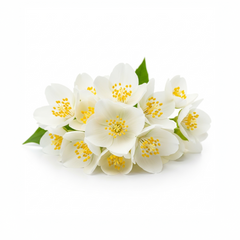
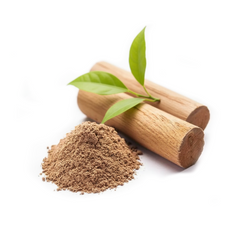
A Blue Hyacinth accord balances the note's sharp, green floral facets with complementary ingredients that soften and enrich the composition. Blue Hyacinth (20-25%) provides the aldehydic, honeyed floral core. Jasmine (15-20%) shares phenylacetaldehyde and benzyl acetate, creating a seamless floral bridge. Sandalwood (25-30%) adds creamy, woody warmth that anchors the volatile florals. Bergamot (20-25%) introduces fresh citrus top notes that brighten the accord and enhance diffusion.

25%

Blue Hyacinth

20–25% of blend

Provides the core aldehydic, green floral character defined by phenylacetaldehyde and benzyl acetate.

20%

Jasmine

15–20% of blend

Shares key floral compounds like benzyl acetate, enhancing floral richness and bridging with hyacinth.

30%

Sandalwood

25–30% of blend

Adds creamy, woody warmth that stabilizes and extends the floral accord's longevity.

25%

Bergamot

20–25% of blend

Introduces fresh, citrus top notes that enhance brightness and diffusion of the accord.

The Olfactory Layers

How Blue Hyacinth Evolves on Skin

Blue Hyacinth evolves from a sharp, green floral top to a softer, dewy heart, finally settling into a subtle woody base. Phenylacetaldehyde and benzyl acetate dominate early volatility, while indole and cinnamyl alcohol contribute depth over time.

I
Top notes
0–15 min
Sharp Green Floral

The initial impression is piercingly green and sweet, dominated by phenylacetaldehyde's aldehydic honeyed bite and fresh benzyl acetate. These high-volatility molecules evaporate quickly, creating a bright, sharp floral opening.

GreenAldehydicHoneyed
II
Heart notes
20–60 min
Warm Floral Depth

The heart softens as cinnamyl alcohol and phenylethyl alcohol emerge, adding warm spiciness and floral softness. Indole introduces a subtle animalic nuance, while 1-octen-3-ol imparts a damp, earthy facet, enriching the floral complexity.

FloralSpicyEarthy
III
Base notes
Several hours
Soft Woody Foundation

Base notes are subtle but provide longevity through benzyl benzoate and woody resins. These compounds stabilize the floral accord, offering a gentle, warm foundation that supports the fading floral heart.

WoodyWarmResinous
TOP NOTES Sharp Green Floral 0–15 minutes HEART NOTES Warm Floral Depth 20–60 minutes BASE NOTES Soft Woody Foundation Several hours
Through the Ages

The Story of Blue Hyacinth in Perfumery

Blue Hyacinth's journey in perfumery spans from early 20th-century solvent extractions to modern synthetic reconstructions, reflecting evolving techniques and fragrance trends.

1920s

Early Solvent Extraction

Wild hyacinth flowers were extracted in South France using solvent extraction, producing concretes and absolutes with a fresh, flowery odor. Dutch hyacinth absolute was noted for its greener, more powerful scent.

Mid-20th Century

Synthetic Hyacinth Compounds Developed

Synthetic molecules such as bromstyrol combined with phenyl acetic acid were used to recreate hyacinth aroma. Later replaced by cinnamic alcohol esters and dimethyl benzyl carbinyl acetate for green-herbal notes.

1995

Blue Hyacinth Note Popularized

Blue Hyacinth began appearing frequently as a heart note in perfumes, marking its rise in modern perfumery compositions.

2017

Jo Malone Blue Hyacinth Launch

Jo Malone London released Blue Hyacinth, a limited edition fragrance showcasing a well-crafted synthetic facsimile of the natural flower, created by Yann Vasnier and Michael Nordstrand.

2020s

Synthetic Reconstructions Standardized

Perfumers increasingly rely on synthetic hyacinth compounds for consistency, sustainability, and cost-effectiveness, with natural absolute remaining rare and expensive.

The Art of Layering

How to Layer Blue Hyacinth

Understanding how to layer blue hyacinth enhances its floral vibrancy and longevity. Layering exploits molecular compatibilities such as shared benzyl acetate with jasmine or olfactory masking by vanilla's vanillin to soften aldehydic sharpness.

01

Enhance Sweetness

Layer blue hyacinth with sweet florals like jasmine or gourmand notes to amplify its natural honeyed aldehydic facets, leveraging shared benzyl acetate molecules for olfactory harmony. This technique is exemplified in Jo Malone's Blue Hyacinth paired with geranium.

02

Add Depth

Combine blue hyacinth with warm woods such as sandalwood or vetiver to provide a creamy, resinous base. The woody lactones and sesquiterpenes interact with hyacinth's aldehydes to create a balanced, sophisticated scent suitable for evening wear.

03

Lighten the Glow

Pair blue hyacinth with fresh citrus notes like bergamot or petitgrain. The terpenes in citrus brighten the aldehydic facets and enhance diffusion, creating a lively, airy fragrance ideal for daytime and warmer seasons.

Wear It Right

How to Wear Blue Hyacinth Like a Pro

Seasonal Guide

Fall & Winter

Cooler temperatures preserve blue hyacinth's sharp aldehydic and green notes, enhancing projection and longevity. Layer with warm woods for balance.

Spring

Ideal season for blue hyacinth, matching natural blooming. The note feels fresh and vibrant, perfect for daytime wear.

Summer

Heat increases volatility, causing faster evaporation and softer scent. Use lighter application or blend with citrus for freshness.

Year-Round Tip

Apply to pulse points and hair for sustained diffusion. Layer with complementary florals or woods to adapt to temperature changes.

Application Points

Strategic application enhances blue hyacinth's fresh floral character and longevity.

1

Neck

Pulse points generate heat that activates blue hyacinth's aldehydic top notes, enhancing initial freshness.

2

Behind the Ears

Warmth here helps diffuse the floral heart subtly, creating an intimate scent trail.

3

Inner Wrists

Ideal for layering scents; the movement of wrists releases fragrance gradually.

4

Hair

Hair fibers hold scent longer, allowing blue hyacinth's fresh facets to radiate softly.

★

Pro Tip

Apply lightly and layer with complementary notes like jasmine or sandalwood to extend wear.

Mood Architecture™

Top Blue Hyacinth Fragrances by Mood Score

These Blue Hyacinth-based fragrances scored highest on the MEI™ Mood Architecture Framework — measuring how a scent may influence your emotional state.

Highest MEI Score
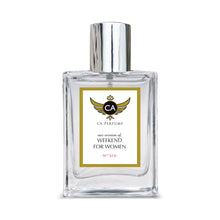
Weekend For Women — Weekend Alternative Perfume
6.9
MEI™
Primary Romantic
Secondary Confident
Confidence
6.65
Presence
6.88
Mood Lift
7.2
Identity
6.97
Warmth
7.6
Social Ease
6.8
Energy
3.9
" I am beautiful.
View full mood profile →
HumanSafe™

Top Blue Hyacinth Fragrances by HumanSafe™ Score

These Blue Hyacinth-based fragrances have the highest product-level HumanSafe™ scores in this ingredient collection.

Highest HumanSafe™ Score
Weekend For Women — Weekend Alternative Perfume
A-
HumanSafe™ Score Generally Safe
Safest Evaluated Ingredients EDP
AQUA Solvent / Carrier ISS 10.0
2(3H)-FURANONE, 5-HEPTYLDIHYDRO- Evaluated ingredient ISS 10.0
BENZYL SALICYLATE EYE IRRITATION - CAT.2B [H320] Evaluated ingredient ISS 9.0
1H-3A,7-METHANOAZULENE, OCTAHYDRO-6-METHOXY- Evaluated ingredient ISS 9.0
(2,5-DIMETHYL-2,3-DIHYDRO-1H-INDEN-2-YL)METHANOL CAT. 3 Evaluated ingredient ISS 9.0
3-BUTEN-2-ONE, 3-METHYL-4-(2,6,6-TRIMETHYL-2- Evaluated ingredient ISS 8.0
View full safety profile →
Expert Voices

What Masters Say About Blue Hyacinth

“
From the author's point of view, the perfume industry can easily do without the crazily expensive natural hyacinth absolute, preferring to create their own reconstructions of the hyacinth smell.
Steffen Arctander, Fragrance Expert
“
Blue Hyacinth absolute smells like burying your face in a cluster of spring blooms and feeling faintly dizzy — phenylacetaldehyde's piercing sweetness, indole's animal warmth, and a strange mushroom-earth note underneath.
CA Perfume Editorial
Common Questions

Frequently Asked Questions

Frequently asked questions about blue hyacinth in perfumery.

Blue Hyacinth in perfume smells lush, green, and slightly spicy with a sharp honeyed aldehydic facet primarily due to phenylacetaldehyde. It evokes a fresh spring garden with floral softness from benzyl acetate and warm spiciness from cinnamyl alcohol. Notable examples include Jo Malone London's Blue Hyacinth (2017) and Balenciaga's Rosabotanica (2013).

Blue Hyacinth is primarily used as a heart note in perfumery. Its aldehydic and floral compounds have moderate volatility, allowing it to bridge the fresh top notes and the deeper base notes effectively.

Blue Hyacinth offers a unique green floral complexity that symbolizes spring and renewal, making it appealing for niche perfumers seeking distinctive, fresh, and elegant floral accords. Its synthetic reconstructions allow creative flexibility and consistency.

Blue Hyacinth fragrance uses include pairing with jasmine and geranium for floral richness, sandalwood and vetiver for woody depth, and bergamot or other citrus notes for brightness. These combinations enhance its aldehydic and green facets.

Blue Hyacinth can be worn in summer but heat increases its volatility, softening the aldehydic sharpness and shortening longevity. Light application or blending with citrus notes can maintain freshness suitable for warm weather.

Blue Hyacinth-based fragrances generally last 4 to 6 hours on skin, depending on formulation and individual skin chemistry. Parfum and EDP concentrations tend to offer longer wear.

Yes, layering Blue Hyacinth with complementary notes like jasmine, sandalwood, or bergamot can enhance sweetness, depth, or freshness. Layering exploits molecular compatibilities such as shared benzyl acetate and olfactory masking by vanillin.

Jo Malone London's Blue Hyacinth (2017) is a well-regarded introduction, offering a balanced, fresh floral experience. Other accessible options include Balenciaga's Rosabotanica and Calvin Klein's Eternity Summer 2015.

Consider the fragrance's concentration, complementary notes, and your seasonal preferences. CA Perfume offers detailed descriptions and layering advice to help select a Blue Hyacinth fragrance that suits your style and occasion.

Blue Hyacinth's scent profile combines sweet honeyed aldehydes with a subtle spicy warmth from cinnamyl alcohol and related compounds, creating a balanced floral that is neither overly sweet nor intensely spicy.

Floral Collection

Explore Our Top Blue Hyacinth Fragrances

Discover expertly crafted fragrances featuring Blue Hyacinth's fresh floral heart note, perfect for spring and year-round wear.

Shop all blue hyacinth fragrances at CA Perfume →

Where Blue Hyacinth Comes From — Origin & Extraction

Blue Hyacinth fragrance note is sourced from the flowers of Hyacinthus orientalis, a spring-blooming perennial bulb native to the eastern Mediterranean and widely cultivated in the Netherlands, France, and the United States. The Netherlands produces approximately 90% of the global supply, cultivating millions of bulbs in sandy soils around Haarlem and Lisse. Extraction is exclusively by solvent extraction using hexane to produce a concrete, which is then washed with ethanol to yield the absolute. Typical yields are 0.13–0.22% concrete from flower weight, with 10–14% absolute recovered from concrete. Overall, about 6,000 kg of flowers are required to produce 1 liter of absolute. Steam distillation is avoided as heat degrades the fragile aldehydic compounds, especially phenylacetaldehyde, which define the note's character. Natural hyacinth absolute is rare and expensive, with prices fluctuating between $1,000 and $12,000 per kilogram. Due to cost and supply challenges, synthetic hyacinth compounds are widely used in perfumery. Sustainability concerns focus on the intensive labor and land use for cultivation, as well as the environmental impact of solvent extraction processes.

Famous Fragrances That Define Blue Hyacinth in Perfumery

Blue Hyacinth has been featured prominently in several notable fragrances since the mid-1990s, often as a heart note that imparts fresh, green, and floral nuances. Jo Malone London's Blue Hyacinth (2017), crafted by Yann Vasnier and Michael Nordstrand, is a standout example where blue hyacinth is the dominant note, paired with woody vetiver and vibrant geranium to create a bright, spring-inspired scent. Balenciaga's Rosabotanica (2013) integrates blue hyacinth as a key floral element, blending it with green and woody accords to evoke a naturalistic garden atmosphere. Carthusia's Caprissimo Eau de Toilette (2009) uses blue hyacinth to add a fresh floral heart to its composition. Calvin Klein's Eternity Summer 2015 (2015) incorporates blue hyacinth for a crisp, aquatic floral effect. Estée Lauder's Beyond Paradise (2003) features it to enhance the lush, tropical floral bouquet. These fragrances demonstrate blue hyacinth's versatility across floral, woody, and fresh accords. CA Perfume's collection respects this lineage by offering nuanced interpretations that highlight blue hyacinth's unique springtime freshness without overwhelming other notes.

Natural vs Synthetic Blue Hyacinth in Perfumery

Natural blue hyacinth absolute, derived via solvent extraction from Hyacinthus orientalis flowers, is highly complex but costly, priced between $1,000 and $12,000 per kilogram. It contains over 70 identifiable compounds, including phenylethyl alcohol (22–26%), benzyl acetate (14–20%), cinnamyl alcohol (9–16%), and phenylacetaldehyde (~1%), the latter imparting the signature sharp honeyed aldehydic facet. Synthetic substitutes primarily use phenyl acetaldehyde (CAS 122-78-1) and its acetals such as dimethylacetal (PADMA), glycerol acetals (Acetal CD, Hyacinth Acetals), and hexylen glycol cyclic acetal (Reseda Acetal). Other aroma chemicals include Hyacinth Body (Verotyl) and Hyacinth Body №3 (Resedafol). These synthetics offer greater stability, consistency, and lower cost ($50–200/kg) compared to natural absolute. Performance-wise, synthetics provide a cleaner, more stable scent with longer longevity and diffusion, while natural absolute offers a richer, more nuanced profile but with shorter shelf life and variability. Famous fragrances like Jo Malone London's Blue Hyacinth use synthetic reconstructions for consistency. CA Perfume employs the HumanSafe™ platform to ensure transparency and safety in synthetic ingredient use, balancing authenticity with sustainability and supply chain reliability.