Ingredient Guide · Woody
Woody Family · Perfumery Note

Base Notes

The anchor of every perfume, base notes define longevity.

In perfumery, base notes are the foundation of a fragrance, providing depth and longevity as the final layer in the olfactory pyramid. Typical base notes include woody, resinous, and musky materials, often used at 15–30% of a blend to ensure a lasting impression.

Ingredient Profile

Base Notes

Woody Family
Family Woody
Note Position Heart Note
Usage Level 15–30% of Blend
Key Origins India, Haiti, Madagascar
Iconic In Guerlain Shalimar, Chanel No. 5
The Ingredient

What does Base Notes smell like and why are they essential in perfumery?

Base notes in perfumery are characterized by their deep, rich, and long-lasting scent profiles. Chemically, these notes are composed of large, heavy molecules such as sesquiterpenes (e.g., patchoulol in patchouli), diterpenes (e.g., sclareol in clary sage), and complex esters and lactones found in materials like sandalwood and vanilla. The scent character of base notes ranges from woody (sandalwood, cedarwood), earthy (vetiver, patchouli), balsamic (labdanum, benzoin), to musky and sweet (musk, vanilla, tonka bean). These compounds have low volatility, which means they evaporate slowly and persist on the skin for hours, sometimes even a full day. This molecular structure is what gives base notes their signature depth and resonance, forming the backbone of a fragrance's drydown. In perfumery, base notes are classified as the final layer in the fragrance pyramid, following the top and heart notes. They typically make up 15–30% of a fragrance blend and are crucial for fixative properties, anchoring lighter, more volatile compounds and enhancing overall longevity. The interaction of base notes with skin chemistry is significant: factors like skin pH, moisture, and temperature can modulate the release and perception of these heavy molecules, making the drydown phase highly individual. For example, patchoulol (patchouli alcohol) and vanillin (from vanilla) can be perceived differently depending on skin acidity and warmth, which can either amplify their sweetness or accentuate woody undertones. Base notes in perfumery are exemplified in iconic fragrances such as Guerlain Shalimar (1925, Jacques Guerlain), where vanilla and opoponax provide a sweet, resinous foundation, and Chanel No. 5 (1921, Ernest Beaux), which uses sandalwood and vetiver for a creamy, woody base. More recent examples include Maison Margiela By the Fireplace (2015, Marie Salamagne), where guaiac wood and vanilla create a smoky, comforting drydown, and Tom Ford Oud Wood (2007, Richard Herpin), which features oud and sandalwood as dominant base notes. These fragrances demonstrate how base notes define the lasting memory of a perfume, ensuring its presence long after application.

6–12 Hours
Base notes typically persist for 6–12 hours on skin, depending on molecular weight, concentration, and skin chemistry. This longevity anchors the fragrance experience.
15–30% of Blend
Base notes constitute 15–30% of a typical perfume formula, providing structural support and fixative properties for lighter, more volatile notes.
<0.1% (IFRA Limit)
Certain base note materials, such as oakmoss, are restricted to less than 0.1% in finished products due to allergenic potential, ensuring consumer safety.
Origin & Extraction

Where Base Notes Come From — Origin & Extraction

Geography and climate shape the scent character of base note materials. Soil composition, rainfall, and altitude influence the aromatic profile and yield of woods, resins, and roots used in base notes.

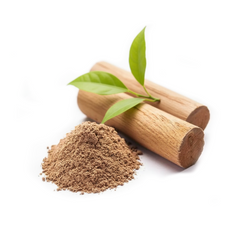
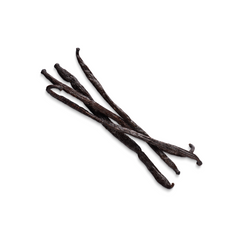
Base notes in perfumery are derived from a diverse array of botanical, animalic, and synthetic sources. Key botanical origins include: - Sandalwood (Santalum album): Primarily sourced from India and Australia, sandalwood oil is obtained via steam distillation of heartwood. Indian sandalwood production has declined due to overharvesting, with Australia now producing over 60% of the global supply (approx. 100–150 metric tons/year). Extraction involves chipping the heartwood, followed by steam distillation at 100–120°C for 24–36 hours, yielding 2–3% oil by weight. - Vetiver (Chrysopogon zizanioides): Cultivated mainly in Haiti (50% of global supply), Indonesia, and India. Vetiver oil is extracted from roots via steam distillation, with yields of 0.5–1% and a market price of $400–600/kg for high-grade oil. - Patchouli (Pogostemon cablin): Grown in Indonesia (over 80% of world production), patchouli oil is steam-distilled from dried leaves, yielding 2–3% oil. Indonesia exports approximately 1,200–1,500 metric tons annually. - Vanilla (Vanilla planifolia): Sourced from Madagascar (70–80% of global vanilla), the beans are cured and extracted with ethanol or CO2. Natural vanilla absolute can cost $15,000–20,000/kg, while synthetic vanillin (CAS 121-33-5) is produced from guaiacol or lignin at $10–20/kg. Animalic base notes, such as musk (from musk deer), civet, and castoreum, have largely been replaced by synthetic analogs due to ethical and regulatory concerns. Modern musks are typically polycyclic or macrocyclic compounds (e.g., galaxolide, CAS 1222-05-5; ambrettolide, CAS 3738-68-3). Synthetic base notes are produced by leading aroma chemical manufacturers (e.g., IFF, Givaudan, Firmenich). Notable molecules include Ambroxan (CAS 6790-58-5), Iso E Super (CAS 54464-57-2), and Cashmeran (CAS 33704-61-9), each offering unique woody, musky, or ambergris-like effects. The cost of synthetics ranges from $20–200/kg, depending on purity and complexity. Sustainability is a major concern for natural base notes. Overharvesting of sandalwood and vanilla has led to CITES restrictions and increased demand for sustainable plantations and synthetic substitutes. The HumanSafe™ platform provides ingredient traceability and safety data for both natural and synthetic base notes, supporting ethical sourcing and consumer transparency.

IN

India

Mysore region sandalwood is prized for its high santalol content (over 90%), creamy texture, and rich, long-lasting aroma. Production is now limited due to CITES restrictions, with less than 10 metric tons exported annually.

HT

Haiti

Haitian vetiver is renowned for its smoky, earthy, and slightly sweet aroma, attributed to the unique volcanic soil and high rainfall. Haiti supplies over 50% of the world's vetiver oil, producing 250–300 metric tons per year.

MG

Madagascar

Madagascar vanilla is distinguished by its high vanillin content and creamy, sweet profile. The humid, tropical climate and traditional curing methods yield 1,800–2,000 metric tons of beans annually, representing 70–80% of global supply.

ID

Indonesia

Sumatran patchouli is valued for its earthy, camphoraceous scent, shaped by the region's humid climate and volcanic soil. Indonesia produces over 80% of the world's patchouli oil, exporting 1,200–1,500 metric tons each year.

Chemistry

Natural vs Synthetic Base Notes in Perfumery

Natural base notes are typically derived from essential oils, absolutes, or resins, encompassing materials like sandalwood, vetiver, patchouli, labdanum, and vanilla. These natural extracts are complex mixtures, often containing hundreds of volatile and semi-volatile molecules, contributing to their evolving scent profile and depth. However, natural base notes can be inconsistent due to seasonal and geographic variations, and their extraction may pose sustainability and ethical challenges (e.g., overharvesting of sandalwood, animal welfare issues with musk and civet). Synthetic base notes, on the other hand, are single molecules or engineered blends designed to replicate or enhance natural scents. Key synthetic molecules include Ambroxan (CAS 6790-58-5), Iso E Super (CAS 54464-57-2), and Cashmeran (CAS 33704-61-9). These synthetics offer superior consistency, stability, and longevity, and are often used to boost the performance of natural materials. For example, Ambroxan provides a long-lasting ambergris effect, while Iso E Super imparts a velvety, woody nuance. Synthetic musks such as Galaxolide (CAS 1222-05-5) and Habanolide (CAS 114-83-0) are widely used as fixatives and for their clean, skin-like scent. Cost differentials are significant: natural sandalwood oil can exceed $2,000/kg, while synthetic sandalwood (e.g., Ebanol, CAS 67801-20-1) is available at $50–200/kg. Sustainability is a driving factor for the adoption of synthetics, as they reduce pressure on endangered species and allow for scalable, traceable production. Many modern fragrances, including Chanel No. 5 and Escentric Molecules Molecule 01, rely on a blend of natural and synthetic base notes for optimal performance. The HumanSafe™ platform at CA Perfume ensures all base note ingredients—natural or synthetic—are screened for safety, allergen content, and environmental impact, providing full transparency to consumers.

Natural
Base Notes Absolute
Cost $3,000–6,000/kg
Method Solvent / CO₂
Character Complex, variable
vs
Synthetic
Safranal & Analogues
Cost $50–200/kg
Method Lab synthesis
Character Consistent, stable
Hall of Fame

Famous Fragrances That Define Base Notes in Perfumery

1925
dominant note

Guerlain Shalimar

Guerlain
by Jacques Guerlain
vanillaopoponaxbergamotiris
1921
supporting note

Chanel No. 5

Chanel
by Ernest Beaux
sandalwoodvetiveraldehydesjasmine
2007
dominant note

Tom Ford Oud Wood

Tom Ford
by Richard Herpin
oudsandalwoodcardamomamber
2015
dominant note

Maison Margiela By the Fireplace

Maison Margiela
by Marie Salamagne
guaiac woodvanillaclovechestnut
2010
supporting note

Creed Aventus

Creed
by Olivier Creed, Erwin Creed
oakmossambergrispineapplebirch

Base notes are the structural foundation of countless iconic fragrances, providing the depth and longevity that define a scent’s lasting impression. In Guerlain Shalimar (1925, Jacques Guerlain), vanilla and opoponax form a sweet, resinous base that anchors the oriental composition. Chanel No. 5 (1921, Ernest Beaux) utilizes sandalwood and vetiver to create a creamy, woody drydown, while patchouli and musk add complexity and persistence. Tom Ford Oud Wood (2007, Richard Herpin) is a modern example where oud and sandalwood dominate the base, offering a smoky, woody signature. Maison Margiela By the Fireplace (2015, Marie Salamagne) leverages guaiac wood and vanilla to evoke a smoky, comforting warmth in the drydown. Creed Aventus (2010, Olivier Creed and Erwin Creed) features oakmoss and ambergris in its base, supporting the fruity and smoky top and heart notes for exceptional longevity. Other notable examples include Yves Saint Laurent Black Opium (2014, Nathalie Lorson, Marie Salamagne, Olivier Cresp, Honorine Blanc), where patchouli and vanilla provide a gourmand, sensual base, and Dior Sauvage (2015, François Demachy), which uses Ambroxan and cedarwood for a fresh, musky foundation. CA Perfume’s collection draws inspiration from these landmark fragrances, offering a diverse range of base note-driven scents that highlight the versatility and importance of this foundational layer.

The Accord

How is a captivating Base Notes accord crafted?

A classic base note accord blends woody, balsamic, and musky elements for depth and longevity. Typical proportions: Sandalwood 25–30%, Patchouli 20–25%, Vanilla 20–25%, Ambroxan 25–30%. Each component is selected for its molecular weight and fixative properties, ensuring a slow, persistent drydown.

30%

Sandalwood

25–30% of blend

Sandalwood is rich in santalol, a high molecular weight alcohol that imparts a creamy, woody character and acts as a fixative, slowing evaporation of lighter notes.

25%

Patchouli

20–25% of blend

Patchouli contains patchoulol and norpatchoulenol, providing earthy, woody depth and enhancing the longevity of the accord through its low volatility.

25%

Vanilla

20–25% of blend

Vanillin, the primary molecule in vanilla, adds sweetness and warmth, while its high boiling point ensures a persistent, comforting drydown.

30%

Amber

25–30% of blend

Amber accords combine labdanum, benzoin, and Ambroxan, delivering a resinous, musky effect that anchors the blend and extends sillage.

The Olfactory Layers

How Base Notes Evolves on Skin

The olfactory evolution of a fragrance is governed by the volatility of its components. Base notes, with their high molecular weight, emerge after 30–60 minutes and persist for several hours, providing the lasting signature of the scent.

I
Top notes
0–15 min
Bright Opening

Top notes are composed of the most volatile molecules—such as limonene and linalool—providing an initial burst of freshness. These evaporate rapidly, typically within 5–15 minutes, making way for the heart and base notes.

citrusfreshvolatile
II
Heart notes
20–60 min
Floral Transition

Heart notes, often built on floral or spicy molecules like geraniol and eugenol, emerge as the top notes dissipate. They provide body and character, lasting 30–60 minutes before gradually yielding to the base.

floralspicytransitional
III
Base notes
Several hours
Lasting Depth

Base notes are defined by large, low-volatility molecules such as santalol, patchoulol, and vanillin. These compounds evaporate slowly, anchoring the fragrance for 6–12 hours and imparting depth, warmth, and persistence.

woodymuskylong-lasting
TOP NOTES Bright Opening 0–15 minutes HEART NOTES Floral Transition 20–60 minutes BASE NOTES Lasting Depth Several hours
Through the Ages

The Story of Base Notes in Perfumery

The concept of base notes has evolved from ancient incense to modern synthetic fixatives, shaping the structure and longevity of perfumery.

Ancient Egypt

Use of Resins and Woods in Incense

Egyptians used resins like myrrh and frankincense as base notes in incense and unguents, establishing the foundation for layered scent compositions.

19th Century

Introduction of Synthetic Musks

The discovery of nitro musks and coumarin enabled perfumers to enhance longevity and create new base note effects, revolutionizing fragrance structure.

1921

Chanel No. 5 Launches with Synthetic Aldehydes

Ernest Beaux's use of aldehydes and synthetic musks in Chanel No. 5 set a new standard for base note construction and modern perfumery.

1973

Ambroxan Commercialization

Ambroxan, a synthetic ambergris substitute, became widely available, offering a sustainable, long-lasting base note for contemporary fragrances.

2007–Present

Rise of Iso E Super and Minimalist Bases

Molecules like Iso E Super and Cashmeran have defined the modern trend for transparent, woody-musk bases, as seen in Escentric Molecules Molecule 01.

The Art of Layering

How to Layer Base Notes

Understanding how to layer base notes is essential for customizing fragrance longevity and complexity. At the molecular level, base notes interact with lighter notes through olfactory masking and synergistic effects, creating a seamless transition from top to drydown.

01

Enhance Sweetness

Layering vanilla or tonka bean-rich base notes with floral heart notes (e.g., rose, jasmine) leverages shared lactones and coumarin, creating a creamy, gourmand effect. This technique is exemplified in Guerlain Shalimar, where vanilla softens the sharpness of citrus and florals.

02

Add Depth

Combining woody base notes (e.g., sandalwood, patchouli) with spicy or amber heart notes enhances molecular resonance, resulting in a richer, more persistent drydown. Tom Ford Oud Wood demonstrates this approach, with oud and sandalwood anchoring cardamom and amber.

03

Lighten the Foundation

Pairing musky or amber base notes with citrus or green top notes creates contrast and freshness, as volatile molecules lift the heavier base, preventing the composition from becoming too dense. Maison Margiela By the Fireplace uses this technique, balancing smoky woods with bright top notes.

Wear It Right

How to Wear Base Notes Like a Pro

Seasonal Guide

Fall & Winter

In colder months, base notes like sandalwood, patchouli, and vanilla perform optimally. Low temperatures slow evaporation, allowing heavy molecules to linger and project more subtly. Apply to pulse points under clothing for a sustained, enveloping effect.

Spring

Spring’s moderate temperatures allow woody and balsamic base notes to blend harmoniously with lighter florals. Apply sparingly to avoid overpowering fresher notes, focusing on wrists and inner elbows for balanced diffusion.

Summer

Heat increases the volatility of base notes, intensifying their projection but potentially shortening longevity. Choose lighter base notes (e.g., vetiver, cedarwood) and apply to cooler areas like the back of the knees or ankles for a more controlled sillage.

Year-Round Tip

Layering base note-rich fragrances with lighter top or heart note scents can adjust their intensity for any season. Adjust application quantity and placement based on climate and personal preference.

Application Points

Strategic application of base note-rich fragrances enhances longevity and projection.

1

Neck

Applying to the neck leverages body heat to diffuse base notes upward, enhancing projection and ensuring the scent lingers close to the skin.

2

Behind the Ears

This pulse point is slightly cooler, allowing base notes to develop gradually and persist throughout the day.

3

Inner Wrists

Wrist application exposes base notes to frequent movement, promoting subtle sillage and continuous scent release.

4

Hair

Spraying base note-rich fragrances on hair provides a slow, sustained release, as hair fibers trap heavy molecules and diffuse them over time.

Pro Tip

Layer a base note fragrance with a lighter scent on top to create a personalized, long-lasting olfactory signature. Allow each layer to dry before adding the next.

Mood Architecture™

Top Base Notes Fragrances by Mood Score

These Base Notes-based fragrances scored highest on the MEI™ Mood Architecture Framework — measuring how a scent may influence your emotional state.

Highest MEI Score
Artisan — John Varvatos Artisan Alternative Cologne
6.5
MEI™
Primary Fresh
Secondary Energizing
Confidence
5.53
Presence
5.53
Mood Lift
7.9
Identity
5.38
Warmth
6.5
Social Ease
7.24
Energy
5.0
" I am radiant.
View full mood profile →
HumanSafe™

Top Base Notes Fragrances by HumanSafe™ Score

These Base Notes-based fragrances have the highest product-level HumanSafe™ scores in this ingredient collection.

Highest HumanSafe™ Score
Artisan — John Varvatos Artisan Alternative Cologne
A-
HumanSafe™ Score Generally Safe
Safest Evaluated Ingredients EDP
AQUA Solvent / Carrier ISS 10.0
1,4-DIOXACYCLOHEPTADECANE-5,17-DIONE Evaluated ingredient ISS 10.0
7-OCTEN-2-OL, 2,6-DIMETHYL- Evaluated ingredient ISS 9.0
LINALYL ACETATE Evaluated ingredient ISS 7.0
LINALOOL Evaluated ingredient ISS 7.0
ALCOHOL DENAT. Solvent / Carrier ISS 7.0
View full safety profile →
Expert Voices

What Masters Say About Base Notes

Base notes are the soul of a fragrance, providing the depth and longevity that define its character long after the top notes have faded.
CA Perfume Editorial
The interplay of natural and synthetic base notes allows perfumers to create scents that are both innovative and enduring, balancing tradition with modernity.
CA Perfume Editorial
Common Questions

Frequently Asked Questions

Comprehensive answers to common questions about base notes in perfumery.

Base notes in perfume are characterized by deep, woody, musky, and resinous aromas. Common base note materials include sandalwood (creamy, woody), patchouli (earthy, camphoraceous), vanilla (sweet, balsamic), and amber (warm, resinous). These notes provide the lasting impression of a fragrance, emerging after the top and heart notes have faded. For example, in Guerlain Shalimar, vanilla and opoponax create a sweet, resinous base, while in Tom Ford Oud Wood, oud and sandalwood deliver a smoky, woody foundation.

Base notes are the final layer in the fragrance pyramid, following top and heart notes. They consist of the heaviest, least volatile molecules, which evaporate slowly and persist for hours. Base notes are not top notes; they are specifically formulated to anchor the fragrance and provide longevity, typically making up 15–30% of the blend.

Base notes are essential in niche perfumes for their ability to provide depth, complexity, and longevity. Niche perfumers often experiment with unique or high-quality base note materials—such as oud, labdanum, or rare musks—to create distinctive, long-lasting scents. These ingredients serve as a signature for the fragrance, ensuring it remains memorable and evolves beautifully over time.

Base notes fragrance uses include pairing with floral heart notes (rose, jasmine), spicy elements (cardamom, clove), and citrus top notes (bergamot, lemon). The molecular compatibility—such as shared lactones or esters—ensures a smooth transition between layers. For example, vanilla base notes pair well with rose due to complementary sweet and floral molecules, while sandalwood enhances the richness of amber and spice.

Base note-rich perfumes can be worn in summer, but their heavy, persistent character may feel overwhelming in high heat. Opt for lighter base notes like vetiver or cedarwood, and apply sparingly to cooler body areas. In hot weather, the increased volatility of base note molecules can intensify projection but may also shorten longevity.

Base notes are responsible for the longevity of a fragrance, often persisting for 6–12 hours or more on skin. The exact duration depends on the concentration, molecular weight of the ingredients, and individual skin chemistry. Parfum and oil-based formats maximize base note persistence.

Yes, you can layer base notes with other fragrances to customize longevity and complexity. Start with a base note-rich scent and add lighter top or heart note fragrances on top. This approach leverages molecular interactions, such as olfactory masking and synergistic effects, to create a unique, personalized scent profile.

Beginner-friendly base note perfumes include Chanel No. 5 (sandalwood, vetiver), Guerlain Shalimar (vanilla, opoponax), and Maison Margiela By the Fireplace (guaiac wood, vanilla). These fragrances showcase classic base note structures and offer accessible, well-balanced drydowns.

To choose the right base notes fragrance at CA Perfume, consider your preferred scent profile (woody, musky, sweet), desired longevity, and the season. Explore the ingredient transparency provided by the HumanSafe™ platform to ensure ethical sourcing and allergen safety. Sampling different base note-driven scents can help identify your ideal match.

Base notes can range from smoky (e.g., vetiver, oud, guaiac wood) to clean (e.g., musks like Galaxolide, Iso E Super). The scent character depends on the specific materials used and their molecular composition. Smoky base notes are often found in woody or incense-rich fragrances, while clean musks are common in modern, minimalist scents.

Woody Collection

Explore Our Top Base Notes Fragrances

Discover CA Perfume’s selection of base note-driven scents, each crafted for exceptional longevity and depth.

Shop all base notes fragrances at CA Perfume →

Where Base Notes Come From — Origin & Extraction

Base notes in perfumery are derived from a diverse array of botanical, animalic, and synthetic sources. Key botanical origins include: - Sandalwood (Santalum album): Primarily sourced from India and Australia, sandalwood oil is obtained via steam distillation of heartwood. Indian sandalwood production has declined due to overharvesting, with Australia now producing over 60% of the global supply (approx. 100–150 metric tons/year). Extraction involves chipping the heartwood, followed by steam distillation at 100–120°C for 24–36 hours, yielding 2–3% oil by weight. - Vetiver (Chrysopogon zizanioides): Cultivated mainly in Haiti (50% of global supply), Indonesia, and India. Vetiver oil is extracted from roots via steam distillation, with yields of 0.5–1% and a market price of $400–600/kg for high-grade oil. - Patchouli (Pogostemon cablin): Grown in Indonesia (over 80% of world production), patchouli oil is steam-distilled from dried leaves, yielding 2–3% oil. Indonesia exports approximately 1,200–1,500 metric tons annually. - Vanilla (Vanilla planifolia): Sourced from Madagascar (70–80% of global vanilla), the beans are cured and extracted with ethanol or CO2. Natural vanilla absolute can cost $15,000–20,000/kg, while synthetic vanillin (CAS 121-33-5) is produced from guaiacol or lignin at $10–20/kg. Animalic base notes, such as musk (from musk deer), civet, and castoreum, have largely been replaced by synthetic analogs due to ethical and regulatory concerns. Modern musks are typically polycyclic or macrocyclic compounds (e.g., galaxolide, CAS 1222-05-5; ambrettolide, CAS 3738-68-3). Synthetic base notes are produced by leading aroma chemical manufacturers (e.g., IFF, Givaudan, Firmenich). Notable molecules include Ambroxan (CAS 6790-58-5), Iso E Super (CAS 54464-57-2), and Cashmeran (CAS 33704-61-9), each offering unique woody, musky, or ambergris-like effects. The cost of synthetics ranges from $20–200/kg, depending on purity and complexity. Sustainability is a major concern for natural base notes. Overharvesting of sandalwood and vanilla has led to CITES restrictions and increased demand for sustainable plantations and synthetic substitutes. The HumanSafe™ platform provides ingredient traceability and safety data for both natural and synthetic base notes, supporting ethical sourcing and consumer transparency.

Famous Fragrances That Define Base Notes in Perfumery

Base notes are the structural foundation of countless iconic fragrances, providing the depth and longevity that define a scent’s lasting impression. In Guerlain Shalimar (1925, Jacques Guerlain), vanilla and opoponax form a sweet, resinous base that anchors the oriental composition. Chanel No. 5 (1921, Ernest Beaux) utilizes sandalwood and vetiver to create a creamy, woody drydown, while patchouli and musk add complexity and persistence. Tom Ford Oud Wood (2007, Richard Herpin) is a modern example where oud and sandalwood dominate the base, offering a smoky, woody signature. Maison Margiela By the Fireplace (2015, Marie Salamagne) leverages guaiac wood and vanilla to evoke a smoky, comforting warmth in the drydown. Creed Aventus (2010, Olivier Creed and Erwin Creed) features oakmoss and ambergris in its base, supporting the fruity and smoky top and heart notes for exceptional longevity. Other notable examples include Yves Saint Laurent Black Opium (2014, Nathalie Lorson, Marie Salamagne, Olivier Cresp, Honorine Blanc), where patchouli and vanilla provide a gourmand, sensual base, and Dior Sauvage (2015, François Demachy), which uses Ambroxan and cedarwood for a fresh, musky foundation. CA Perfume’s collection draws inspiration from these landmark fragrances, offering a diverse range of base note-driven scents that highlight the versatility and importance of this foundational layer.

Natural vs Synthetic Base Notes in Perfumery

Natural base notes are typically derived from essential oils, absolutes, or resins, encompassing materials like sandalwood, vetiver, patchouli, labdanum, and vanilla. These natural extracts are complex mixtures, often containing hundreds of volatile and semi-volatile molecules, contributing to their evolving scent profile and depth. However, natural base notes can be inconsistent due to seasonal and geographic variations, and their extraction may pose sustainability and ethical challenges (e.g., overharvesting of sandalwood, animal welfare issues with musk and civet). Synthetic base notes, on the other hand, are single molecules or engineered blends designed to replicate or enhance natural scents. Key synthetic molecules include Ambroxan (CAS 6790-58-5), Iso E Super (CAS 54464-57-2), and Cashmeran (CAS 33704-61-9). These synthetics offer superior consistency, stability, and longevity, and are often used to boost the performance of natural materials. For example, Ambroxan provides a long-lasting ambergris effect, while Iso E Super imparts a velvety, woody nuance. Synthetic musks such as Galaxolide (CAS 1222-05-5) and Habanolide (CAS 114-83-0) are widely used as fixatives and for their clean, skin-like scent. Cost differentials are significant: natural sandalwood oil can exceed $2,000/kg, while synthetic sandalwood (e.g., Ebanol, CAS 67801-20-1) is available at $50–200/kg. Sustainability is a driving factor for the adoption of synthetics, as they reduce pressure on endangered species and allow for scalable, traceable production. Many modern fragrances, including Chanel No. 5 and Escentric Molecules Molecule 01, rely on a blend of natural and synthetic base notes for optimal performance. The HumanSafe™ platform at CA Perfume ensures all base note ingredients—natural or synthetic—are screened for safety, allergen content, and environmental impact, providing full transparency to consumers.