Ingredient Guide · Greens, Herbs and Fougères
Greens, Herbs and Fougères Family · Perfumery Note

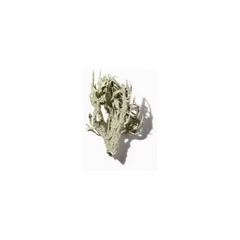
Artemisia

Aromatic, sharp, and unmistakably green — the wild heart of perfumery.

Artemisia is a top-to-heart note in perfumery, prized for its bitter, herbal, and camphoraceous character. Its signature comes from thujone and camphor, with essential oil concentrations typically under 1% in finished fragrance compositions.

Artemisia
Ingredient Profile

Artemisia

Greens, Herbs and Fougères Family
Family Greens, Herbs and Fougères
Note Position Heart Note
Usage Level 0.2–1.3% yield
Key Origins Morocco, France, Spain
Iconic In Penhaligon’s Artemisia, Burberry Touch for Men
The Ingredient

What does Artemisia smell like and why is it a perfumer’s secret weapon?

Artemisia, botanically encompassing species such as Artemisia absinthium (wormwood), Artemisia vulgaris (mugwort), and Artemisia dracunculus (tarragon), is renowned in perfumery for its intensely bitter, herbal, and green scent profile. The primary olfactory impression is a sharp, medicinal bitterness, underpinned by aromatic compounds including thujone, camphor, and chamazulene. This combination yields a fragrance that is both invigorating and grounding, with nuances of crushed dry leaves, wild herbs, and a subtle metallic-camphoraceous edge. The scent is often described as dry, clean, and slightly powdery, with a faint anise or liquorice-like sweetness in some chemotypes. In perfumery, artemisia is typically classified as a top-to-heart note due to its volatility and aromatic intensity. It is used at concentrations ranging from 0.1% to 1% in finished compositions, providing a distinctive opening or a complex, herbaceous core. Artemisia’s interaction with skin chemistry is notable: its green bitterness can become softer and more floral on warmer, slightly acidic skin, while remaining sharper and more medicinal on cooler, alkaline skin. Its volatility means it projects strongly in the first 30 minutes, then settles into a dry, woody-green undertone. Artemisia in perfumery is exemplified by fragrances such as Penhaligon’s Artemisia (2002, perfumer: Daphne Bugey), where it is paired with violet and vanilla for a powdery, ethereal effect, and Burberry Touch for Men (2000, Jean-Pierre Bethouart), where artemisia’s herbal edge balances floral and woody notes. Maison Crivelli’s Absinthe Boréale (2019, Nathalie Feisthauer) showcases artemisia’s role in modern aromatic fougère structures, demonstrating its versatility and enduring appeal.

0.2–1.3% yield
Typical essential oil yield from steam distillation of Artemisia absinthium flowering tops, depending on harvest stage and origin.
<0.4% IFRA limit
Maximum permitted concentration of artemisia oil in leave-on fragrance products, due to thujone content and potential neurotoxicity.
2–5 hours
Average longevity of artemisia as a dominant note in EDT/EDP formats, reflecting its high volatility and rapid top note evaporation.
Origin & Extraction

Where Artemisia Comes From — Origin & Extraction

Artemisia’s scent is shaped by terroir: Mediterranean soils yield oils with higher chamazulene and thujone, while continental climates produce sharper, more camphoraceous profiles. Altitude, rainfall, and soil nitrogen all influence aromatic intensity.

Artemisia refers to a large genus within the Asteraceae family, including Artemisia absinthium (wormwood), Artemisia vulgaris (mugwort), and Artemisia dracunculus (tarragon). The most common perfumery source is Artemisia absinthium, native to temperate regions of Europe, North Africa, and Asia. Major producing countries include Morocco, France (notably Provence), Spain, Croatia, and China. In Morocco, annual production of artemisia essential oil is estimated at 10–15 metric tons, with France and Spain contributing smaller but high-quality artisanal batches. The primary extraction method for artemisia essential oil is steam distillation of the flowering aerial parts (leaves, stems, flower heads). Harvesting occurs at full bloom for maximum oil yield, which ranges from 0.2% to 1.3% by weight, with typical commercial yields around 0.4–0.7%. The resulting oil is dark green to deep blue, colored by chamazulene formed during distillation. Solvent extraction (using ethanol or methanol) produces an absolute with a broader aromatic spectrum but is less common due to higher cost and lower yield. Supercritical CO2 extraction has been explored but is not standard in commercial perfumery. Natural artemisia oil costs approximately $300–600 per kg, depending on origin and chamazulene content. Synthetic substitutes, such as isolated thujone (CAS 546-80-5) or camphor (CAS 76-22-2), are available at $40–120 per kg, offering greater batch consistency. Sustainability concerns include overharvesting of wild populations, especially in Morocco and the Balkans, and the presence of thujone, which is regulated due to neurotoxicity at high concentrations. Cultivation practices emphasizing organic, rotational cropping and controlled wildcrafting are increasingly adopted to ensure long-term viability.

MA

Morocco

Morocco’s Middle Atlas region is a leading source, with wild and cultivated Artemisia absinthium. The arid, stony soils and high UV exposure yield oils rich in chamazulene (up to 18%), imparting a deep blue-green color and a pronounced bitter-camphoraceous scent. Annual production is estimated at 10–15 metric tons.

FR

France

Provence and Drôme produce artisanal artemisia oils, with a focus on organic cultivation. The limestone soils and Mediterranean climate result in a softer, more floral profile, with moderate thujone and higher linalool content. French oils are prized for their subtlety and are often used in niche perfumery.

ES

Spain

Castilla-La Mancha and Andalusia regions grow artemisia for both essential oil and absinthe production. Spanish oils are typically high in camphor and sabinyl acetate, giving a sharper, more medicinal aroma. Production is smaller scale but highly regarded for quality.

CN

China

Northern provinces such as Heilongjiang and Inner Mongolia cultivate Artemisia absinthium for both medicinal and aromatic use. Chinese artemisia oil is characterized by high thujone and cineole content, resulting in a potent, almost eucalyptus-like bitterness. China is a major exporter of bulk artemisia oil.

Chemistry

Natural vs Synthetic Artemisia in Perfumery

Natural artemisia oil is a complex mixture dominated by thujone (CAS 546-80-5), camphor (CAS 76-22-2), and chamazulene (CAS 529-05-5). Synthetic alternatives focus on replicating these key molecules, with beta-thujone and camphor providing the characteristic bitter-green and camphoraceous facets. Additional aroma chemicals such as cis-jasmone (CAS 488-10-8) and 1,8-cineole (CAS 470-82-6) are sometimes blended to mimic the herbal and slightly floral undertones of natural artemisia. Performance-wise, natural artemisia offers greater olfactory complexity and subtlety, but batch-to-batch variability is high due to chemotype and terroir. Synthetics provide consistency, improved stability, and reduced allergenicity, making them preferable in large-scale or IFRA-compliant formulations. Cost differentials are significant: natural artemisia oil averages $300–600/kg, while synthetic thujone and camphor are $40–120/kg. Notable fragrances using natural artemisia include Penhaligon’s Artemisia and Maison Crivelli Absinthe Boréale; synthetic artemisia notes are prevalent in modern designer fougères and chypres. Sustainability is a key consideration: wild-harvested artemisia faces ecological pressure, while synthetics reduce strain on natural populations but may rely on petrochemical feedstocks. The HumanSafe™ platform at CA Perfume ensures full traceability and IFRA compliance for all artemisia materials, whether natural or synthetic, prioritizing consumer safety and environmental stewardship.

Natural
Artemisia Absolute
Cost $3,000–6,000/kg
Method Solvent / CO₂
Character Complex, variable
vs
Synthetic
Safranal & Analogues
Cost $50–200/kg
Method Lab synthesis
Character Consistent, stable
Hall of Fame

Famous Fragrances That Define Artemisia in Perfumery

2002
dominant note

Penhaligon’s Artemisia

Penhaligon’s
by Daphne Bugey
violetvanillamusk
2000
bridge note

Burberry Touch for Men

Burberry
by Jean-Pierre Bethouart
violet leafwhite peppermusk
2019
dominant note

Maison Crivelli Absinthe Boréale

Maison Crivelli
by Nathalie Feisthauer
mintlavendermusk
2012
dominant note

Chopard Oud Malaki

Chopard
by Dominique Ropion
oudleatherspices
1996
top note

Versace The Dreamer

Versace
by Jean-Pierre Bethouart
tobaccofloral notesamber
2015
accent

Xerjoff XJ 1861 Zefiro

Xerjoff
by Mathieu Nardin
honeyincensespices

Artemisia’s bitter-green signature has shaped many landmark fragrances across genres. In Penhaligon’s Artemisia (2002, Daphne Bugey), the note is softened by violet and vanilla, yielding a powdery, ethereal floral. Burberry Touch for Men (2000, Jean-Pierre Bethouart) uses artemisia as a bridge between citrus top notes and woody musks, lending a fresh, herbal complexity. Maison Crivelli Absinthe Boréale (2019, Nathalie Feisthauer) highlights artemisia’s role in modern aromatic fougère structures, pairing it with mint and lavender for a cool, absinthe-inspired effect. Chopard Oud Malaki (2012, Dominique Ropion) employs artemisia as a dominant note, balancing oud and leather with a bitter-green freshness. Versace The Dreamer (1996, Jean-Pierre Bethouart) features artemisia in the top notes, where it tempers tobacco and floral accords with its herbal sharpness. Xerjoff XJ 1861 Zefiro (2015, Mathieu Nardin) showcases artemisia alongside honey and incense, creating a resinous, aromatic heart. CA Perfume’s artemisia-inspired collection draws on this lineage, offering both classic and contemporary interpretations of the note.

The Accord

How is a captivating Artemisia accord crafted?

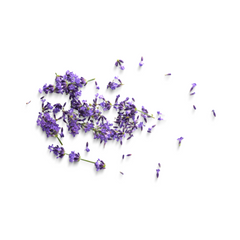
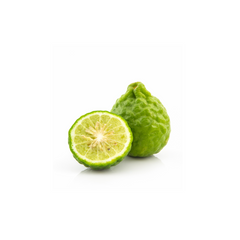
A classic Artemisia accord balances bitter-green sharpness with aromatic and woody facets. Typical proportions: Artemisia 25–30%, Lavender 20–25%, Oakmoss 25–30%, Bergamot 20–25%. Artemisia provides the core bitterness and herbal complexity; lavender introduces floral-camphoraceous lift via linalool and linalyl acetate; oakmoss supplies earthy, mossy depth through atranol and chloroatranol; bergamot adds a bright, citrusy top via limonene and linalyl acetate, smoothing the herbal edges.

30%

Artemisia

25–30% of blend

Delivers the signature bitter-green, camphoraceous top and heart, driven by thujone and camphor. Sets the herbal, aromatic core.

25%

Lavender

20–25% of blend

Linalool and linalyl acetate provide floral-camphoraceous brightness, softening artemisia’s bitterness while amplifying aromatic lift.

30%

Oakmoss

25–30% of blend

Atranol and chloroatranol create earthy, mossy undertones, anchoring the volatile herbal notes and enhancing longevity.

25%

Bergamot

20–25% of blend

Limonene and linalyl acetate add citrus brightness, smoothing the herbal sharpness and providing a seamless transition from top to heart.

The Olfactory Layers

How Artemisia Evolves on Skin

Artemisia’s olfactory evolution is rapid: volatile top notes (thujone, camphor) dominate the first 15 minutes, giving way to a dry, herbal heart as mid-weight sesquiterpenes linger. The base is subtle, with residual woody-green facets persisting for several hours.

I
Top notes
0–15 min
Bitter-Green Burst

The initial impression is intensely bitter-green, sharp, and camphoraceous, dominated by highly volatile thujone and camphor molecules. These evaporate quickly, creating an aromatic burst reminiscent of crushed leaves and wild herbs. The top is invigorating, almost medicinal, and projects strongly.

bitter-greencamphoraceousinvigorating
II
Heart notes
20–60 min
Herbal Drydown

As the top fades, artemisia reveals a dry, herbal heart with subtle anise and powdery undertones. Sesquiterpenes such as chamazulene and artabsine emerge, lending a woody, slightly metallic nuance. The bitterness softens, and the herbal complexity deepens.

herbalpowderydry-woody
III
Base notes
Several hours
Woody-Earthy Fade

The base is understated: faintly woody, earthy, and musky, with lingering traces of green bitterness. Low-volatility components such as chamazulene and residual aldehydes provide a gentle, persistent backdrop, anchoring the composition without overwhelming it.

earthymuskypersistent
TOP NOTES Bitter-Green Burst 0–15 minutes HEART NOTES Herbal Drydown 20–60 minutes BASE NOTES Woody-Earthy Fade Several hours
Through the Ages

The Story of Artemisia in Perfumery

Artemisia’s journey in perfumery spans from ancient medicinal use to its modern role in complex fragrance structures.

Antiquity

Medicinal and Ritual Use

Artemisia species, especially wormwood and mugwort, are documented in ancient Greek, Roman, and Chinese texts for medicinal, culinary, and ritual purposes. The genus is named after Artemis, the Greek goddess of the hunt and healing.

18th Century

Absinthe and Vermouth

Artemisia absinthium becomes the key flavoring in absinthe and vermouth, influencing both culinary and aromatic traditions in France, Switzerland, and Italy. Its bitter profile is prized for balancing sweetness in liqueurs and perfumes.

1882

Fougère Royale and the Birth of Modern Perfumery

Paul Parquet’s Fougère Royale (Houbigant, 1882) introduces the fougère genre, using artemisia to provide a bitter-green, herbal counterpoint to lavender and oakmoss, setting a template for aromatic masculines.

1996

Versace The Dreamer

Jean-Pierre Bethouart’s composition for Versace features artemisia in the top notes, demonstrating its ability to temper sweet florals and tobacco with herbal sharpness in a modern context.

2019

Maison Crivelli Absinthe Boréale

Nathalie Feisthauer’s Absinthe Boréale showcases artemisia as a dominant note in a contemporary aromatic fougère, paired with mint and lavender for a cool, absinthe-inspired effect.

The Art of Layering

How to Layer Artemisia

Understanding how to layer artemisia is key to harnessing its herbal complexity. Molecular compatibility with floral, citrus, and woody notes enables nuanced blends.

01

Enhance Freshness

Layering artemisia with citrus notes (bergamot, lemon) leverages shared terpenes (limonene, linalool) for a brighter, more effervescent opening. This combination is exemplified in fragrances like Burberry Touch for Men, where artemisia’s bitterness is balanced by citrus top notes.

02

Add Depth

Pairing artemisia with oakmoss or patchouli creates a molecular bridge via shared sesquiterpenes, deepening the earthy, woody facets. This synergy is central to classic fougère and chypre structures, as seen in Houbigant Fougère Royale and Chopard Oud Malaki.

03

Soften Bitterness

Combining artemisia with soft florals (violet, lavender) utilizes olfactory masking, where floral aldehydes and linalool temper the sharpness of thujone and camphor. Penhaligon’s Artemisia demonstrates this approach, yielding a powdery, ethereal result.

Wear It Right

How to Wear Artemisia Like a Pro

Seasonal Guide

Fall & Winter

In cooler months, artemisia’s earthy, woody undertones become more prominent as volatility is suppressed. Apply to pulse points under clothing to prolong projection and allow the herbal complexity to unfold gradually. Layer with warm notes like amber or leather for added depth.

Spring

Spring’s moderate temperatures highlight artemisia’s green, herbal freshness. Apply to exposed pulse points for a crisp, invigorating effect. Pair with florals or citrus notes to accentuate the sense of renewal and brightness.

Summer

High heat accelerates evaporation of artemisia’s volatile compounds, intensifying projection but shortening longevity. Use sparingly on cooler skin areas (inner elbows, behind knees) and layer with light citrus or aquatic notes for a refreshing, clean impression.

Year-Round Tip

Adjust application based on humidity: in dry climates, use oil-based or higher-concentration formats to extend wear; in humid conditions, opt for lighter sprays and layer with green or aromatic notes to prevent overpowering sharpness.

Application Points

Strategic application of artemisia maximizes its aromatic impact and controls volatility.

1

Neck

Pulse points on the neck provide warmth, accelerating the release of artemisia’s top notes for an immediate herbal burst. Ideal for making a strong first impression.

2

Behind the Ears

This area is slightly cooler, allowing artemisia’s heart notes to develop more gradually. It also helps moderate projection, keeping the scent close to the skin.

3

Inner Wrists

Frequent movement and warmth enhance volatility, showcasing artemisia’s evolving bitterness and herbal complexity. Reapply as needed for sustained freshness.

4

Hair

Spraying artemisia-infused fragrance on hair extends longevity, as the fibers trap lighter molecules and release them slowly. Avoid direct contact with scalp to prevent dryness.

Pro Tip

Layer artemisia with a fixative-rich base (such as sandalwood or amber) on skin, then apply a lighter artemisia spray on clothing for a multidimensional scent experience.

Mood Architecture™

Top Artemisia Fragrances by Mood Score

These Artemisia-based fragrances scored highest on the MEI™ Mood Architecture Framework — measuring how a scent may influence your emotional state.

Highest MEI Score
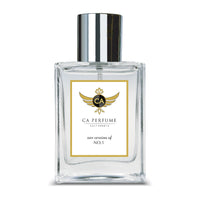
No.1 — Clive Christian Impression No.1 Alternative Cologne
8.66
MEI™
Primary Romantic
Secondary Confident
Confidence
8.02
Presence
8.9
Mood Lift
9.5
Identity
8.69
Warmth
9.5
Social Ease
8.68
Energy
3.4
" I am beautiful.
View full mood profile →
New Westin For Him — New West For Him Alternative Cologne
8.18
MEI™
Primary Magnetic
Secondary Confident
Confidence
8.74
Presence
9.44
Mood Lift
7.75
Identity
8.92
Warmth
8.29
Social Ease
7.34
Energy
5.6
" I am bold.
View full mood profile →
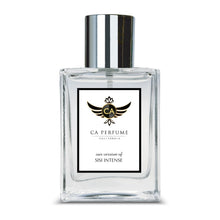
Sisi Intense — Si Intense Alternative Perfume
8.03
MEI™
Primary Romantic
Secondary Confident
Confidence
7.49
Presence
8.09
Mood Lift
8.52
Identity
7.96
Warmth
9.34
Social Ease
8.03
Energy
3.3
" I am beautiful.
View full mood profile →
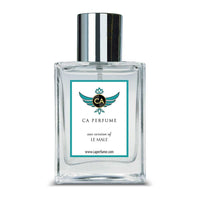
Le Male — Jean Paul Gaultier Le Male Alternative Cologne
7.69
MEI™
Primary Romantic
Secondary Grounding
Confidence
6.64
Presence
6.54
Mood Lift
8.44
Identity
6.47
Warmth
9.5
Social Ease
8.21
Energy
5.5
" I am beautiful.
View full mood profile →
HumanSafe™

Top Artemisia Fragrances by HumanSafe™ Score

These Artemisia-based fragrances have the highest product-level HumanSafe™ scores in this ingredient collection.

Highest HumanSafe™ Score
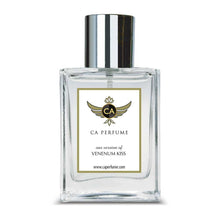
567- Venenum Kiss Perfume Spray
#1
567- Venenum Kiss Perfume Spray
Starting from $12.99
A-
HumanSafe™ Score Generally Safe
Safest Evaluated Ingredients EDP
AQUA Solvent / Carrier ISS 10.0
BENZYL SALICYLATE Evaluated ingredient ISS 9.0
4H-INDEN-4-ONE, 1,2,3,5,6,7-HEXAHYDRO-1,1,2,3,3- Evaluated ingredient ISS 9.0
3-CYCLOPENTENE-1-ACETALDEHYDE, 2,2,3-TRIMETHYL-, Evaluated ingredient ISS 9.0
LINALYL ACETATE Evaluated ingredient ISS 7.0
View full safety profile →
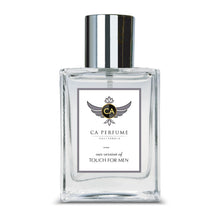
Touch For Men — Touch Alternative Cologne
A-
HumanSafe™ Score Generally Safe
Safest Evaluated Ingredients EDP
AQUA Solvent / Carrier ISS 10.0
1,4-DIOXACYCLOHEPTADECANE-5,17-DIONE Evaluated ingredient ISS 10.0
7-OCTEN-2-OL, 2,6-DIMETHYL- CAT. 3 Evaluated ingredient ISS 9.0
3-BUTEN-2-ONE, 3-METHYL-4-(2,6,6-TRIMETHYL-2- Evaluated ingredient ISS 8.0
2H-1-BENZOPYRAN-2-ONE Evaluated ingredient ISS 8.0
LINALYL ACETATE Evaluated ingredient ISS 7.0
View full safety profile →
Sisi Intense — Si Intense Alternative Perfume
A-
HumanSafe™ Score Generally Safe
Safest Evaluated Ingredients EDP
AQUA Solvent / Carrier ISS 10.0
AMBROXID Evaluated ingredient ISS 10.0
1,4-DIOXACYCLOHEPTADECANE-5,17-DIONE Evaluated ingredient ISS 10.0
BENZYL SALICYLATE Evaluated ingredient ISS 9.0
CYCLOHEXADECANONE Evaluated ingredient ISS 8.0
View full safety profile →
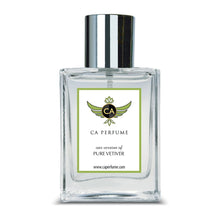
Pure Vetiver — Azzaro Pure Vetiver Alternative Cologne
A-
HumanSafe™ Score Generally Safe
Safest Evaluated Ingredients EDP
AQUA Solvent / Carrier ISS 10.0
1,4-DIOXACYCLOHEPTADECANE-5,17-DIONE Evaluated ingredient ISS 10.0
HEXYL SALICYLATE Evaluated ingredient ISS 9.0
BENZYL SALICYLATE EYE IRRITATION - CAT.2B [H320] Evaluated ingredient ISS 9.0
7-OCTEN-2-OL, 2,6-DIMETHYL- CAT. 3 Evaluated ingredient ISS 9.0
1H-3A,7-METHANOAZULENE, OCTAHYDRO-6-METHOXY- Evaluated ingredient ISS 9.0
View full safety profile →
Expert Voices

What Masters Say About Artemisia

Artemisia is a perfumer’s secret weapon, a note that is rarely a solo star but one that can dramatically transform a composition. Its sharp, bitter-green signature is unmistakable.
CA Perfume Editorial
The smell is immediately recognisable: drier and sharper than clary sage, more bitter than lavender, with a cold metallic edge that recalls cedar leaf oil. In small doses it commands a composition; in large ones it overwhelms it.
CA Perfume Editorial
Common Questions

Frequently Asked Questions

Answers to the most common questions about artemisia in perfumery.

Artemisia in perfume is defined by a bitter-green, herbal, and camphoraceous scent, underpinned by thujone and camphor. The opening is sharp and medicinal, evolving into a dry, powdery, and slightly woody heart. Its complexity is often compared to crushed leaves, wild herbs, and a faint anise sweetness. Notable examples include Penhaligon’s Artemisia and Burberry Touch for Men.

Artemisia is typically used as a top-to-heart note due to its high volatility and aromatic intensity. It provides an immediate herbal burst in the opening, but its bitterness and complexity can persist into the heart of the fragrance, especially when paired with fixatives or heavier base notes.

Artemisia’s unique bitter-green profile adds complexity, freshness, and a subtle medicinal edge to compositions. Its ability to balance sweet, floral, or woody notes makes it a favorite in fougère, chypre, and modern niche fragrances, where perfumers seek distinctive, layered effects.

Artemisia fragrance uses include pairing with citrus (bergamot, lemon), florals (violet, lavender), and woody notes (oakmoss, sandalwood). These combinations leverage molecular compatibility—shared terpenes and sesquiterpenes—to create harmonious, multidimensional accords.

Yes, artemisia’s volatile, herbal freshness makes it well-suited for summer. Its sharp, green top notes project strongly in heat, but may evaporate quickly. For longevity, layer with citrus or aquatic notes and apply to cooler skin areas.

Artemisia-dominant fragrances usually last 2–5 hours, reflecting the high volatility of its key molecules. Longevity can be extended by layering with fixative-rich bases or using oil-based formats.

Yes, artemisia is highly versatile for layering. It enhances freshness when combined with citrus, adds depth with woody or mossy notes, and softens with florals. Layering allows you to customize projection and complexity based on your preferences.

For those new to artemisia, Penhaligon’s Artemisia offers a soft, powdery introduction, while Burberry Touch for Men provides a balanced herbal-citrus experience. Maison Crivelli Absinthe Boréale is ideal for those seeking a modern, aromatic fougère.

Consider your preferred style: for fresh, green profiles, look for artemisia paired with citrus or lavender; for deeper, more complex scents, seek out chypre or fougère blends with oakmoss or patchouli. CA Perfume’s collection spans classic and contemporary interpretations.

Artemisia is primarily bitter and herbal, with only faint sweetness (anise or liquorice nuance) in some chemotypes. It is not typically spicy, but can be paired with spice notes for added complexity in oriental or woody compositions.

Greens, Herbs and Fougères Collection

Explore Our Top Artemisia Fragrances

Discover CA Perfume’s curated selection of artemisia fragrances, from classic fougères to modern aromatic blends.

Shop all artemisia fragrances at CA Perfume →

Where Artemisia Comes From — Origin & Extraction

Artemisia refers to a large genus within the Asteraceae family, including Artemisia absinthium (wormwood), Artemisia vulgaris (mugwort), and Artemisia dracunculus (tarragon). The most common perfumery source is Artemisia absinthium, native to temperate regions of Europe, North Africa, and Asia. Major producing countries include Morocco, France (notably Provence), Spain, Croatia, and China. In Morocco, annual production of artemisia essential oil is estimated at 10–15 metric tons, with France and Spain contributing smaller but high-quality artisanal batches. The primary extraction method for artemisia essential oil is steam distillation of the flowering aerial parts (leaves, stems, flower heads). Harvesting occurs at full bloom for maximum oil yield, which ranges from 0.2% to 1.3% by weight, with typical commercial yields around 0.4–0.7%. The resulting oil is dark green to deep blue, colored by chamazulene formed during distillation. Solvent extraction (using ethanol or methanol) produces an absolute with a broader aromatic spectrum but is less common due to higher cost and lower yield. Supercritical CO2 extraction has been explored but is not standard in commercial perfumery. Natural artemisia oil costs approximately $300–600 per kg, depending on origin and chamazulene content. Synthetic substitutes, such as isolated thujone (CAS 546-80-5) or camphor (CAS 76-22-2), are available at $40–120 per kg, offering greater batch consistency. Sustainability concerns include overharvesting of wild populations, especially in Morocco and the Balkans, and the presence of thujone, which is regulated due to neurotoxicity at high concentrations. Cultivation practices emphasizing organic, rotational cropping and controlled wildcrafting are increasingly adopted to ensure long-term viability.

Famous Fragrances That Define Artemisia in Perfumery

Artemisia’s bitter-green signature has shaped many landmark fragrances across genres. In Penhaligon’s Artemisia (2002, Daphne Bugey), the note is softened by violet and vanilla, yielding a powdery, ethereal floral. Burberry Touch for Men (2000, Jean-Pierre Bethouart) uses artemisia as a bridge between citrus top notes and woody musks, lending a fresh, herbal complexity. Maison Crivelli Absinthe Boréale (2019, Nathalie Feisthauer) highlights artemisia’s role in modern aromatic fougère structures, pairing it with mint and lavender for a cool, absinthe-inspired effect. Chopard Oud Malaki (2012, Dominique Ropion) employs artemisia as a dominant note, balancing oud and leather with a bitter-green freshness. Versace The Dreamer (1996, Jean-Pierre Bethouart) features artemisia in the top notes, where it tempers tobacco and floral accords with its herbal sharpness. Xerjoff XJ 1861 Zefiro (2015, Mathieu Nardin) showcases artemisia alongside honey and incense, creating a resinous, aromatic heart. CA Perfume’s artemisia-inspired collection draws on this lineage, offering both classic and contemporary interpretations of the note.

Natural vs Synthetic Artemisia in Perfumery

Natural artemisia oil is a complex mixture dominated by thujone (CAS 546-80-5), camphor (CAS 76-22-2), and chamazulene (CAS 529-05-5). Synthetic alternatives focus on replicating these key molecules, with beta-thujone and camphor providing the characteristic bitter-green and camphoraceous facets. Additional aroma chemicals such as cis-jasmone (CAS 488-10-8) and 1,8-cineole (CAS 470-82-6) are sometimes blended to mimic the herbal and slightly floral undertones of natural artemisia. Performance-wise, natural artemisia offers greater olfactory complexity and subtlety, but batch-to-batch variability is high due to chemotype and terroir. Synthetics provide consistency, improved stability, and reduced allergenicity, making them preferable in large-scale or IFRA-compliant formulations. Cost differentials are significant: natural artemisia oil averages $300–600/kg, while synthetic thujone and camphor are $40–120/kg. Notable fragrances using natural artemisia include Penhaligon’s Artemisia and Maison Crivelli Absinthe Boréale; synthetic artemisia notes are prevalent in modern designer fougères and chypres. Sustainability is a key consideration: wild-harvested artemisia faces ecological pressure, while synthetics reduce strain on natural populations but may rely on petrochemical feedstocks. The HumanSafe™ platform at CA Perfume ensures full traceability and IFRA compliance for all artemisia materials, whether natural or synthetic, prioritizing consumer safety and environmental stewardship.