Ingredient Guide · Woody Amber
Woody Amber Family · Perfumery Note

Amberwood

A modern synthetic base note with dry, musky, and mineralic facets.

Amberwood is a synthetic base note in perfumery, prized for its dry, woody, and musky character with subtle ambergris nuance. Its defining quality is exceptional longevity, driven by cyclododecane derivatives like Boisambrene Forte (CAS 58567-11-6), used at 2–10% in modern compositions.

Amberwood
Ingredient Profile

Amberwood

Woody Amber Family
Family Woody Amber
Note Position Base Note
Usage Level 2–10% usage
Key Origins United States, Switzerland, Germany
Iconic In Baccarat Rouge 540, Y Eau de Parfum
The Ingredient

What does Amberwood smell like and why is it pivotal in modern perfumery?

Amberwood is a synthetic aroma chemical, structurally a cyclododecane derivative, engineered to replicate and enhance the warm, musky, and mineralic nuances of natural ambergris while reinforcing the dry, woody backbone of modern fragrances. Its scent profile is multifaceted: dry, woody, musky, with a subtle creamy undertone and a mineralic, slightly salty edge reminiscent of ambergris. The primary molecule, Boisambrene Forte (CAS 58567-11-6), delivers a dry ambery-woody odor with moderate intensity and exceptional tenacity, lasting over 168 hours on blotters. Unlike traditional ambers, amberwood avoids overt sweetness, instead offering a polished, radiant diffusion that bridges the gap between resinous warmth and woody structure. This unique molecular composition underpins the 'amberwood scent profile' that has become ubiquitous in contemporary perfumery. In perfumery, amberwood functions almost exclusively as a base note, typically used at concentrations of 2–10% in the fragrance concentrate. Its low volatility and high molecular weight (MW: 242.45 g/mol) ensure it persists through the drydown, acting as both a fixative and a structural anchor for other notes. Amberwood interacts with skin chemistry by amplifying musky and mineralic facets, often revealing a subtle sweetness or powderiness depending on the wearer’s skin pH and moisture. On acidic skin, it can lean sharper and drier; on alkaline skin, it may develop a creamier, more diffusive aura. Its stability and compatibility with a wide range of aroma chemicals make it a versatile backbone for both masculine and unisex compositions, especially in the woody, amber, and fougère families. Amberwood in perfumery is exemplified by its use in Maison Francis Kurkdjian Baccarat Rouge 540 (2015), where it forms the radiant, crystalline base alongside saffron and cedar, and in Yves Saint Laurent Y Eau de Parfum (2018), where it provides a persistent, musky-woody foundation. Other notable examples include Mancera Instant Crush (2019) and Louis Vuitton Ombre Nomade (2018), both of which leverage amberwood’s unique ability to extend and amplify the composition’s signature. These fragrances highlight how the question 'what does amberwood smell like' is best answered through its transformative, long-lasting impact on modern scent structures.

168+ hours
Amberwood molecules (Boisambrene Forte) persist on blotters for over 168 hours, ensuring exceptional longevity in finished fragrances.
2–10% usage
Typical concentration of amberwood in fragrance formulas ranges from 2–10%, providing a strong, persistent base without overpowering the composition.
$80–$300/kg
The cost of synthetic amberwood molecules is $80–$300 per kilogram, making it an accessible, sustainable alternative to natural ambergris.
Origin & Extraction

Where Amberwood Comes From — Origin & Extraction

Amberwood’s scent character is consistent globally due to its synthetic origin, but subtle differences may arise from manufacturing processes and purity standards. The molecule’s dry, musky, and mineralic facets are engineered for reproducibility, ensuring uniform olfactory performance regardless of production site.

Amberwood is not a natural material but a synthetic aroma chemical, most commonly represented by molecules such as Boisambrene Forte (Amberwood F, CAS 58567-11-6). It is a cyclododecane derivative, classified as a sesquiterpenoid alcohol, designed to mimic and enhance the olfactory profile of natural ambergris and woody resins. The synthesis of amberwood involves a two-step process: cyclododecanol is first reacted with formaldehyde, followed by substitution with an ethoxy group, resulting in a colorless liquid with high stability and low volatility. The process is conducted at moderate temperatures (typically 50–80°C) under controlled laboratory conditions, with yields exceeding 80% in industrial settings. Major producers of amberwood and related woody-amber chemicals include global fragrance houses such as International Flavors & Fragrances (IFF), Givaudan, and Symrise, with production facilities in the United States, Switzerland, and Germany. The cost of synthetic amberwood molecules ranges from $80–$300 per kilogram, depending on purity and supplier, which is significantly lower than the $20,000–$50,000/kg price of natural ambergris and more stable than plant-derived ambers. Sustainability is a key advantage: synthetic amberwood is not dependent on endangered species or slow-growing botanical sources, and its production has a lower environmental impact compared to natural ambergris or fossilized amber extraction. The molecule’s high yield and reproducibility make it a reliable choice for large-scale perfumery, and its use is fully compliant with IFRA safety guidelines.

US

United States

IFF’s New Jersey facility produces high-purity amberwood molecules using advanced cyclododecane synthesis. US-made amberwood is prized for batch consistency and IFRA compliance, supporting large-scale commercial perfumery.

CH

Switzerland

Givaudan’s Vernier plant in Geneva is known for precision synthesis and rigorous quality control, yielding amberwood with exceptional olfactory purity and minimal off-notes. Swiss amberwood is favored in niche and luxury perfumery.

DE

Germany

Symrise’s Holzminden facility specializes in sustainable aroma chemical production, using energy-efficient processes and closed-loop systems. German amberwood is noted for its environmental credentials and high technical standards.

Chemistry

Natural vs Synthetic Amberwood in Perfumery

Amberwood is exclusively a synthetic material; there is no natural counterpart. The primary molecule, Boisambrene Forte (Amberwood F, CAS 58567-11-6), is engineered to deliver a dry, woody-amber scent with ambergris-like nuances. Other related synthetic aroma chemicals include Ambroxan (CAS 6790-58-5), Norlimbanol (CAS 28219-61-6), and Iso E Super (CAS 54464-57-2), each contributing distinct facets—Ambroxan for musky-ambergris radiance, Norlimbanol for dry woodiness, and Iso E Super for velvety transparency. Synthetic amberwood offers superior performance: longevity exceeding 24 hours on skin and over 168 hours on blotters, high diffusion, and excellent stability in both alcohol and oil-based formats. In contrast, natural ambergris is rare, variable in quality, and subject to strict legal and ethical restrictions. The cost differential is significant: synthetic amberwood molecules retail for $80–$300/kg, while natural ambergris (where legal) can exceed $20,000/kg. Famous fragrances using synthetic amberwood include Maison Francis Kurkdjian Baccarat Rouge 540, Yves Saint Laurent Y Eau de Parfum, and Mancera Instant Crush. Sustainability is a major benefit—synthetic amberwood avoids the ecological impact of animal-derived or fossilized materials, and its supply chain is transparent and traceable. CA Perfume utilizes HumanSafe™ platform verification to ensure all amberwood used is ethically sourced, IFRA-compliant, and fully synthetic, supporting both environmental responsibility and consumer safety.

Natural
Amberwood Absolute
Cost $3,000–6,000/kg
Method Solvent / CO₂
Character Complex, variable
vs
Synthetic
Safranal & Analogues
Cost $50–200/kg
Method Lab synthesis
Character Consistent, stable
Hall of Fame

Famous Fragrances That Define Amberwood in Perfumery

2015
dominant note

Baccarat Rouge 540

Maison Francis Kurkdjian
by Francis Kurkdjian
saffroncedarambergrisjasmine
2018
base note

Y Eau de Parfum

Yves Saint Laurent
by Dominique Ropion
aldehydessagegeraniumtonka bean
2019
bridge note

Instant Crush

Mancera
citrusrosevanillamusk
2018
base note

Ombre Nomade

Louis Vuitton
by Jacques Cavallier-Belletrud
oudraspberryrosebirch
2018
supporting note

Vanilla | 28

Kayali Fragrances
vanillatonka beanbrown sugarmusk

Amberwood has become a defining base note in contemporary perfumery, particularly in the last decade. Maison Francis Kurkdjian Baccarat Rouge 540 (2015, perfumer Francis Kurkdjian) is perhaps the most influential, using amberwood to create a crystalline, radiant base that fuses with saffron and cedar for a signature mineralic-woody effect. Yves Saint Laurent Y Eau de Parfum (2018, perfumer Dominique Ropion) features amberwood as a persistent, musky-woody anchor, extending the fragrance’s longevity and projection. Mancera Instant Crush (2019) utilizes amberwood to bridge citrus, rose, and vanilla, delivering a long-lasting, modern amber-woody drydown. Louis Vuitton Ombre Nomade (2018, perfumer Jacques Cavallier-Belletrud) employs amberwood to amplify oud and raspberry, creating a smoky, mineralic base with exceptional sillage. Kayali Vanilla | 28 (2018) demonstrates amberwood’s compatibility with gourmand notes, pairing it with vanilla and tonka for a creamy, musky finish. CA Perfume’s collection draws inspiration from these landmark fragrances, offering amberwood-driven compositions that reflect the evolution of this note in both niche and mainstream perfumery.

The Accord

How is a captivating Amberwood accord crafted?

A classic amberwood accord balances dry woody, musky, and mineralic facets with subtle sweetness. Typical proportions: Amberwood (Boisambrene Forte) 30–35%, Ambroxan 20–25%, Iso E Super 20–25%, Vanilla Absolute 20–25%. Amberwood provides the dry, radiant backbone; Ambroxan adds musky, ambergris-like radiance; Iso E Super imparts velvety transparency and volume; Vanilla Absolute softens the blend, introducing a creamy sweetness that rounds out the composition. These components together create a long-lasting, modern woody-amber signature.

35%

Amberwood (Boisambrene Forte)

30–35% of blend

Amberwood delivers the dry, woody-amber backbone and mineralic radiance, acting as the structural anchor and fixative for the accord.

25%

Ambroxan

20–25% of blend

Ambroxan enhances musky, ambergris-like facets and boosts projection through its high diffusion and molecular stability.

25%

Iso E Super

20–25% of blend

Iso E Super imparts velvety, transparent woodiness, increasing the accord’s volume and smoothing transitions between notes.

25%

Vanilla Absolute

20–25% of blend

Vanilla Absolute softens the accord, introducing creamy sweetness and masking any sharpness from the woody molecules.

The Olfactory Layers

How Amberwood Evolves on Skin

Amberwood’s olfactory evolution is gradual, with a low volatility profile. Top notes dissipate quickly, revealing the dry, woody-amber character within 10–20 minutes. The molecule’s high molecular weight ensures a persistent, musky-woody base that anchors the composition for hours.

I
Top notes
0–15 min
Transparent Warmth

Amberwood’s initial impression is subtle, as high-volatility molecules evaporate rapidly. Any fleeting citrus or herbal top notes are quickly overtaken by the dry, woody-amber backbone, which begins to emerge as the lighter compounds dissipate.

subtletransparentfleeting
II
Heart notes
20–60 min
Dry Musky Core

The heart reveals amberwood’s core: dry, musky, mineralic, and slightly creamy. Boisambrene Forte’s structure interacts with skin, amplifying musky and powdery facets, while Ambroxan and Iso E Super may contribute radiance and volume.

drymuskymineralic
III
Base notes
Several hours
Ambergris Resonance

Amberwood dominates the base with persistent woody-amber warmth, subtle ambergris nuance, and a lingering musky sweetness. Its low volatility ensures projection and longevity, acting as a fixative for the entire composition.

persistentwoodyambergris-like
TOP NOTES Transparent Warmth 0–15 minutes HEART NOTES Dry Musky Core 20–60 minutes BASE NOTES Ambergris Resonance Several hours
Through the Ages

The Story of Amberwood in Perfumery

Amberwood’s history in perfumery is recent but transformative, reshaping the modern woody-amber genre through synthetic innovation and landmark fragrances.

1970s

Development of Woody-Amber Molecules

Fragrance chemists at IFF and Givaudan begin synthesizing cyclododecane derivatives, laying the groundwork for modern amberwood molecules with enhanced stability and longevity.

1990s

Commercialization of Boisambrene Forte

Boisambrene Forte (Amberwood F, CAS 58567-11-6) is introduced as a high-performance woody-amber base, quickly adopted by perfumers seeking a dry, musky, and persistent note.

2015

Baccarat Rouge 540 Launch

Maison Francis Kurkdjian’s Baccarat Rouge 540, composed by Francis Kurkdjian, debuts with amberwood as its radiant, crystalline base, influencing an entire generation of woody-amber fragrances.

2018

Amberwood in Mainstream Perfumery

Yves Saint Laurent Y Eau de Parfum and Louis Vuitton Ombre Nomade launch, both leveraging amberwood’s fixative power and musky-woody signature in mainstream and luxury markets.

2020s

Amberwood’s Global Ubiquity

Amberwood becomes a staple in niche and designer perfumery, with widespread use in both masculine and unisex compositions. Its reproducibility and sustainability secure its role in the modern fragrance palette.

The Art of Layering

How to Layer Amberwood

Understanding how to layer amberwood is key to customizing its olfactory impact. At a molecular level, amberwood’s dry, musky backbone pairs synergistically with sweet, floral, or resinous notes, leveraging olfactory masking and shared musky/ambergris compounds.

01

Enhance Sweetness

Layer amberwood with vanilla or tonka bean fragrances to soften its dry, woody edge. Vanillin and coumarin molecules in these notes mask sharpness, creating a creamy, enveloping warmth. Kayali Vanilla | 28 demonstrates this synergy.

02

Add Depth

Pair amberwood with oud, patchouli, or incense-based scents. Shared woody and resinous molecules (e.g., Norlimbanol, Iso E Super) amplify structure and longevity, as seen in Louis Vuitton Ombre Nomade.

03

Lighten the Glow

Combine amberwood with citrus or aquatic notes (bergamot, grapefruit, marine accords) to introduce freshness and transparency. This molecular contrast prevents olfactory fatigue and is exemplified in Yves Saint Laurent Y Eau de Parfum.

Wear It Right

How to Wear Amberwood Like a Pro

Seasonal Guide

Fall & Winter

Amberwood’s dry, musky warmth excels in cool weather, where lower temperatures slow evaporation and enhance longevity. Apply to pulse points and under clothing for a persistent, enveloping scent trail that withstands cold air.

Spring

In moderate temperatures, amberwood’s mineralic and woody facets blend seamlessly with florals and green notes. Apply sparingly to avoid overpowering lighter compositions, focusing on wrists and neck.

Summer

High heat increases amberwood’s diffusion and projection, potentially amplifying its musky and mineralic facets. Use minimal application—one or two sprays on cooler skin areas (behind ears, inner elbows)—to prevent olfactory fatigue.

Year-Round Tip

Layer amberwood-based fragrances with lighter, citrus or aquatic notes in warm weather, and with resins or spices in colder months. Adjust application to match climate and personal comfort.

Application Points

Strategic application of amberwood fragrances optimizes projection, longevity, and olfactory evolution.

1

Neck

Pulse points on the neck generate heat, accelerating amberwood’s diffusion and revealing its musky, woody facets more quickly.

2

Behind the Ears

This area retains warmth and moisture, enhancing the projection of amberwood’s mineralic and ambergris-like nuances throughout the day.

3

Inner Wrists

Applying to inner wrists allows for easy scent sampling and maximizes skin contact, highlighting amberwood’s musky, powdery drydown.

4

Hair

Hair fibers trap and slowly release amberwood molecules, extending the scent’s longevity and creating a subtle, diffusive trail.

Pro Tip

Apply amberwood fragrance to clothing (test for staining) to prolong its woody-amber signature, as fabric holds the molecule’s scent for extended periods.

Mood Architecture™

Top Amberwood Fragrances by Mood Score

These Amberwood-based fragrances scored highest on the MEI™ Mood Architecture Framework — measuring how a scent may influence your emotional state.

Highest MEI Score
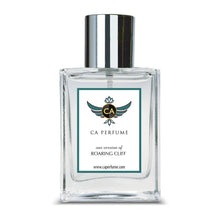
Roaring Cliff — Roaring Radcliff Alternative Cologne
8.55
MEI™
Primary Romantic
Secondary Confident
Confidence
7.99
Presence
9.4
Mood Lift
9.33
Identity
7.45
Warmth
9.5
Social Ease
8.15
Energy
4.9
" I am beautiful.
View full mood profile →
Resident X — Citizen X Alternative Perfume
7.86
MEI™
Primary Romantic
Secondary Confident
Confidence
8.04
Presence
8.24
Mood Lift
8.01
Identity
8.56
Warmth
8.29
Social Ease
7.41
Energy
3.4
" I am beautiful.
View full mood profile →
Percival — Parfums De Marly Percival Alternative Perfume
7.61
MEI™
Primary Romantic
Secondary Confident
Confidence
7.22
Presence
7.58
Mood Lift
8.24
Identity
7.14
Warmth
8.05
Social Ease
7.69
Energy
4.9
" I am beautiful.
View full mood profile →
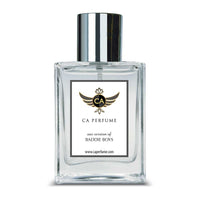
Baddie Boys — Carolina Herrera Bad Boy Alternative Cologne
7.2
MEI™
Primary Fresh
Secondary Romantic
Confidence
6.54
Presence
6.32
Mood Lift
8.35
Identity
6.64
Warmth
7.98
Social Ease
7.37
Energy
3.4
" I am radiant.
View full mood profile →
HumanSafe™

Top Amberwood Fragrances by HumanSafe™ Score

These Amberwood-based fragrances have the highest product-level HumanSafe™ scores in this ingredient collection.

Highest HumanSafe™ Score
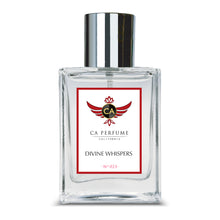
Divine Whispers Perfume Spray
#1
Divine Whispers Perfume Spray
Starting from $89.99
A
HumanSafe™ Score Very Safe
Safest Evaluated Ingredients EDP
WATER Solvent / Carrier ISS 10.0
METHYLDIHYDROJASMONATE Fragrance ingredient ISS 10.0
DIHYDRO PENTAMETHYLINDANONE Fragrance ingredient ISS 9.0
Sweet Orange Oil Fragrance ingredient ISS 7.0
METHYL DIHYDROXY-DIMETHYLBENZOATE Fragrance ingredient ISS 7.0
Limonene Fragrance ingredient ISS 7.0
View full safety profile →
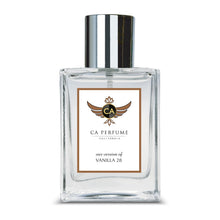
Vanilla 28 — Kayali Vanilla 28 Alternative Perfume
A-
HumanSafe™ Score Generally Safe
Safest Evaluated Ingredients EDP
AQUA Solvent / Carrier ISS 10.0
2-(1-(3',3'-DIMETHYL-1'-CYCLOHEXYL)ETHOXY)-2-METHYL Evaluated ingredient ISS 10.0
1,4-DIOXACYCLOHEPTADECANE-5,17-DIONE Evaluated ingredient ISS 10.0
3-METHYLCYCLOPENTADECENONE Evaluated ingredient ISS 9.0
LINALYL ACETATE Evaluated ingredient ISS 7.0
ALCOHOL DENAT. Solvent / Carrier ISS 7.0
View full safety profile →
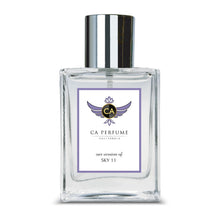
Sky 11 — Lake & Sky Sky 11 11 Alternative Perfume
A-
HumanSafe™ Score Generally Safe
Safest Evaluated Ingredients EDP
AQUA Solvent / Carrier ISS 10.0
1,4-DIOXACYCLOHEPTADECANE-5,17-DIONE Evaluated ingredient ISS 10.0
ALCOHOL DENAT. Solvent / Carrier ISS 7.0
2H-1-BENZOPYRAN-6-OL, 3,4-DIHYDRO-2,5,7,8- Evaluated ingredient ISS 7.0
1,3,4,6,7,8-HEXAHYDRO-4,6,6,7,8,8- Evaluated ingredient ISS 7.0
TETRAHYDRO-2-ISOBUTYL-4-METHYLPYRAN-4-OL, MIXED Evaluated ingredient ISS 6.6
View full safety profile →
Roaring Cliff — Roaring Radcliff Alternative Cologne
A-
HumanSafe™ Score Generally Safe
Safest Evaluated Ingredients EDP
AQUA Solvent / Carrier ISS 10.0
1,4-DIOXACYCLOHEPTADECANE-5,17-DIONE Evaluated ingredient ISS 10.0
1H-3A,7-METHANOAZULENE, OCTAHYDRO-6-METHOXY-3,6,8,8- Evaluated ingredient ISS 9.0
2H-1-BENZOPYRAN-2-ONE Evaluated ingredient ISS 8.0
REACTION MASS OF: (E)-OXACYCLOHEXADEC-12-EN-2-ONE, (E)- Evaluated ingredient ISS 7.0
LINALYL ACETATE Evaluated ingredient ISS 7.0
View full safety profile →
Expert Voices

What Masters Say About Amberwood

Amberwood is prized for its complex, multifaceted scent profile, which blends dry woodiness, musky warmth, and an ambergris-like mineralic nuance. Its ability to add depth, elegance, and fixation to fragrances has cemented its place in high-end perfumery.
CA Perfume Editorial
Amberwood functions primarily as a base note, with an extremely long-lasting profile—over 168 hours on blotters—and moderate olfactory intensity. It contributes dryness, structure, and warmth to formulations, without the sweetness sometimes found in balsamic or vanillic ambers.
CA Perfume Editorial
Common Questions

Frequently Asked Questions

Answers to common questions about amberwood in perfumery, its scent, uses, and performance.

Amberwood in perfume smells dry, woody, musky, and subtly mineralic, with a persistent warmth reminiscent of ambergris. Its synthetic structure ensures a consistent, long-lasting scent profile, evolving from transparent woodiness to a musky, ambergris-like base. Notable examples include Baccarat Rouge 540 and Y Eau de Parfum, where amberwood anchors the composition with its radiant, crystalline signature.

Amberwood is exclusively used as a base note due to its high molecular weight and low volatility. It provides structure, longevity, and fixation, persisting through the drydown and supporting lighter, more volatile notes in the composition.

Amberwood’s exceptional longevity, radiant diffusion, and compatibility with a wide range of notes make it a staple in niche perfumery. Its ability to mimic ambergris and provide a modern, musky-woody signature has influenced landmark fragrances such as Baccarat Rouge 540 and Mancera Instant Crush.

Amberwood fragrance uses often involve pairing with vanilla, oud, patchouli, sandalwood, and musks. These notes share molecular affinities or provide olfactory contrast, enhancing amberwood’s structure and complexity. Rose and citrus notes can also be layered for added freshness.

Amberwood’s low volatility means it can project strongly in hot weather, so minimal application is recommended. Its dry, musky warmth can be balanced with citrus or aquatic notes for summer use, as seen in fragrances like Y Eau de Parfum.

Amberwood-based fragrances are known for exceptional longevity, often lasting 12–24 hours on skin and over 168 hours on blotters. Its fixative properties ensure the scent persists through the day and beyond.

Yes, amberwood’s molecular structure makes it ideal for layering. It pairs well with sweet, floral, or resinous notes, allowing for customized scent profiles. Layering with vanilla or oud can enhance depth, while citrus or aquatic notes lighten the composition.

For those new to amberwood, fragrances like Baccarat Rouge 540, Y Eau de Parfum, and Kayali Vanilla | 28 offer accessible introductions. These compositions showcase amberwood’s dry, musky warmth in balanced, versatile blends.

Consider your preferred scent profile—whether you favor dry woody, musky, or sweet gourmand blends. CA Perfume’s collection features amberwood-driven fragrances inspired by both niche and mainstream classics, with options for every olfactory preference.

Amberwood is primarily dry, woody, and musky, with only a subtle underlying sweetness. Its synthetic structure avoids the overt sweetness of balsamic or vanillic ambers, instead delivering a polished, radiant warmth with mineralic and ambergris-like nuances.

Woody Amber Collection

Explore Our Top Amberwood Fragrances

Discover CA Perfume’s curated selection of amberwood-driven scents, inspired by modern classics and niche innovations.

Shop all amberwood fragrances at CA Perfume →

Where Amberwood Comes From — Origin & Extraction

Amberwood is not a natural material but a synthetic aroma chemical, most commonly represented by molecules such as Boisambrene Forte (Amberwood F, CAS 58567-11-6). It is a cyclododecane derivative, classified as a sesquiterpenoid alcohol, designed to mimic and enhance the olfactory profile of natural ambergris and woody resins. The synthesis of amberwood involves a two-step process: cyclododecanol is first reacted with formaldehyde, followed by substitution with an ethoxy group, resulting in a colorless liquid with high stability and low volatility. The process is conducted at moderate temperatures (typically 50–80°C) under controlled laboratory conditions, with yields exceeding 80% in industrial settings. Major producers of amberwood and related woody-amber chemicals include global fragrance houses such as International Flavors & Fragrances (IFF), Givaudan, and Symrise, with production facilities in the United States, Switzerland, and Germany. The cost of synthetic amberwood molecules ranges from $80–$300 per kilogram, depending on purity and supplier, which is significantly lower than the $20,000–$50,000/kg price of natural ambergris and more stable than plant-derived ambers. Sustainability is a key advantage: synthetic amberwood is not dependent on endangered species or slow-growing botanical sources, and its production has a lower environmental impact compared to natural ambergris or fossilized amber extraction. The molecule’s high yield and reproducibility make it a reliable choice for large-scale perfumery, and its use is fully compliant with IFRA safety guidelines.

Famous Fragrances That Define Amberwood in Perfumery

Amberwood has become a defining base note in contemporary perfumery, particularly in the last decade. Maison Francis Kurkdjian Baccarat Rouge 540 (2015, perfumer Francis Kurkdjian) is perhaps the most influential, using amberwood to create a crystalline, radiant base that fuses with saffron and cedar for a signature mineralic-woody effect. Yves Saint Laurent Y Eau de Parfum (2018, perfumer Dominique Ropion) features amberwood as a persistent, musky-woody anchor, extending the fragrance’s longevity and projection. Mancera Instant Crush (2019) utilizes amberwood to bridge citrus, rose, and vanilla, delivering a long-lasting, modern amber-woody drydown. Louis Vuitton Ombre Nomade (2018, perfumer Jacques Cavallier-Belletrud) employs amberwood to amplify oud and raspberry, creating a smoky, mineralic base with exceptional sillage. Kayali Vanilla | 28 (2018) demonstrates amberwood’s compatibility with gourmand notes, pairing it with vanilla and tonka for a creamy, musky finish. CA Perfume’s collection draws inspiration from these landmark fragrances, offering amberwood-driven compositions that reflect the evolution of this note in both niche and mainstream perfumery.

Natural vs Synthetic Amberwood in Perfumery

Amberwood is exclusively a synthetic material; there is no natural counterpart. The primary molecule, Boisambrene Forte (Amberwood F, CAS 58567-11-6), is engineered to deliver a dry, woody-amber scent with ambergris-like nuances. Other related synthetic aroma chemicals include Ambroxan (CAS 6790-58-5), Norlimbanol (CAS 28219-61-6), and Iso E Super (CAS 54464-57-2), each contributing distinct facets—Ambroxan for musky-ambergris radiance, Norlimbanol for dry woodiness, and Iso E Super for velvety transparency. Synthetic amberwood offers superior performance: longevity exceeding 24 hours on skin and over 168 hours on blotters, high diffusion, and excellent stability in both alcohol and oil-based formats. In contrast, natural ambergris is rare, variable in quality, and subject to strict legal and ethical restrictions. The cost differential is significant: synthetic amberwood molecules retail for $80–$300/kg, while natural ambergris (where legal) can exceed $20,000/kg. Famous fragrances using synthetic amberwood include Maison Francis Kurkdjian Baccarat Rouge 540, Yves Saint Laurent Y Eau de Parfum, and Mancera Instant Crush. Sustainability is a major benefit—synthetic amberwood avoids the ecological impact of animal-derived or fossilized materials, and its supply chain is transparent and traceable. CA Perfume utilizes HumanSafe™ platform verification to ensure all amberwood used is ethically sourced, IFRA-compliant, and fully synthetic, supporting both environmental responsibility and consumer safety.