Quick answer: on a US cosmetic label, the single word "fragrance" or "parfum" can legally stand in for a mixture of many individual materials, because fragrance compositions are treated as trade secrets. That is why a perfume box can list eight ingredients while the formula contains far more. Nothing about this is unlawful, and it does not mean undisclosed materials are harmful. It does mean that when you gift a perfume, you usually cannot tell the recipient what is in it. CA Perfume publishes full formula context instead, through the HumanSafe framework.
Turn over almost any perfume box and the ingredient list ends the same way. A handful of named materials, then one word doing an enormous amount of work: fragrance. Or parfum, if the brand prefers the French. It is the most common word in the category and the least informative, and it is the reason most people giving a bottle of perfume have no real idea what is inside it.
This guide explains what that word actually covers, why the practice exists, what it does and does not tell you, and how to choose a fragrance gift when the person receiving it cares about knowing what they are putting on their skin.
What the word "fragrance" covers on a label
Under US cosmetic labelling rules, ingredients must be declared, with one significant carve-out. The materials that make up a fragrance composition may be listed collectively rather than individually, on the basis that the formula is proprietary commercial information. The result is that "fragrance" is not an ingredient at all. It is a category heading standing in for everything inside the composition.
| What the label says | What it tells you | What it does not tell you |
|---|---|---|
| Alcohol Denat., Aqua, Fragrance (Parfum) | The carrier and that a scent composition is present | Which materials the composition contains, or in what proportion |
| Fragrance (Parfum) plus a short allergen list | Certain materials the brand has chosen or been required to name | Everything else in the composition |
| Full itemised formula | The materials actually used | Still not the exact proportions, which remain proprietary |
The part worth being careful about
It would be easy to turn this into an alarm, and that would be dishonest. Non-disclosure is a commercial convention, not evidence of a problem. Fragrance materials used in finished products are subject to industry safety standards, and the absence of a name on a box is not the presence of a risk.
The argument is narrower and, we think, stronger: people are entitled to know what they are putting on their skin, and to make their own decision about it. That is a question of information, not of danger.
Why this matters specifically when you are gifting
When you buy a fragrance for yourself, you are the only person affected by what you do not know. When you give one, you are making a decision on someone else's behalf, and you are usually doing it with less information than they would have wanted.
- You cannot answer the obvious question. If they ask what is in it, a label reading "fragrance" leaves you with nothing to say.
- You cannot check it against what they avoid. Plenty of people choose to steer clear of particular materials for reasons entirely their own. An undisclosed formula makes that impossible to respect.
- You cannot compare two bottles meaningfully. Two perfumes with identical label text can be built completely differently.
What to do instead
Give a fragrance whose formula is published, and tell them it is published. That single sentence converts an unanswerable question into a link you can send. It also moves the decision back to where it belongs, which is with the person wearing it.
How to read a perfume label in sixty seconds
- Find where the list ends. If the final entry is "Fragrance (Parfum)" or "Aroma", the composition is undisclosed from that point on.
- Count the named materials. A short list followed by "fragrance" usually means most of the formula is inside that one word.
- Look for an allergen block. Some brands name specific materials such as linalool or limonene. This is partial disclosure, not full disclosure.
- Check whether the brand publishes anything beyond the box. A linked formula page is a meaningfully different commitment from a printed label.
- Treat marketing words as marketing. Terms like clean, natural and non-toxic have no fixed regulatory meaning in cosmetics. Published ingredient information does.
What CA Perfume publishes instead
CA Perfume was built by an in-house perfumer with twenty-five years in fragrance development and cosmetic science, which is the practical reason full disclosure is possible here. Formula-level knowledge is a prerequisite for publishing a formula. Many sellers of alternative fragrances buy finished compositions and genuinely could not disclose what is inside them even if they wanted to.
Every CA Perfume listing is reviewed through HumanSafe, an evaluation framework that publishes ingredient information with context on what each material does and how it is used. HumanSafe supports comparison between products. It is not a clinical assessment and makes no health outcome claim, and we do not claim that any undisclosed ingredient in another brand's product is harmful.
Fragrance gifts you can explain
Each of these is published with full formula context, so the card can say what is inside as well as what it smells like.
 ParadoksAmber floral · full formula publishedFrom $14.99Shop now
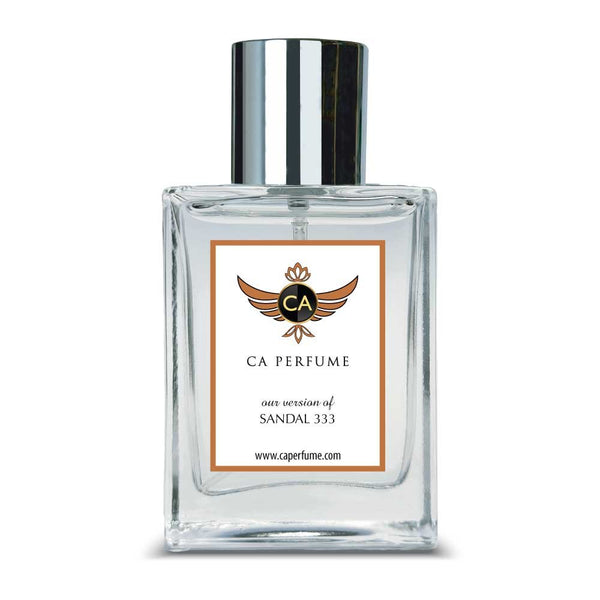
 Sandal 333Woody aromatic · full formula publishedFrom $14.99Shop now
 AthaliaFloral musk · full formula publishedFrom $14.99Shop now
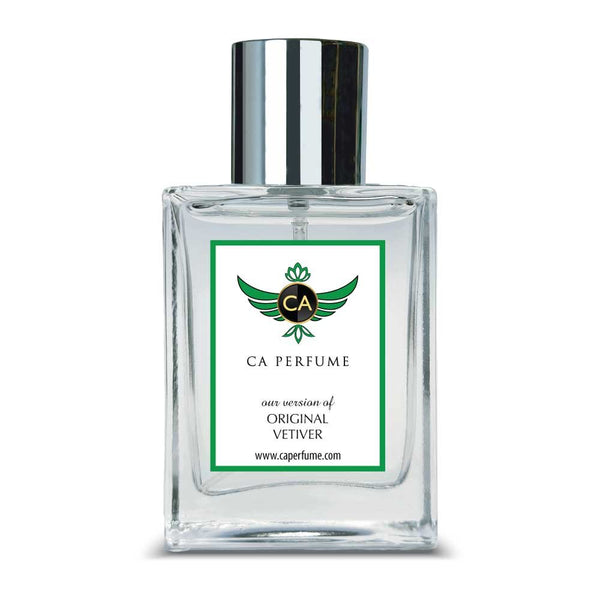
 Original VetiverWoody green · full formula publishedFrom $14.99Shop now
When they would rather choose themselves
If the person you are buying for is particular about what they wear, letting them pick is not a cop-out. It is the logical conclusion of the whole argument: the decision belongs to them.
 Perfume Oil Discovery Set5 ml sampler · alcohol free format$45.55Shop now
 Blooming Mind Duo SetOil and spray bundle · one scent, two formats$32.99Shop now
 Most Attractive Women Roll-On SetPerfume oil gift set · 10 ml roll-ons$49.99Shop now
 CA Perfume Club Gift CardThey choose, with every formula publishedFrom $10.00Shop now
Alcohol free formats and why people ask for them
One of the most common requests in fragrance gifting has nothing to do with scent at all. Alcohol is the carrier in a conventional spray, it evaporates quickly, and some people simply prefer not to use it, particularly in winter or after shaving.
A perfume oil removes it entirely. The composition sits in a carrier oil instead, which means it applies without the sharp cold burst, stays closer to the skin and generally wears longer. It is a preference rather than a safety matter, and it is an easy one to accommodate when you know the format exists. The full comparison is in Perfume Oil vs Eau de Parfum.
Words to be sceptical of on a fragrance gift box
The vocabulary around fragrance has filled up with terms that sound regulated and are not. Knowing which is which makes you a far better gift buyer.
| Term | Common assumption | What it actually means |
|---|---|---|
| Clean | An official standard has been met | No fixed regulatory definition in cosmetics. It means whatever the brand defines it to mean |
| Natural | Safer or gentler by definition | Describes origin, not behaviour on skin. Natural materials are among the most common allergens in perfumery |
| Non-toxic | A verified claim | Not a defined cosmetic term. Treat it as marketing language |
| Fragrance free | No scent materials at all | No added scent. Masking materials may still be present |
| Full ingredient disclosure | Marketing like the rest | A checkable commitment. Either the list is published or it is not |
Frequently asked questions about perfume ingredients
What does "fragrance" or "parfum" mean on a perfume label?
It is a collective term that can stand in for a mixture of many individual scent materials. US cosmetic labelling treats fragrance compositions as proprietary, so brands may declare them under one word rather than itemising them. It is a category heading, not a single ingredient.
Is it legal for perfume brands not to list every ingredient?
Yes. Fragrance compositions are treated as trade secrets under US cosmetic labelling rules, which is why the collective term exists. Non-disclosure is a commercial convention rather than a sign that anything is being concealed for safety reasons.
Does an undisclosed ingredient mean a perfume is unsafe?
No. Fragrance materials used in finished products are subject to industry safety standards, and the absence of a name on a box is not evidence of risk. The case for disclosure is about a person's right to know what they are applying, not about alleging harm.
How can I tell what is in a perfume before I gift it?
Look for a brand that publishes its formula beyond the printed box. A short label list ending in "fragrance" means the composition is undisclosed from that point. A linked ingredient page is a different and checkable commitment.
Are natural perfumes gentler than synthetic ones?
Not inherently. Natural origin describes where a material came from, not how it behaves on skin, and several of the most common fragrance allergens are natural in origin. What matters is the specific material and how much of it is used, which is exactly what disclosure makes visible.
What is HumanSafe?
HumanSafe is the evaluation framework behind every CA Perfume listing. It publishes ingredient information with context on what each material does and how it is used, and supports comparison between products. It is not a clinical assessment and makes no health outcome claim.
Keep exploring
- How HumanSafe works
- Shop all perfume gifts
- Perfume Gifts for Her and Cologne Gifts for Him
- The Discontinued Perfume Gift
- Ingredient Spotlights