Where Woody Comes From — Origin & Extraction
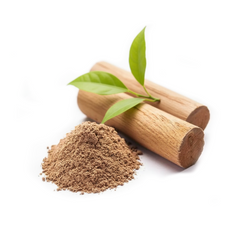
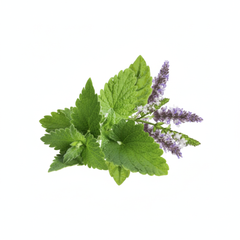
Woody fragrance notes originate from various botanical sources, primarily trees and plants such as cedarwood (Cedrus atlantica), sandalwood (Santalum album), vetiver (Chrysopogon zizanioides), patchouli (Pogostemon cablin), and agarwood (Aquilaria spp.). Cedarwood is mainly produced in the Atlas Mountains of Morocco and the Himalayas, sandalwood is traditionally sourced from India and Australia, vetiver roots are harvested in Haiti, Indonesia, and India, while patchouli is cultivated extensively in Indonesia and the Philippines.
Extraction methods vary by material: cedarwood and sandalwood oils are typically obtained through steam distillation of wood chips or shavings, vetiver oil is extracted from roots via steam distillation, and patchouli oil is derived from leaf distillation. Agarwood oil (oud) is extracted through hydro-distillation or solvent extraction of resinous heartwood. Extraction yields are generally low; for example, sandalwood oil yields about 3-5% from wood, and vetiver oil yields approximately 0.2-0.5% from roots.
Synthetic woody molecules such as Iso E Super (CAS 54464-57-2) and Cashmeran (CAS 5413-60-5) supplement natural extracts, offering cost-effective and sustainable alternatives. Natural woody oils can cost from $500 to over $10,000 per kilogram depending on rarity and quality, whereas synthetics range from $50 to $500 per kilogram. Sustainability concerns include overharvesting of sandalwood and agarwood, leading to regulated trade under CITES and increased synthetic usage. Modern perfumery balances natural and synthetic sources to ensure ethical and consistent supply.
Famous Fragrances That Define Woody in Perfumery
Woody notes have been central to many landmark fragrances, shaping the olfactory landscape across decades. Serge Lutens’ Féminité du bois (1992) was pioneering as one of the first woody fragrances for women, featuring cedarwood as a dominant note paired with plum and spices, challenging gender norms in perfumery.
Le Labo’s Santal 33 (2011), crafted by Frank Voelkl, is a modern icon with its creamy sandalwood base, accented by cardamom and leather, epitomizing unisex woody elegance. Maison Francis Kurkdjian’s Baccarat Rouge 540 (2015), by Francis Kurkdjian, blends cedarwood and ambergris with saffron and jasmine, creating a luminous woody-oriental signature.
Tom Ford’s Oud Wood (2007) showcases agarwood (oud) combined with sandalwood and spices, emphasizing exotic and resinous woody facets. Diptyque’s Tam Dao (1998), by Fabrice Pellegrin, highlights sandalwood and cedarwood, evoking the serenity of Asian forests.
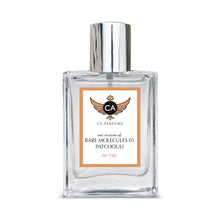
These fragrances illustrate woody notes’ versatility from base anchors to dominant accords. CA Perfume’s collection honors this lineage by offering nuanced woody compositions that reflect both tradition and innovation.
Natural vs Synthetic Woody in Perfumery
Natural woody ingredients such as sandalwood, cedarwood, vetiver, patchouli, and agarwood provide complex, multi-faceted scent profiles due to their rich chemical compositions, including sesquiterpenes like santalol and alpha-cedrene. However, natural extracts face challenges including variable quality, limited supply, high cost, and environmental concerns such as deforestation and endangered species protection (e.g., Santalum album and Aquilaria spp. under CITES).
Synthetic woody molecules like Iso E Super (CAS 54464-57-2), Cashmeran (CAS 5413-60-5), and Hedione (CAS 24851-98-7) offer consistent quality, enhanced longevity, and cost efficiency. They also enable perfumers to create novel woody accords not achievable with naturals alone. For instance, Iso E Super is prized for its velvety, cedar-like aroma with excellent diffusion, widely used in fragrances like Escentric Molecules Molecule 01.
Cost differentials are significant: natural sandalwood oil can cost upwards of $5,000/kg, while synthetic woody aroma chemicals range from $50 to $500/kg. Performance-wise, synthetics often provide superior stability and longevity. CA Perfume's approach integrates both natural and synthetic woody ingredients, ensuring transparency and safety via the HumanSafe™ platform, prioritizing sustainability and consumer trust.