Ingredient Guide · Woody Spicy
Woody Spicy Family · Perfumery Note

Akigalawood

A modern base note with depth and sophistication

Akigalawood is a synthetic base note in perfumery, offering a woody, spicy, and earthy aroma. Derived from patchouli oil through biotechnological processes, it imparts depth and sophistication to modern fragrances.

Akigalawood
Ingredient Profile

Akigalawood

Woody Spicy Family
Family Woody Spicy
Note Position Base Note
Usage Level 0.5–2%
The Ingredient

What does Akigalawood smell like and why is it significant?

Akigalawood is a synthetic fragrance ingredient with a complex scent profile, combining woody, spicy, and patchouli-like facets. It is produced through the biotransformation of patchouli oil, resulting in a refined, modern woody-spicy accord. In perfumery, Akigalawood functions as a base note, adding depth and warmth to compositions. It is typically used at concentrations of 0.5–2%, depending on the desired intensity. Akigalawood interacts with skin chemistry to enhance longevity and projection, providing a lasting presence without overwhelming the wearer. Notable fragrances featuring Akigalawood include Amouage's 'Purpose' (2023), where it serves as a dominant base note, and Montblanc's 'Explorer' (2019), where it adds depth to the composition. These examples demonstrate Akigalawood's versatility and significance in modern perfumery.

0.5–2%
Typical concentration range of Akigalawood in Parfum and Eau de Parfum formulations, providing depth and longevity.
>200 hours
Akigalawood's lasting power, ensuring a prolonged presence in fragrance compositions.
Medium
Odor strength of Akigalawood, offering a balanced presence without overwhelming the composition.
Origin & Extraction

Where Akigalawood Comes From — Origin & Extraction

Akigalawood is a synthetic ingredient developed by Givaudan, a Swiss fragrance company, in 2009. Its production involves biotechnological processes that are not replicable in nature, making it a unique creation in the fragrance industry.

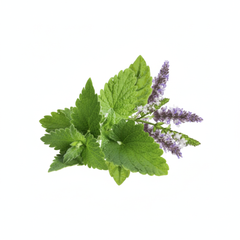
Akigalawood is a synthetic fragrance ingredient developed by Givaudan in 2009. It is produced through a biotechnological process involving the enzymatic transformation of patchouli oil (Pogostemon cablin) into a refined, modern woody-spicy molecule. This process results in a compound that captures the essence of patchouli with a unique twist, offering a cleaner and more consistent aroma. The extraction method involves catalytic chemical transformation of patchouli oil, utilizing acid-catalyzed rearrangement to produce the characteristic smoky-velvety sesquiterpene profile. This industrial synthesis process is not replicable in nature, making Akigalawood a unique creation in the fragrance industry. The molecular formula of Akigalawood is a complex mixture, with the key component being nor-patchoulenol (CAS 41429-52-1). Due to its synthetic nature, Akigalawood is not subject to the same sustainability concerns as natural extracts, offering a more sustainable alternative to traditional patchouli and oud oils. Its production allows for greater consistency and control over the final product, ensuring a uniform scent profile across different batches.

Chemistry

Natural vs Synthetic Akigalawood in Perfumery

Akigalawood is a synthetic molecule developed by Givaudan in 2009 through the biotransformation of patchouli oil. The primary synthetic substitute for natural patchouli is Akigalawood itself, which reproduces the woody-spicy facets of patchouli. In terms of performance, Akigalawood offers excellent tenacity, with lasting power exceeding 200 hours, and a medium odor strength, making it suitable for use as a base note in various fragrance compositions. The cost of Akigalawood is approximately $500–700 per kilogram, compared to $1,000–1,500 per kilogram for natural patchouli oil. This cost-effectiveness, combined with its sustainability and consistency, makes Akigalawood a preferred choice for many perfumers. Notable fragrances using Akigalawood include Amouage's 'Purpose' (2023), where it serves as a dominant base note, and Montblanc's 'Explorer' (2019), where it adds depth to the composition. These examples demonstrate Akigalawood's versatility and significance in modern perfumery.

Natural
Akigalawood Absolute
Cost $3,000–6,000/kg
Method Solvent / CO₂
Character Complex, variable
vs
Synthetic
Safranal & Analogues
Cost $50–200/kg
Method Lab synthesis
Character Consistent, stable
Hall of Fame

Famous Fragrances That Define Akigalawood in Perfumery

Akigalawood has been featured in several notable fragrances, showcasing its versatility and depth. In Amouage's 'Purpose' (2023), Akigalawood serves as a dominant base note, providing a warm, woody foundation that complements the fragrance's spicy and floral elements. In Montblanc's 'Explorer' (2019), Akigalawood adds depth and sophistication, enhancing the fragrance's woody character and contributing to its longevity. Other fragrances featuring Akigalawood include Parfums de Marly's 'Valaya' (2023), where it adds a smoky-woody base, and Hermès' 'Barénia' (2024), where it provides a refined, modern woody note. These examples demonstrate Akigalawood's ability to enhance the depth and complexity of modern fragrances.

The Accord

How is a captivating Akigalawood accord crafted?

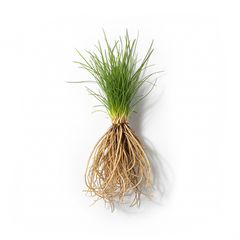
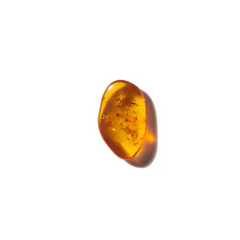
An Akigalawood accord can be crafted by blending Akigalawood with complementary ingredients to enhance its woody-spicy character. A typical blend might consist of Akigalawood (50–60%), patchouli (20–30%), vetiver (10–15%), and amber (5–10%). Patchouli adds depth and earthiness, vetiver contributes a smoky, woody nuance, and amber provides warmth and sweetness, balancing the blend and enhancing the longevity of the accord.

The Olfactory Layers

How Akigalawood Evolves on Skin

Akigalawood serves as a base note in fragrances, providing depth and longevity. Its scent profile evolves over time, with initial spicy nuances giving way to a warm, woody foundation that persists throughout the wear.

I
Top notes
0–15 min
Subtle Spiciness

Akigalawood's top notes are characterized by subtle spicy and peppery nuances, offering a gentle introduction to its woody profile. These initial impressions are due to the presence of sesquiterpenes that evaporate quickly, providing a fleeting yet intriguing opening.

SpicyPepperySubtle
II
Heart notes
20–60 min
Creamy Floral Undertones

As the fragrance develops, Akigalawood's heart notes reveal a creamy, slightly floral undertone, adding complexity and depth. This evolution is attributed to the transformation of sesquiterpenes into more stable compounds, enhancing the fragrance's richness.

CreamyFloralComplex
III
Base notes
Several hours
Warm Woody Foundation

In the base, Akigalawood provides a warm, woody foundation with a smoky-velvety character, offering excellent tenacity and longevity. This enduring presence is due to the stability of its sesquiterpene derivatives, which persist over time.

WoodySmokyVelvety
TOP NOTES Subtle Spiciness 0–15 minutes HEART NOTES Creamy Floral Undertones 20–60 minutes BASE NOTES Warm Woody Foundation Several hours
Through the Ages

The Story of Akigalawood in Perfumery

Akigalawood was developed by Givaudan in 2009 as a synthetic alternative to natural patchouli and oud oils. Its introduction marked a significant advancement in perfumery, offering a sustainable and consistent ingredient that has since been incorporated into numerous modern fragrances.

2009

Development of Akigalawood

Givaudan developed Akigalawood through a biotechnological process, creating a synthetic ingredient that captures the essence of patchouli with a unique twist.

2019

Introduction in Montblanc's 'Explorer'

Akigalawood was featured as a base note in Montblanc's 'Explorer', adding depth and sophistication to the fragrance.

2023

Inclusion in Amouage's 'Purpose'

Akigalawood served as a dominant base note in Amouage's 'Purpose', providing a warm, woody foundation.

The Art of Layering

How to Layer Akigalawood

Layering Akigalawood with complementary notes can create a harmonious and complex fragrance profile.

01

Enhance Warmth

Combine Akigalawood with amber and vanilla to create a warm, enveloping scent. The amber adds depth, while vanilla softens the composition, making it suitable for evening wear.

02

Add Depth

Pair Akigalawood with vetiver and patchouli to enhance its earthy facets. This combination adds complexity and is ideal for cooler weather.

03

Lighten the Glow

Mix Akigalawood with citrus notes like bergamot and lemon to brighten its profile. This layering adds freshness and is perfect for daytime wear.

Wear It Right

How to Wear Akigalawood Like a Pro

Seasonal Guide

Fall & Winter

In cooler months, Akigalawood's depth and warmth are particularly comforting. Apply to pulse points to enhance diffusion and enjoy its enveloping presence.

Spring

During spring, Akigalawood adds a grounding element to floral compositions. Use sparingly to maintain balance and prevent overwhelming lighter notes.

Summer

In summer, Akigalawood's subtlety allows it to complement fresh, citrusy fragrances. Apply lightly to avoid heaviness in warmer temperatures.

Year-Round Tip

Akigalawood's versatility makes it suitable for year-round wear. Adjust application based on the season and desired fragrance intensity.

Application Points

Strategic application of Akigalawood can enhance its diffusion and longevity.

1

Neck

Applying Akigalawood to the neck allows the fragrance to diffuse with body heat, creating a subtle yet lasting presence.

2

Behind the Ears

The warmth behind the ears enhances the diffusion of Akigalawood, making it noticeable without being overpowering.

3

Inner Wrists

Applying to inner wrists allows for controlled diffusion, releasing the fragrance gradually throughout the day.

4

Hair

Spraying Akigalawood on hair provides a sustained release, allowing the fragrance to linger longer.

Pro Tip

For a more pronounced effect, apply Akigalawood to pulse points and allow it to dry naturally to enhance its tenacity.

Mood Architecture™

Top Akigalawood Fragrances by Mood Score

These Akigalawood-based fragrances scored highest on the MEI™ Mood Architecture Framework — measuring how a scent may influence your emotional state.

Highest MEI Score
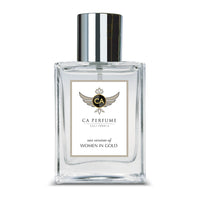
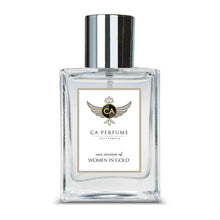
Women in Gold — Women In Gold Alternative Perfume
7.65
MEI™
Primary Romantic
Secondary Confident
Confidence
6.75
Presence
7.23
Mood Lift
8.54
Identity
7.25
Warmth
8.8
Social Ease
8.0
Energy
3.7
" I am beautiful.
View full mood profile →
HumanSafe™

Top Akigalawood Fragrances by HumanSafe™ Score

These Akigalawood-based fragrances have the highest product-level HumanSafe™ scores in this ingredient collection.

Highest HumanSafe™ Score
Women in Gold — Women In Gold Alternative Perfume
A-
HumanSafe™ Score Generally Safe
Safest Evaluated Ingredients EDP
AQUA Solvent / Carrier ISS 10.0
3-BUTEN-2-ONE, 3-METHYL-4-(2,6,6-TRIMETHYL-2- Evaluated ingredient ISS 8.0
LINALYL ACETATE Evaluated ingredient ISS 7.0
LINALOOL Evaluated ingredient ISS 7.0
ALCOHOL DENAT. Solvent / Carrier ISS 7.0
3-BUTEN-2-ONE, 4-(2,6,6-TRIMETHYL-1-CYCLOHEXEN-1- Evaluated ingredient ISS 7.0
View full safety profile →
Expert Voices

What Masters Say About Akigalawood

Akigalawood is a synthetic molecule developed by Givaudan in 2009 through the biotransformation of patchouli oil. It offers a refined, modern take on traditional wood fragrances, providing depth and sophistication to compositions.
CA Perfume Editorial
Akigalawood's versatility and modern character make it popular in both masculine and feminine fragrances, adding depth, warmth, and sophistication to various compositions.
CA Perfume Editorial
Common Questions

Frequently Asked Questions

Frequently asked questions about Akigalawood provide further insights into its role in perfumery.

Akigalawood imparts a woody, spicy, and earthy aroma with nuances reminiscent of patchouli and oud. It offers a refined, modern take on traditional wood fragrances, providing depth and sophistication to compositions.

Akigalawood functions as a base note in fragrances, adding depth and warmth to compositions. It is typically used at concentrations of 0.5–2% in Parfum and Eau de Parfum formulations.

Akigalawood's versatility and modern character make it popular in both masculine and feminine fragrances. It adds depth, warmth, and sophistication, enhancing the complexity of niche compositions.

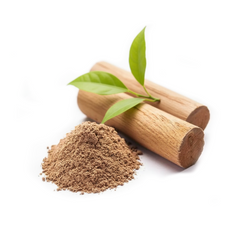
Akigalawood pairs well with notes like patchouli, vetiver, amber, oud, sandalwood, cinnamon, clove, nutmeg, cardamom, and ginger. These combinations enhance its woody and spicy facets, creating harmonious blends.

In summer, Akigalawood's subtlety allows it to complement fresh, citrusy fragrances. Apply lightly to avoid heaviness in warmer temperatures, ensuring a balanced and refreshing scent profile.

Akigalawood offers excellent tenacity, with lasting power exceeding 200 hours, ensuring a prolonged presence in fragrance compositions.

Yes, Akigalawood can be layered with other fragrances to create a harmonious and complex scent profile. It pairs well with notes like patchouli, vetiver, amber, oud, sandalwood, cinnamon, clove, nutmeg, cardamom, and ginger.

For beginners, fragrances like Amouage's 'Purpose' (2023) and Montblanc's 'Explorer' (2019) are excellent choices. These compositions showcase Akigalawood's versatility and depth, providing a balanced introduction to its scent profile.

At CA Perfume, explore our curated selection of fragrances featuring Akigalawood. Consider your personal scent preferences and the desired intensity to find a composition that resonates with you.

Akigalawood presents a spicy-woody scent profile with peppery and slightly floral undertones, reminiscent of patchouli and oud, but lighter and more transparent.

Woody Spicy Collection

Explore Our Top Akigalawood Fragrances

Discover our curated selection of fragrances featuring Akigalawood, each offering a unique interpretation of this captivating note.

Shop all Akigalawood fragrances at CA Perfume →

Where Akigalawood Comes From — Origin & Extraction

Akigalawood is a synthetic fragrance ingredient developed by Givaudan in 2009. It is produced through a biotechnological process involving the enzymatic transformation of patchouli oil (Pogostemon cablin) into a refined, modern woody-spicy molecule. This process results in a compound that captures the essence of patchouli with a unique twist, offering a cleaner and more consistent aroma. The extraction method involves catalytic chemical transformation of patchouli oil, utilizing acid-catalyzed rearrangement to produce the characteristic smoky-velvety sesquiterpene profile. This industrial synthesis process is not replicable in nature, making Akigalawood a unique creation in the fragrance industry. The molecular formula of Akigalawood is a complex mixture, with the key component being nor-patchoulenol (CAS 41429-52-1). Due to its synthetic nature, Akigalawood is not subject to the same sustainability concerns as natural extracts, offering a more sustainable alternative to traditional patchouli and oud oils. Its production allows for greater consistency and control over the final product, ensuring a uniform scent profile across different batches.

Famous Fragrances That Define Akigalawood in Perfumery

Akigalawood has been featured in several notable fragrances, showcasing its versatility and depth. In Amouage's 'Purpose' (2023), Akigalawood serves as a dominant base note, providing a warm, woody foundation that complements the fragrance's spicy and floral elements. In Montblanc's 'Explorer' (2019), Akigalawood adds depth and sophistication, enhancing the fragrance's woody character and contributing to its longevity. Other fragrances featuring Akigalawood include Parfums de Marly's 'Valaya' (2023), where it adds a smoky-woody base, and Hermès' 'Barénia' (2024), where it provides a refined, modern woody note. These examples demonstrate Akigalawood's ability to enhance the depth and complexity of modern fragrances.

Natural vs Synthetic Akigalawood in Perfumery

Akigalawood is a synthetic molecule developed by Givaudan in 2009 through the biotransformation of patchouli oil. The primary synthetic substitute for natural patchouli is Akigalawood itself, which reproduces the woody-spicy facets of patchouli. In terms of performance, Akigalawood offers excellent tenacity, with lasting power exceeding 200 hours, and a medium odor strength, making it suitable for use as a base note in various fragrance compositions. The cost of Akigalawood is approximately $500–700 per kilogram, compared to $1,000–1,500 per kilogram for natural patchouli oil. This cost-effectiveness, combined with its sustainability and consistency, makes Akigalawood a preferred choice for many perfumers. Notable fragrances using Akigalawood include Amouage's 'Purpose' (2023), where it serves as a dominant base note, and Montblanc's 'Explorer' (2019), where it adds depth to the composition. These examples demonstrate Akigalawood's versatility and significance in modern perfumery.