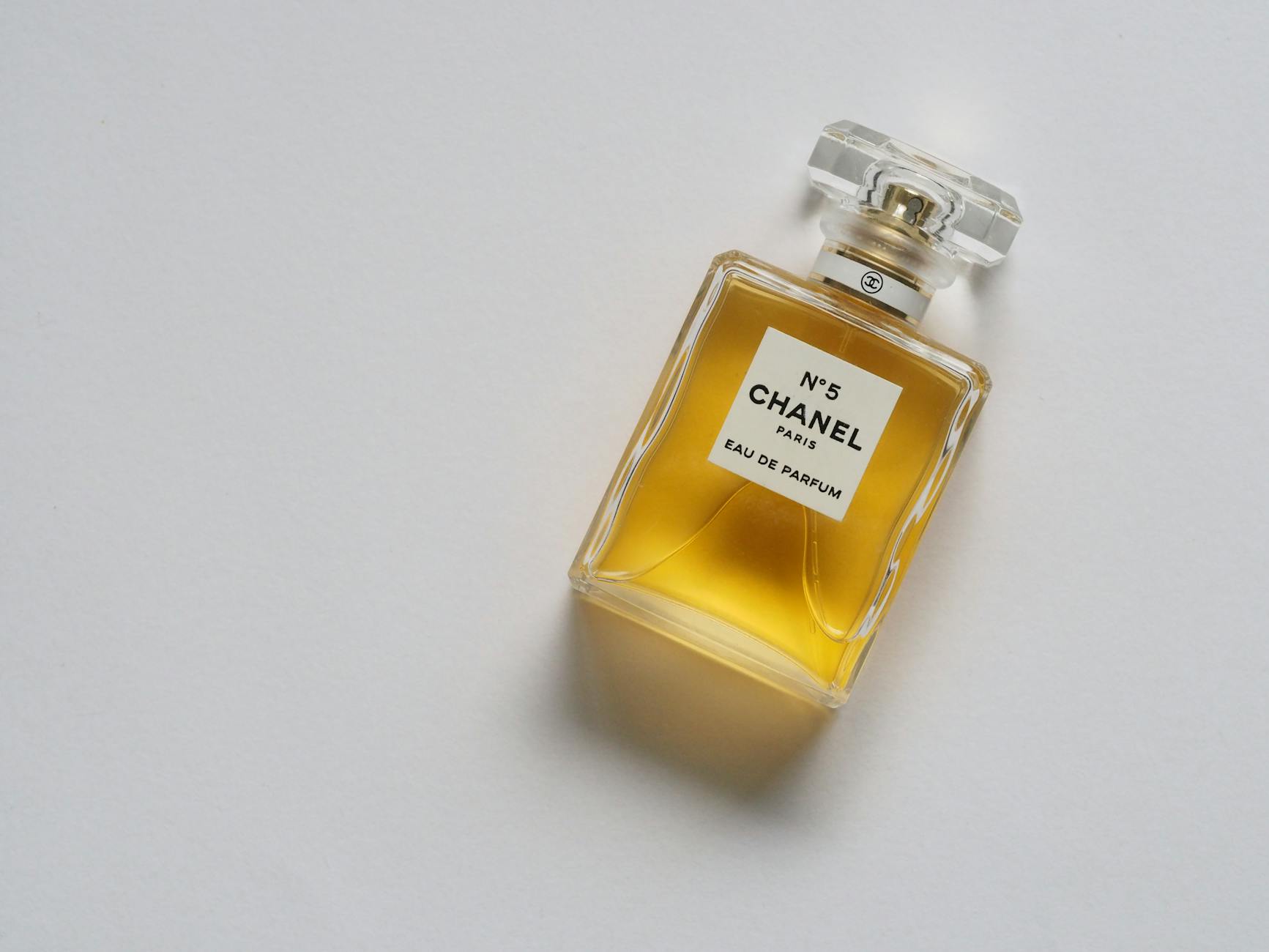
How Men's Fragrance Is Structured: Top, Heart, and Base Notes
Every men's fragrance is built in layers — and those layers are the reason your cologne smells different on your skin after two hours than it did when you first sprayed it. The structure is divided into three stages: top notes, heart notes, and base notes, each revealing itself as the previous one fades.
Top notes are your first impression. They're the brightest, lightest molecules — typically citrus ingredients like bergamot, lemon, and grapefruit, or aromatic herbs like lavender and basil. They're volatile, meaning they evaporate quickly, usually within 15 to 30 minutes. This is important: the top note is what you smell in the store, but it's rarely what you'll be wearing all day.
Heart notes are the core character of a cologne. They emerge once the top notes settle and typically last one to three hours. Common heart note ingredients in men's cologne include geranium, cardamom, black pepper, and floral elements like rose or jasmine. Yes, rose appears in many great men's fragrances — it adds depth without femininity when balanced correctly.
Base notes are the foundation — the long, slow-burning ingredients that anchor everything above them. These are the molecules you smell eight hours in. Oud, sandalwood, vetiver, musk, ambergris, and cedarwood are the most common. Base notes are also where the emotional weight of a fragrance lives. For a deeper breakdown of how this system works, the fragrance notes explained guide on CA Perfume walks through the full architecture in detail.
“
The top note is what you smell in the store, but it's rarely what you'll be wearing all day — base notes are where the emotional weight of a fragrance truly lives.
Key Ingredients Found in Men's Cologne and What They Do
Understanding men's cologne ingredients means knowing your raw materials. Here are the heavy hitters — the ingredients that appear most often in quality men's fragrances and define how they perform on skin.
Bergamot: A citrus fruit with a slightly floral, almost tea-like quality. It's the backbone of countless classic colognes and works as a bridge between fresh top notes and spicier hearts.
Cedarwood: Warm, dry, woody. It's one of the most versatile base ingredients — it adds structure without dominating, and it plays well with virtually every other ingredient family.
Vetiver: An earthy, smoky, slightly bitter root extract from South Asia. Vetiver is the ingredient that makes a fragrance feel grounded and masculine without being aggressive.
Oud (Agarwood): Perhaps the most emotionally complex ingredient in perfumery. Oud is a resinous wood formed when agarwood trees respond to fungal infection. It's rich, dark, slightly sweet, and deeply animalic. Oud's base note depth gives it one of the highest MEI™ scores in woody orientals — its grounding and emotionally resonant effect is documented across the HumanSafe™ Framework's ingredient transparency database.
Ambroxan: A synthetic molecule derived from ambergris (historically sourced from sperm whales, now lab-created). It's responsible for that skin-close, warm, slightly salty depth you notice in many modern men's fragrances. It's also a powerful fixative — it helps other ingredients last longer.
Musk: Now almost entirely synthetic, musks in modern cologne function as a skin-scent amplifier. They make a fragrance feel like it belongs on your body rather than floating above it.
Cardamom: Spicy, slightly sweet, and surprisingly versatile. Cardamom bridges fresh and oriental compositions and adds a warmth that reads as confident without being heavy.
Iso E Super: A synthetic woody-cedar molecule that's almost invisible on its own but amplifies every ingredient around it. Fragrances built around Iso E Super have a distinctive magnetic, skin-close quality.
What Makes a Men's Fragrance Long-Lasting and Strong
Longevity in a men's fragrance comes down to two intersecting factors: concentration and the molecular weight of the ingredients used. These two variables determine whether your cologne lasts two hours or twelve.
Fragrance concentration refers to the percentage of aromatic compounds dissolved in the carrier (typically alcohol and water). The four main classifications are:
1
Eau de Cologne (EDC): 2–4% concentration. Light, fresh, short-lasting — typically two to three hours.
2
Eau de Toilette (EDT): 5–15% concentration. The standard for everyday men's cologne. Lasts three to five hours on most skin types.
3
Eau de Parfum (EDP): 15–20% concentration. Noticeably richer and longer-lasting — typically five to eight hours.
4
Parfum (Extrait): 20–40% concentration. The most intense and long-lasting format. A small amount goes a very long way.
Molecular weight matters just as much as concentration. Heavy molecules — found in base note ingredients like oud, sandalwood, labdanum, and ambroxan — evaporate slowly and cling to skin and fabric for hours. Light molecules (citrus, aldehydes) evaporate quickly regardless of concentration. This is why a well-structured long-lasting men's fragrance built on rich base notes will always outlast a citrus-heavy EDC, even if both contain similar concentrations. Your skin chemistry also plays a role — drier skin tends to absorb fragrance faster. Moisturising before application and targeting pulse points can meaningfully extend wear time. For more practical advice, the guide on how to make cologne last longer covers application technique in full.
How to Read a Fragrance Ingredient List Like a Pro
Fragrance labels in most markets are required to list ingredients, but the listing format can be confusing. Here's what to look for and what it actually tells you about a fragrance's quality and safety.
Ingredients are typically listed in descending order of concentration — the same convention used on food packaging. You'll often see the word parfum or fragrance listed as a single entry, which is a legal catch-all for proprietary blends. This is common and not automatically a red flag, but it does mean you're trusting the brand's transparency. Look for brands that go further and disclose individual ingredients beyond what's legally required.
Key markers of quality in an ingredient list:
Natural isolates listed individually (e.g. linalool, geraniol, eugenol) rather than simply grouped under a generic term
Allergen disclosure beyond the minimum legal threshold
Transparent sourcing claims — particularly for high-value naturals like oud, rose, and sandalwood
CA Perfume's collection is verified by the HumanSafe™ Framework, an independent third-party platform that assesses every fragrance against a rigorous ingredient transparency standard. Each fragrance also receives a Mood Elevation Index™ (MEI™) score — a data-backed measure of a fragrance's emotional impact potential, derived from the way specific ingredient combinations interact with mood and sensory response. When you're reading a label and wondering whether a fragrance will actually make you feel something, the MEI™ score is the metric that answers that question with evidence rather than marketing language.
Common Men's Fragrance Families and Their Defining Ingredients
Fragrance families are the shorthand system perfumers and retailers use to help you navigate an overwhelming catalogue of options. For men, the most relevant families are:
Fresh/Aquatic: Built on citrus top notes, marine accords, and light musks. Key ingredients: bergamot, grapefruit, calone, hedione. These are easy to wear, widely liked, and typically lower on the MEI™ scale — high in immediate pleasantness, lower in emotional depth.
Woody/Aromatic: The dominant category in men's mainstream fragrance. Key ingredients: cedarwood, vetiver, lavender, geranium. Balanced, versatile, appropriate for almost any context.
Oriental/Spicy: Warm, rich, and complex. Key ingredients: oud, cardamom, vanilla, labdanum, benzoin. These score highest on the HumanSafe™ Framework's Mood Architecture™ for depth and emotional resonance — the MEI™ data consistently shows oriental compositions outperforming other families for mood elevation in evening and intimate contexts.
Fougère: A classic men's fragrance construction built on lavender, coumarin, and oakmoss. It's the architectural blueprint behind many of the best men's cologne benchmarks of the last 100 years.
Leather: Smoky, dry, and distinctive. Key ingredients: birch tar, castoreum (now mostly synthetic), iso butyl quinoline. These are niche but deeply distinctive — a leather fragrance makes a statement.
If you're still building your vocabulary around these families, the guide to best inspired-by fragrances for men pairs each family with accessible entry points from the CA Perfume collection.
How to Choose a Men's Fragrance Based on Its Ingredients
The best men's cologne is not a universal constant — it's the one that performs well on your specific skin, fits the context you're wearing it in, and produces a mood response you actually want. Ingredient knowledge is what makes that match possible.
Start by identifying your skin type and climate. Oily skin amplifies fragrance naturally — you can get away with lighter concentrations and let the chemistry do the work. Dry skin absorbs fragrance faster, so prioritising base note-heavy compositions and EDP concentrations will serve you better. In warm weather, heavier base notes can turn cloying — fresh and woody families tend to perform better in heat. In cold weather, oriental and leather families open up beautifully.
Next, think about the emotional register you want the scent to occupy. The HumanSafe™ Framework's Mood Architecture™ maps this directly — a fragrance with a high MEI™ score in the confidence dimension, for example, will contain different ingredient combinations than one optimised for calm or intimacy. When CA Perfume lists MEI™ scores alongside their collection, that's not decorative data — it's a shortcut to finding a fragrance that actually moves the needle on how you feel.
Finally, consider context. Office environments reward restraint — lower concentrations, clean woody or aromatic families. Evening wear and special occasions are where orientals, leathers, and high-concentration EDPs earn their place. The best approach is a small, intentional wardrobe of two or three fragrances that cover different contexts, rather than one signature scent that you try to force into every situation.